
Best Boots for Large Calves Made Simple: A Clear Buying Guide for 2026
Disclosure: We may earn a commission when you buy through links on this page, at no extra cost to you. As an Amazon Associate I earn from qualifying purchases. Learn more

Shopping for the best boots for large calves for the first time? Learn the terms, compare options, and avoid rookie mistakes with this easy guide.
If your calves are wider than the average the boot industry designs for, you already know the frustration: the foot fits, the zip stops halfway, and the size chart never mentioned legs at all. Finding the best boots for large calves is not about hunting for a special label. It is about one measurement, a few closure tricks, and knowing which listing numbers describe the leg.
This guide walks first time buyers from the tape measure to the first wear, in plain English. The comparison table below gathers pairs that publish their opening measurements, so you can compare calf classes side by side.

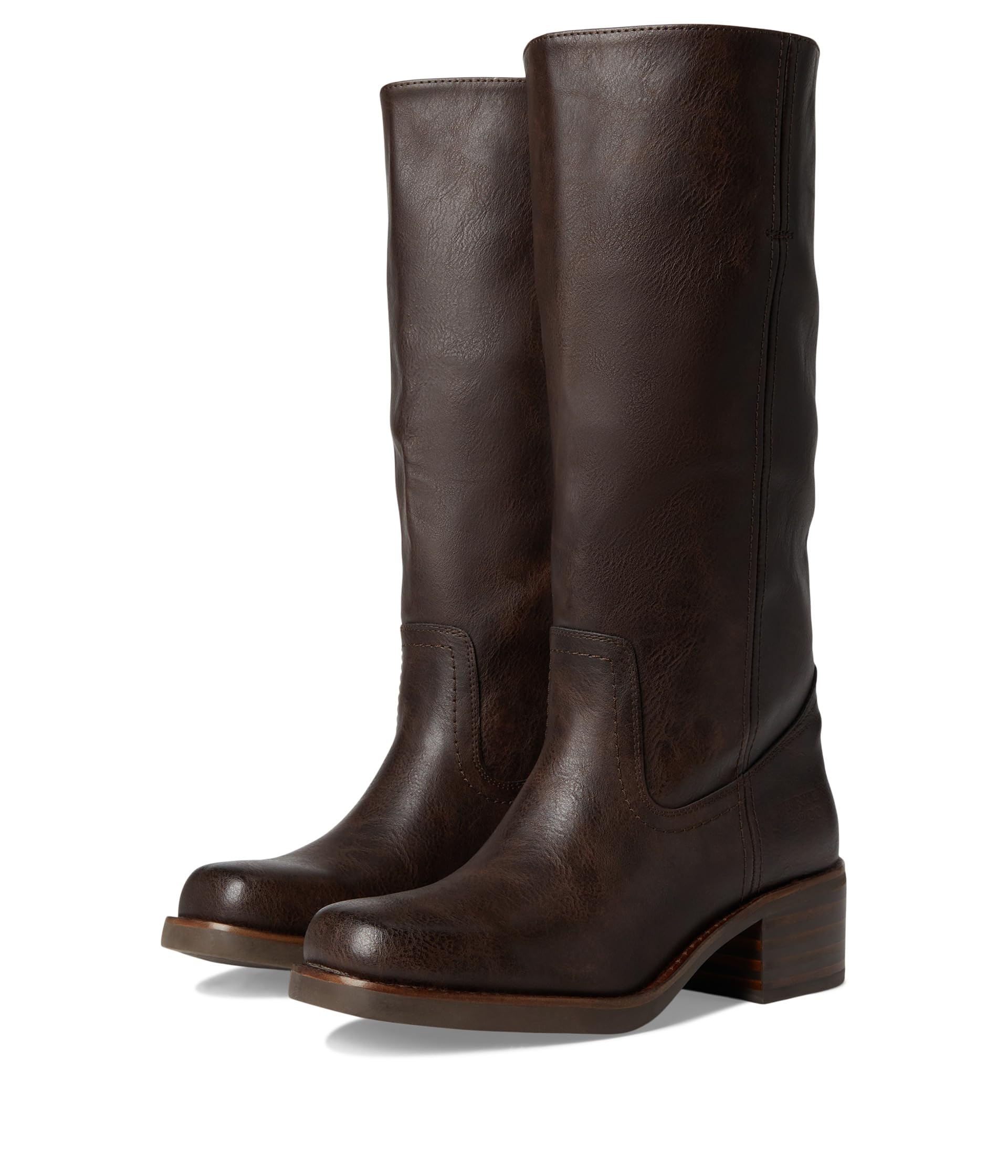


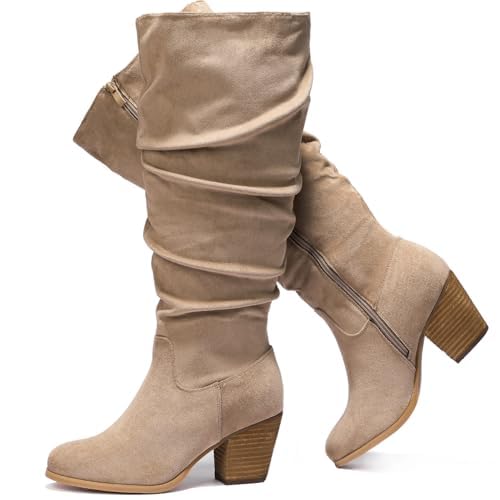
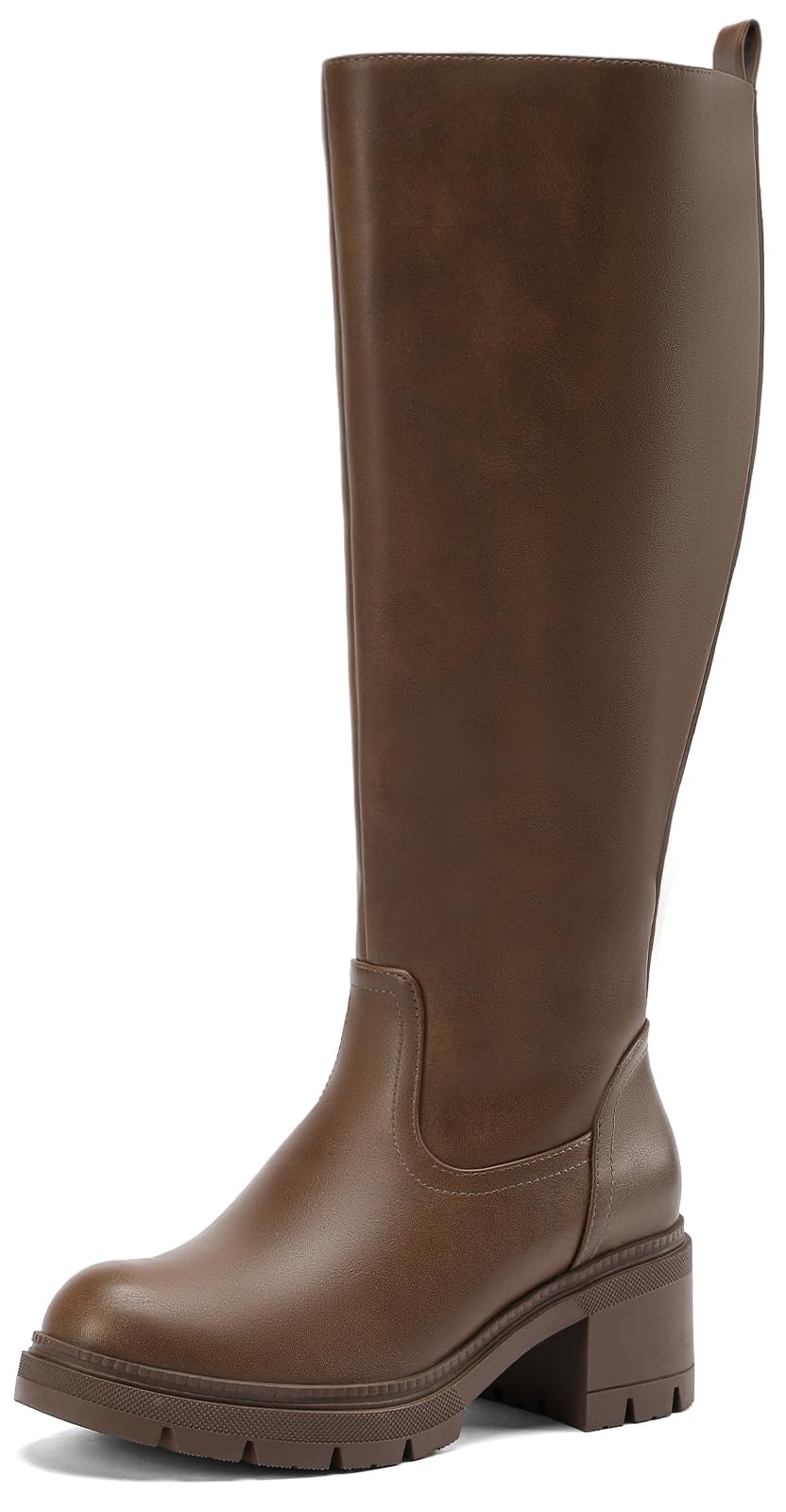

Boots 101: The Basics
A boot is a shoe with a leg attached, and the leg part is called the shaft. The shaft wraps your calf, and its top edge forms the opening, measured around in inches. That single number, the circumference, decides whether a pair closes on you. Between foot and shaft sit the closures: zips, stretch panels, laces, and buckles that open the shaft or let it flex.
Everything else, toe shape, heel, and sole, is ordinary shoe craft. Calf fit lives in the shaft, the opening, and the closure, which is why this guide starts there. It is also why the best boots for large calves are sold by opening class as much as by shoe size.
Key Specs Explained in Plain English
Features That Matter for Large Calves
Measure your calf at its widest point, over the socks or leggings you plan to wear, and write the number down before you shop. Makers group openings into rough classes: a standard opening runs about 14 to 15 inches, a wide class about 16 to 18 inches, and an extra wide class past 19 to 20 inches. Your number, plus about half an inch of breathing room, tells you which class to open first. A listing with no opening measurement is a gamble, because shoe size says nothing about the leg.
| Opening class | Top opening | Who it suits |
|---|---|---|
| Standard | about 14 to 15 inches | average calves |
| Wide | about 16 to 18 inches | most large calves |
| Extra wide | past 19 to 20 inches | the widest calves |
Stretch Panels and Full Zips
A stretch panel class or a full zip class governs entry more than any other feature on the boot. An elastic gore panel sewn into the shaft gives about an inch of flex, enough for a calf that measures larger by evening, while a full length zip lets the shaft open wide so you step in without forcing anything. Panels suit pull on styles for daily wear. Zips suit structured leather, and a zip that stops halfway helps far less than one that runs the full height.
Shaft Height and Where the Top Lands
Shaft height governs how a boot fits a large calf because it decides where the top edge lands on your leg. Ankle styles stand about 5 to 6 inches and end below the calf, mid calf styles about 10 to 12 inches and end partway up, and knee high styles about 14 to 16 inches and end just under the knee. The hardest fit is a top edge landing exactly at your widest point, where the opening must give the most. Readers comparing taller shafts can see best tall boots for large calves for styles measured the same way.
Fit, Sizing, and Toe Box
Feet swell as the day goes on, so try boots in the afternoon in your usual socks. Your toes need room to spread inside the toe box, and your heel should lift only slightly with each step. If the foot fits and the shaft does not, changing shoe size rarely fixes the leg, so exchange within the same opening class or move up a class. A wide foot option helps the toes, but it does not widen the shaft at all.
Break In Period and Comfort Out of the Box
Leather shafts soften with wear and mould themselves to your leg over the first few outings, and stiff soles ease as the footbed settles. Comfort out of the box still matters, because a shaft that cuts in on day one will not stretch a full class larger later. Fabric and synthetic shafts change very little, so what you feel in the store is close to what you keep. Start with short wears at home before a long day.
Upper Materials and Breathability
Full grain leather is the durable classic: it scuffs, polishes back, and slowly takes the shape of your calf. Suede looks softer and marks more easily, while fabric and synthetic uppers cut weight and breathe better in warm weather. A smooth lining helps trousers slide instead of bunching at the top edge. Fabric pairs run about $60 to $110, while leather pairs in wide calf classes run about $120 to $220.
Waterproofing and Membranes
A waterproof membrane keeps rain and puddle water out, but only up to the height of the lining, so a tall shaft in deep water still floods over the top. Membranes also hold warmth in, welcome in winter and stuffy in summer. If most of your walking is on wet grass and pavements, treated leather may be protection enough. For a style built around water from the start, see best rain boots for large calves, where the whole boot acts as the waterproof layer.
Picking the Right Boots for Different Uses
Once the numbers make sense, match the shaft to the job. The groups below cover the uses first time buyers ask about most.
Best Cowboy Boots for Large Calves
Western styles hide generous shafts behind a classic shape, which makes them a friendly first tall boot. A cowboy shaft stands about 11 to 12 inches, and the scalloped dip at front and back gives the top edge room to settle around a wider calf. Pull straps help you draw the boot on without any zip. Look for a stated wide shaft class rather than a standard shaft in a bigger shoe size, and wear straight leg jeans over the shaft.
High Boots for Dress and Cold Days
Dress styles use the same opening classes with sleeker leather, a cleaner front, and a lower heel of about 1 to 2 inches. A back zip keeps the front line smooth while still opening the shaft fully. Readers browsing best high boots for large calves will find the circumference numbers carry straight over from everyday pairs. Measure once, and the same figure guides work boots and evening pairs alike.
A Note for Skiers With Wide Calves
Rigid winter sports boots follow the same tape measure logic. A ski boot cuff closes around the calf just like a tall shaft, so skiers with wider legs can compare best ski boots for large calves and best women's ski boots for large calves using the circumference number from the measuring section. The cuff figure on a ski listing answers the same question as the opening figure on a boot listing.
Rookie Mistakes to Avoid
- Shopping by shoe size alone, which says nothing about whether the shaft will close around your leg.
- Measuring a bare calf in the morning, then trying to zip the boot over thick socks at night.
- Counting on a stretch panel to add room it does not have, since most panels give about an inch.
- Choosing a shaft height by looks, then finding the top edge sits right on the widest point of the calf.
- Skipping the return terms, even though calf fit is the hardest detail to judge from photos.
Getting Started: First Wear and Care
Wear a new pair at home on carpet for an hour before the first outing, and sit, stand, and climb stairs in them. The zip path should lie flat without pulling, and the top edge should feel even all around. Store tall pairs upright with rolled towels inside the shafts so the leather keeps its shape. When a pair gets wet, let it air dry away from direct heat, and brush dried mud off before it works into the stitching.
Frequently Asked Questions
What features matter most in boots for large calves?
A stated opening that matches your measured calf matters most, followed by a closure that opens the shaft wide for easy entry. One detail many guides skip: makers measure the opening at the very top edge, and a shaft that flares below the top can fit a calf measuring larger than the listed number. When a listing gives a shaft height, picture where that top edge lands on your leg before ordering.
How should boots for large calves fit around the leg?
They should feel snug and supported, never tight enough to leave deep marks or set your foot tingling. You should be able to slide one finger between shaft and leg at the top edge. A useful test the main sections did not cover: walk down a slope or stairs. If your toes jam forward on the way down, the foot fit needs attention even when the calf feels right.
Do boots for large calves need a waterproof membrane?
Only if your routine puts you in rain, wet grass, or slush regularly. One point worth adding: the membrane matters less than the seams near the top edge, because it stops spray from below while splashes over the top still get in. For dry office and pavement use, treated leather sheds light rain on its own, and your feet stay cooler through a warm commute.
How often should boots for large calves be replaced?
Replace them when the support or the closure gives out rather than by any calendar rule. Elastic panels that stay stretched, zips that creep open, and soles worn smooth all signal the end. Leather uppers often outlast their linings, and a worn lining can rub a wide calf raw. That rubbing is a replacement sign even when the outside still looks respectable.
Are expensive boots for large calves worth the money?
They can be, because the extra cost usually buys full grain leather and a replaceable sole rather than decoration. Fabric pairs at about $60 to $110 suit lighter use, while leather pairs at about $120 to $220 earn their price through years of wear. A generous home trial matters more than the tier. Wear the pair indoors across a few evenings, since calf comfort at hour three is the real test, and keep the box until you are sure.
How long does the break in period for new boots last?
Most leather boots settle within about 10 to 15 hours of wear, spread across short outings rather than one long march. Break in softens the foot and ankle area most, so plan early wears around that. Tingling, numbness, or a zip that still will not close are fit faults, not break in stages. Stop and change size or class if you feel them, because more wear will not fix a shaft that starts too small.
Final Thoughts
Measure first, match the opening class, and let the closure do the rest. The product table above lists pairs with published calf measurements, so you can check your number against each class in seconds. Choose the best boots for large calves for your tallest regular day, work, commute, or trail, and the right pair will feel less like a compromise and more like it was cut with your leg in mind.


