Best Boots for Landscaping in 2026: Which Type Is Right for You?
Disclosure: We may earn a commission when you buy through links on this page, at no extra cost to you. As an Amazon Associate I earn from qualifying purchases. Learn more

Best boots for landscaping by type: compare waterproof, leather, slip on and breathable styles by ground, fit and safety class.
Landscaping work asks more of a boot than almost any other trade. One morning you are on wet grass with a mower, by lunch you are hauling stone across mud, and the afternoon ends with fertilizer and irrigation water around your ankles. Faced with rows of boots that all claim to be tough, choosing the best boots for landscaping starts with matching the boot type to your ground, your season, and your feet.
This guide compares the main boot types side by side, then walks through fit, safety classes, and care. The comparison table below lines up each type by its best use, strengths, and limits, so you can narrow the field before you think about price.
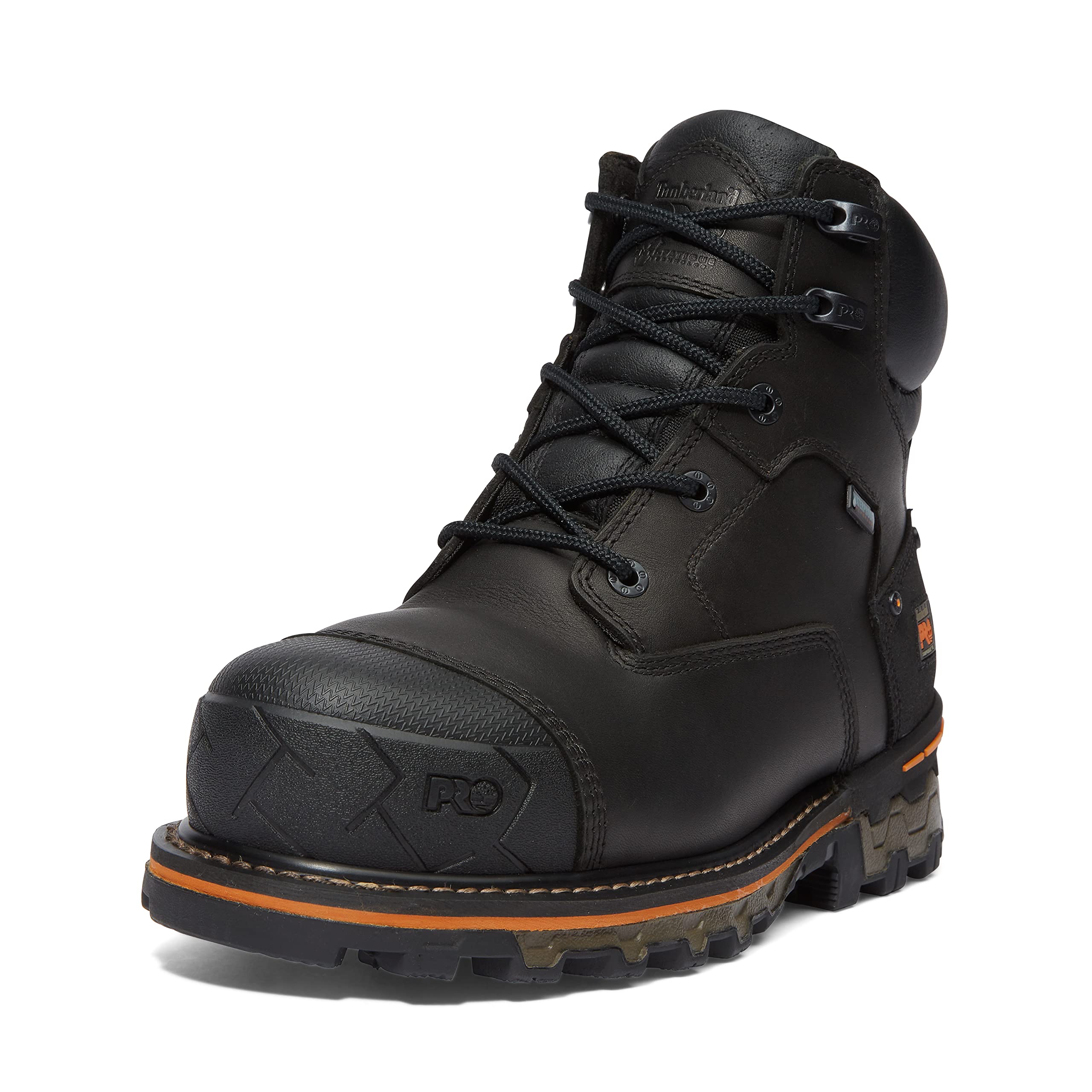
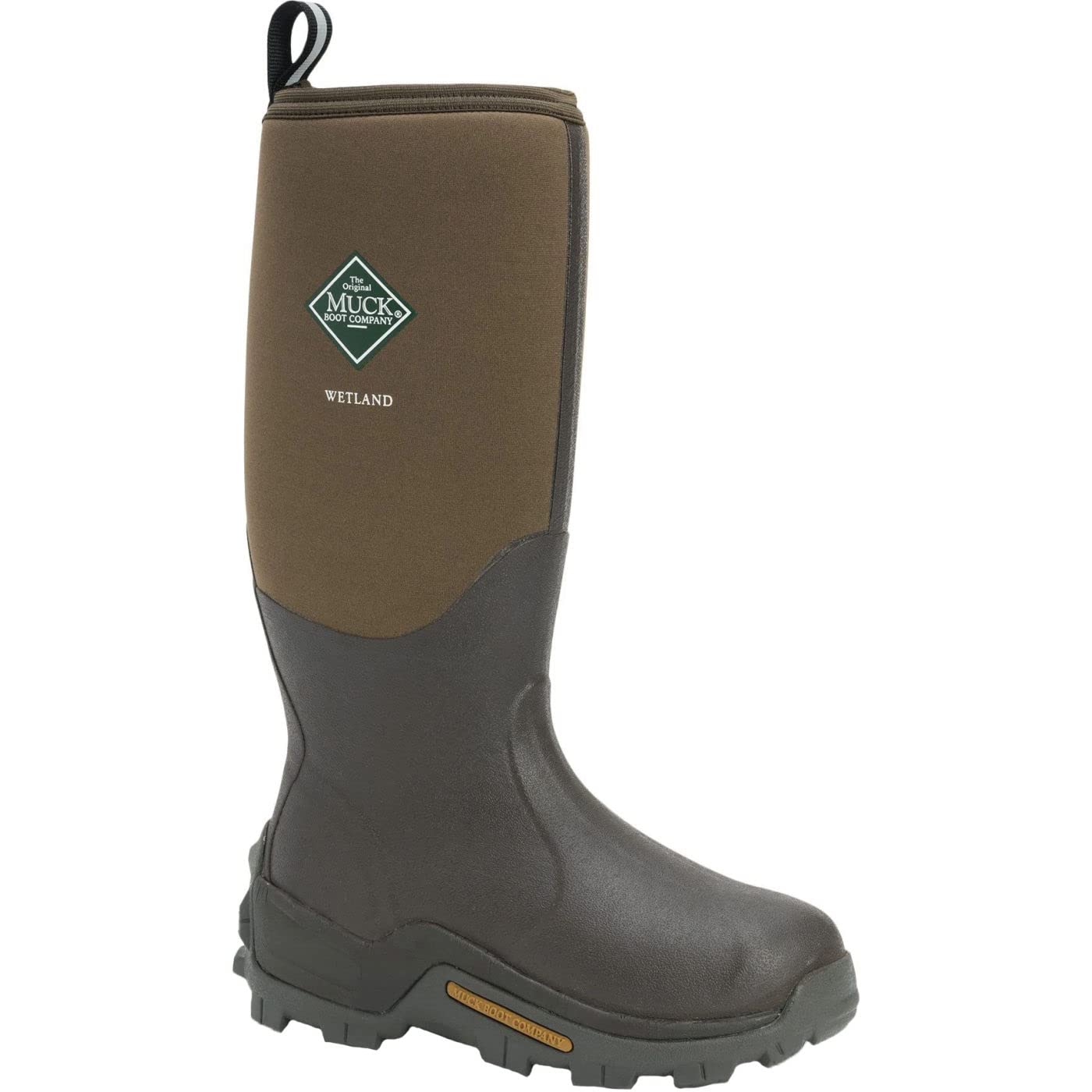

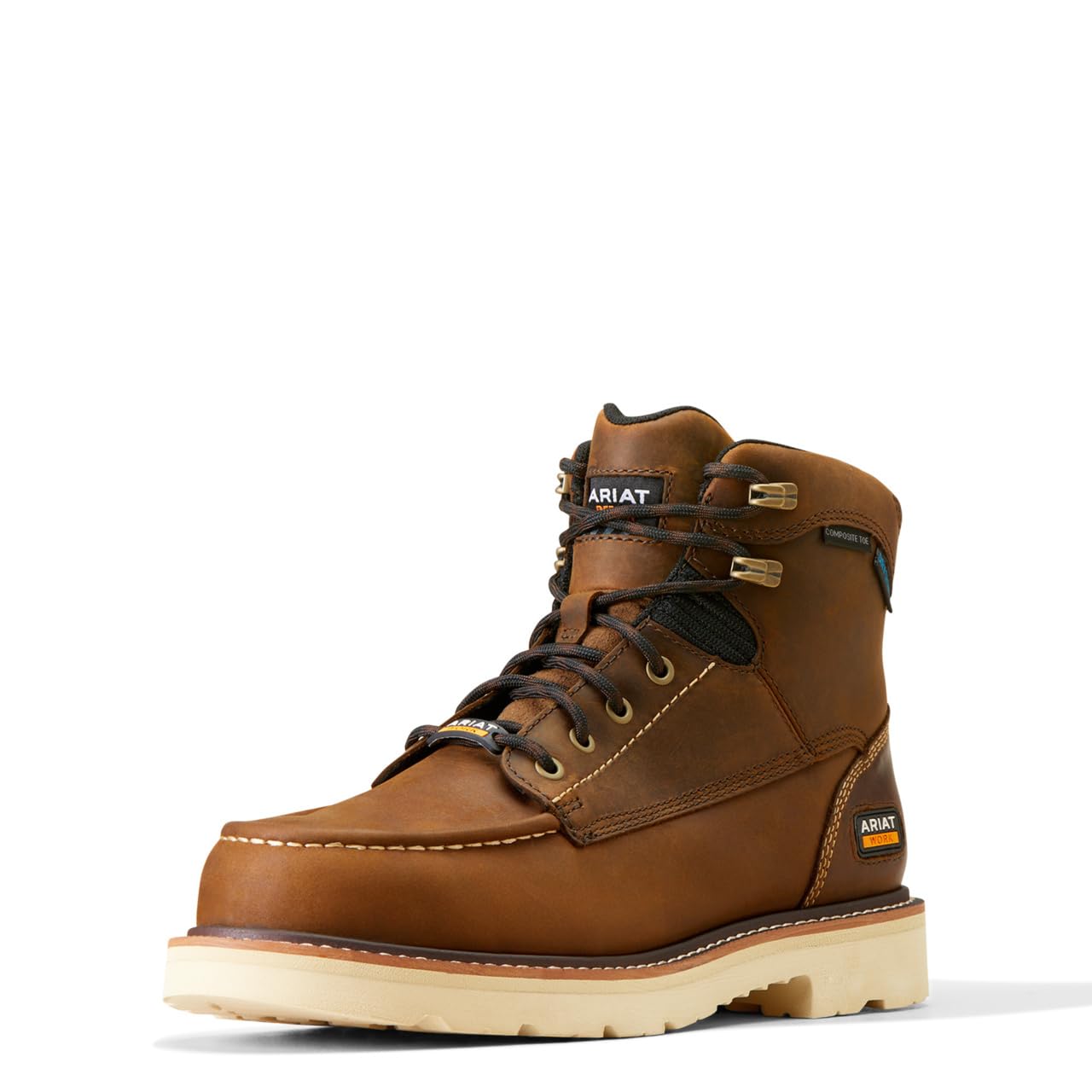
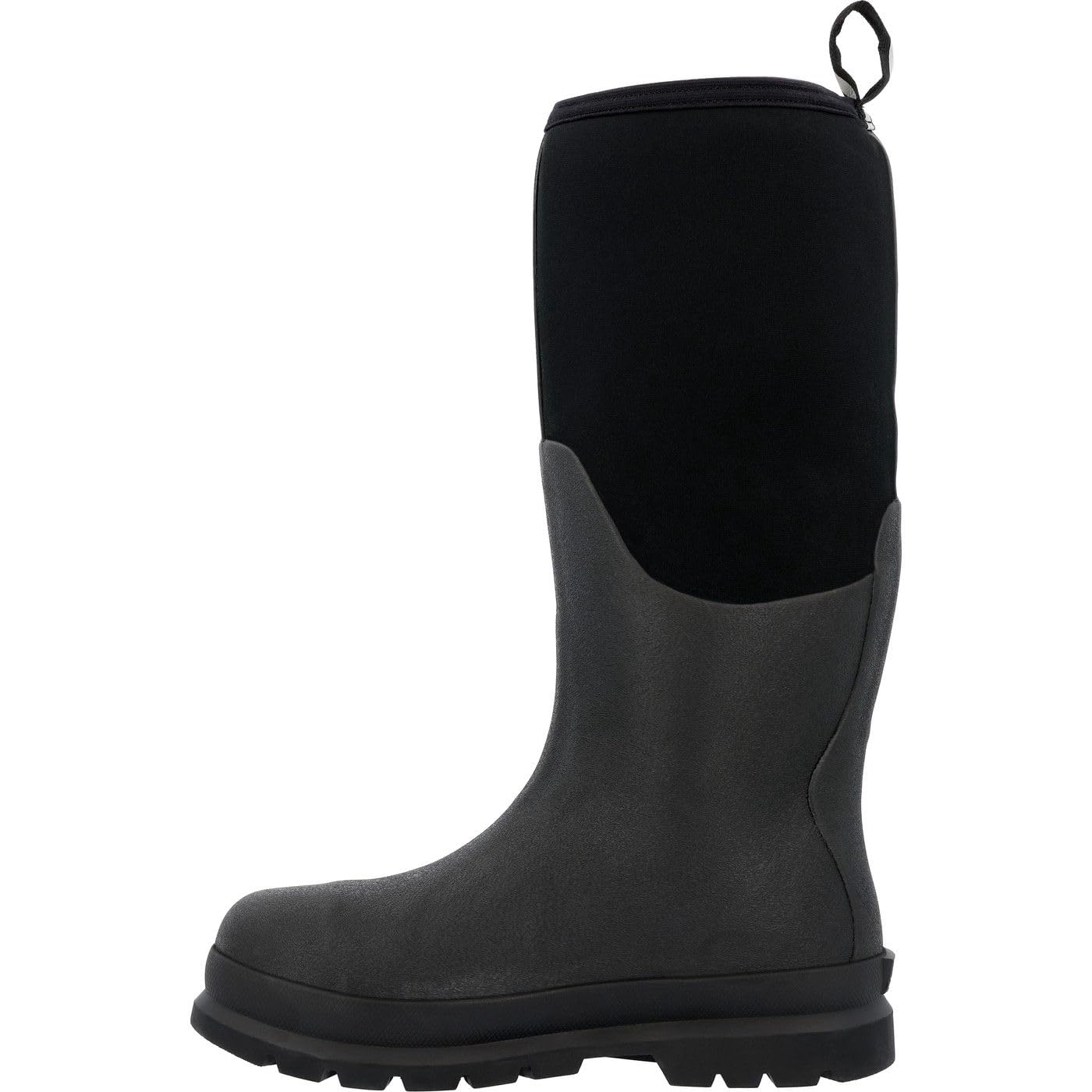


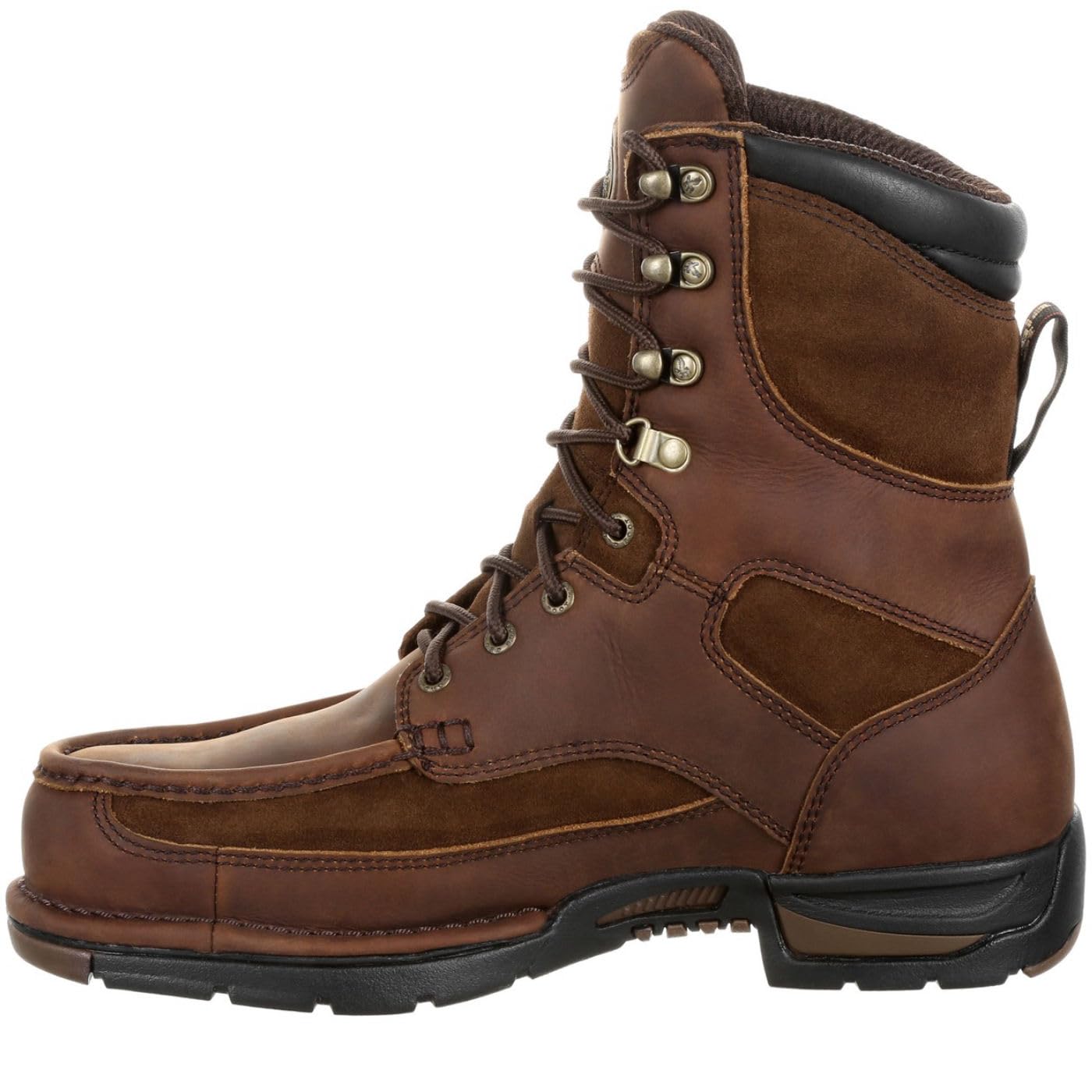

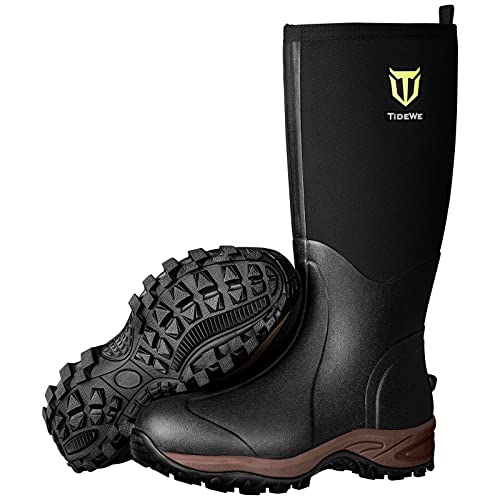
Best Boots for Landscaping: Types Compared
Four boot types cover nearly every landscaping job. They differ in how they handle water, how they protect the foot, and how much effort they take to put on and clean at the end of the day.
| Type | Best For | Pros | Cons | Typical Price |
|---|---|---|---|---|
| Waterproof work boots | Wet lawns, irrigation work, rainy seasons | Dry feet, sealed seams, easy to hose off | Warm in summer, membrane care needed | about $90 to $180 |
| Lace up leather work boots | Hardscaping, stone, and heavy material handling | Strong ankle support, resoleable builds, durable | Heavier, longer break in | about $110 to $220 |
| Slip on boots | Crews moving between truck, yard, and client homes | Fast on and off, no laces to clog with mud | Less ankle hold, fit varies by foot shape | about $80 to $150 |
| Breathable warm weather boots | Hot climates and dry summer routes | Cooler feet, lighter step, quick drying uppers | Little water protection, softer uppers | about $70 to $140 |
Waterproof Boots
A waterproof boot uses a sealed membrane and taped or sealed seams to keep ground water out while you work. It suits anyone who starts on dew covered lawns, repairs sprinkler lines, or works through a wet spring. Feet stay dry through puddles and saturated soil, and mud rinses off the smooth upper at the end of the day.
The trade off is heat. A membrane that blocks water also slows the escape of sweat, so waterproof boots feel warm on dry summer routes. They also need gentle cleaning, because harsh detergents can damage the membrane over time. The guide to the best waterproof boots for landscaping covers membrane choices in more depth.
Lace Up Leather Work Boots
Full leather lace up boots are the traditional choice for hardscaping and heavy work. Thick leather resists scrapes from block, stone, and edging tools, and a laced shaft lets you lock the ankle down for uneven ground. Many builds can be resoled, which stretches the life of a boot that fits you well.
They ask more of you in return. Leather boots are the heaviest type here, and stiff new leather needs a gradual break in before full days feel comfortable. Readers comparing general duty options can also look at the best work boots for landscaping, which overlaps heavily with this type.
Slip On Boots
Slip on boots trade laces for elastic side panels or a pull on shaft. They shine when your day involves constant trips between the truck, the supply yard, and a client front door where muddy laces would be slow and messy. With no laces to clog, they also clean up faster after a muddy install.
The compromise is hold. Without laces you cannot fine tune the fit across the instep, so heel lift is common on narrow feet, and ankle support is lower on slopes. The best slip on boots for landscaping are best tried on with your work socks before you commit.
Breathable Warm Weather Boots
Breathable boots use mesh panels and lighter synthetic uppers to move air across the foot. In hot, dry regions they prevent the cooked feeling that waterproof leather creates by midday, and a lighter boot reduces leg fatigue across long mowing and trimming routes.
Protection is the weak point. Mesh tears sooner against brush and wire, and there is no barrier when a hose leaks or a puddle surprises you. Treat this type as a fair weather specialist, and keep a waterproof pair for wet weeks if your climate swings.
Waterproof Boots vs Slip On Boots: Which Should You Choose?
These two types solve opposite problems. Waterproof boots protect you from the ground: they win on wet sites, in irrigation work, and through rainy seasons, and they hold the foot securely with laces. Slip on boots protect your schedule: they win when you change footwear often, step into client homes, or hate cleaning mud out of lace eyelets.
On fit, laced waterproof boots adjust to more foot shapes, while slip on boots either fit your instep or they do not. On care, slip on boots rinse clean in seconds, while membranes need milder washing. Many full time landscapers end up owning both, wearing the waterproof pair on wet routes and the slip on pair on dry maintenance days.
How to Choose the Right Boot
Start with your ground and your season, then work through protection, fit, and comfort. The best boots for landscaping on a wet northern route look very different from the right pair for dry desert installs, so let your actual week decide.
Start With the Ground You Work On
Landscaping ground is wet grass, loose soil, mud, gravel, and pavement in a single shift, plus chemical contact from fertilizer and fuel. State it plainly: a waterproof class and a washable class decide your season. A sealed, smooth upper shrugs off mud and rinses clean, while absorbent suede or open mesh holds moisture and chemical residue against the foot all day.
Match the outsole to the surface too. Deep lugs grip soil and slopes but pack with mud on pavement, while flatter treads shed mud and feel steadier on hardscaping. Boots are only one part of the kit; the machines themselves are a separate purchase, covered in our guide to the best mowers for landscaping business.
Safety Classes and What They Actually Promise
Safety toes and puncture plates are certified classes, rated against a stated hazard. A composite or steel toe class speaks to impact and compression from dropped stone or equipment, and a puncture resistant midsole speaks to nails and sharp debris in tear out work. An electrical hazard class addresses contact risks around cords and outdoor outlets.
Read every class for what it is. A rating rates a hazard class, and it never promises an uninjured foot. Classes narrow your risk; they do not remove it, and no class substitutes for watching where you step around blades, augers, and trenchers.
Break In Period and Comfort Out of the Box
Stiff leather boots usually need one to two weeks of short wears before the upper folds where your foot bends. Mesh and slip on types feel easier on day one, but that early softness can hide a fit that loosens further with wear. Plan purchases so new boots never debut on your longest route.
Comfort here means fit and comfort only: cushioning, room, and support that suit your feet across a shift. Persistent pain, numbness, or swelling is not a break in problem, and it belongs to a clinician rather than a different insole.
Fit, Sizing, and Toe Box
Measure and try boots late in the day, when feet have spread from hours of standing. You want a thumb width of space ahead of the toes, a heel that stays seated when you step downhill, and a toe box wide enough that toes lie flat while edging and kneeling. Sizes vary between makers, so judge by feel, not by the number you usually buy.
Men shopping dedicated lasts can compare the best men's work boots for landscaping, since a shaped last often fits better than a scaled unisex pattern. If you are between sizes, the larger size with a thicker work sock is usually the safer call for swollen afternoon feet.
Arch Support and Foot Type
Landscaping mixes standing, walking, and kneeling, so support needs differ from pure walking work. Flat feet tire faster on hard surfaces and often do better with a firmer midsole and a shaped insole, while high arches concentrate pressure at the heel and ball and suit more cushion. Notice where your old boots wear down; an outsole worn hard on one edge tells you how your foot loads.
Removable insoles are worth having whatever your arch type, because you can swap in a support insole matched to your feet without replacing the whole boot. Replace worn insoles when the cushion packs flat, usually well before the upper gives out.
Setup and Care Tips
Before the first shift, treat leather with a conditioner suited to the finish, check that insoles sit flat, and lace from the bottom eyelets so the boot breaks in around your ankle rather than against it. Keep a second pair in rotation if you can; alternating days lets each pair dry fully, which extends the life of both.
After wet work, pull the insoles out and air dry boots away from direct heat, since radiators and truck cabs bake leather hard and crack it. Brush dried mud off before it grinds into seams, rinse chemical splashes the same day, and reproof waterproof uppers when water stops beading on the surface.
Boots: Your Questions Answered
What features matter most in boots for landscaping?
The features that matter most are a washable waterproof upper, an outsole matched to your ground, and a fit that holds the heel on slopes. After those, weigh safety classes against your tasks, since stone work wants toe protection and tear out work wants puncture resistance. Breathability decides comfort in summer, and a removable insole lets you tune support without replacing the boot.
Do I need waterproof boots for landscaping work?
You need waterproof boots if your routes start on wet grass, involve irrigation, or run through a rainy season. Morning dew alone soaks an unprotected upper within the first hour, and wet feet blister faster and chill quickly. Dry climate crews on paved and gravel sites can skip the membrane and gain cooler feet, provided a waterproof pair exists for storm cleanup weeks.
How long does the break in period last for landscaping boots?
Most leather landscaping boots break in over one to two weeks of gradually longer wears. Start with half days or light routes, because a full ten hour shift in stiff new leather is the classic route to blisters. Mesh and slip on styles settle faster, often within a few wears, but keep the first long day modest whatever the type.
How should landscaping boots fit?
Landscaping boots should fit snug at the heel and midfoot with clear space ahead of the toes. Toes need room to spread when you kneel, push a mower, or brace on a slope, and the heel should not lift with each step. Try boots in the afternoon with your work socks, and walk an incline in the store if one is available.
Are expensive landscaping boots worth it?
Expensive landscaping boots are worth it when the extra money buys a resoleable build, better leather, and a last that fits your feet. A resole can add a full season or more to a boot whose upper is still sound, which lowers the cost per year. Budget boots make sense for seasonal help and light duty, but thin soles and glued construction wear out fast on daily routes.
Final Thoughts
Choose by ground first, protection second, and fit always. Wet routes point to waterproof boots, heavy installs point to laced leather, fast moving maintenance crews suit slip on styles, and hot dry regions reward breathable builds. Compare your shortlist against the product table, check the safety classes against your real tasks, and you will land on the best boots for landscaping for your crew and climate.