Best Blackberry Bush Killer of 2026: Complete Buying Guide
Disclosure: We may earn a commission when you buy through links on this page, at no extra cost to you. As an Amazon Associate I earn from qualifying purchases. Learn more
Clearing blackberry canes? Compare the best blackberry bush killer types, coverage, and safety steps to fit your yard and budget.
Thick blackberry canes can take over a fence line, a garden bed, or a path in one season, and cutting them back rarely solves the problem for long. A best blackberry bush killer should match the size of the patch, the plants nearby, and the way you plan to apply it, so this guide compares types, coverage, and safety rather than brand names, and the product table helps you compare the options.
Some products work on leaves, others work through cut stems, and a few are meant mainly for spot work around paths and fences. The right choice depends on whether you need to clear a large tangle, protect nearby shrubs, or keep a small corner under control through the season.
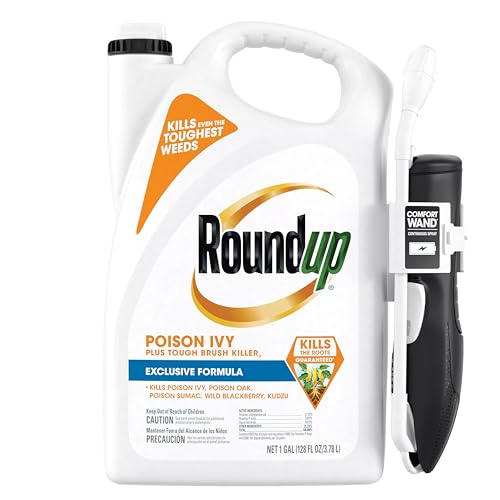
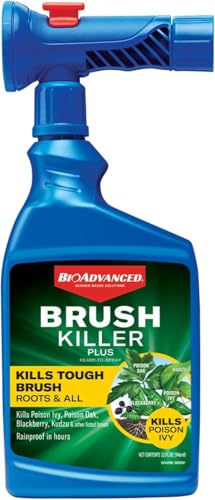
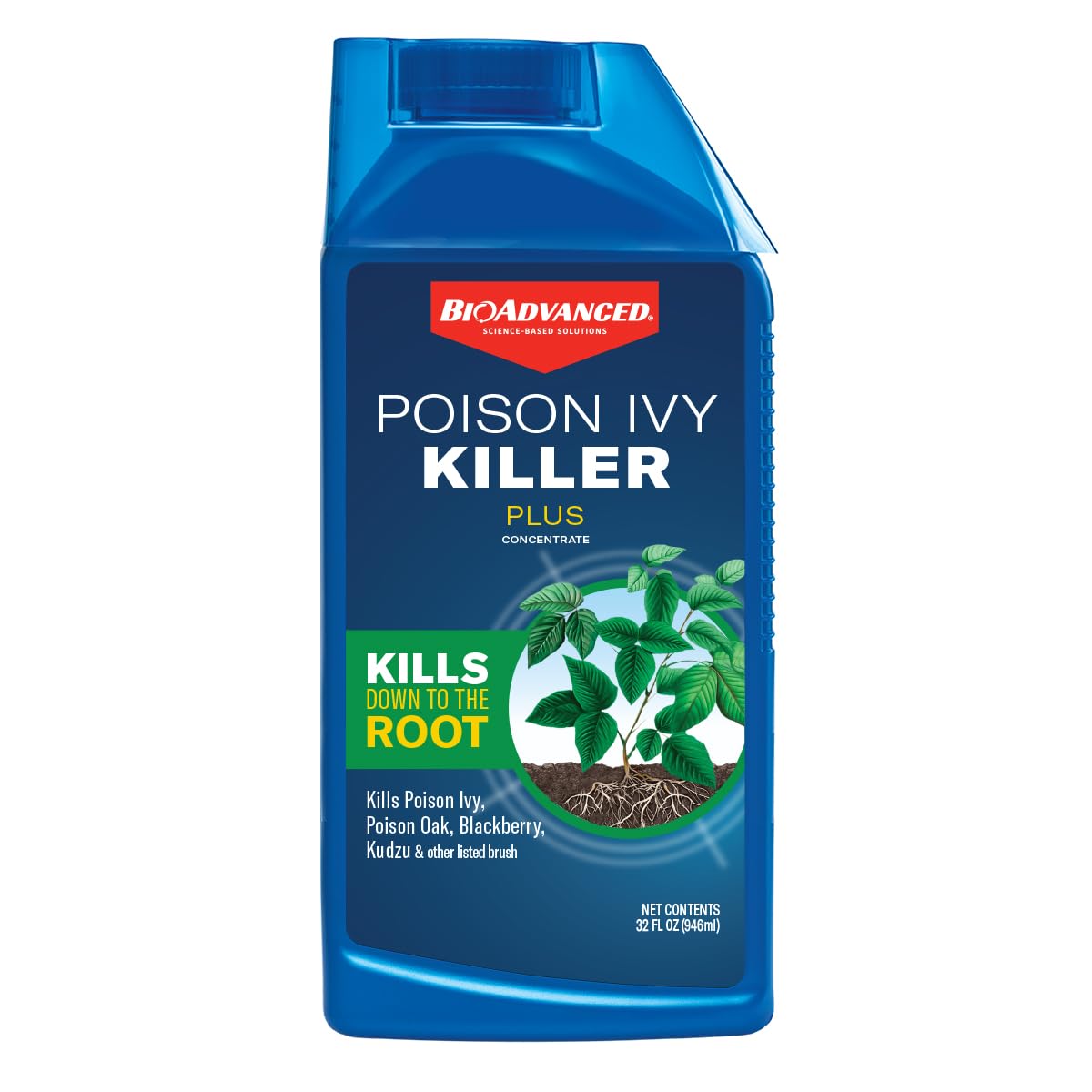


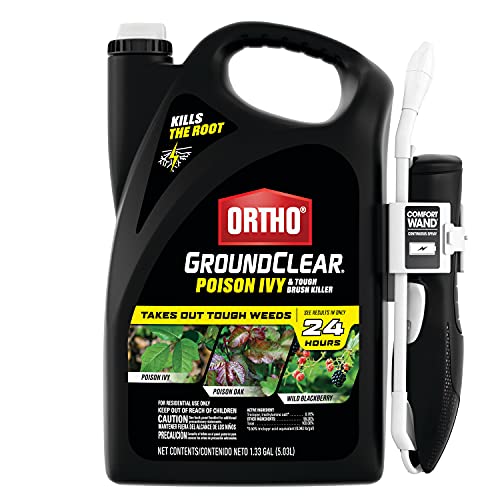
Spending Levels at a Glance
Budget options usually suit a small patch or a single fence run where you can return for a second pass. They often come in smaller containers and work best when the canes are actively growing and you can reach the leaves or cut stems easily.
Mid range options often suit a larger tangle or a patch that has come back after cutting. They may cover more ground per container, offer a sprayer that is easier to aim, or include a formula made for woody stems rather than soft weeds.
Premium options may suit a large or stubborn patch where you want stronger coverage, a longer working window, or a form that clings to leaves. Pay more only when the patch size, the cane thickness, or the need to protect nearby plants makes that extra coverage useful.
How to Choose the Best Blackberry Bush Killers: Buying Guide
Intended Use and Who It Is For
Start by naming the job. A homeowner clearing a small corner needs a different product than a landowner clearing a long fence line, and a gardener protecting nearby roses needs more care than someone clearing a bare bank.
If the patch sits beside a vegetable bed, a lawn, or a prized shrub, choose a form you can aim precisely and keep away from plants you want to keep. If the patch is isolated, a broader spray may save time, but you still need to check the label for plants and areas to avoid.
Size, Weight, and Fit for Your Space
Match the container size to the patch. A small ready to use spray bottle may suit a few canes, while a larger concentrate may suit a long run where mixing and refilling make more sense.
Weight matters when you carry the product up a slope or along a fence. A lighter sprayer is easier to aim, while a heavier tank may tire your arm and lead to uneven coverage, so choose a size you can carry and control for the whole job.
Maintenance and Long Term Costs
Blackberry roots often send up new shoots after the first treatment, so plan for more than one pass. The real cost is the product plus your time, protective gear, and any repeat application the label allows.
Store the product in a dry place away from children and pets, keep the cap tight, and check the label for shelf life. A product that stays usable through the season costs less in practice than a larger container that leaks, clogs, or goes stale.
Safety and Certifications
Read the maker label before first use and follow it exactly, including the listed protective gear, the waiting period before reentry, and the rules for use near water, pets, and children. Labels vary, so do not assume one product follows the same rules as another.
Keep children and pets away from the treated area until the label says it is safe to return. Wash your hands and any exposed skin after use, clean the sprayer as directed, and store the product where children and pets cannot reach it.
Key Performance Specs
For woody canes, the most useful details are the target plants listed on the label, the form of the product, and the way it should be applied. Some products are made for leaf spray, while others are made for cut stem treatment, and using the wrong method can waste product and leave roots alive.
Check the coverage area, the dilution rate for concentrates, and the rain free period the label requires. A product that needs several dry hours may fail if rain arrives soon after spraying, so plan the job around the weather.
Warranty and Customer Support
Most garden chemicals do not carry a performance warranty in the usual sense, so the useful support is clear label guidance, a contact route for questions, and a maker that explains storage, disposal, and cleanup in plain language.
Keep the receipt and the label until the job is done. If a sprayer clogs or a cap leaks, the maker support route is faster when you can name the product form, the batch details, and the problem you saw.
Build Quality and Materials
For sprays, build quality means a trigger or tank sprayer that holds pressure, aims cleanly, and does not drip onto your hands or nearby plants. A sprayer that sputters or leaks makes careful work hard and wastes product.
For concentrates, look for a cap that seals well, a measure that is easy to read, and a container that pours without splashing. These small details matter more than a fancy label when you are working around plants you want to keep.
Types of Blackberry Bush Killers
| Type | Best For | Pros | Cons | Typical Price |
|---|---|---|---|---|
| Leaf spray | Actively growing canes with good leaf cover | Easy to apply over a patch | Can drift onto nearby plants | around $15 to $40 |
| Cut stem treatment | Thick canes near plants you want to keep | Precise and low drift | Slow on a large patch | around $15 to $35 |
| Concentrate | Large patches and repeat passes | Lower cost per area | Needs mixing and measuring | around $25 to $60 |
| Ready to use spray | Small patches and spot work | No mixing needed | Costly per area on large jobs | around $10 to $30 |
Budget Options
Budget options suit a small patch where you can work slowly and return for a second pass if new shoots appear. They often come in smaller ready to use bottles, which keeps the first cost low and the application simple.
Premium Options
Premium options suit a large or dense patch where coverage, a better sprayer, or a formula made for woody stems saves time. They cost more up front, but they may reduce the number of passes on a stubborn tangle.
Mid Range Options
Mid range options suit most home patches, with a balance of coverage, sprayer quality, and price. They often work well for a fence run or a garden corner that needs two careful passes rather than one rushed job.
Compact Options
Compact options suit spot work, such as a few canes beside a path or a small clump at a fence post. A small bottle is easy to store and easy to aim, but it will not cover a long tangle without many refills.
How Leaf Spray Compares With Cut Stem Treatment
Leaf spray covers a patch quickly, which helps when canes are leafy and you can reach them from all sides. It needs calm weather, since wind can carry droplets onto plants you want to keep, and it needs dry leaves for the time the label requires.
Cut stem treatment is slower, since you cut each cane and treat the fresh cut, but it gives you precise control near shrubs, lawns, and garden beds. Many gardeners use both methods, with leaf spray for open patches and cut stem work near valued plants. A guide to best brush killers can help when the patch includes other woody shrubs as well as blackberry canes.
Common Mistakes to Avoid
- Spraying in wind, which can carry the product onto plants you want to keep.
- Treating dormant canes with a leaf spray, which needs active growth to work well.
- Skipping protective gear, even for a short job, which can leave skin or eyes exposed.
- Forgetting a second pass, since blackberry roots often send up new shoots.
- Storing a half used container where children or pets can reach it.
- Pouring leftover mix onto soil or drains instead of following the label disposal rules.
Setup and Care Tips
- Read the manual before first use, including the protective gear, the mixing rate, and the waiting period.
- Clean and inspect regularly, so a clogged nozzle does not cause uneven coverage or drips.
- Store in a dry place, with the cap tight and the label facing out for quick checks.
- Register the product for warranty where the maker offers it, and keep the receipt until the job is done.
- Mark treated canes with a simple tag or note, so you can find the same patch for a second pass.
- Check the patch a few weeks after treatment, and treat new shoots while they are still small.
When the patch sits near a lawn or a bed, a guide to best crabgrass killers may help you separate weed control in grass from woody stem work, since the two jobs need different care. If you plan to replant the area, a guide to best bushes for planters can help you choose shrubs that suit the space once the blackberry roots are under control.
Frequently Asked Questions
Are expensive blackberry bush killers worth it?
Yes, when the patch is large, dense, or close to plants you want to keep, since a better sprayer and a formula made for woody stems can save repeat passes. For a small patch, a budget option used carefully often works just as well, so the extra cost is only worth it when coverage or precision truly matters.
What features matter most when buying blackberry bush killers?
The label target list, the application method, and the sprayer quality matter most, because they decide whether the product fits your patch and your nearby plants. Coverage area, rain free time, and clear storage and disposal guidance also matter, since they affect cost, timing, and safety through the season. Check the label first before you buy.
How much should I spend on a blackberry bush killer?
Most home patches cost about $10 to $60 for the first treatment, depending on patch size and product form. A small ready to use spray suits a few canes, while a concentrate suits a long fence run, and a second pass may add to the total, so budget for repeat work rather than a single bottle.
How do I maintain a blackberry bush killer?
Keep the container sealed, store it in a dry place away from children and pets, and clean the sprayer after each use so nozzles do not clog. Check the label for shelf life, keep the receipt until the job is done, and dispose of leftovers exactly as the label directs rather than pouring them onto soil or drains.
How long does a blackberry bush killer last?
Visible results often take days to weeks, depending on the product form, the weather, and whether canes were actively growing. New shoots can appear from roots after the first pass, so check the patch after a few weeks and treat regrowth while it is small, following the label rules for repeat applications.
Final Thoughts
Choose by patch size, nearby plants, and application method first, then by price. A careful leaf spray suits open patches, cut stem work suits tight spots near valued plants, and a concentrate suits large jobs where repeat passes are likely.
Follow the label, protect yourself and nearby plants, and plan a second check a few weeks later. That steady approach gives a best blackberry bush killer its best chance, and the product table above can help you compare forms before you buy.