
Best Boots for Kilimanjaro: Matching the Right Model to Your Routine for 2026
Disclosure: We may earn a commission when you buy through links on this page, at no extra cost to you. As an Amazon Associate I earn from qualifying purchases. Learn more

Fit, support and waterproofing from rainforest to summit: the best boots for kilimanjaro, by route.
Kilimanjaro asks more of your footwear than almost any other famous trekking peak. In less than a week you climb from warm rainforest trails through moorland and alpine desert to a summit where temperatures drop far below freezing. No single boot suits every climber, route, and season, which is why choosing the best boots for kilimanjaro starts with how you will actually trek, not with a brand name.
This guide works through the decision by use case first. It explains how fit, support, waterproofing, and insulation needs change between the rainforest and the summit. Use the comparison table below to line up the models that fit your plan, then read on for the details a spec sheet cannot tell you.


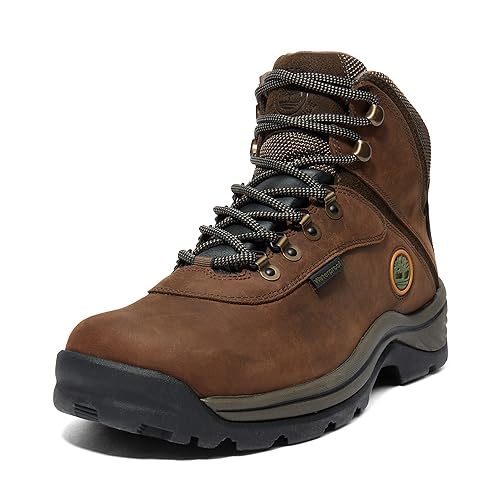


Who Should Buy Which Boots for Kilimanjaro?
Your route, your season, and your plans after the climb shape the right choice more than any single feature. A climber on the shorter Marangu route in the dry season needs something different from a climber spending eight days on Lemosho during the rains. If you are still weighing the climb itself, see our guide to the best boots to climb kilimanjaro for a route by route overview.
Climbers on Long Routes With Six to Eight Days of Walking
Routes like Lemosho, Machame, and the Northern Circuit keep you walking for six to eight days, often six or more hours a day. Over that distance, small fit problems become blisters and tired feet, so comfort and cushioning matter as much as toughness. Look for a mid height or high cut boot with a roomy fit, a cushioned midsole, and enough ankle support for uneven descents. Weight matters too, because every extra ounce is lifted thousands of times a day.
Climbers Expecting Rain, Mud, and a Freezing Summit Night
If you climb in the rainy seasons, plan for wet rainforest mud at the start and bitter cold on summit night. Waterproof boots with a reliable membrane keep your feet dry through the forest and the moorland above it. You also need room for thick summit socks, plus insulation that keeps toes warm during the slow, dark summit hours. A stiffer sole helps too, because frozen scree is hard, uneven ground.
Experienced Trekkers Who Will Use the Boots Again
Trekkers who climb regularly, guide, or plan more big mountains after Kilimanjaro get more from a durable boot built to be resoled. Full leather or reinforced synthetic uppers stand up to volcanic rock and repeated cleaning, and a replaceable sole stretches the value of a higher price over many seasons. Warranty support and easy to find replacement laces and insoles matter more to you as well. If the boot will live in your gear closet for years, build quality should outrank a small saving today.
Key Features to Compare
With your use case clear, compare boots on the factors below. Each one changes how the boot feels on a specific part of the mountain, so judge them against the zones you will cross rather than in the abstract. Put simply, the best boots for kilimanjaro for you are the ones built around your route, your season, and your feet. For a broader look at boot categories before you compare details, see our guide to the best hiking boots for kilimanjaro.
Fit, Sizing, and Toe Box
Fit decides more Kilimanjaro climbs than any membrane or brand. Feet swell at altitude and over long days, so try boots on in the afternoon, wearing the socks you plan to trek in. Aim for a thumb width of space in front of your toes, because descents push your feet forward, and jammed toes on the long summit descent cause blackened nails and pain. The heel should stay planted as you walk, with no lifting or sliding. A generous toe box lets your toes spread on flat ground and stops them crowding on steep sections. If you are between sizes, take the larger one and adjust the volume with socks or an insole.
Women often find that a boot built on a women's last fits better than a smaller men's boot, because the heel is narrower and the volume lower through the midfoot. If standard unisex sizing leaves your heel swimming, see our guide to the best women's hiking boots for kilimanjaro for more on those differences.
Cushioning, Support, and Stability
Support on Kilimanjaro is about control over long days, not stiffness for its own sake. A cushioned midsole absorbs the impact of thousands of steps on rock and packed earth, while a stable platform keeps ankles from rolling on loose alpine desert stones. Heel to toe drop, the height difference between heel and forefoot, changes how your calves and Achilles work; a moderate drop suits most trekkers, while a very low drop can strain calves that are not used to it. Good arch support matters more as the week goes on, because tired arches ache badly on the long summit descent.
Waterproofing, Gore Tex, and Other Membranes
A waterproof membrane such as Gore Tex keeps rain, wet grass, and muddy rainforest trails from soaking your socks, and dry feet blister far less than wet ones. The trade off is breathability, because the same membrane that blocks water also slows the escape of sweat on warm lower slopes. For most climbers the balance is worth it, since mornings stay wet even in the dry season. If you climb in the driest months and run hot, a breathable boot without a membrane can work, but pack gaiters and spare socks. Waterproof boots still flood if water pours over the collar, so add gaiters or waterproof pants in heavy rain.
Features That Matter Most on Kilimanjaro Itself
Kilimanjaro adds demands that a normal hill walk does not. The mountain rises to 19,341 feet, so boots must work in thin air, where tired feet stumble easily. A moderately stiff outsole with deep lugs grips loose volcanic scree, holds an edge on scrambles like the Barranco Wall, and shields feet from sharp rock. The boot also needs enough insulation for a summit push that starts around midnight in sub zero wind, yet it cannot cook your feet in the rainforest two days earlier. Finally, check that the toe and heel carry protective randing, because volcanic rock chews soft uppers quickly.
Upper Materials and Breathability
Leather uppers shrug off rock, mud, and repeated brushing clean, and they usually last the longest, but they are heavier and take longer to break in. Synthetic and mesh uppers are lighter and more breathable, dry faster after a soaking, and feel comfortable sooner, though mesh panels wear faster against abrasive volcanic dust. Fine volcanic dust also works into fabrics and stitching over a week of walking. Choose leather or reinforced uppers for durability across many trips, and lighter mixed uppers if low weight and quick drying matter most for a single climb.
Breaking In and Testing Your Boots Before the Trip
Never fly to Tanzania with new boots. Wear your boots on every training walk for at least a month, building up to full days with a loaded pack on hills, because that is what reveals hot spots while you can still change socks, lacing, or insoles. Aim for at least 50 to 75 miles in them before the trip, including one long descent, since descents are where toe and heel problems show up. If a spot still rubs after a gradual break in, deal with it at home with tape, different socks, or a boot fitter.
On the mountain, tell your guide at once about a severe headache, vomiting, confusion, or trouble walking in a straight line, because those are warning signs of serious altitude illness that need descent rather than rest. Before the trip, talk with your doctor about your personal health, fitness, and any medicines, especially if you have heart, lung, or circulation conditions.
Common Mistakes to Avoid When Buying Boots for Kilimanjaro
Most boot problems on Kilimanjaro start in the shop, not on the mountain. Watch for these errors.
- Buying boots the week before the climb, so the first long day happens at altitude with no chance to fix a bad fit.
- Choosing by price alone and ending up with a soft shoe that flexes and twists on frozen summit scree.
- Sizing for your street shoes, then losing toenails on the long descent because your toes slam the front of the boot.
- Skipping waterproofing for a rainy season climb, which leaves socks soaked from day one and blisters close behind.
- Forgetting gaiters and spare socks, so dust and grit get inside the boot and grind against your skin for days.
How to Make Your Kilimanjaro Boots Last Longer
Kilimanjaro dust and mud shorten a boot's life if they stay in the leather and stitching. Back home, brush off dried mud, wash the uppers with lukewarm water and a soft brush, and pull the insoles out so everything can dry. Air dry wet boots away from direct heat, because radiators and open fires can crack leather and melt glues; stuffing them with newspaper speeds drying and holds the shape. Once dry, treat leather with the conditioner or proofing the maker recommends, so it stays supple and water resistant. Store boots unbuckled in a cool, dry place, and check laces and sole edges before your next trip.
During the climb itself, shake dust out of your boots each evening and loosen the laces fully, so damp liners can air overnight in your tent. That small habit slows odor and means you start each morning in a drier boot.
Frequently Asked Questions
What Features Matter Most in Boots for Kilimanjaro?
Ankle support, a roomy fit, and reliable waterproofing matter most for most climbers. What many buyers miss is that the ranking shifts with the season. In the rainy months waterproofing jumps to first place, while in dry months fit and grip on scree matter more. If you can spend extra on only one thing, spend it on the feature your season stresses most.
How Should Boots for Kilimanjaro Fit When You Test Them in the Shop?
Boots for Kilimanjaro should feel roomy in the toes, settled at the heel, and free of pressure points the moment you try them on. Use the kick test before you buy: with the boots laced, kick a wall or a step firmly. Your toes should not slam into the front; if they do, go up a size or try a longer last. Also walk down the shop ramp if there is one, since it predicts descent behavior better than flat floors.
How Often Should You Replace Boots Used for Kilimanjaro and Other Treks?
Replace trekking boots when the midsole feels flat and your feet ache after walks that used to feel easy, often after about 500 to 800 miles. One cheaper fix comes first: the factory insole usually packs down long before the boot itself wears out, so a fresh insole can restore comfort for another season. Also retire a boot before a big climb if the lugs are worn smooth at the heel, because worn lugs slip on wet rock and scree.
Are Expensive Boots for Kilimanjaro Worth the Extra Cost?
Expensive boots are worth it when you will trek again, because the extra money buys stronger uppers, better membranes, and construction that can often be resoled. For a single climb with no future treks planned, a mid priced boot at about $150 usually serves just as well, and even premium choices stay under $250. Renting a quality pair near the mountain is another sensible route that many one time climbers overlook.
Can You Wear Boots for Kilimanjaro All Day, From Trail to Camp?
You can wear them all day on the trail, but your feet will thank you for taking them off in camp. Carry light camp shoes or sandals so your boots can air and your feet can move freely each evening. Changing into dry sleep socks at camp is another small habit that keeps skin healthy across a week of walking. If your feet still feel beaten up each morning, the fit or cushioning is wrong for the distance.
Final Thoughts
The right choice comes down to three things: a fit that leaves room for swelling and thick socks, support and grip that stay steady on scree and long descents, and waterproofing matched to your season. Match those to your route and your plans, then use the product table above to compare models. Chosen that way, the best boots for kilimanjaro are simply the pair you stop noticing by day two. Take your time in the shop, train in the boots for a month, and your feet will carry you to the roof of Africa.


