
Best Boots for Hourglass Figure in 2026: Types Compared and How to Choose
Disclosure: We may earn a commission when you buy through links on this page, at no extra cost to you. As an Amazon Associate I earn from qualifying purchases. Learn more
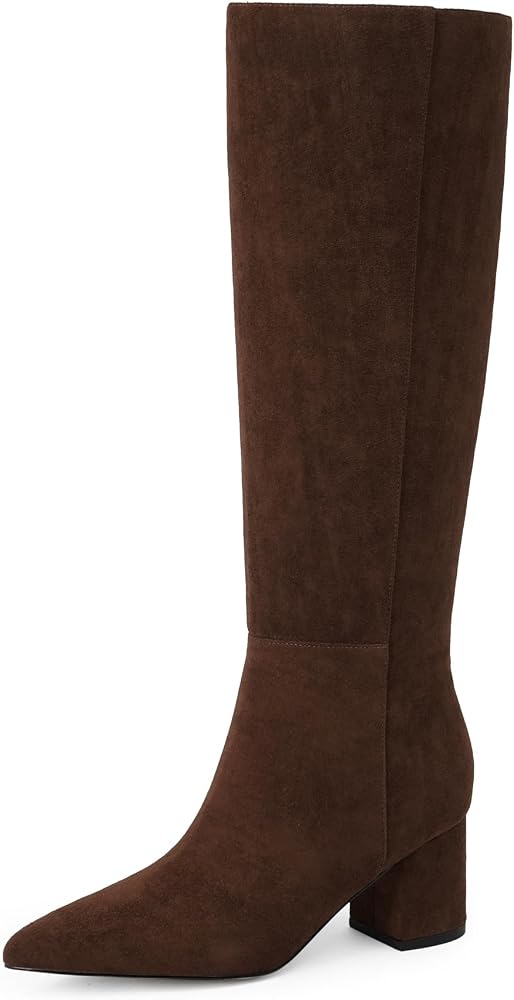
Shaft height, calf fit and heel shape that balance curves: the best boots for hourglass figure styling.
An hourglass figure has a defined waist with bust and hips in balance, and the right boots protect that balance instead of fighting it. The best boots for hourglass figure styling keep the leg line long, respect a fuller calf, and echo your curves without adding bulk in one place. Use the comparison table below to match each type to your wardrobe.
Your main choices are shaft height, heel shape, toe shape and calf fit. A boot that ends at the wrong point on your calf can shorten your legs on sight, while a well placed top edge and a clean toe can lengthen them.
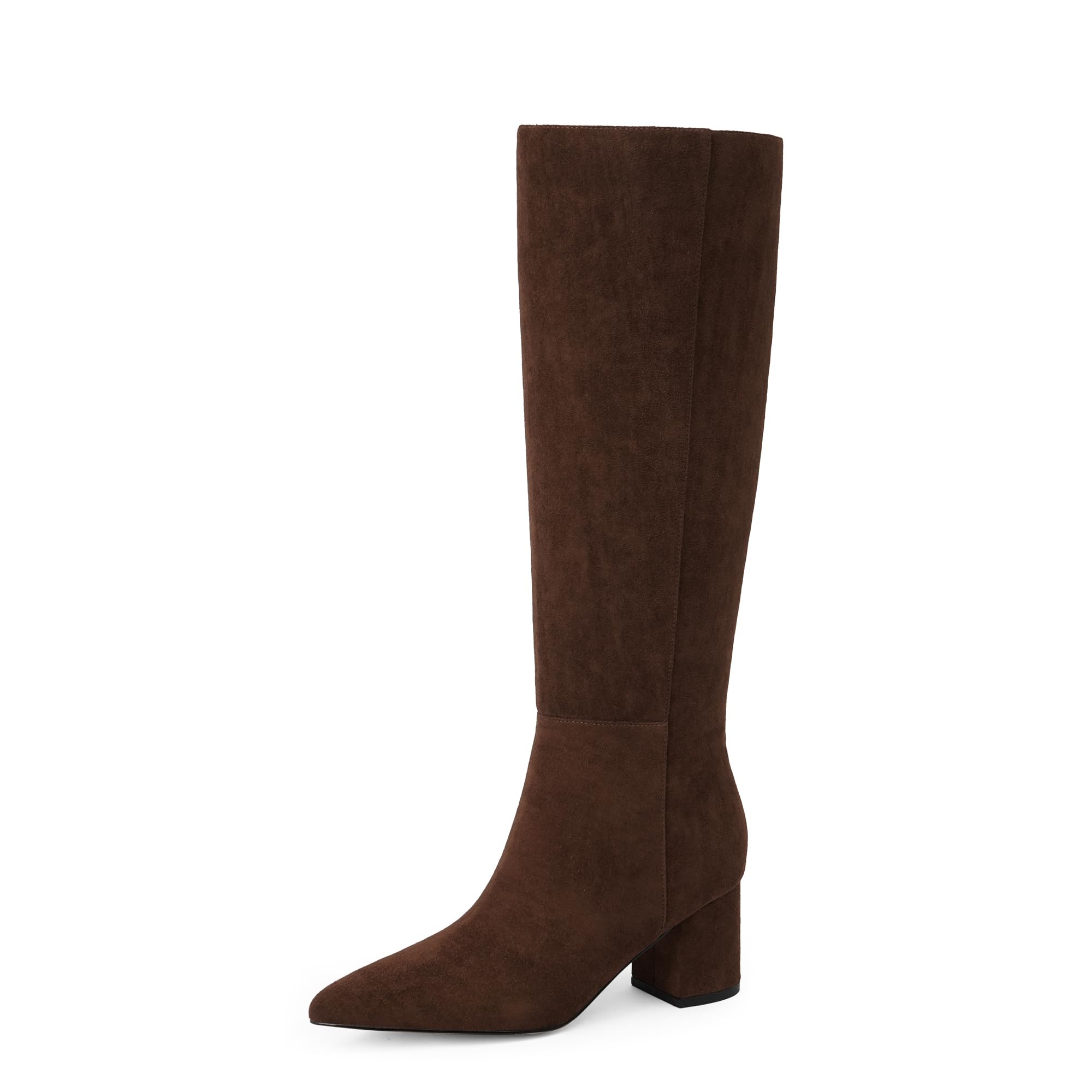
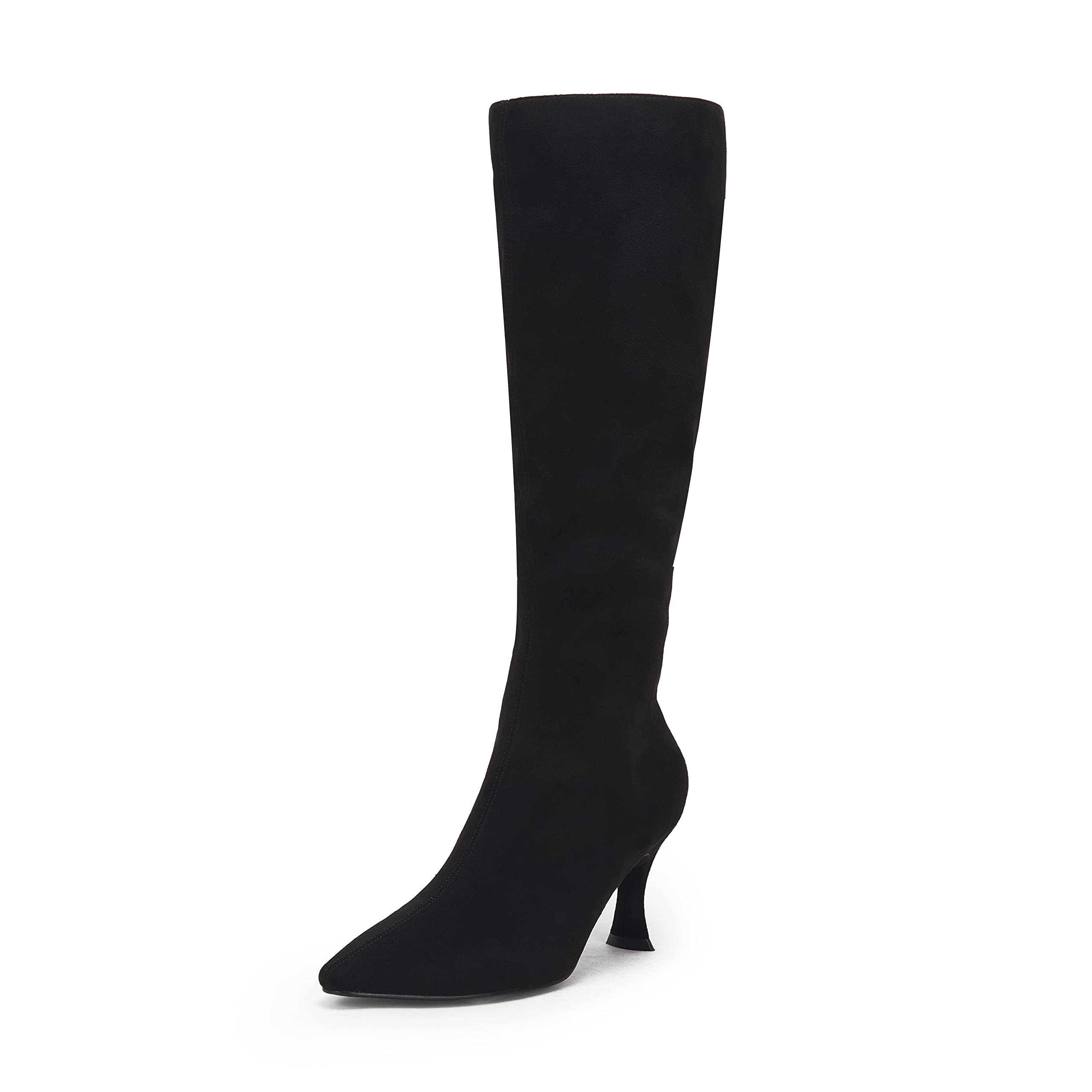


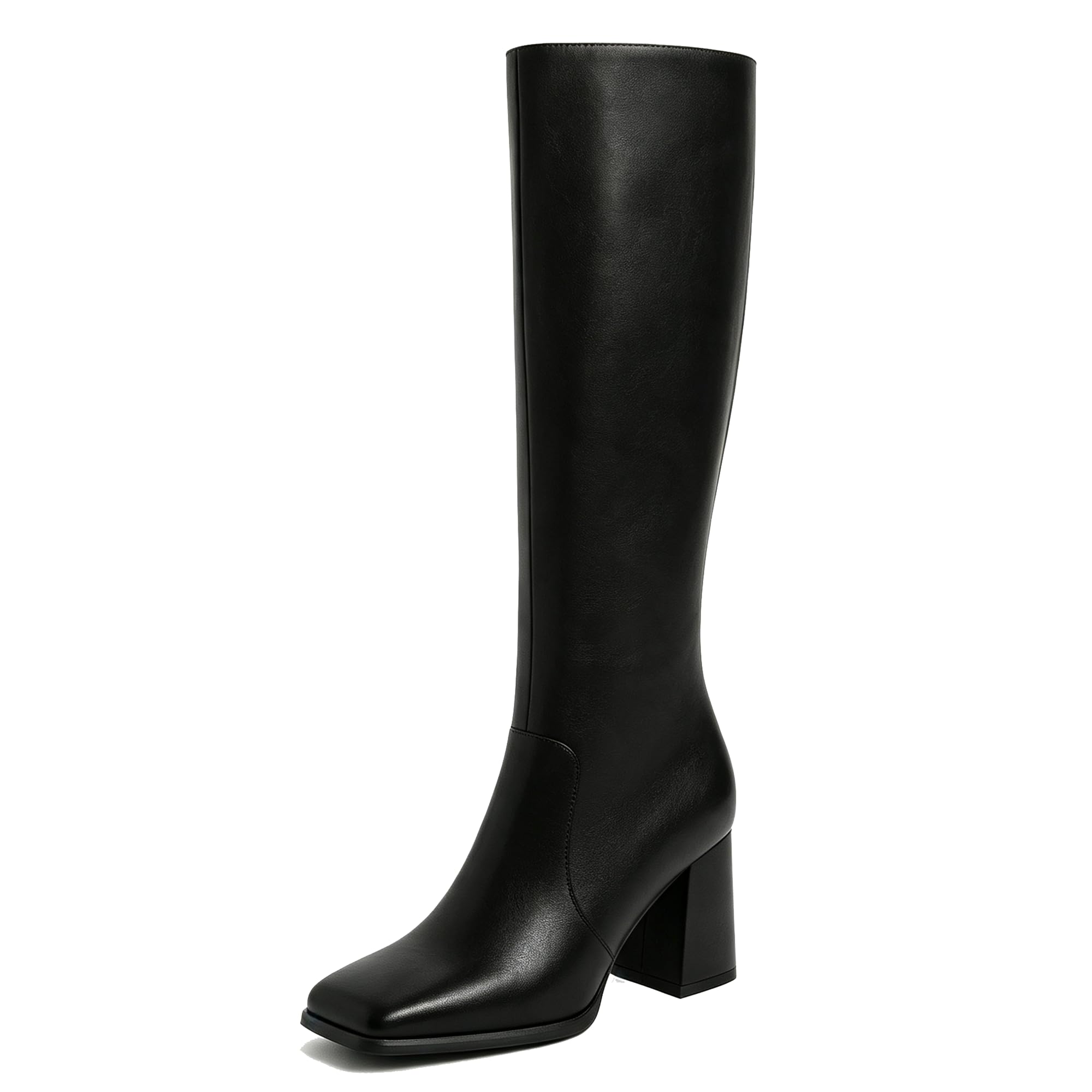


Types of Boots Compared for an Hourglass Figure
Each type below changes your proportions in a different way. Note the best use, the drawback and the typical price before you decide which type deserves your budget.
Knee High Boots
A knee high boot ends just below the knee, above the widest part of your calf. That placement gives you one long, clean line from hip to toe, so dresses and skirts keep their balance and your waist stays the focal point. Structured leather holds its shape, while stretch panels help the shaft follow fuller calves. Most pairs cost about $120 to $300. Choose this type for work and dress wear.
Over the Knee Boots
An over the knee boot ends on the lower thigh, which stretches the leg line further than any other type. The tall shaft suits shorter hems because it fills the gap between hem and boot, and a fitted stretch back stops the top from sliding down. The drawback is heat and a strong effect that can dominate a simple outfit. Most pairs cost about $150 to $350. Choose this type for evening looks and cold days.
Ankle Boots
An ankle boot ends at or just above the ankle bone, so it pairs easily with cropped pants, straight jeans and midi dresses. A pointed or almond toe extends the line of your foot and offsets the short shaft, while a low block heel keeps the look grounded. Avoid a loose shaft that flares at the ankle, because that gap adds width at the narrowest part of your leg. Most pairs cost about $80 to $200.
Mid Calf Boots
A mid calf boot ends near the widest part of your calf, which makes it the hardest type to fit. It can work for you when the shaft is close fitting, stretchy or adjustable with laces, because a close fit follows your curve instead of cutting across it. Pair it with pants or tights in a similar color so the top edge does not split your leg into blocks. Most pairs cost about $100 to $250.
Ankle Boots vs Knee High Boots: Which Should You Choose?
Compare these two types on leg line first. A knee high boot lengthens the leg under skirts and dresses, while an ankle boot leaves more leg visible and works better under cropped pants. The tall shaft covers the calf and smooths its outline, while the ankle boot draws the eye to your ankle. The ankle boot feels lighter and cooler, while the tall boot gives more warmth. Choose by the outfits you wear most.
How to Choose the Right Boots for an Hourglass Figure
When you shop for the best boots for hourglass figure options, work through shaft, calf, heel, toe and material in that order. Each factor below explains what to check and which option suits which need.
Shaft Height and Where the Top Edge Lands
The top edge of the shaft is the strongest line a boot draws on your body, so place it with care. An edge that ends just below the knee or above the knee flatters most hourglass legs, because it avoids the widest point of the calf. An edge that stops at that widest point makes the calf look wider and the leg look shorter. Check the edge while you stand and while you sit, because the shaft shifts when your knee bends.
Calf Fit, Stretch and Adjustability
Measure around the widest part of your calf in the afternoon, when your legs are at their fullest, and compare that number with the shaft size in the listing. Standard shafts often run about 14 to 15 inches around, while wide calf versions often run about 16 to 18 inches. Stretch panels, elastic backs and lace up shafts give you room without a loose gap at the top. A good fit closes smoothly and does not pinch when you climb stairs.
Heel Height and Heel Shape
A heel lifts your posture and lengthens the leg, but shape matters as much as height for your figure. A block heel or a wedge heel spreads your weight, feels stable under curvier hips, and suits long days at about 1 to 3 inches high. A thin stiletto heel gives the longest, dressiest line, but it tires your feet faster and suits shorter wear. Keep the heel centered under your heel bone, because a heel set too far back feels unsteady.
Toe Shape, Fit and Toe Box
Toe shape changes how long your foot and leg appear. A pointed toe adds the most visual length, an almond toe gives a softer version of the same effect, and a round toe looks casual and gives your toes more room. The toe box should let your toes lie flat, with about half an inch in front of your longest toe.
Upper Materials, Structure and Breathability
Smooth leather holds a clean shaft shape, supports the ankle and lasts for years with basic care, but it needs a short period of softening at first. Suede looks softer and suits dress outfits, yet it marks easily in rain and needs a protective spray. Stretch fabric uppers forgive fuller calves and feel light, but they offer less structure. For wet weather, look for sealed seams and a breathable lining, because a lining that traps heat makes a tall shaft uncomfortable indoors.
Common Mistakes to Avoid
These errors are common with curvy legs, and each one costs you proportion or comfort.
- Choosing a shaft that ends at the widest part of your calf makes your legs look shorter and your calves look wider.
- Buying a standard calf size without measuring leaves you with a zip that will not close or a top edge that digs in.
- Wearing a wide strap around your ankle cuts the leg line and draws attention away from your waist.
- Pairing a pale boot with dark pants splits your outfit into blocks and breaks the long line you want.
- Wearing tall thin heels for a full day of walking leaves your feet aching and your posture slumped by evening.
Care and Maintenance for Your Boots
Wipe leather boots with a soft dry cloth after wear and use a conditioner made for leather about once a month in season, because dry leather cracks at the ankle crease first. Brush suede with a suede brush and refresh its spray after cleaning. Let wet boots air dry at room temperature away from direct heat, with paper in the toes to hold the shape.
Rotate two pairs if you wear boots daily, because a rest day lets the cushioning and lining dry fully. Store tall boots upright with boot shapers inside the shafts so they do not fold at the ankle. Replace worn heel tips and outsoles promptly, because a worn heel changes your gait.
FAQ
What features matter most in boots for an hourglass figure?
Shaft placement, calf fit and heel shape matter most in boots for an hourglass figure. Start with a top edge that avoids the widest part of your calf, then confirm the shaft closes without pinching. Check your profile in a full length mirror from the side as well as the front, because a boot that flatters from the front can still add bulk at the back of the calf.
Can I wear boots for an hourglass figure all day?
Yes, you can wear boots for an hourglass figure all day if the heel stays at about 1 to 3 inches and the shape spreads your weight. A block heel or wedge heel, a cushioned insole and room to wiggle your toes make the difference. Swap in a removable insole with more arch support on days when you stand on hard floors for hours.
How should boots fit on the calf and foot for an hourglass figure?
Boots for an hourglass figure should fit close on the calf without squeezing, with enough room in the foot for your toes to stay flat. Measure both calves and size for the larger one, because most people have one calf slightly bigger than the other. The zip should close over your usual socks or tights without catching skin.
Do I need waterproof boots for an hourglass figure wardrobe?
You need waterproof boots only if you walk often in rain or snow. A waterproof membrane keeps a tall shaft dry, but it adds warmth that can feel heavy indoors. Test any protective spray on a hidden spot first, because sprays can darken suede. For occasional showers, treated leather and a quick wipe on arrival usually protect a fashion pair well enough.
How long is the break in period for new leather boots?
The break in period for new leather boots is usually about one to two weeks of regular short wear. Wear them indoors or on short walks first, with thicker socks, so the leather softens at the ankle and toe creases before a long day tests it. Never soak new boots to speed the process, because water weakens the glue and the lining.
Final Thoughts
Start with shaft placement, then calf fit, then heel shape, and most other choices become simple. Knee high boots give you the safest long line, ankle boots give you daily ease with pants, and a fitted tall pair adds variety once your basics are covered. Use the product table above to compare shaft sizes, heel heights and prices.
When you choose best boots for hourglass figure pairs with those three checks in mind, your boots will support your waist, lengthen your legs and stay comfortable through the day.


