Best Boots for High Instep: A Fit and Buying Guide for 2026
Disclosure: We may earn a commission when you buy through links on this page, at no extra cost to you. As an Amazon Associate I earn from qualifying purchases. Learn more

Instep volume, lacing and toe room explained: the best boots for high instep, with a fit checklist.
A high instep means the top middle part of your foot sits higher and takes up more volume than average, so a boot that fits your length can still press hard across the top of your foot. That pressure is the main problem to solve when you shop for best boots for high instep, along with numb toes and a heel that lifts because you loosened the laces to get relief.
This guide gives you a clear checklist for volume, lacing, toe box room, cushioning, and waterproofing, so you can judge a pair on fit facts instead of guesswork. Use the comparison table below to compare shaft height, closure type, and weight before you order.
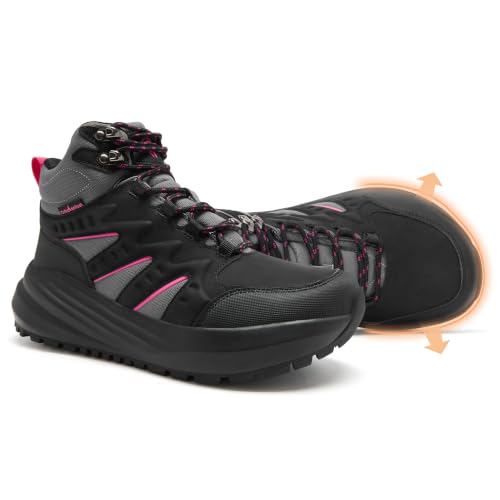
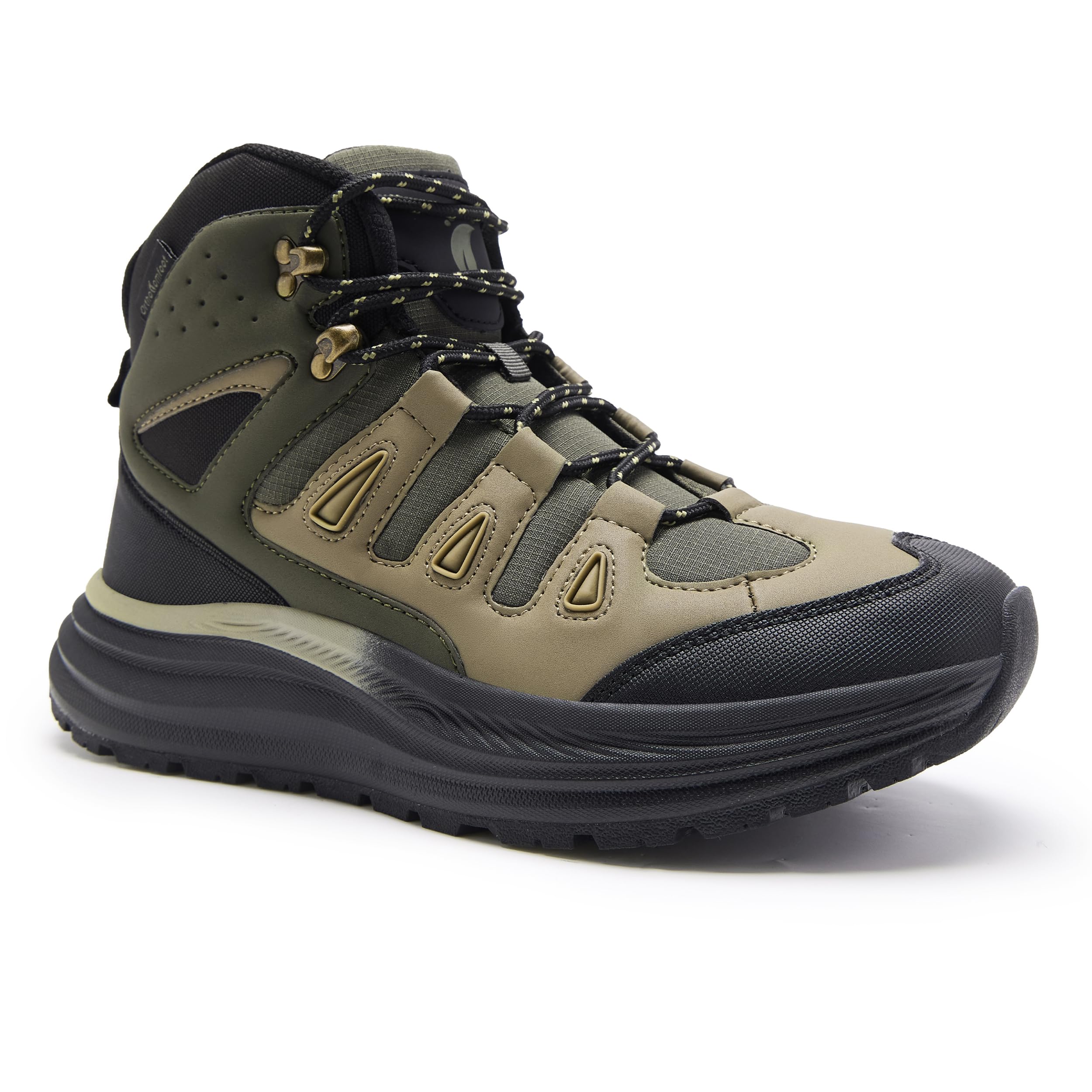


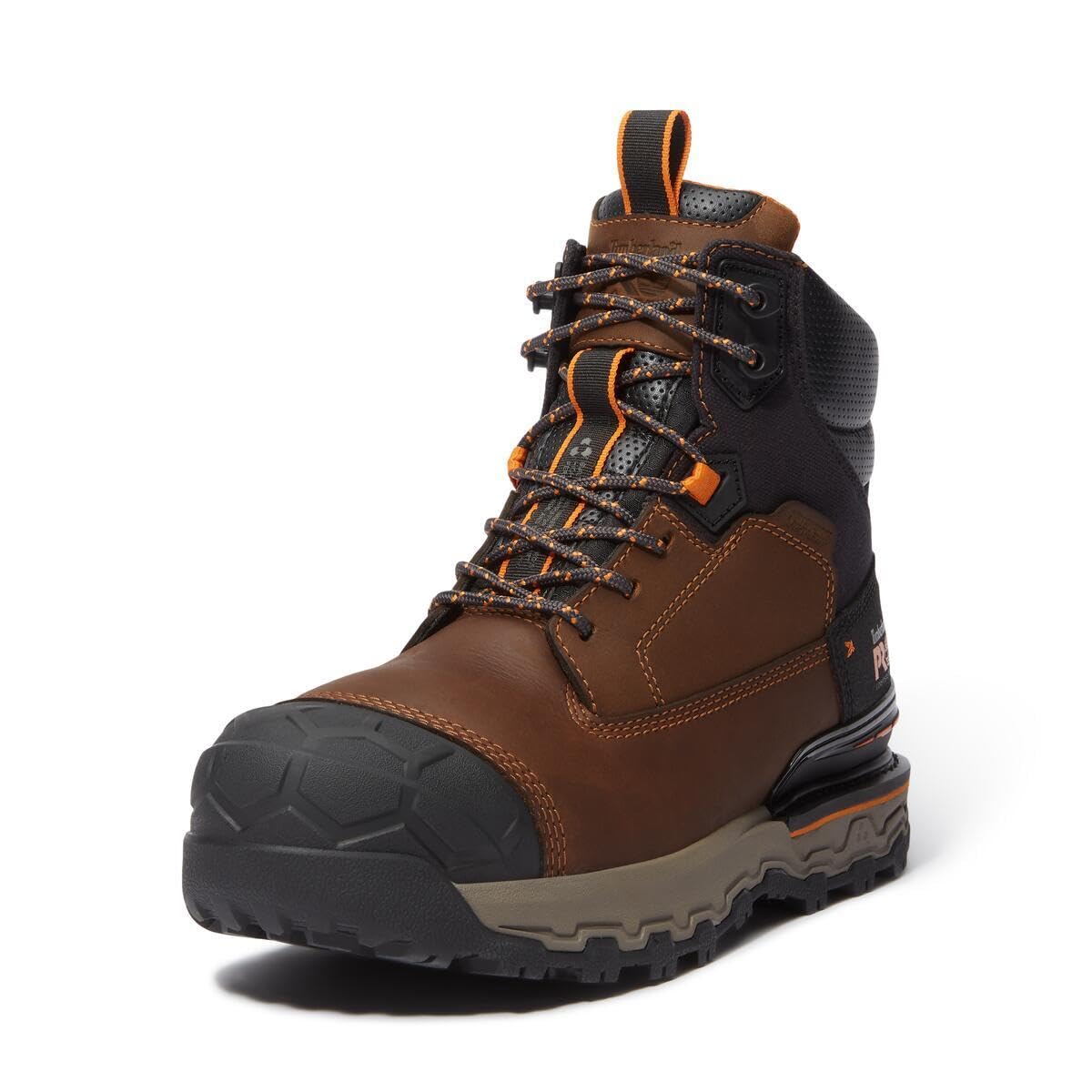
Key Features to Compare for a High Instep
A standard boot is built around an average foot volume, and your foot needs more room above the arch without extra length at the toes. The factors below explain where that room comes from.
Features That Matter Most for a High Instep
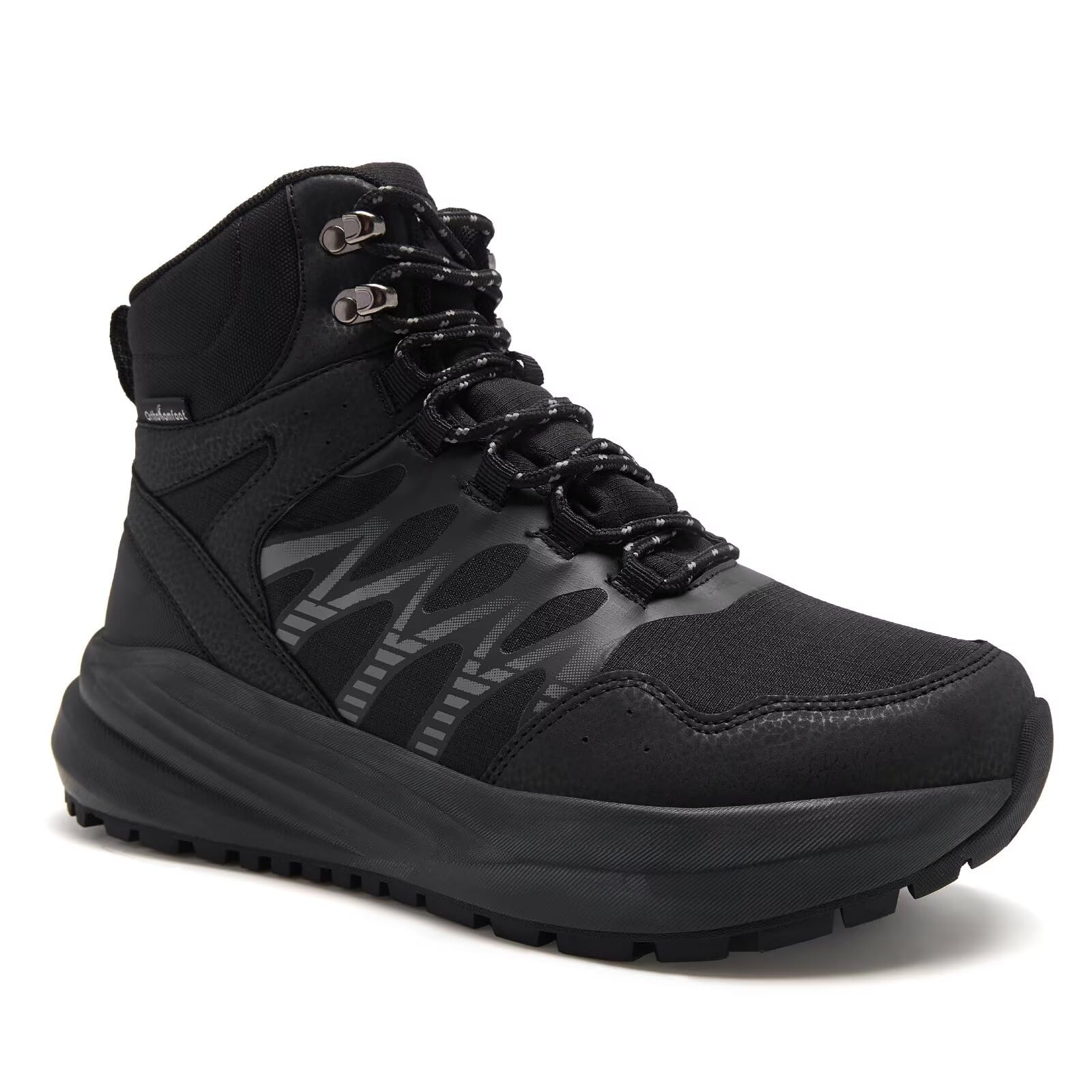
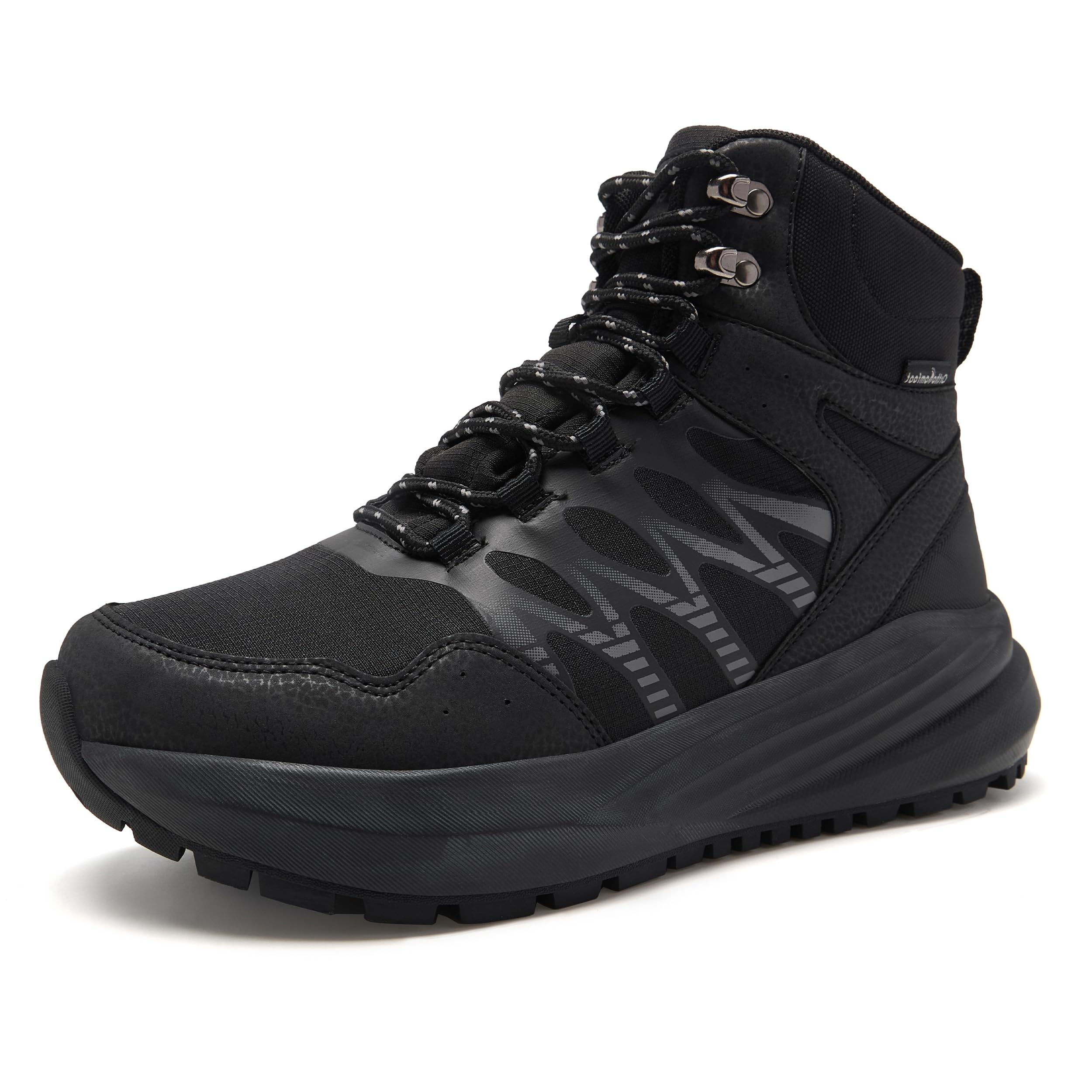
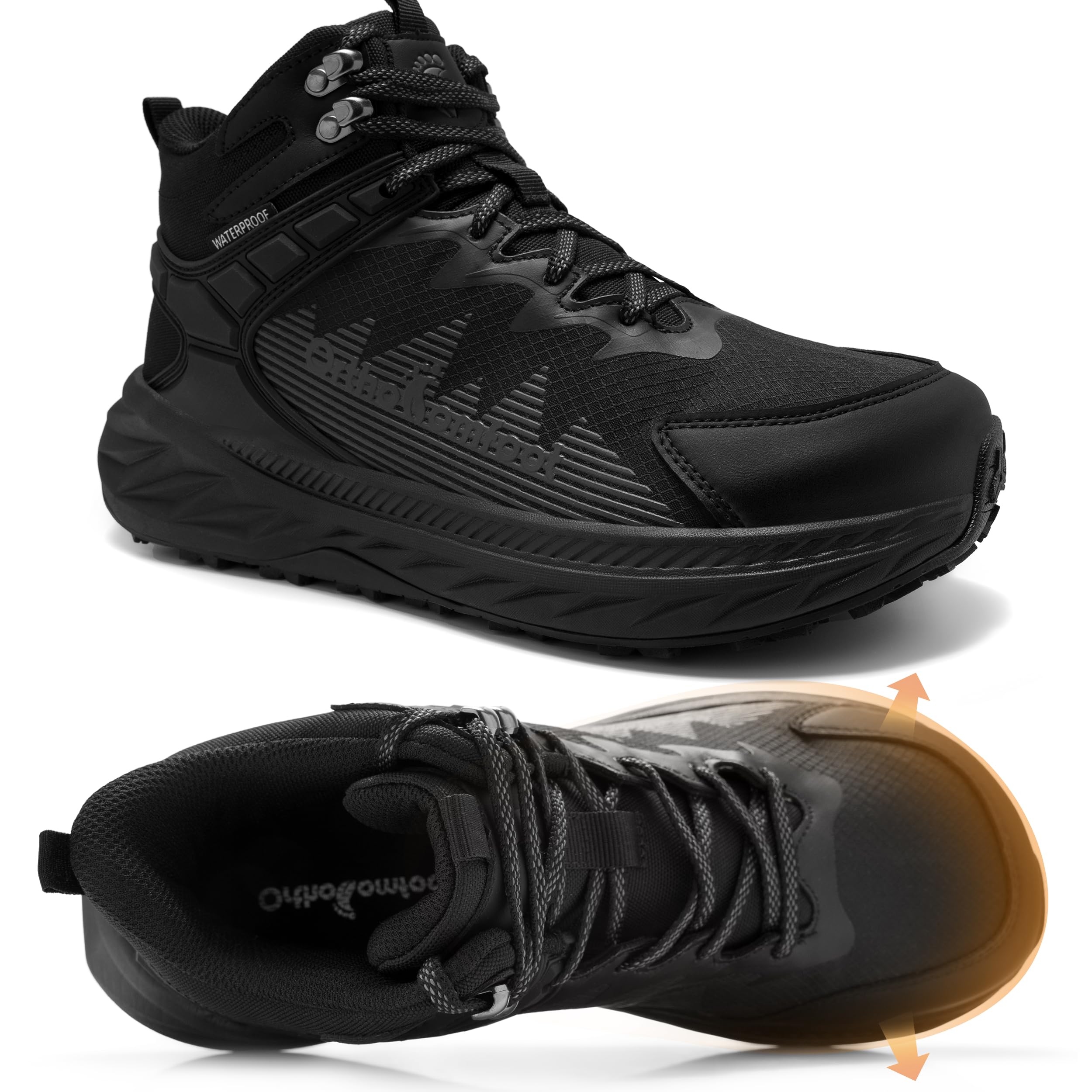
Volume matters more than width alone. A wide boot adds room side to side, but a high instep needs height over the midfoot, which makers describe as instep volume, last volume, or extra depth. Look for a taller tongue area, a gusset that opens wide, and laces that start farther from the ankle so the opening can expand. A padded tongue spreads lace pressure over a larger area instead of letting each row dig into your foot.
Fit, Sizing, and Toe Box
Measure both feet late in the day, when they are at their largest, wearing the socks you plan to use. Check length, width, and instep height by wrapping a soft tape over the highest point of your midfoot. In the boot, you want about a thumb width of space in front of your longest toe, toes that can spread, and no sharp pressure on top when the laces are snug. If length is right but the top feels crushed, choose a higher volume style rather than a full size up, which often adds heel slip.
Outsole Traction and Terrain
The outsole decides how secure the boot feels on wet pavement, mud, gravel, and workplace floors. Deeper lugs, often around 4 to 5 mm, grip soft ground and shed mud better, while shallower, broader lugs feel steadier on concrete and indoor floors. Rubber that stays flexible in cold weather keeps more of the sole in contact with the ground. Match the tread to your main surface first, since a trail tread worn on pavement wears down faster, and a smooth street sole can slide on loose trails.
Waterproofing With Gore Tex and Other Membranes
A waterproof membrane such as Gore Tex keeps rain and slush out while letting some sweat vapor escape, and that balance is the main trade off to understand. Breathability drops when the outer material is soaked or the weather is warm, so ventilation matters as much as the membrane itself. Choose full waterproofing for wet commutes, snow, and muddy work, and a more breathable build for dry climates. Water can still enter over the top of the shaft, so shaft height and a gusseted tongue matter on wet days.
Cushioning and Support
Cushioning under the heel and forefoot absorbs impact, while stability features help your foot stay aligned on uneven ground. A firmer midsole with a supportive shank suits long shifts and heavier loads, and a softer midsole feels kinder for light daily walking. Heel to toe drop, the difference in height between heel and forefoot, also changes the feel, with a moderate drop easing pressure on the Achilles for some wearers. A high instep often comes with a higher arch, while a flatter foot may need more stability, and removable insoles let you swap in a thinner or more supportive option. If you use custom orthotics, bring them to every fitting.
Break In Period and Comfort Out of the Box
Leather boots often need a gradual break in period as the upper softens and shapes itself around your instep, and that should feel like mild stiffness, never pain or numbness. Synthetic and fabric uppers feel softer right away but offer less long term shaping. Wear new boots at home first, then on short walks, and check the top of your foot for red marks after each session. Deep lace marks or tingling within twenty minutes means the volume is wrong, and more break in time rarely fixes that.
Buying Guidance by How You Will Wear Your Boots
The product table above is a useful starting point, but the right choice depends on your day. The groups below weight the factors in the order that matters for three common kinds of wearers.
Daily Walkers and Commuters
If you walk to work, ride transit, and stay in your boots all day, comfort over the instep and easy entry matter most. Look for a lace up design with many eyelets, since more lacing points let you loosen the middle rows over your instep while keeping the ankle rows firm for heel hold. Lightweight shoes and lighter boot builds reduce fatigue on pavement, and moderate cushioning keeps the ride comfortable without feeling unstable.
Workers Who Stand All Day
Standing on hard floors swells your feet as the shift goes on, so a boot that feels fine in the morning can feel tight by mid afternoon. Choose extra depth, a roomy toe box, and laces you can adjust quickly during a break. Stability matters more than softness alone, since a stable base with firm cushioning supports your arches through long static periods. If your job needs a safety toe, check that the cap does not reduce the height over your toes, and try boots on with work socks late in the day.
Hikers and Outdoor Wearers
On trails, your foot swells with miles and heat, and descents push your toes forward, so volume and heel hold must work together. A secure heel cup, a tongue that stays centered, and lacing that locks the ankle while leaving the midfoot looser are the details to look for. Traction and waterproofing rise in importance here, and a stiffer shank helps on rocky ground. Back at camp, sandals and recovery footwear give swollen feet a rest.
Quick Buyer Checklist
Run through these questions before you order, and treat two or more no answers as a sign to keep looking, because a pair that fails here is unlikely to be the best boots for high instep for your feet.
- Does the page state the instep volume or extra depth in clear terms?
- Can the laces open wide enough for your foot to enter easily?
- Is the tongue padded and gusseted, so it spreads pressure and keeps out grit?
- Does the toe box give your toes height as well as width?
- Is the insole removable, so you can adjust volume or add support?
- Does the outsole tread match the surface you walk on most days?
- Is the return policy long enough for indoor wear tests at home?
Red Flags to Watch For
Some listing problems predict a poor fit before the boots even arrive. Watch for these signs while you compare options in the product table above.
- The page gives no volume or depth information, so you cannot judge the fit factor that matters most to you.
- The closure is a fixed elastic panel with no laces, so there is no way to adjust pressure over your instep.
- Sizing advice tells every buyer to size up, which usually means the last runs low in volume.
- Reviews mention numbness or lace pressure on top of the foot again and again, a pattern that points to a shallow fit.
- The return terms are vague or very short, which leaves you stuck if the volume is wrong.
Boots for Specific Needs
Two popular styles change the fit equation in different ways. Cold weather adds insulation that eats into volume, while western styling removes laces altogether.
Best Winter Boots for High Instep: What to Check
When you shop for best winter boots for high instep, remember that thick insulation takes up the very space your foot needs, so look for a higher volume last and try boots on with your thickest winter socks. A waterproof membrane, a taller shaft for deep snow, and lugs that stay grippy in cold weather are the winter specific factors. If you also ski, note that rigid ski shells fit very differently, so see our guide to the best ski boots for high instep for that separate process. Snowboard boots sit between the two, with softer flex and moldable liners, and you can see our guide to the best snowboard boots for high instep for liner details.
Best Western Boots for High Instep: What to Check
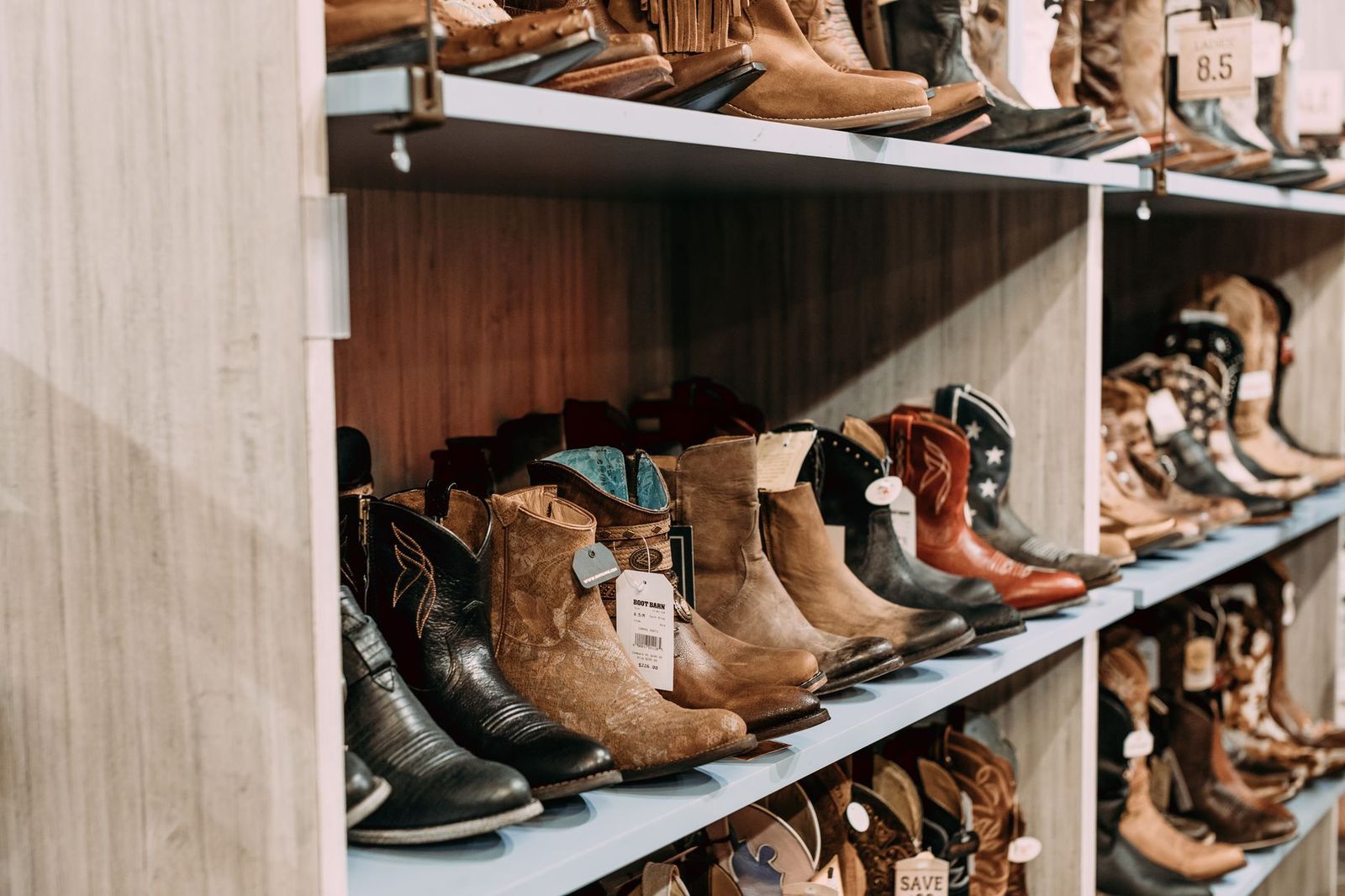
With best western boots for high instep, entry is the whole challenge, because a pull on style has no laces to loosen. Look for a wider entry opening, a flexible dip at the front of the shaft, and pull straps that sit flat. Your foot should slide in with firm effort and then feel held, not crushed, across the top, and the heel should lift slightly at first before settling as the leather shapes itself. For more on shaft shapes and entry angles, see our guide to the best cowboy boots for high instep.
Care and Maintenance for Your Boots
Good care protects the fit you worked hard to find, because a dried out or misshapen upper loses the volume it once had. Brush off dirt after wear, and let wet boots air dry at room temperature away from direct heat, since heat can crack leather and warp the shape over your instep. Loosen the laces fully before taking boots off, so you are not forcing your instep past a tight opening again and again.
Condition leather as the maker directs, and store boots upright with shoe trees or loosely packed paper to hold the toe box shape. Rotate between two pairs if you wear boots daily, giving each pair a day to dry. At home, see our guide to the best slippers for high instep for indoor options that do not press on the top of the foot. On warm days off, see our guide to the best sandals for high instep for open designs that let swelling go down.
Frequently Asked Questions
What features matter most in boots for high instep?
Instep volume, an adjustable lace system, and a padded gusseted tongue matter most in boots for high instep. Together they decide how much room sits over the top of your foot and how evenly lace pressure is spread. One point buyers often miss is eyelet placement, since laces that begin closer to the toe let you fine tune the fit over the exact spot where your instep rises highest.
Do waterproof boots for high instep run tighter than regular boots?
Waterproof boots for high instep can feel slightly tighter, because the membrane and its lining add layers inside the upper. The difference is small on a high volume last and much more noticeable on a shallow one. If you are between sizes, try the waterproof version with your intended socks, and check for pressure on top of the foot after ten minutes of walking indoors, not just while standing still.
How should boots for high instep fit at the heel?
Boots for high instep should hold the heel firmly with only a small amount of lift as you walk. Many wearers loosen every lace row to relieve pressure on top, and that trades one problem for heel slip and blisters. Keep the ankle rows snug and loosen only the middle rows over your instep, or skip one set of eyelets there entirely. This keeps your heel seated while giving the top of your foot room.
How long is the break in period for leather boots for high instep?
The break in period for leather boots for high instep is usually about one to two weeks of gradual wear. Stiffness should ease steadily, and the leather over your instep should start to shape itself to your foot. Keep your first sessions short and indoors where you can stop if needed. Pain, numbness, or tingling that does not improve after several sessions is not normal break in, and it points to a volume problem that more time will not solve.
Can you wear boots for high instep all day without foot pain?
You can wear boots for high instep all day when the volume, cushioning, and arch support match your feet and your activity. Build up wear time with new pairs instead of starting with your longest day, and loosen the midfoot laces slightly in the afternoon when swelling peaks. Get your feet checked if you notice lasting numbness, color changes in your toes, or pain that keeps returning in the same spot, and talk with a clinician about personal fit needs if those signs continue.
Final Thoughts
Fit for a high instep comes down to three things: enough volume over the midfoot, laces you can adjust by zone, and a toe box with height as well as width. Check those first, then weigh traction, waterproofing, and cushioning for your main use, and use the comparison table above to confirm shaft height and closure before you order. When a pair passes those checks, the best boots for high instep for you will feel secure at the heel and comfortable all day.