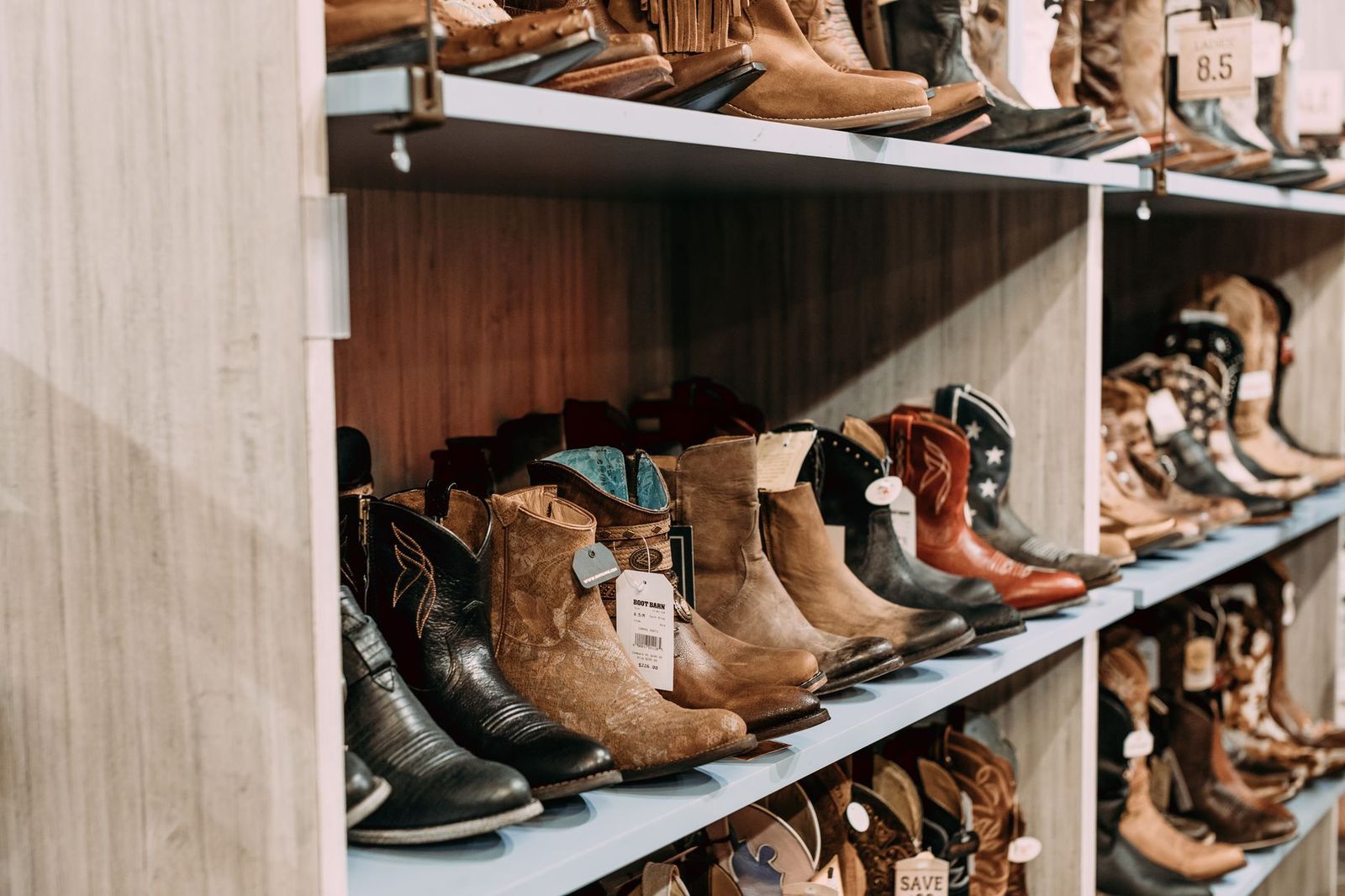
The Best Boots for Heel Spurs: Buying Guide and Top Picks for 2026
Disclosure: We may earn a commission when you buy through links on this page, at no extra cost to you. As an Amazon Associate I earn from qualifying purchases. Learn more

Padded heel cups, firm counters and cushioned midsoles: the best boots for heel spurs, with fit and care tips.
Heel pain that is worst with the first steps of the day or after long hours standing sends many people looking for better footwear. Boots cannot treat a heel condition, but they can change how much force lands on the heel each time your foot strikes the ground. Choosing the best boots for heel spurs comes down to cushioning, support, and fit.
This guide walks through the features that matter, the boot styles worth considering, and the mistakes that quietly make heel pain worse. Use the comparison table below to see how models differ on cushioning, support, and weight, then read on for the details that help you match a pair to your feet.

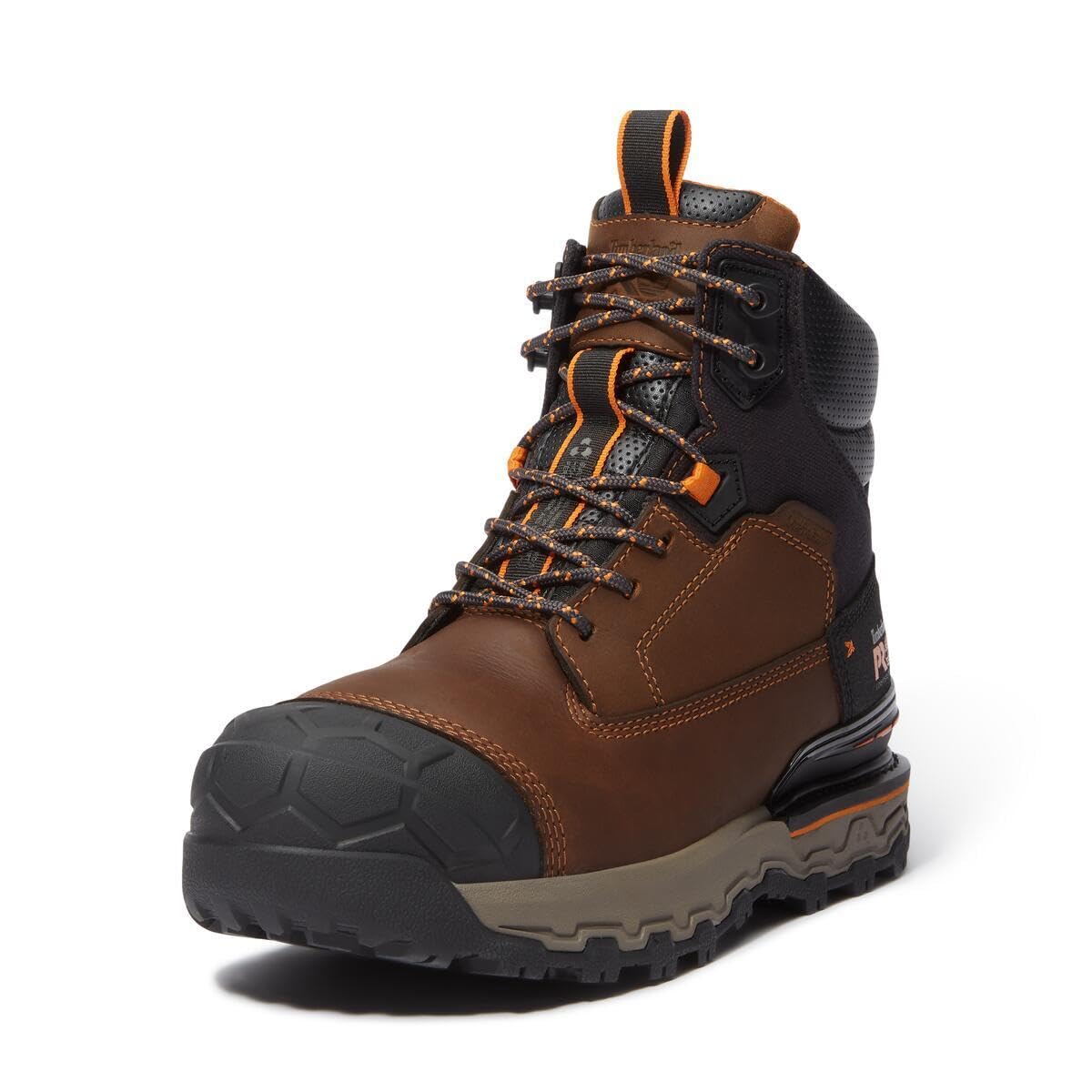


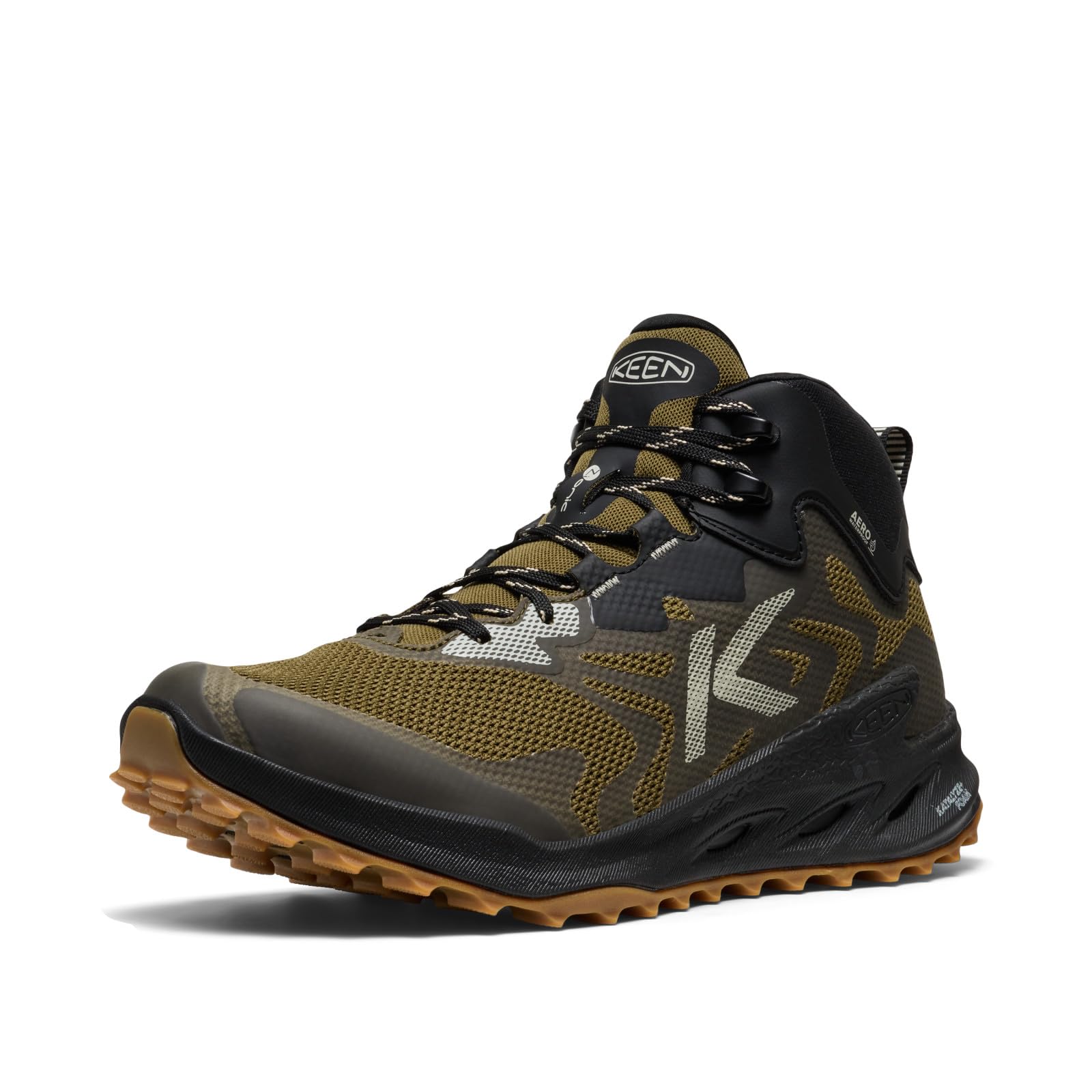
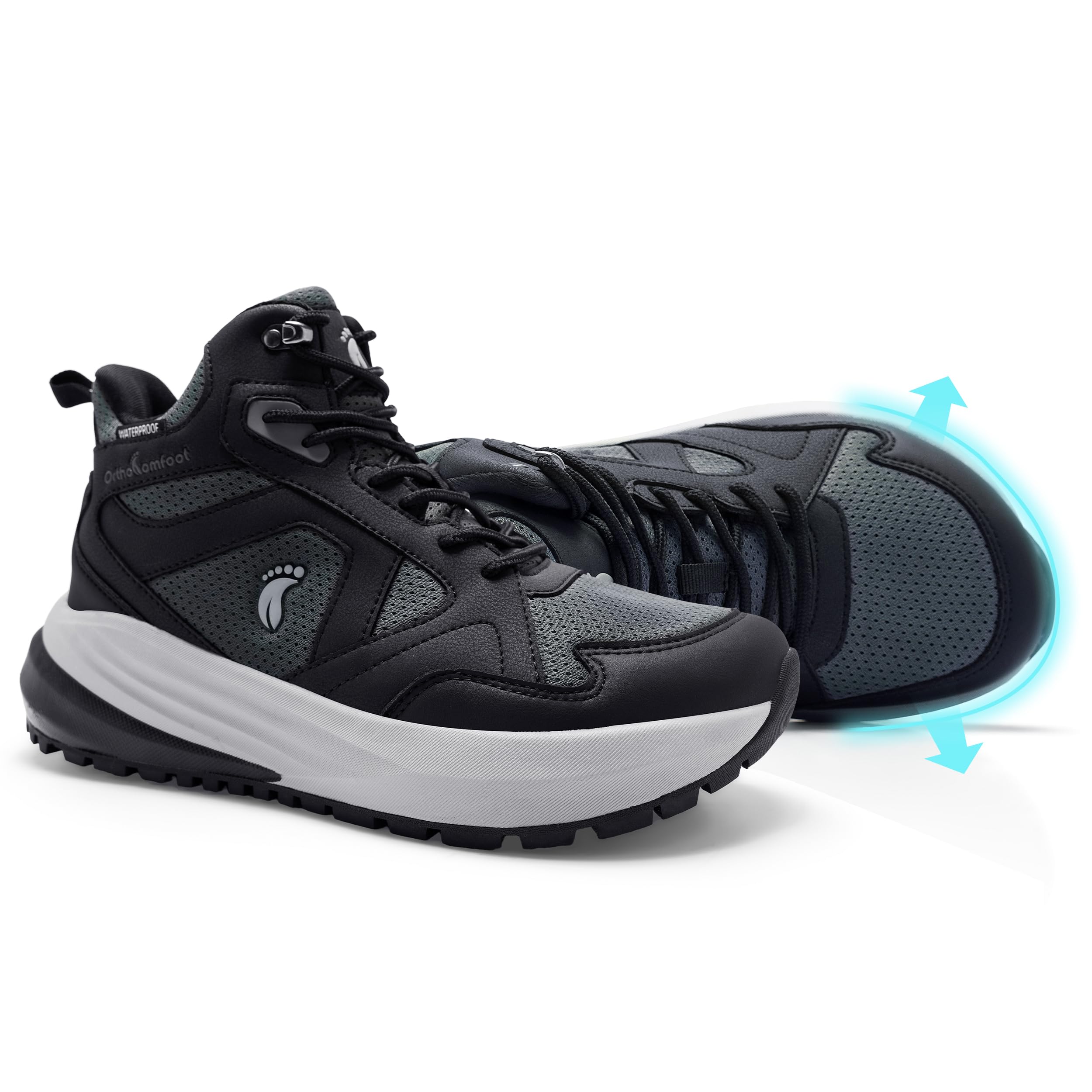
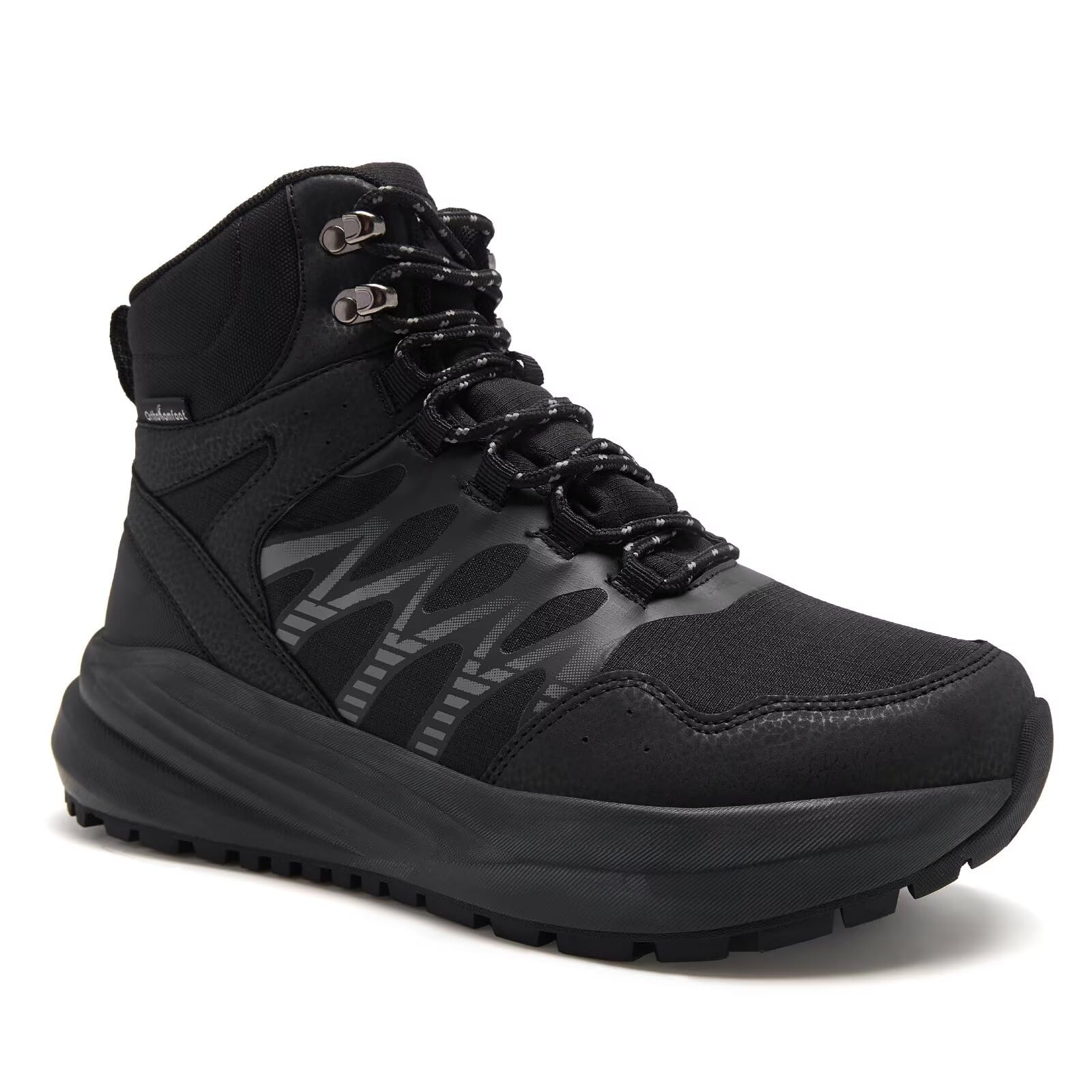
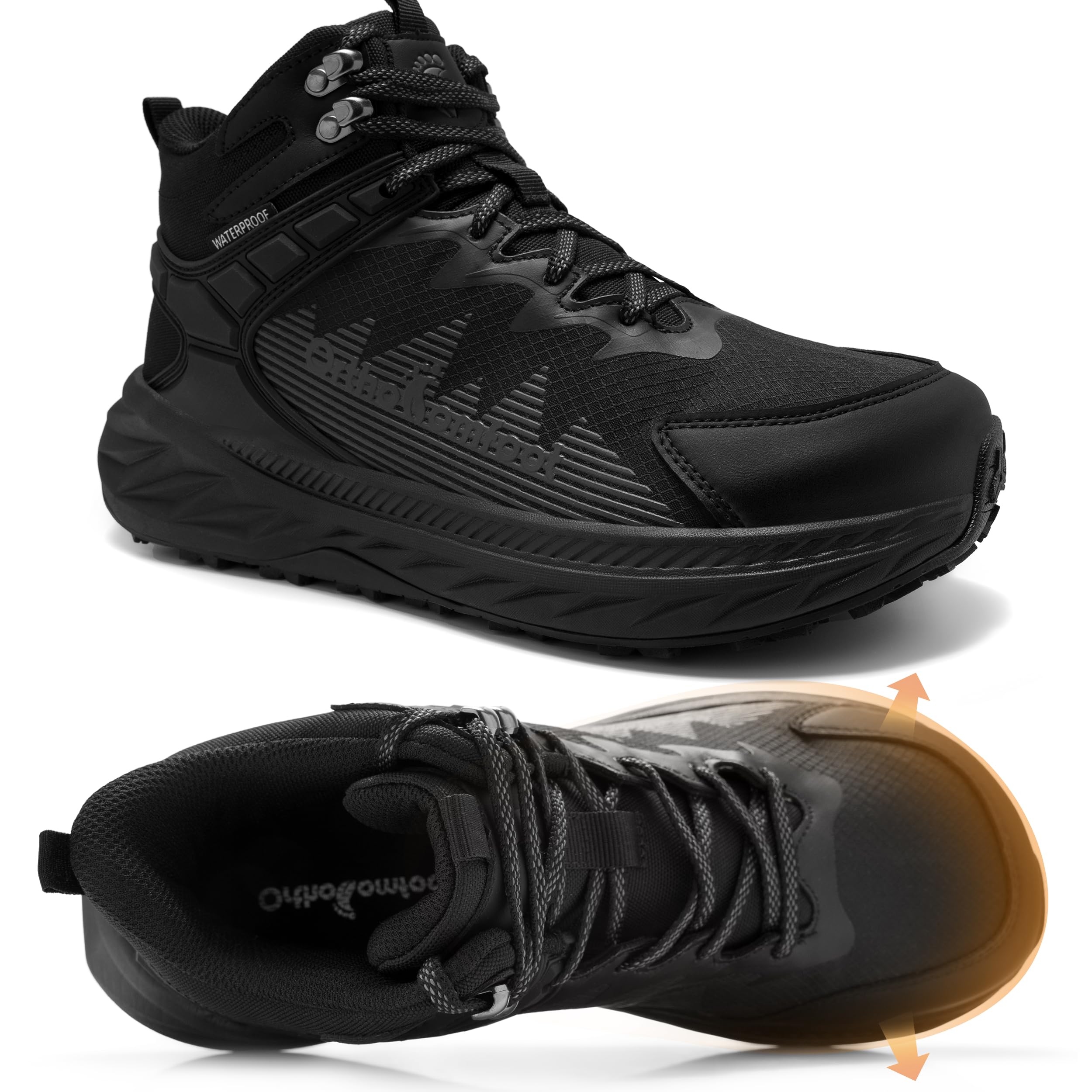
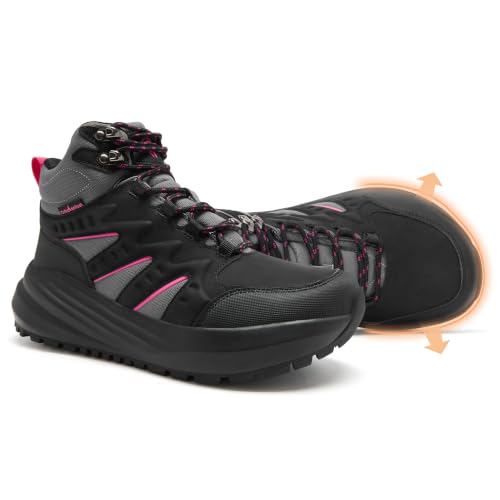
Who Should Buy Boots Built for Heel Spurs?
Almost any boot adds more structure than a soft casual shoe, but the best boots for heel spurs go further with padded heel cups, firm counters, and midsoles that absorb impact. The three groups below benefit the most.
Workers Who Stand on Hard Floors All Day
If your job keeps you on concrete, tile, or warehouse flooring for eight hours or more, every step sends impact straight into the heel bone. You need a thick cushioned midsole, a stable base that resists twisting, and enough ankle coverage to keep your stride aligned when your legs tire late in a shift. For job sites that require safety toes, see our guide to the best work boots for heel spurs.
Hikers and Walkers Who Cover Long Distances
Distance adds up. Miles of trail or pavement repeat the same heel strike thousands of times, and uneven ground adds side to side stress. Walkers and hikers with heel spurs do best in boots with a grippy outsole, a supportive shank, and cushioning that still feels responsive at the end of the day rather than packed flat.
People Whose Heel Pain Flares at Home and at Rest
Some people feel their worst pain barefoot on hard kitchen floors, first thing in the morning. If that sounds familiar, supportive boots help during the day, but what you wear around the house matters too. Look at our guide to the best slippers for heel spurs for indoor footwear with real arch support, and in warm weather our roundup of the best sandals for heel spurs covers open styles that still cradle the heel instead of leaving it on a flat sole.
How to Choose Boots for Heel Spurs: Buying Guide
The product table above gives you a quick side by side view, but the sections below explain what each feature does for a sore heel, so you can judge any boot with confidence.
Features That Matter Most for Heel Spurs
Start with the heel area itself. A deep, padded heel cup holds the natural fat pad under your heel bone centered beneath you, which spreads impact over a wider area instead of letting it concentrate on the spur. A firm heel counter, the stiff cup around the back of the boot, stops the heel from rolling inward or outward with each step. Underfoot, look for a dual density midsole that feels soft at first contact yet stays supportive once your full weight settles in. A modest heel to toe drop, often around 8 to 12 mm, takes some strain off the Achilles tendon and the plantar fascia.
One caution belongs here. Boots manage pressure and comfort, but they are not a treatment. See a doctor or podiatrist promptly if heel pain lasts longer than a few weeks despite rest and better footwear, if you cannot bear weight on the foot, or if pain comes with swelling, redness, warmth, numbness, or fever. Sudden pain after a fall or twist also needs professional care, and you should talk with your clinician about what support your feet personally need.
Fit, Sizing, and Toe Box
Shop and measure late in the day, when your feet are at their largest from hours of standing. Bring the socks you plan to wear, and measure both feet, since one is often slightly longer. Your heel should sit snugly in the counter with only minimal lift as you walk, while your toes need room to spread and wiggle. A roomy toe box prevents the forefoot from being squeezed, which would otherwise push your weight backward onto the heel. Between sizes, choose the larger one, because a generous fit can be fine tuned with lacing and an insole, while a short boot cannot be stretched longer. Shoppers comparing cuts across brands may also find our guide to the best women's shoes for heel spurs useful, since it explains how heel width and instep volume differ between lasts.
Weight and Flexibility
Heavy boots protect well on rough ground, but extra weight tires your legs, and tired legs land harder on the heel. For paved routes, indoor work, and light trails, a lighter boot with good cushioning usually serves heel pain better. Reserve heavier, stiffer models for rocky terrain or jobs that demand serious protection. Flexibility matters as well: a boot should bend where your foot bends, at the ball, and resist twisting through the middle. Many supportive boots use a gentle rocker shape in the sole, which rolls your foot forward and reduces stretch on the plantar fascia at push off.
Arch Support and Foot Type
Arch support decides how evenly your weight is shared between the heel, the arch, and the forefoot. If you have flat feet or your ankles roll inward, a stability design with firmer foam on the inner side helps keep the heel bone vertical, so force lands through the center of the heel rather than on its inner edge. If you have high arches, your feet absorb shock poorly on their own, so you need more cushioning and a curved last that fills the arch gap. Neutral feet fall between the two and do well with balanced support.
Break In Period and Comfort Out of the Box
Modern cushioned boots should feel comfortable on the first wear, with no pinching, rubbing, or pressure on the top of the foot. Full grain leather models are the exception and may need one to two weeks of short wears before the upper softens. Build up gradually: wear new boots around the house, then for a short errand, then for a full day. If a boot still hurts your heel after several outings, the fit or support level is wrong for you, and more break in time will not fix that.
Waterproofing With Gore Tex and Other Membranes
A waterproof membrane such as Gore Tex keeps rain and slush out, which matters for outdoor work and wet trails. The trade off is airflow: waterproof boots breathe less, so feet run warmer and sweat more in summer or heated indoor spaces. If your days are mostly dry or indoors, a non waterproof boot will feel fresher and usually costs less. If you regularly walk through wet grass, mud, or snow, choose the membrane and pair it with moisture wicking socks.
Upper Materials and Breathability
Leather uppers mold to your foot over time and resist scuffs, but they are heavier and slower to dry. Mesh and engineered knit uppers feel light and breathable and often suit sensitive feet because they stretch over bumps without pressure points, though they offer less structure and wear faster on abrasive ground. Split designs that combine leather overlays with mesh panels balance the two.
Types of Boots for Heel Spurs
Most supportive boots fall into one of three families, and knowing which fits your foot type narrows the product table above quickly.
Stability and Support Boots
Stability boots add firmer material under the arch and inner heel to guide the foot and limit inward roll. They suit flat feet, overpronation, and anyone whose heel pain is worse on the inner side of the heel. The support can feel firm at first, but for the right foot it reduces the twisting strain that aggravates the plantar fascia.
Neutral Boots
Neutral boots provide even cushioning without corrective posting, letting your foot move naturally. They are the right starting point if your ankles track straight, your arches are average to high, and your main complaint is impact pain rather than alignment.
Lightweight Boots
Lightweight boots trim grams with synthetic uppers and foam midsoles, and many borrow their shape from athletic footwear. They suit travel, light trails, and long shifts where leg fatigue is the limiting factor. If your off duty miles happen on a court instead, our guide to the best tennis shoes for heel spurs covers lower cut options built for quick movement. Just note that the lightest boots trade away some ankle support and durability, so reserve them for gentler terrain.
Setup and Care Tips for Supportive Boots
A few habits keep the cushioning and support you paid for working as long as possible.
- Lace for a locked heel. Use the extra top eyelet to form a small loop on each side, cross the laces through those loops, and pull down and out, which anchors the heel in its cup and stops sliding that irritates tender tissue.
- Rotate two pairs. Foam needs about a day to rebound after heavy use, so alternating pairs keeps cushioning lively and lets each pair dry fully.
- Air dry away from heat. Loosen the laces, pull out the insoles, and let wet boots dry at room temperature, since direct heat cracks leather and breaks down midsole foam.
- Refresh insoles on schedule. Stock insoles often flatten within six to twelve months of daily wear, and fresh supportive insoles restore arch contact long before the boot itself wears out.
- Clean grit from the outsole. Packed mud and small stones change how the tread grips and can create uneven pressure under the heel, so brush the sole clean after muddy trips.
Boots for Heel Spurs: Your Questions Answered
What features matter most in boots for heel spurs?
A padded heel cup, a firm heel counter, and a cushioned midsole matter most, because together they center the heel fat pad and absorb impact before it reaches the spur. Beyond those three, check that the insole is removable. Removable insoles let you add a podiatrist recommended orthotic later without changing sizes, which gives the pair a longer useful life.
Can I wear boots for heel spurs all day?
Yes, most people can wear well fitted supportive boots for a full day, and many find long days easier than in flat shoes. Build up wear time over the first week so your feet and calves adjust to the drop and support. If pain steadily builds hour by hour even in a good fit, raise that pattern with your clinician, since it can point to a problem footwear alone will not solve.
How should boots for heel spurs fit?
Boots for heel spurs should hold the heel snugly with almost no lift, leave about a thumb width of space in front of your longest toe, and feel roomy across the toes. Fit them in the evening while wearing your usual socks. One detail many shoppers miss: a boot that is the right length can still be the wrong volume, and excess volume is what lets the heel wander.
How long is the break in period for boots for heel spurs?
Most cushioned synthetic boots need only two or three short outings before they feel natural, while stiff leather boots can take one to two weeks of gradual wear. Small pressure points often ease as the upper shapes itself. Blisters, numb toes, or sharper heel pain are not normal break in signs, though, so treat those as fit problems and exchange sizes.
Do I need waterproof boots for heel spurs?
You only need waterproofing if your routine regularly involves rain, wet ground, or snow, because the membrane has no effect on heel comfort itself. One point buyers overlook: a waterproof lining also keeps slush from soaking the insole, and a soggy insole loses its shape and support quickly. Dry climate and indoor wearers can skip the membrane and enjoy better airflow.
How often should I replace boots for heel spurs?
Replace your boots when the midsole feels flat and unforgiving, the heel counter softens enough to squeeze easily by hand, or the outsole wears smooth under the heel. For daily wearers that often lands around twelve to eighteen months. A useful test is to stand the boots on a table and look from behind: if they lean inward or outward at rest, the support structure has broken down.
Final Thoughts
Choosing well comes down to three things: cushioning that protects the heel at every strike, support that matches your arch and alignment, and a fit that locks the heel in place while leaving the toes free. Match those to your work, your terrain, and your weather, and the comparison table above will point you to a short list worth trying. The best boots for heel spurs for you are the pair you can wear all day and forget about, so take your time with fit, and talk with your clinician if pain persists.