
Best Boots for Harley Riders in 2026: Which Type Is Right for You?
Disclosure: We may earn a commission when you buy through links on this page, at no extra cost to you. As an Amazon Associate I earn from qualifying purchases. Learn more

Compare the best boots for harley riders by type, from touring boots to engineer and harness styles, with protection, shifter feel, and fit guidance.
A riding boot is protection first and clothing second. The types on sale look similar in photos, yet their toe, ankle, and shaft protection classes differ a great deal, and those classes should be read before any style point. This guide compares the types of best boots for harley riders side by side, so you can match the type to the miles you actually ride. The comparison table below sums up each type before the detail sections that follow.
Riders choose this class for large cruiser machines with forward or mid mounted controls, real weight to manage at walking pace, and long straight miles between stops. That riding position shapes what a boot must do: reach the shifter cleanly, plant a steady foot at lights, and stay comfortable at a fuel stop. Read each type below against your own control layout and your usual ride length, not against a catalogue photograph.
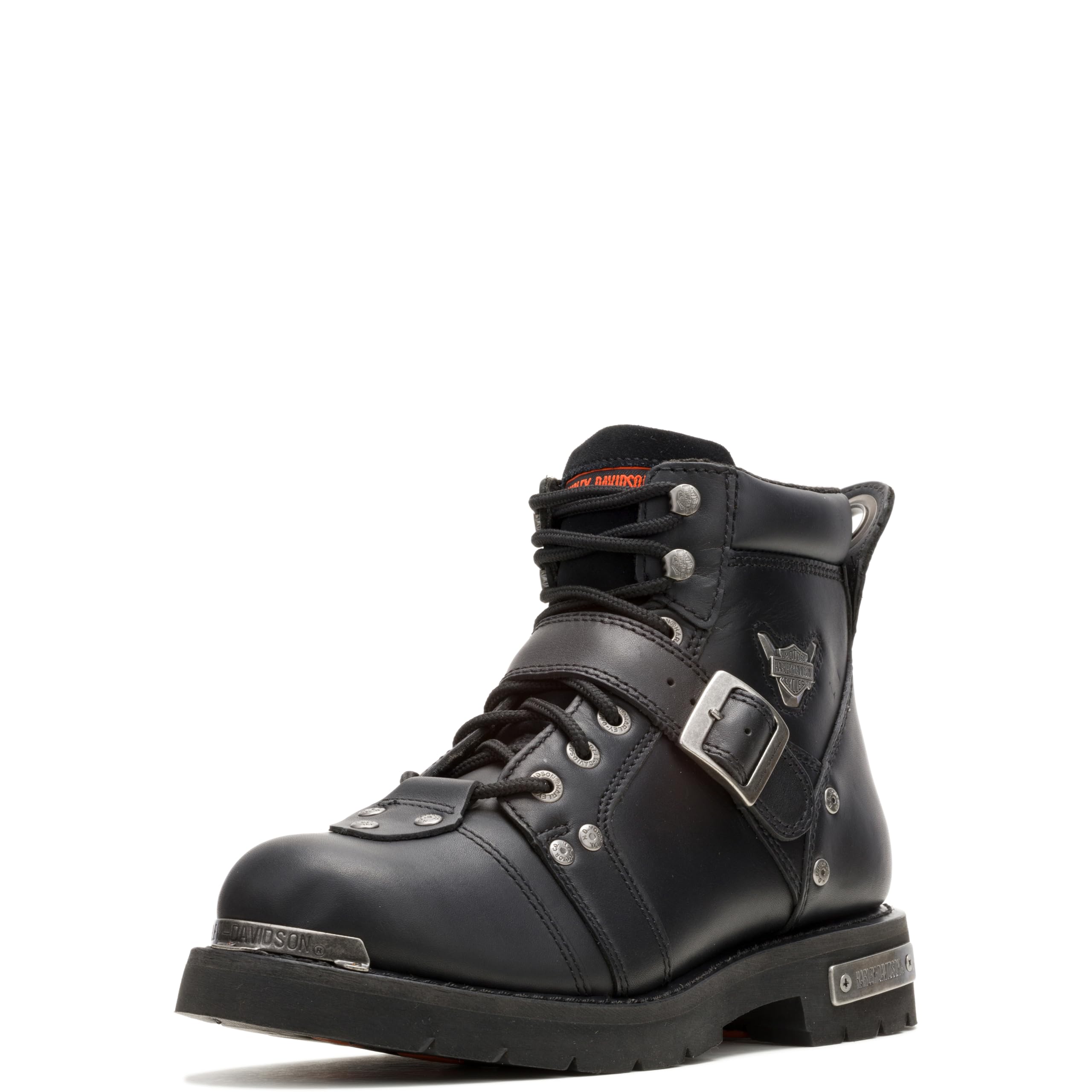
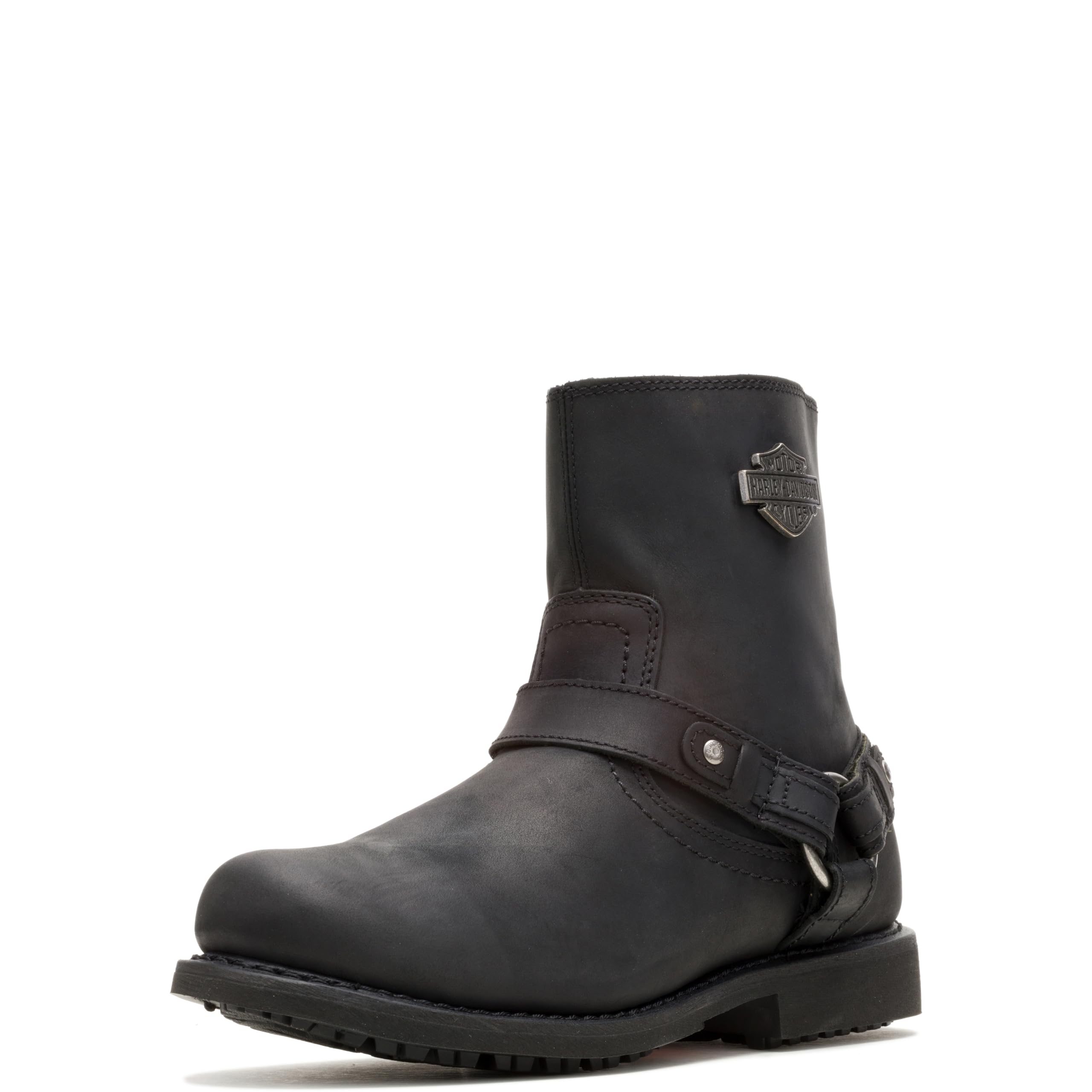


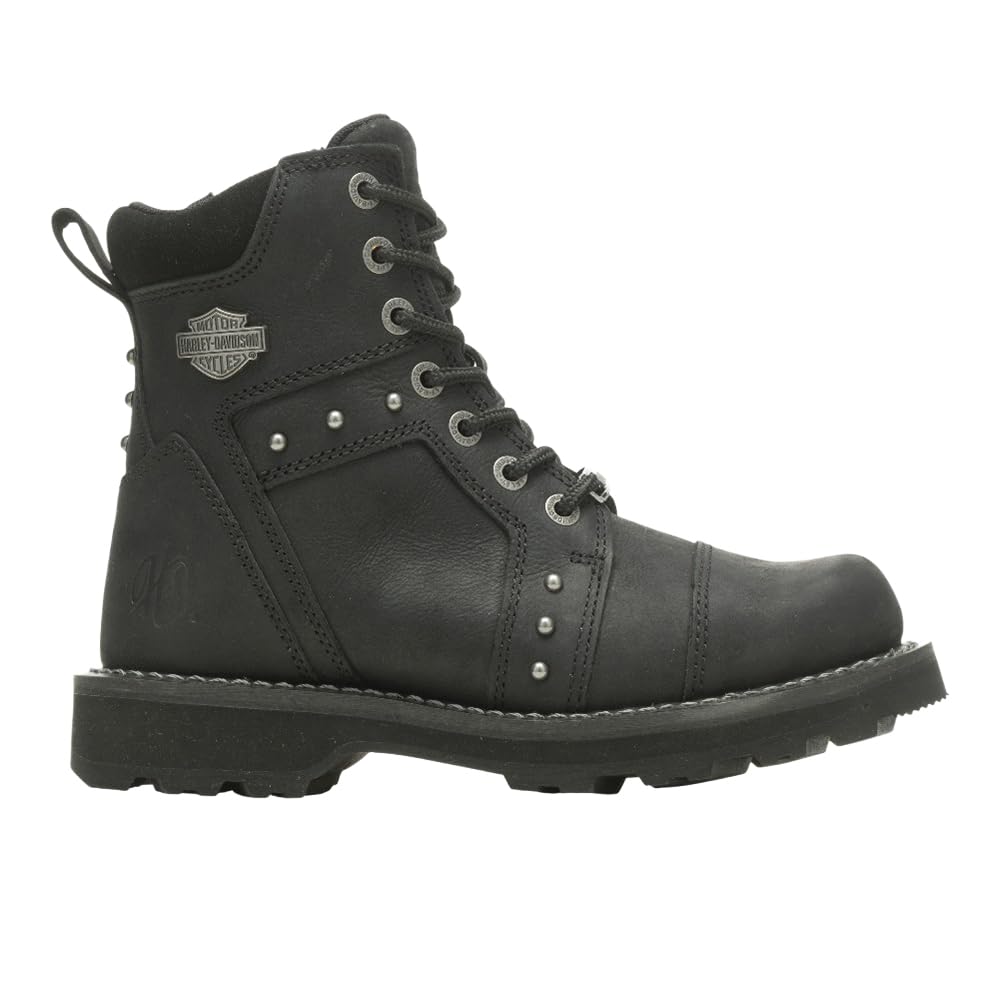


Best Boots for Harley Riders: Types Compared
Four types cover nearly every cruiser rider. They share thick leather and sturdy soles, but they split on shaft height, closure, and how much walking they tolerate once the bike is parked.
| Type | Best For | Key Strength | Watch Out | Typical Price |
|---|---|---|---|---|
| Touring boots | Long distance days | Weather sealing and all day comfort | Warmer in summer heat | about $180 to $350 |
| Engineer boots | Classic cruiser style | Tall shaft and simple pull on entry | Heel fit can feel loose | about $120 to $280 |
| Harness boots | City and short rides | Sturdy leather and a low heel | Less ankle structure than touring types | about $110 to $240 |
| Short cruiser boots | Warm weather and walking stops | Light weight and easy walking | Least shin protection of the group | about $90 to $200 |
Touring Boots
Touring boots are the mileage choice, built with zips or buckles for a close fit, waterproof membranes for wet days, and ankle cups plus toe and heel reinforcement as standard. The closer fit keeps the boot planted on the pegs in rain, and the walking comfort is usually the best of the four types. Riders who want the wider riding focused view can also read our guide to best harley riding boots, which stays with boots shaped purely around time in the saddle.
Engineer Boots
Engineer boots are the traditional pull on type: a tall shaft, a single strap and buckle, and no laces to catch on controls. The tall leather shaft gives good shin coverage, and the plain toe keeps the classic cruiser look. The trade is fit security, since a pull on boot relies on instep grip and can lift at the heel. The classic shape comes from the same tradition covered in our guide to best harley davidson boots, where the maker class styling is the whole point.
Harness Boots
Harness boots pair a square toe with a strap ring detail at the ankle and a solid low heel. They sit between engineer and touring types: more road presence than a short boot, less weather kit than a touring boot. The square toe gives a roomy front fit that many wide footed riders prefer. Our guide to best motorcycle boots harley covers this middle ground from the motorcycle side, including how the harness strap affects ankle feel.
Short Cruiser Boots
Short boots end just above the ankle and favour riders who walk a lot at stops, commute in warm weather, or simply dislike tall shafts. They are the easiest type to wear off the bike and the cheapest to replace. What you give up is shin coverage and some torsional stiffness, so they suit shorter, slower rides better than highway touring. Treat them as a fair weather, in town choice rather than an only pair.
How to Choose the Right Boot
Protection Classes Come First
Read the protection before the styling: a reinforced toe box, moulded ankle cups on both sides, a stiff heel cup, and a shaft tall enough to cover the ankle bone and lower shin. Leather thickness matters too, since abrasion resistance is mostly a function of material and coverage. The wider maker class is surveyed in our guide to best harley boots, which ranks these same protection points across the full range. A fashion boot with none of these features is footwear, not riding gear.
Shifter Pad and Sole Grip
The shifter and sole classes are the riding facts you feel on every mile. A reinforced shifter pad over the left toe spreads the load of gear changes and stops the lever wearing a groove into plain leather. Underneath, you want an oil resistant sole with enough tread to hold on wet painted lines and gravel at stops, but not so tall a heel that it hooks the peg when you move your foot. Check the reach to both shifter and brake while seated on the bike before you commit.
Fit, Sizing, and Toe Box
Fit boots in the afternoon with your riding socks, and judge them seated with your feet on imaginary pegs as well as standing. Your toes need room to spread on long days, the instep must hold firmly enough that the boot does not rotate, and a small amount of heel lift in a new pull on boot is normal. Sizes vary a lot between makers in this class, so treat your usual shoe size as a starting point and trust the on foot checks instead.
Weather Sealing and Expected Lifespan
A waterproof membrane only helps up to the top of its lining, and tall shafts earn their keep in rain by keeping water out longer. For lifespan, a well kept leather riding boot should serve for years of regular riding; the sole and the shifter pad wear first. Regular care, covered below, also keeps the leather sealed and supple for longer.
Common Mistakes to Avoid
- Buying on looks alone, because a fashion boot with a thin toe box and no ankle cups offers almost no protection in a slide.
- Choosing a loose pull on fit, because a boot that lifts and twists at the heel can pull at the ankle in a fall and feels vague on the pegs.
- Ignoring the shifter side, because plain leather over the left toe wears through fast under a metal gear lever.
- Wearing brand new boots on a long tour, because stiff leather needs short rides first and a blister at mile fifty ruins the day.
Care Tips for Riding Boots
Brush road grit off after rides and let wet boots dry slowly at room temperature, since direct heat cracks leather and weakens sole bonds. Condition the leather a few times a season to keep it supple, and check the shifter pad and heel edges when you clean, because those spots show wear first. Store boots upright with the shafts supported so tall types keep their shape.
Riding Boot Questions Answered
How tall should boots for harley riders be?
Tall enough to cover the ankle bone and a good part of the shin is the simple answer, which usually means at least eight inches of shaft. Height protects against exhaust heat, road debris, and abrasion, and it stops the boot rim catching on controls. Riders who mostly cruise in town sometimes accept a shorter boot, but they should make that trade knowingly rather than by accident.
Do boots for harley riders need a steel toe?
No, a steel toe is a work boot class feature, and it is not required for riding. What matters on a bike is a reinforced toe box that holds its shape, plus ankle and heel protection, since the loads in a fall are sliding and twisting rather than a dropped weight. Some riders who also work in their boots choose a safety toe anyway, but they should check it still fits under the shifter comfortably.
Can boots for harley riders be walked in all day off the bike?
Touring and short cruiser types usually can, while stiff engineer and harness boots are harder work on foot. The difference is sole stiffness and heel height: a boot built to stay rigid on the pegs asks more of your feet on pavement. If your rides end with hours of walking, choose a type with a cushioned insole and a moderate heel, and accept a small loss of on bike stiffness as the price.
How long does break in take for leather riding boots?
Expect about three to five short rides before stiff leather softens around the ankle and instep. Wear the boots around the house first, then take rides of half an hour, and only plan a long day once the ankle crease has formed and any hot spots are gone. Pull on types settle fastest at the instep. Rushing this stage is the most common reason a good boot gets returned as uncomfortable.
When should riding boots be replaced?
Replace them when the sole tread wears smooth at the ball of the foot, when the shifter pad wears thin enough to feel the lever through it, or when the heel counter softens and the boot starts to twist on the peg. Cracked leather that no longer takes conditioner and zips or buckles that will not stay closed are also end of life signs, because each one removes a layer of the protection you bought.
Wrapping Up
Choose the type by your riding first: touring boots for miles and weather, engineer and harness boots for classic cruiser days, short boots for warm in town use. Then check protection classes, shifter feel, and fit in that order, using the product table above to keep the types straight. Matched that way, best boots for harley riders stop being a style guess and become the pair you forget you are wearing until the ride ends.


