
Best Bmw Scanner in 2026: Every Type Explained Side by Side
Disclosure: We may earn a commission when you buy through links on this page, at no extra cost to you. As an Amazon Associate I earn from qualifying purchases. Learn more

Compare every type of bmw scanner side by side, from code readers to full system tools, so you can pick the best bmw scanner for your budget.
A generic code reader can tell you a warning light involves an emissions fault, and then go silent on the system that actually set it. That gap is the whole reason the best bmw scanner for your garage is a maker specific tool class, not a generic one. This guide compares the types side by side so you can see what each class really reads.
Stated plainly: a scanner reads code classes, and a code names a system class, not a failed part. The picks in the product table cover the main options, the comparison table below sorts the types by coverage first, and the sections after it explain how to choose.


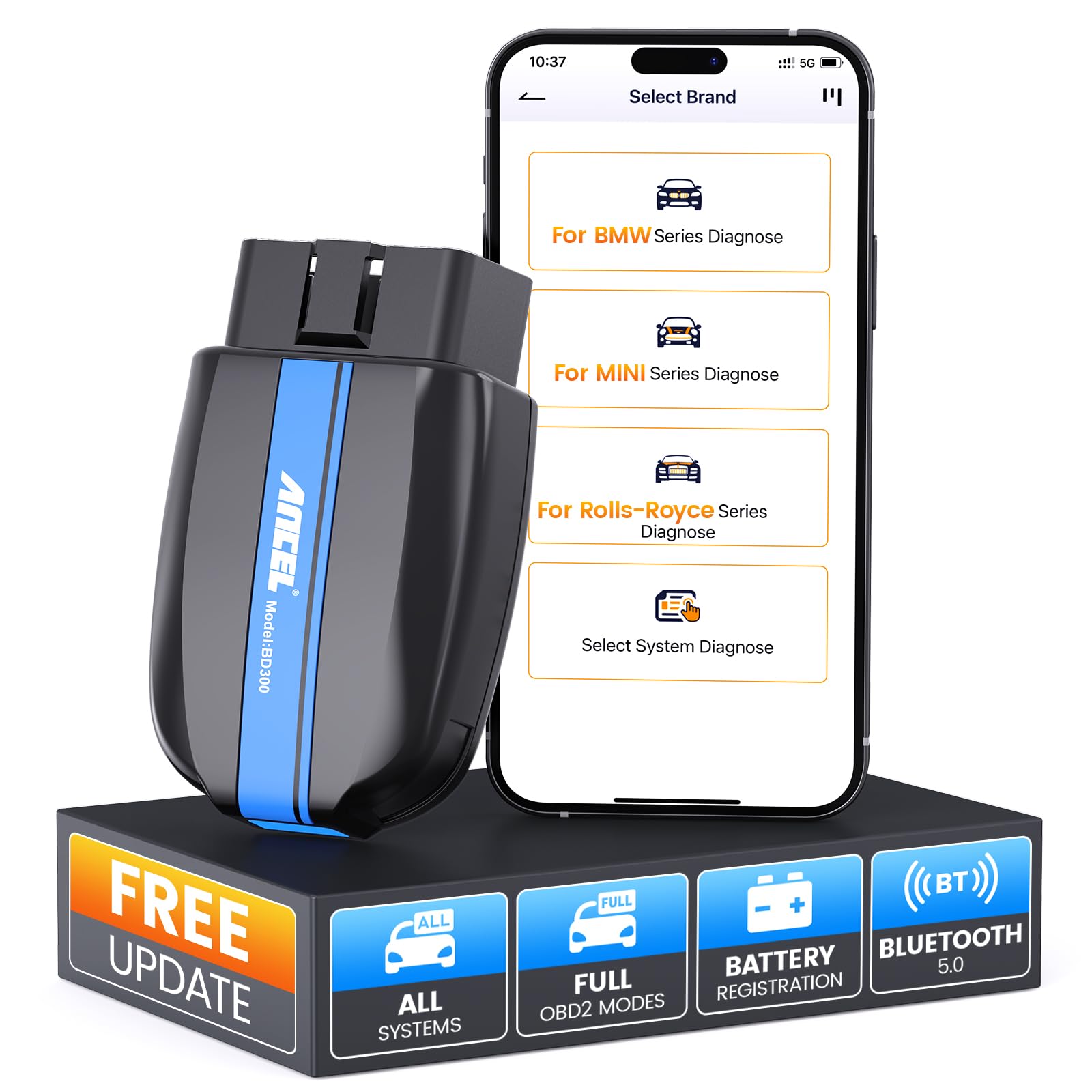
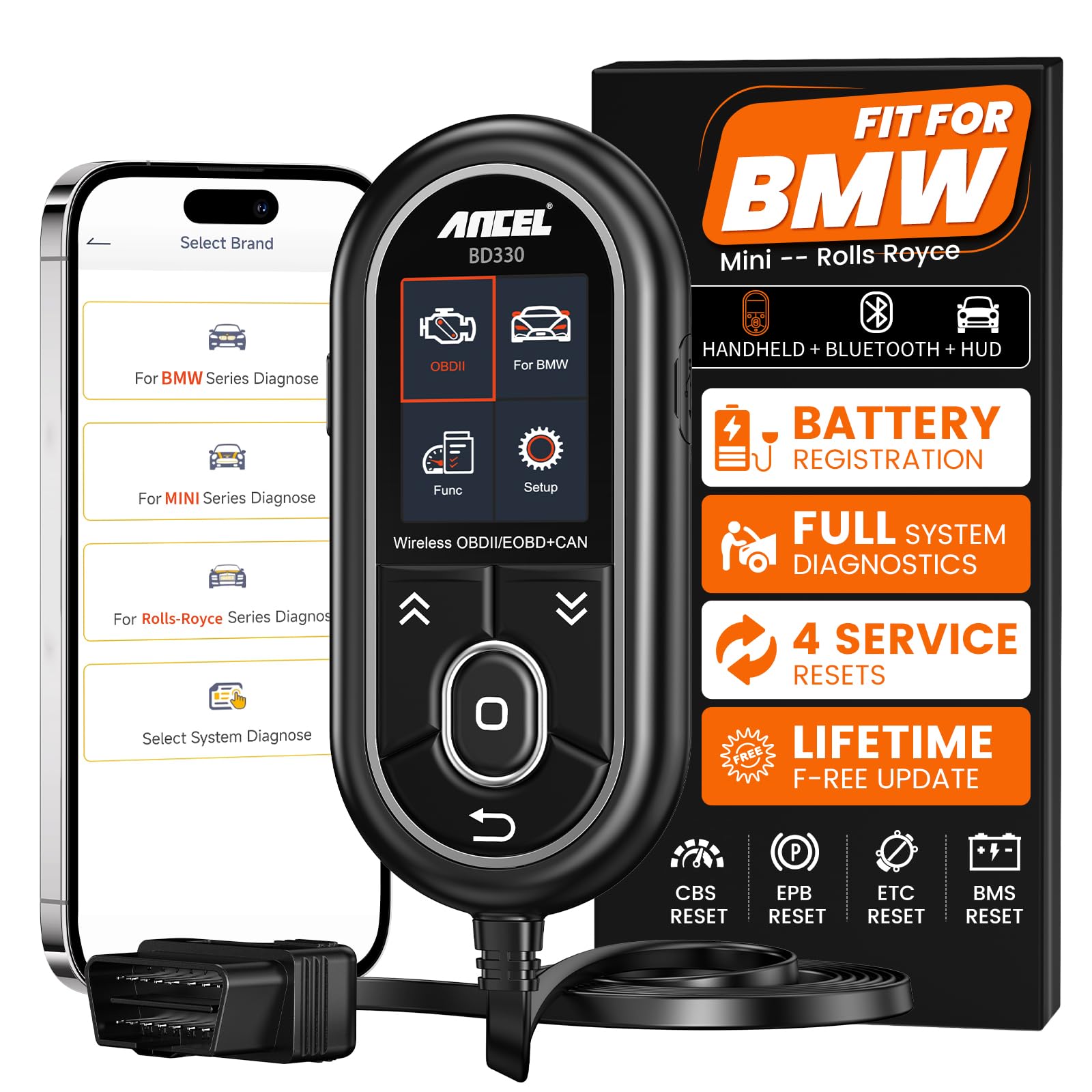
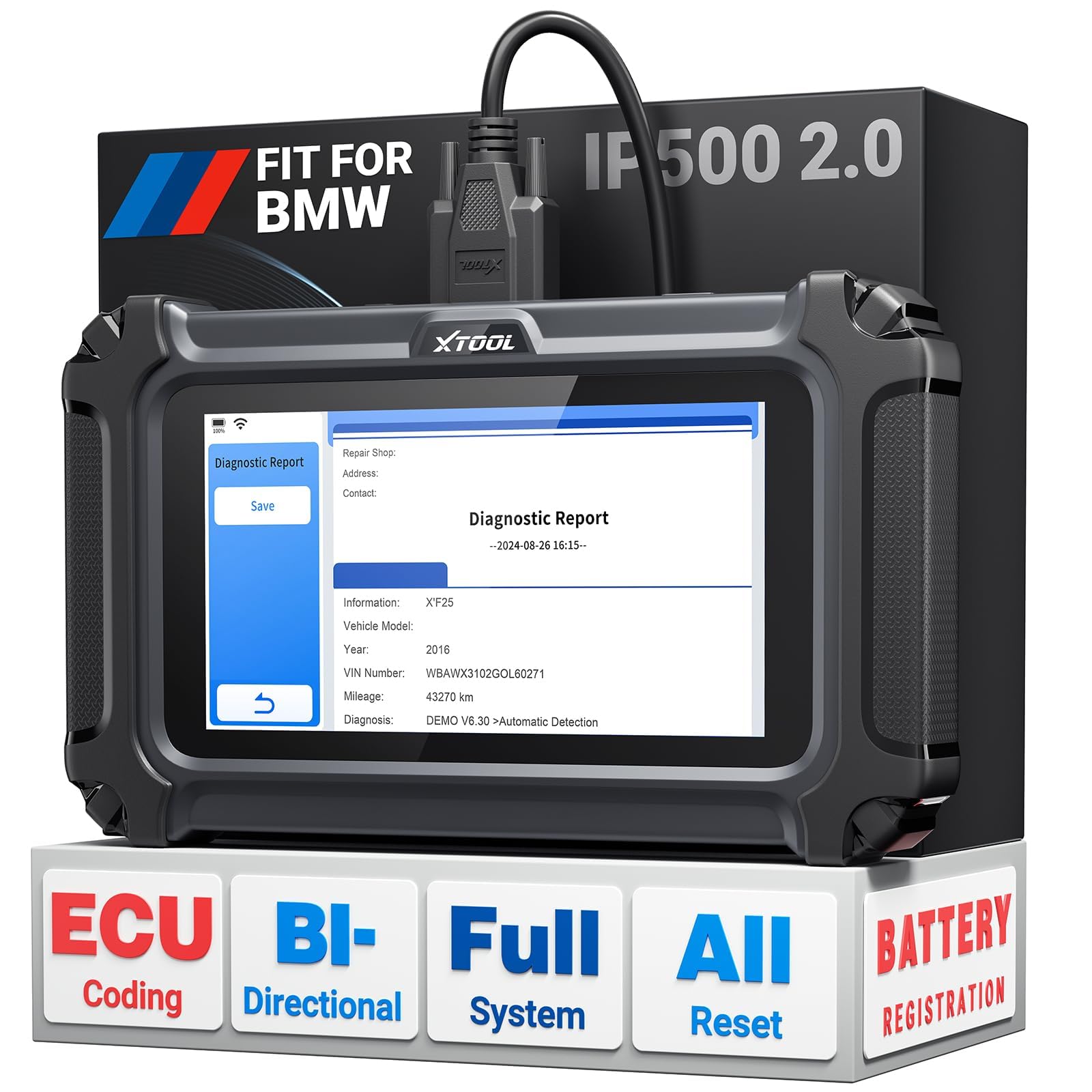


Types of Bmw Scanners Compared
| Type | Best For | Pros | Cons | Typical Price |
|---|---|---|---|---|
| Basic code reader | Reading engine fault codes | Cheap, fast, no setup | Engine codes only, no maker systems | about $25 to $60 |
| Maker specific handheld | Owners who service their own car | Reads all system classes, service resets, works without a phone | Costs more, screen is small | about $120 to $250 |
| App based adapter | Phone first buyers on a budget | Low entry price, big phone display, easy updates | Needs the app and a charged phone, features may sit behind a subscription | about $30 to $100 plus app costs |
| Professional tablet tool | Workshops and serious home mechanics | Deepest coverage, guided functions, large screen | Expensive, bulky, more than most owners need | about $400 to $900 |
Basic Code Readers
A basic reader speaks the standard emissions language shared by all modern cars. It reads and clears engine fault codes and shows a short plain text meaning for each one. For a single warning light and a rough first answer, that is honest value at the lowest price in this guide.
The ceiling is low. It cannot see the maker specific systems where most of this brand's faults live, such as the transmission, airbag, and body electronics classes. Owners who stop here often replace a part the code merely pointed near. Our guide to the best odb2 scanner covers this generic class in more depth.
Maker Specific Handheld Scanners
The maker specific handheld is the class most owners should study first. It plugs in, powers itself from the car, and reads code classes across the whole vehicle rather than the engine alone. Service functions live here too, such as oil service resets and electronic parking brake retraction for brake work.
It is a standalone tool, so there is no phone to pair and no app to keep alive. The trade is a small screen and clunky menus next to a phone display. For a fuller look at this class, see our guide to the best obd scanner for bmw.
App Based Adapters
An adapter is a small plug that sends the car's data to an app on your phone. The phone gives you the best screen in this guide, easy graphs of live data, and reports you can save or send. Update delivery is simple, and the hardware itself is the cheapest route into maker specific codes.
The risk sits in the software. Some apps charge a subscription for the maker specific functions, and an abandoned app can strand a working adapter. Read the app terms as carefully as the hardware price, because the total cost of this class is hardware plus software over the years you keep it.
Professional Tablet Tools
Tablet tools pair a large display with the deepest system coverage, guided routines, and functions such as module coding that the smaller classes leave out. A workshop earns that depth back across many cars. A single car owner rarely does.
Buy this class only if you already know the jobs that need it, like commissioning replacement modules after repairs. Otherwise the handheld class covers your real work at a third of the price. Readers weighing the middle ground can compare our guide to the best bmw obd2 scanner for the dedicated plug in options.
Handheld vs App Based: Which Should You Choose?
Choose the handheld if you want a tool that works the moment you plug it in, with no account, no pairing, and no recurring fee. It suits owners who scan a few times a year and want the answer fast, in the driveway, with gloves on.
Choose the adapter if you love live data graphs, keep your phone charged, and accept an app relationship as part of the tool. Across five years, a subscription app can cost more than the handheld beside it in the product table. Your habits, not the spec sheet, decide this one.
How to Choose the Right Bmw Scanner
System Coverage Splits the Purchase
The system coverage classes split this purchase more than any screen or case ever will. Engine only classes answer emissions questions. All system classes reach the transmission, brakes, airbags, steering, and body modules, which is where maker specific ownership questions actually live.
Match the coverage to the cars in your household and the work you truly do. A driver who only wants to know why the light is on buys one class. An owner who changes brakes and resets service indicators buys the class above it.
Maker Specific Functions
Beyond codes, maker specific tools offer function classes such as battery registration after a battery swap, service interval resets, and parking brake service mode. These are guided routines with steps on screen, and they are the practical reason this tool class exists at all.
Check the function list for your car's age class before buying, because coverage thins on the oldest and newest vehicles at both ends. A tool that lists a function for the brand generally may still lack it for your specific year class.
Live Data and Reading Codes Honestly
Live data shows sensor values as the engine runs, and it turns a code from a label into evidence. A code tells you which system class reported a value outside its expected range. The sensor, its wiring, or the part it watches could each be the cause.
That is why clearing a code class is not a repair class: the light goes out, the fault stays, and the code returns. Treat every code as the start of a diagnosis, priced in minutes, not as a parts list. Ratings compress all of this into one number, so when a listing leans on the best rated scanners label, read the coverage list instead of the score.
Ease of Use and Updates
A scanner earns its keep on the worst day, so judge the basics: a cable that reaches while you sit in the driver seat, a screen you can read in daylight, and menus that name systems in plain words. Update policy matters as much, since car software changes and a tool that never updates slowly goes blind.
Before buying, confirm how updates arrive and what they cost after the first period. A fair rule: the update terms should be printed as clearly as the price. Tools that hide them are telling you something, and the best rated obd2 scanner pages show the same pattern across the generic class.
Care and Maintenance Tips
Keep the connector pins clean and dry, and store the tool out of a hot trunk, since heat and damp age the cable and the screen. Coil the cable loosely rather than wrapping it tight around the case, which breaks the inner wires over time.
Run the software update before you need the tool, not during a breakdown, and keep app based adapters paired to the phone you actually carry. A scanner that is updated, charged where needed, and easy to find is worth more than a deeper tool buried in a drawer.
Bmw Scanners: Your Questions Answered
Can a bmw scanner tell me exactly which part has failed?
No scanner can name the failed part itself, and any listing that promises that is overselling. A code identifies the system class and the reading that fell outside its range. The cause can be the sensor, damaged wiring, a connector, or the component being watched. Use the code and live data to check before you buy parts, and you will spend less than owners who treat codes as a shopping list.
Will a bmw scanner work on other car brands?
The standard engine code functions usually work on other brands, because that emissions protocol is shared across makers. The maker specific systems, service resets, and guided functions generally do not transfer, since each brand guards its own system classes. Households with two brands often keep one maker specific tool for the car they service most, plus a basic reader for the other. Check the coverage list rather than assuming the whole tool travels.
Is it safe to clear a fault code with a scanner?
Clearing a code is safe for the car, but it erases the stored evidence a mechanic would use, including the freeze frame data captured when the fault set. Note the code and the conditions first, then clear it if you want to see whether it returns. A code that returns quickly is a live fault asking for diagnosis. One that stays away after a repair is the honest confirmation the fix worked.
How often does a bmw scanner need software updates?
Most owners update once or twice a year, or whenever a new function or vehicle class is added that they need. Updates matter most for newer cars, where system software changes often, and least for an older car whose systems are settled. Before a big job, run the update and then the scan, in that order. If a tool maker charges for updates, fold that yearly cost into the price you compare.
Wrapping Up
Pick by coverage first: basic readers answer engine questions, maker specific handhelds serve most owners, adapters trade a subscription for a fine phone display, and tablet tools belong in workshops. Read every code as a system class clue rather than a verdict, and keep the update terms in view before you pay. Check the product table once more, and the best bmw scanner for your garage will be the class that matches the work you actually do.


