
Best Boots for a Mechanic for 2026: Types Compared and How to Choose
Disclosure: We may earn a commission when you buy through links on this page, at no extra cost to you. As an Amazon Associate I earn from qualifying purchases. Learn more

The best boots for a mechanic balance toe protection, grip on oily floors, and all day fit. Compare the main types and choose for your shop.
Shop work asks a lot of footwear. You stand on concrete for hours, kneel beside engines, climb in and out of bays, and walk through oil, coolant, and loose hardware. The best boots for a mechanic are the pair that protects your feet in that setting without slowing you down, and the comparison table below sets out the main types side by side.
This guide compares boot types for garage and workshop use, then explains the features that matter most for a mechanic. Use it to match a boot to your daily tasks, your shop floor, and your budget, rather than buying on looks alone.

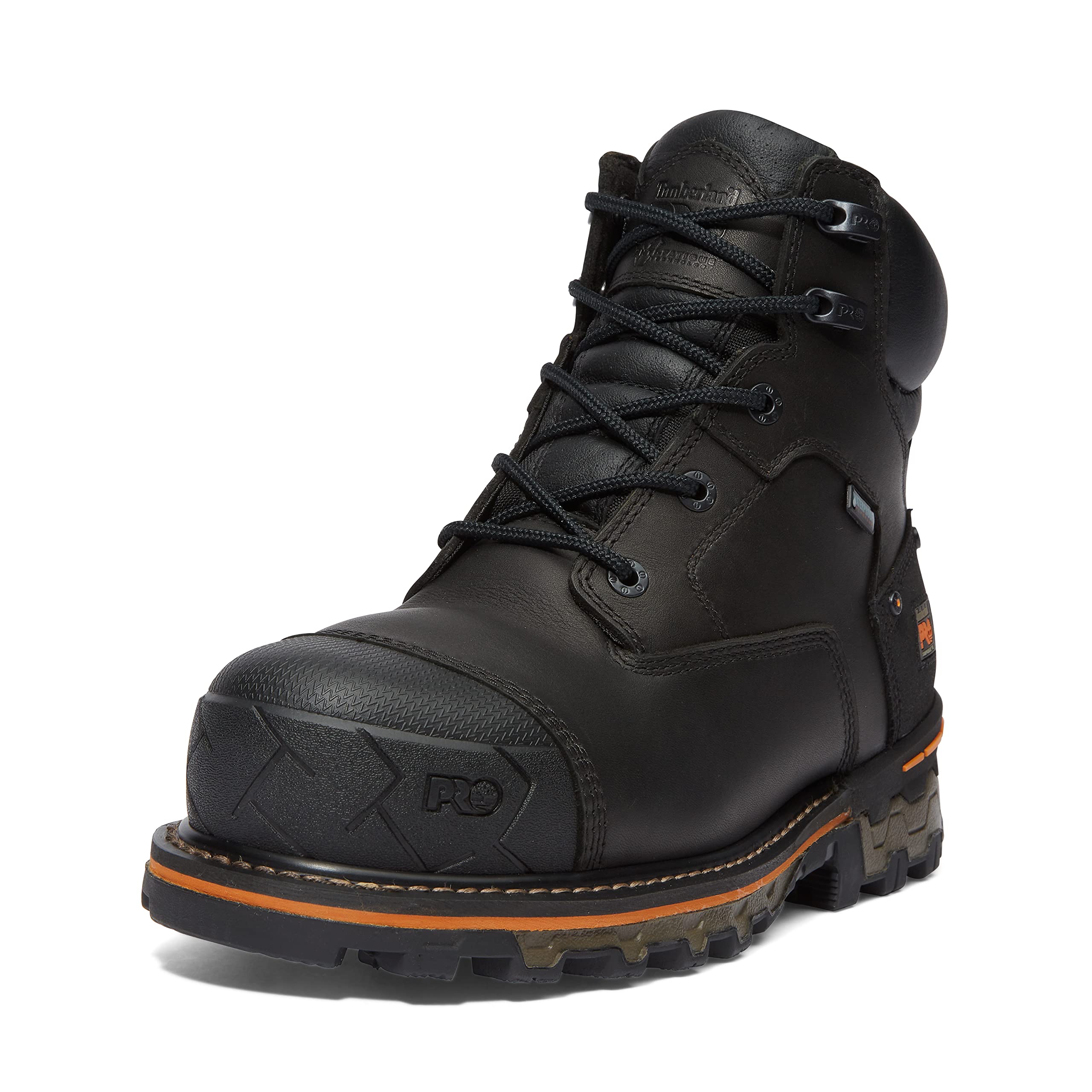


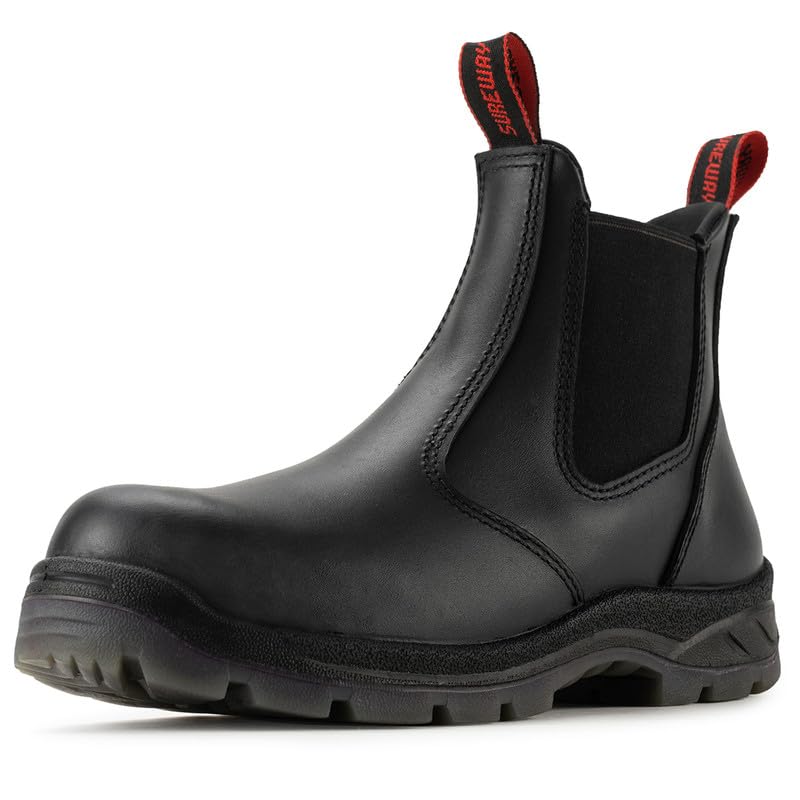

Types of Boots Compared
Mechanics do not all need the same boot. A technician who spends the day on a lift faces different risks from someone who works on a gravel lot or washes vehicles outdoors. The table below gives a quick view of the main types, and the sections that follow explain each one in more detail.
| Type | Best For | Pros | Cons | Typical Price |
|---|---|---|---|---|
| Protective work boots | Heavy shop work and falling tools | Toe protection and sturdy soles | Heavier and need break in time | About $120 to $220 |
| Slip resistant shop boots | Oily concrete and long shifts | Grip on slick floors and steady footing | Less toe protection than heavy boots | About $90 to $180 |
| Waterproof work boots | Outdoor bays and wet washing areas | Keep feet dry in rain and puddles | Warmer in summer and slower to dry inside | About $130 to $230 |
| Lightweight work shoes | Light duty tasks and parts counters | Easy movement and all day comfort | Not suited to heavy falling objects | About $70 to $140 |
Protective Work Boots
Protective work boots are built for shops where heavy parts, tools, and wheels can fall or roll onto feet. They usually have a reinforced toe cap, a thick midsole, and a sole that resists oil and sharp debris. The added structure also helps when you brace yourself while pushing, pulling, or torquing a stubborn bolt.
The trade off is weight and stiffness. New protective boots often feel firm for the first week or two, and they can tire your legs on a long shift if the fit is wrong. Choose this type when falling objects and rough surfaces are a regular part of your day, and check your employer rules first, since some shops require a specific level of toe protection.
Slip Resistant Shop Boots
Slip resistant shop boots focus on grip. Their outsoles use tread patterns and rubber compounds made to hold on concrete that is wet, dusty, or lightly oiled. That grip matters when you carry parts across a bay, step around a lift arm, or move quickly to grab a tool.
These boots are often lighter than heavy protective boots, which makes them a good choice for technicians who walk all day but rarely face falling heavy parts. They still need a sturdy toe area and good ankle support, so check the sole tread depth and the way the boot holds your heel before you buy.
Waterproof Work Boots
Waterproof work boots use a sealed membrane and treated leather or synthetic uppers to keep water out. They suit outdoor service work, mobile repair, and shops where vehicles are washed in the same area where you work. Dry feet stay warmer in cold weather and are less likely to blister on a wet shift.
The drawback is heat. A sealed boot breathes less than an unlined boot, so your feet can sweat on a warm day. If you only face occasional splashes, a water resistant finish may be enough, but if you stand in puddles or work in rain, full waterproofing is worth the extra cost.
Lightweight Work Shoes
Lightweight work shoes suit light duty shop roles, such as parts handling, inspection, and customer service in a workshop. They look and feel closer to a sturdy sneaker, with flexible soles and soft cushioning that make walking easy. They are also easier to slip on and off at the end of a shift.
They are not a substitute for protective boots in heavy work. Thin uppers and soft toes offer little defense against a dropped brake rotor or a rolling tire. Pick this type only when your tasks are light, your employer allows it, and you understand the protection you are giving up.
Protective Work Boots vs Slip Resistant Shop Boots: Which Should You Choose?
Start with the biggest risk in your day. If dropped tools and heavy parts are common, protective work boots are the safer base choice, because toe protection is hard to add later. If your main risk is slipping on an oily floor while you walk between bays, slip resistant shop boots may serve you better, since grip is their main strength.
Comfort and weight come next. Protective boots tend to be heavier, so a poor fit shows up fast on a ten hour shift. Slip resistant boots are usually lighter, but they vary widely in cushioning and ankle support. Where possible, choose a boot that covers both needs, with a protective toe and a proven slip resistant sole, and let price decide only after safety and fit are settled.
How to Choose the Best Boots for a Mechanic
Weight and Flexibility
A heavy boot can protect well and still wear you out. Weight matters most at the end of a shift, when tired legs make slips and stumbles more likely. Look for a boot that feels balanced rather than front heavy, and flex it by hand to see whether the sole bends near the toes instead of in the middle.
Flexibility also affects kneeling and crouching. A stiff shaft can dig into your shin when you kneel beside a wheel, while a more flexible collar lets you move without fighting the boot. Try kneeling and squatting in the shop before you commit to a pair.
Features That Matter for a Mechanic
A mechanic needs features that match shop hazards. Oil resistant soles hold their grip when the floor is slick, and a defined heel edge helps on ladders and lift steps. A roomy toe area matters too, because cramped toes hurt fast when you stand all day, and a padded collar protects your ankles when you bump into lift arms or toolboxes.
Think about the tasks you repeat most. If you roll under vehicles on a creeper, a low profile heel and a smooth sole edge make it easier to slide in and out without catching. See our guide to the best mechanics creepers for the gear that pairs with that kind of work, and keep your boot choice focused on the footing and protection you need while you are on your feet.
Fit, Sizing, and Toe Box
Measure your feet late in the day, when they are at their largest, and wear the socks you will use at work. Your toes should have room to spread without pressing the front of the boot, and your heel should stay put when you walk. A boot that slips at the heel will rub blisters into place within a few shifts.
If you are between sizes, try the larger size first, since thick work socks and insoles take up space. A wide toe box helps if your feet spread under load, and laces let you adjust fit across the instep better than a slip on design. Break in new boots on shorter shifts before wearing them for a full day.
Break In Period and Comfort Out of the Box
Some boots feel good at once, while heavier leather boots need a week or two to soften. During break in, wear them for a few hours at a time and watch for hot spots on your heels, toes, and ankles. Moleskin or a change of socks can help, but sharp pain is a sign the fit is wrong, not a sign you need to push through.
Comfort out of the box matters if you cannot afford a long break in period. Softer uppers, cushioned insoles, and flexible soles usually feel better on day one, though they may wear faster than stiff leather. Balance quick comfort against how long you need the boots to last.
Waterproofing
Waterproofing is worth paying for only if water is a real part of your work. A sealed membrane keeps rain and wash water out, but it also traps heat, so a waterproof boot can feel hot in a warm shop. For mostly indoor work, a water resistant treatment on the upper may handle splashes well enough.
Care affects waterproofing too. Mud and chemicals can break down treatments over time, so clean your boots regularly and reapply a suitable treatment when water stops beading on the surface. If the lining stays damp after a shift, let the boots air dry fully before wearing them again.
Setup and Care Tips
Good boots last longer with simple care. Air dry wet boots away from direct heat, since a heater or a hot vent can crack leather and warp soles. Rotate two pairs for daily wear when you can, because a full day of drying between shifts keeps the lining fresher and the cushioning in better shape.
Check the soles often for worn tread, cuts, and embedded metal, and replace laces before they snap mid shift. Replace the boots when the tread is smooth, the toe cap is exposed, or the cushioning has collapsed, rather than waiting for a failure on the shop floor. Keep a spare insole on hand, since a fresh insole can extend the comfortable life of a sound pair.
Frequently Asked Questions
What features matter most in boots for a mechanic?
The features that matter most are toe protection, grip on oily concrete, ankle support, and a fit that stays comfortable for a full shift. A sturdy sole that resists oil and sharp debris protects you on the shop floor, while a roomy toe box and good cushioning reduce fatigue. Check whether your employer requires a particular safety rating, and treat that requirement as a starting point rather than an optional extra.
Are expensive boots worth it for a mechanic?
Expensive boots are worth it when the extra cost buys better materials, stronger stitching, and soles that hold up to oil and abrasion. Cheaper boots can work for light duty use, but thin soles and weak seams often wear out faster under shop conditions. Compare the cost per month of wear rather than the price tag alone, and remember that a boot that hurts your feet is a poor deal at any price.
Can I wear boots for a mechanic all day?
You can wear mechanic boots all day if the fit is right and the boots suit your tasks. Break new boots in gradually, wear work socks that wick moisture, and use insoles that support your arches. If you feel numbness, sharp pain, or hot spots that do not ease after a few shifts, the fit or the boot type is wrong, and you should try a different size, width, or style.
How should boots for a mechanic fit?
Boots for a mechanic should fit snugly around the heel and midfoot while leaving room for your toes to move. Try them on late in the day with your work socks, walk on a hard floor, and kneel to check for pinching at the ankle. Your heel should not lift much when you step, and the laces should let you tighten the instep without cutting off circulation.
How often should I replace my boots?
Replace your boots when the tread is worn smooth, the cushioning has flattened, or the upper has torn near the sole. For daily shop use, many boots last about a year, though heavy use can shorten that and light use can extend it. Inspect them monthly, and replace them sooner if the toe protection is damaged or the sole starts to separate, since worn boots offer less protection than they appear to.
Final Thoughts
The right pair comes down to three things: protection against your biggest shop hazards, grip on your floor, and a fit you can live with for a full shift. Start with the safety features your work requires, then weigh weight, waterproofing, and comfort against your budget. The product table above can help you compare options before you buy.
Take time to try boots on properly, check your employer rules, and replace worn pairs before they fail. With the right fit and the right features, the best boots for a mechanic will feel like a tool you trust, not a burden you endure. For related coverage, see our guide to the best work boots for mechanics and our guide to the best mechanic boots for concrete, which covers long shifts on hard shop floors.


