Best Boots for Hairdressers 2026: Which One Fits the Way You Use It?
Disclosure: We may earn a commission when you buy through links on this page, at no extra cost to you. As an Amazon Associate I earn from qualifying purchases. Learn more

Discover the best boots for hairdressers for your needs. We match features to real use cases so you avoid overpaying and get the right fit the first time.
There is no single boot that suits every stylist, because salon work is not one job. You may stand in one spot for hours, move between chairs all day, or rinse color at a wet backbar. The best boots for hairdressers match your shift length, your floor, and the spills you deal with, and you can check those points against the comparison table below.
Start with the work you repeat most often. A boot that feels fine for a short Saturday shift can leave your arches aching after a full book of cuts and color. The sections below sort buyers by salon role first, then explain fit, cushioning, and grip.





Matching Boots to Your Station, Services and Salon Floor
Your station, your services, and your floor decide more than style does. Read the group that sounds most like your week, and note the one feature you cannot compromise on.
For Stylists Working Long Shifts on Hard Salon Floors
You cut, blow dry, and consult back to back, often on tile or sealed concrete that gives nothing back to your feet. Prioritize deep cushioning, firm arch support, and a stable base that does not roll when you lean over a chair. A roomy toe box matters late in the day, when feet spread after hours of standing. Skip thin fashion soles that punish your heels by mid afternoon.
For Colorists Working Around Water, Bleach, and Wet Floors
Your risks are slick floors, splashes, and chemicals that stain or dry out an upper. Look for a water resistant leather or coated upper that wipes clean, a slip resistant outsole with wide grooves, and a closed toe that shields you from a dropped shear case.
For Booth Renters and Salon Owners Who Move All Day
You greet clients, fetch product, sweep between appointments, and walk to the front desk dozens of times a day. You need a lighter boot that flexes at the forefoot, plus a low stable heel that stays quiet on hard floors. Slip on ankle styles save time when you change shoes at the salon, while lace up styles let you tighten the fit as the day goes on.
Boot Styles Compared for Salon Work
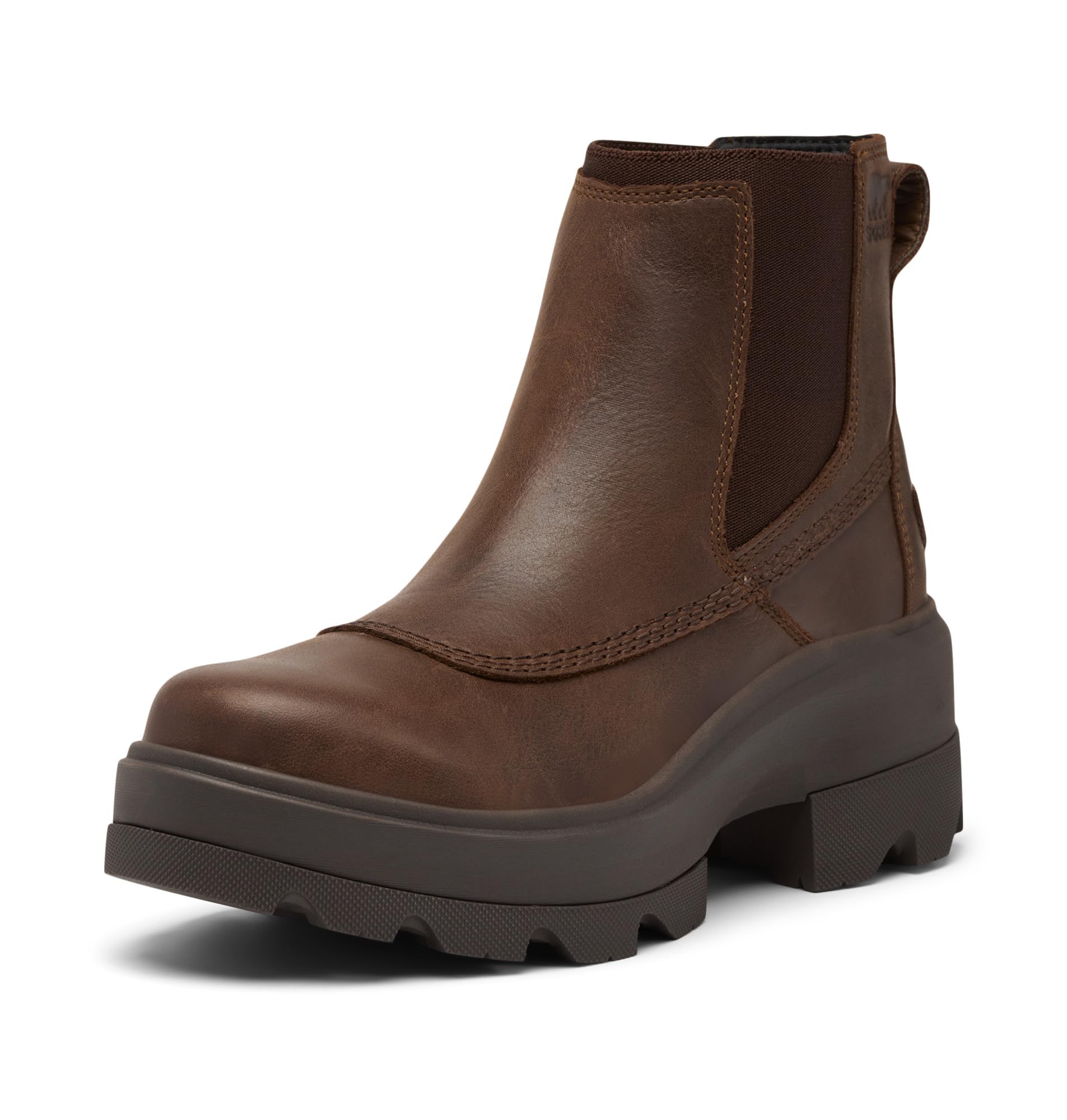
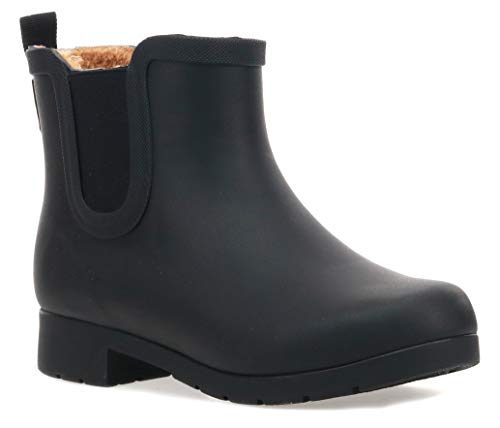
Slip on ankle boots are the simplest salon choice. They have no laces to catch clippings, they wipe clean fast, and elastic side panels make them easy to pull on before the first client. Their fit is fixed, though, so try them on late in the day.
Lace up ankle boots give you control. You can loosen the top eyelets when feet swell and tighten them again for a busy morning, which helps if your two feet differ slightly in size. The trade off is upkeep, since laces trap loose hair and need washing more often than a smooth upper does.
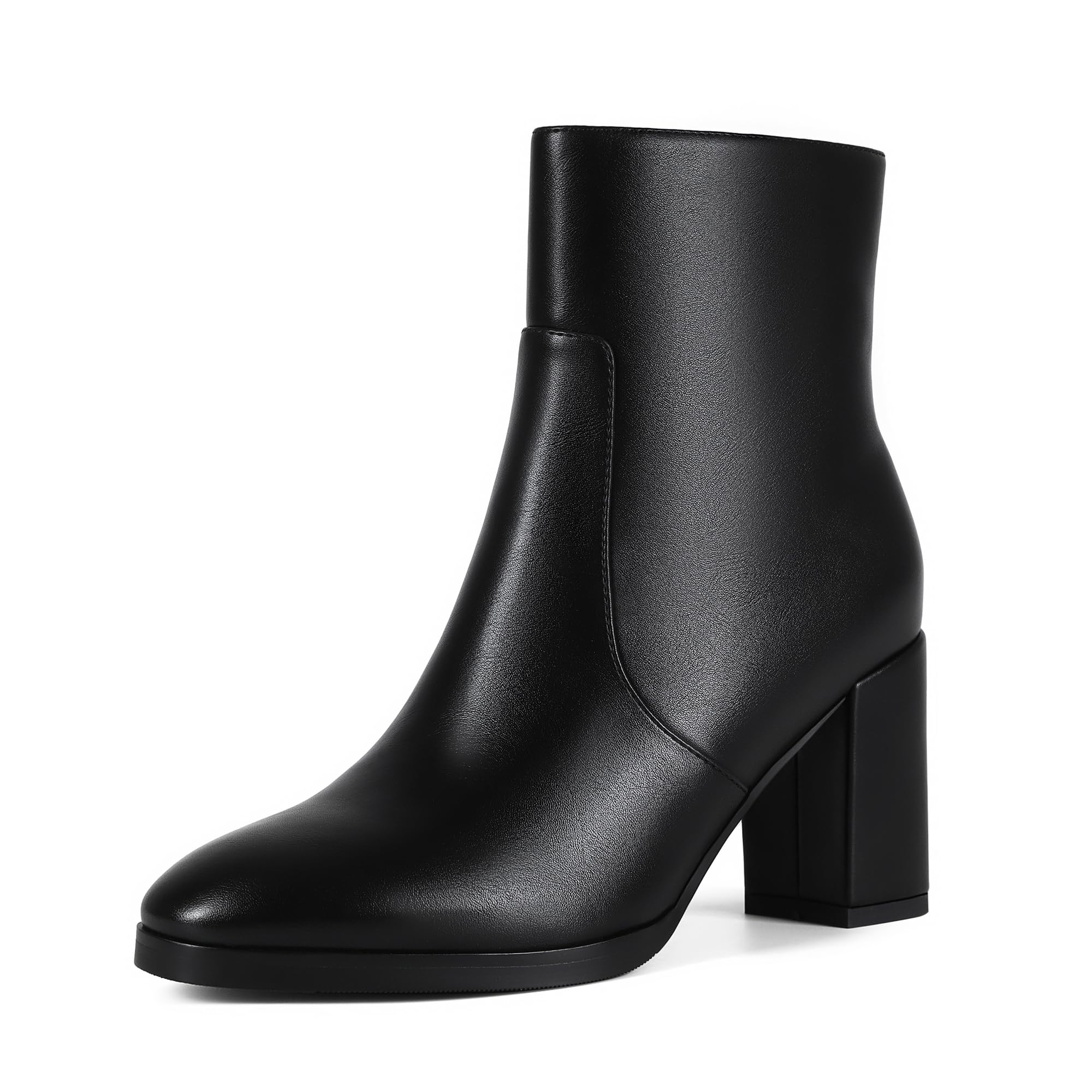
Taller shaft boots suit stylists who want more ankle coverage and a polished look with dresses or wide leg trousers. They guard your lower leg against hot tool cords and stray splashes at the shampoo bowl, but they can feel warm, so choose a breathable lining if you run hot. On days away from the chair, some stylists switch footwear entirely, and our guide to the best sandals for hairdressers covers open styles for time off.
Key Features to Compare
When you compare best boots for hairdressers side by side, work through the same five checks in order, so a low price never hides a thin sole.
Fit, Sizing, and Toe Box
Measure both feet in the afternoon, in the socks you wear at the salon, because feet lengthen and spread after hours of standing. Your longest toe should sit about a thumb width from the front of the boot, and your toes should lie flat without curling. A wide toe box lets the forefoot spread under your weight, which reduces pinching during long appointments. If you fall between sizes, choose the larger size and adjust with an insole, since a tight boot rarely stretches where your toes need room.
Cushioning and Support for Standing All Day
Cushioning absorbs the shock that hard salon floors send into your heels and knees with every step. Look for a thick foam midsole that still feels firm at the edges, because a sole that is soft all the way through can let your foot roll inward. A low heel to toe drop, often about 4 to 8 mm, keeps your weight spread evenly if you prefer a flatter stance. If you notice numbness, sharp heel pain that lasts for weeks, or swelling that does not fade overnight, talk with your clinician about personal needs instead of only changing shoes.
Slip Resistant Outsole and Stability
Salon floors collect water, conditioner, and fine clippings, and each one lowers your grip in a different way. A good outsole uses soft rubber with many small edges and channels that push liquid aside, so the boot keeps contact on a wet path to the backbar. Stability also comes from a broad heel base and a firm heel counter, which hold your ankle steady when you pivot around a chair with tools in hand.
Upper Materials and Breathability
Full grain leather resists splashes, sheds loose hair with a quick wipe, and molds to your foot over the first weeks of wear. Coated synthetic uppers weigh less and shrug off tint, but they can crack sooner where the boot bends. Mesh panels feel cool and breathable, yet they let water and color straight through, so save them for dry cutting work only. A moisture wicking lining and a removable insole help the pair dry between shifts, which keeps odor down.
Weight and Flexibility
A heavy boot protects well but taxes your legs across a shift of 8 to 12 hours, and that fatigue shows up as sore calves by closing time. Most stylists do best with a midweight boot that bends at the ball of the foot and stays stiff through the arch. Press the toe upward before you buy, because a boot that folds in the middle offers little support where you stand. The right balance lets you crouch at a low cabinet without fighting the boot.
Common Mistakes to Avoid When Buying Boots
Most returns trace back to a short test in the shop, so watch for these errors.
- Buying by price alone leaves you with a thin sole that aches on hard floors by the second week.
- Trying boots on in the morning hides the swelling that makes a snug fit painful by evening.
- Choosing a smooth fashion outsole invites a slip on wet tile near the shampoo bowls.
- Ignoring the return window means you cannot exchange a size after a real shift proves it wrong.
- Wearing one pair every day without rest wears the cushioning down months sooner than it should.
Clearing Hair Clippings and Keeping Grip on Wet Salon Floors
Brush loose hair from the upper and outsole after each shift, because clippings packed into tread grooves cut your grip on wet floors. Wipe leather with a damp cloth, let the boots air dry away from direct heat, and keep them open so the lining dries fully. A leather conditioner, used every few weeks, stops the surface from cracking where tint and water land most.
Rotate two pairs if you work full time, since foam needs about a day to recover its shape between shifts. Many stylists rotate boots with athletic shoes on lighter days, and our guide to the best tennis shoes for hairdressers explains that option. Replace your salon boots when the tread turns smooth at the heel or the midsole feels flat and dead, because worn grip and worn support rarely come back.
Boots for Hairdressers: Your Questions Answered
What features matter most in boots for hairdressers working long shifts?
Cushioning, grip, and toe room matter most for long shifts. Beyond those three, check the noise the outsole makes, because a squeaking boot distracts during a quiet consultation. A padded tongue also helps if you tie laces firmly, since it stops the top laces from pressing on the front of your ankle.
How often should hairdressers replace salon work boots?
Most hairdressers replace salon work boots after about 8 to 14 months of full time wear. Your timeline shortens if you work wet services daily, because water and chemicals age leather and glue faster than dry cutting does. Start shopping when aches return in a boot that once felt fine, rather than waiting for the sole to split.
Do hairdressers need waterproof boots for salon work?
Hairdressers who rinse and shampoo often benefit from waterproof boots, while stylists who only cut can choose water resistant uppers instead. A sealed boot also blocks loose clippings from reaching your socks, which matters if fine hair irritates your skin. A fully sealed upper vents heat poorly, though, so warm salons may call for a resistant upper instead.
Are expensive boots worth it for hairdressers?
Expensive boots are worth it for hairdressers only when the extra cost buys better cushioning, grip, or leather that lasts. Salon boots often run about $80 to $180, and paying past that range usually buys fashion details rather than comfort. Treat a higher price as fair when one pair outlasts two cheaper pairs across your working year.
How should boots fit hairdressers who stand all day?
Boots should fit hairdressers snugly at the heel, with clear space at the toes and no pressure across the top of the foot. Walk down a slope or ramp in the shop if you can, because toes that jam forward on a slope will jam during long days too. Add any insole you plan to use for the test, since it raises your foot inside the boot.
Wrapping Up
Match the boot to your role first, then test fit in the afternoon, grip on a wet surface, and cushioning on a hard floor. Those three checks rule out most poor choices before price even enters the decision. Keep a second pair in rotation, and your feet will end the week in better shape.
Use the product table above to compare shaft height, weight, and upper material against your needs. When you choose best boots for hairdressers by the work you actually do, you get a pair that supports every appointment.