
Best Boots for Golf Course Maintenance: Matching the Right Model to Your Routine for 2026
Disclosure: We may earn a commission when you buy through links on this page, at no extra cost to you. As an Amazon Associate I earn from qualifying purchases. Learn more

Compare the best boots for golf course maintenance with this buying guide on waterproofing, grip, support, and fit for long days working on wet turf.
There is no single pair of boots that suits every job on a golf course, because a morning spent hand watering greens asks something very different from an afternoon of bunker repair or irrigation work. The best boots for golf course maintenance for you depend on how much you walk, how wet your shifts get, and how much support your feet need across a long day. This guide walks through the features that matter, the fit details that prevent sore feet, and the habits that give a boot a longer working life.
Use the comparison table below to line up the main options side by side, then read on for the reasoning behind each spec. By the end you will know which boot height, outsole style, and level of waterproofing match your routine, and when owning a second pair for rotation is worth the money.


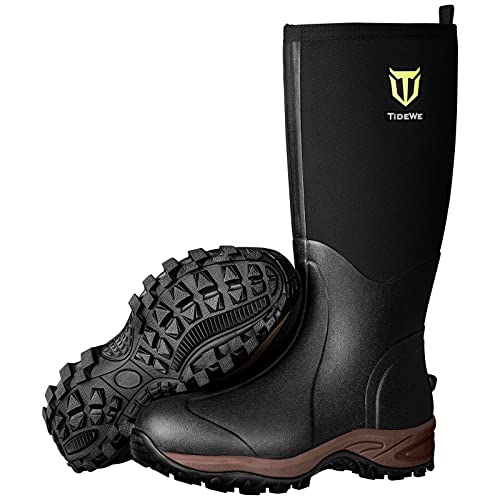


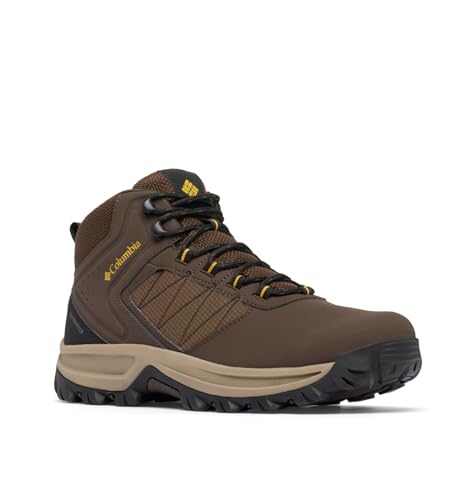

Who Should Buy Which Boots for Golf Course Work?
Maintenance crews are not one group. Start times, daily tasks, and hours on your feet vary a lot across a roster, and the right boot changes with them. The three groups below cover most of the people who keep a course playable. If your role sits outside daily turf work, you can also see our guide to the best work boots for golf course jobs for a broader view of grounds footwear.
For Full Time Greenskeepers and Crew Leads
You are on the course before sunrise most days, walking six to ten miles across wet grass, slopes, and cart paths. Prioritize durable uppers, full waterproofing, and firm support that still feels steady late in the shift. A defined heel matters more than many buyers expect, because it catches a pedal or a ladder rung without slipping. Operators who ride equipment need exactly that heel, plus an outsole that grips damp steel steps.
For New and Seasonal Crew Members
If you work a single season or a few days a week, you need comfort right away and durability that matches a shorter contract, not the toughest boot on the shelf. Look for lighter synthetic or mixed uppers that feel good out of the box and cost around $80 to $150. A waterproof membrane still earns its place here, because seasonal staff often draw the wettest early tasks.
For Part Time Staff Who Store Boots in a Locker
Some crew members keep their gear in a small locker or the back of a car, so a bulky tall boot is a poor match. A lower or mid height boot takes less room, weighs less to carry, and dries faster between short shifts. Choose a pair that pulls on quickly, because you may change footwear twice in a four hour shift. A gusseted tongue helps here, since it keeps bunker sand and clippings out even on a low boot.
Key Features to Compare
Specs only matter when they connect to a real task, so each feature below is tied to the work itself. When you compare the best boots for golf course maintenance side by side, these are the details that separate a boot that lasts two full seasons from one that starts hurting by midsummer.
Features That Matter for Golf Course Maintenance
Your working surface is wet turf, not gravel or concrete, so the outsole needs lugs that grip damp grass and mud yet shed soil instead of carrying it onto a green. Very aggressive lugs and any metal spikes are a problem, because they tear turf that your crew then has to repair. Uppers also live a hard life here, with daily exposure to dew, irrigation spray, fertilizer, and other turf chemicals. Leather or synthetic uppers that resist that splash exposure and wipe clean will outlast soft fashion materials. This job differs from playing the game, and the best golf boots built for a four hour round will not survive daily chemical exposure and heavy walking loads.
Cushioning and Support
A maintenance shift mixes soft turf with hard cart paths and concrete shop floors, so cushioning has to absorb impact without feeling unstable on a slope. A moderately firm midsole with real stability under the heel suits most workers better than a very soft foam that rolls on sidehill lies. Heel to toe drop on work boots usually sits around 8 to 12 mm, and that raised heel reduces strain on your calves during long walks. If you finish shifts with tired arches rather than sore heels, support matters more to you than extra softness.
Break In Period and Comfort Out of the Box
Full leather boots often need one to two weeks of regular wear before the upper softens and the insole shapes to your foot. Synthetic and mixed uppers usually feel comfortable sooner, which matters if you start a new job on Monday. Either way, wear new boots on shorter tasks first and watch for hot spots on your heels and the tops of your toes. A boot that pinches in the shop will not improve on a wet hillside, so exchange sizes early while returns are still simple.
Fit, Sizing, and Toe Box
Measure your feet late in the day, because feet swell during a shift and a morning measurement gives you a size that feels tight by noon. Your toes should clear the front of the boot with room for thick work socks, and the toe box should let your toes spread when you crouch to repair a sprinkler head. Your heel, by contrast, should stay seated with almost no lift as you walk. Many crew members go up half a size from their street shoes, and that small change prevents blackened toenails on downhill walks.
Arch Support and Foot Type
Flat feet tend to roll inward as they tire, a pattern called overpronation, and they do best with firmer arch support and a stable heel cup. High arches absorb shock poorly on cart paths, so they usually need more cushioning underfoot and an insole with a shaped arch bed. Most work boots ship with flat basic insoles, so check whether the insole removes easily if you plan to fit your own. Matching the boot to your foot type early prevents the knee and lower back aches that workers often blame on the job itself.
Common Mistakes to Avoid When Buying Boots
Most bad purchases come from a short list of repeat errors. Each one below costs money, comfort, or turf quality, and each one is easy to avoid once you see it written down.
- Buying on price alone, because a cheap boot that soaks through by nine in the morning makes every wet shift miserable and wears out within a season.
- Choosing deep aggressive lugs or spiked soles, because they chew up greens and collars that your own crew must then repair.
- Ordering your normal shoe size without trying the boots with thick work socks, because the fit changes enough to cause blisters on long walks.
- Wearing the same pair every single day, because the cushioning never fully recovers overnight and the boots stay damp inside.
- Ignoring chemical exposure, because soft untreated uppers crack and split after repeated contact with fertilizer and turf treatments.
- Skipping the warranty and return terms, because a waterproof membrane that fails in month two leaves you paying twice.
How to Make Your Boots Last Longer
Care for maintenance boots is mostly about water and residue. After each shift, knock off mud and grass, and rinse away fertilizer or chemical splash before it dries into the upper. Stuff wet boots loosely with newspaper and let them air dry in open air, away from direct heat, because a heater or hot vent warps leather and breaks down adhesives. Rotating two pairs across the week gives each pair a full day to dry and lets the midsole foam rebound.
Renew the waterproof treatment on the upper whenever water stops beading on the surface, following the boot maker directions for the material. Replace worn laces and insoles promptly, since a fresh insole restores much of the original cushioning for little money. Changing into sandals and recovery footwear after your shift helps your feet recover and extends the rest period for the boots. Store pairs upright in a dry spot rather than crushed under other gear.
Frequently Asked Questions
What features matter most in boots for golf course maintenance?
Waterproofing, turf safe traction, and lasting support matter most in boots for golf course maintenance. A sealed membrane keeps dew and irrigation water out during early shifts, while moderate lugs grip wet slopes without tearing turf. One feature many buyers overlook is boot height around the ankle, because a taller collar keeps bunker sand out when you rake and edge traps. Match those three basics to your daily tasks before you spend on extras like insulation.
How long is the break in period for golf course maintenance boots?
The break in period for golf course maintenance boots usually runs one to two weeks of regular wear for leather models, and only a few shifts for synthetic ones. Start with shorter tasks, then add full walking rounds as the upper softens. Plan the timing with your schedule in mind, and avoid breaking in a new pair during tournament week or a big event. Keep your old pair in rotation until the new boots feel fully settled.
How should golf course maintenance boots fit?
Golf course maintenance boots should fit snug at the heel, secure through the middle of the foot, and roomy enough in the toes for thick socks. Try them on at the end of a shift, when your feet are slightly swollen, to copy real working conditions. A lace technique called heel lock, using the top extra eyelet, stops heel lift on slopes without crushing your toes. If one foot is larger, fit the boots to that foot and adjust the other with sock thickness.
Are expensive golf course maintenance boots worth the money?
Expensive golf course maintenance boots are worth the money for full time staff, because the cost spreads across hundreds of shifts and better membranes and uppers last longer. A boot at about $200 worn for two seasons often costs less per season than a boot at about $90 replaced every year. Seasonal workers usually get better value from a mid priced pair. Also weigh the warranty, since coverage for a failed waterproof membrane can decide whether a premium price is truly justified.
Do golf course maintenance workers need waterproof boots?
Yes, golf course maintenance workers need waterproof boots for early shifts, because dew, irrigation, and wet rough keep grass soaked well into the morning. A membrane system such as Gore Tex keeps that water out while letting some moisture escape. Waterproof boots do run warmer in summer, so some crew members keep a lighter non waterproof pair for dry afternoon tasks. If you can only own one pair, choose waterproof, because wet feet cause blisters faster than warm feet cause discomfort.
How often should you replace golf course maintenance boots?
You should replace golf course maintenance boots when the lugs wear smooth, the midsole feels flat and dead, or the membrane starts leaking, which often happens after one to two heavy seasons. Write your purchase date inside the tongue so the age of the pair is never a guess. New fatigue in your knees or lower back during routine walks is another early warning sign. Replacing a worn pair on time protects both your joints and the turf your outsole no longer grips.
Final Thoughts
Start with the three decisions that shape every shift: full waterproofing for wet mornings, an outsole that grips turf without damaging it, and a fit that supports your arches across long walks. Match boot height and insulation to your climate and your task list, then use the product table above to compare the options that meet those needs. Chosen that way, the best boots for golf course maintenance stop being a guess and become the pair matched to your tasks, your feet, and your wettest shift of the week.


