Best Boots for Foresters in 2026: A Buyer Checklist for Woods Work
Disclosure: We may earn a commission when you buy through links on this page, at no extra cost to you. As an Amazon Associate I earn from qualifying purchases. Learn more

Use this checklist to choose the best boots for foresters with strong toe protection, sure grip on wet slopes, waterproof leather and lasting support.
Forest work puts your feet on side slopes, slick leaf litter, creek banks, and slash piles, often far from the truck. The best boots for foresters protect your toes, hold your ankles steady, and keep gripping when the ground turns soft. Use the comparison table below to line up options that match your ground and your tasks.
This guide works as a checklist rather than a set of product picks. It covers who needs which style, the features that matter most, and the mistakes that leave buyers with sore feet after one season. Read it with your typical workday in mind, because a boot that suits a saw crew may feel wrong for someone cruising timber on foot.




Who Should Buy Which Style of Forestry Boot
Match the boot to how far you walk, what you carry, and what can fall, roll, or soak your feet.
Timber Cruisers and Stand Examiners Who Walk All Day
You cover transects, climb over blowdown, and stop to measure and mark on uneven ground. Look for a mid weight boot with a firm shank, a cushioned insole, and a toe box that lets your toes spread on descents. Choose the lightest boot that still gives real ankle support, since excess weight costs energy mile after mile.
Saw Crews and Landing Workers Around Heavy Material
Your risks come from rolling logs, dropped tools, brush under tension, and saw work close to your feet. A taller shaft, a protective toe, and a stiff sole guard against knocks and keep your footing planted while you work in one spot. Stability matters more than a soft feel here, and employer safety rules may set the protection you must wear, so confirm them before you order.
Land Managers and Habitat Crews in Wet Low Ground
You plant seedlings, clear invasives, check culverts, and cross ground that stays soft long after rain. Waterproof construction, a shaft tall enough to keep out splash and debris, and an outsole that sheds mud will serve you best. Weigh insulation against your main season, because a very warm boot feels heavy on mild afternoons in standing water.
Key Features to Compare
When you compare the best boots for foresters with general work boots, the gaps show up in protection, grip, and how the boot holds up off trail. Work through each factor below.
Toe Protection and Shaft Height for Work Around Saws and Logs
A steel toe gives the strongest guard against a dropped log end or tool, while a composite toe weighs less and feels less cold in winter. Look for about 8 to 10 inches of shaft height to shield your ankle from brush, briars, and rolling debris. Some forestry boots carry a stated chainsaw protection rating; where your crew requires one, treat that rating as a must, not a bonus. A boot never replaces chaps, training, or safe cutting habits. Any saw contact, deep cut, or crush injury with fast swelling needs urgent medical care, so ask your crew safety lead what protection level your tasks demand.
Fit, Sizing, and Toe Box Room for Long Miles
Measure both feet late in the day, when they are at their largest, and try boots on with the socks you wear in the field. Your heel should stay seated when you walk downhill, while your toes need room to wiggle and clear the front on steep descents. Forestry boots often run narrow through the midfoot, so wide sizes matter if your forefoot spreads under a pack load. Sizes vary between makers, so walk a new pair indoors before the first long survey day.
Cushioning, Arch Support, and Shank Stiffness
A stiff shank bridges roots and rocks so the sole does not fold around every edge, which lowers foot fatigue on broken ground. Arch support keeps your foot from collapsing inward on side slopes, and a low heel to toe drop keeps your stance planted rather than pitched forward. Look for a firm but forgiving insole you can swap out when it packs down.
Outsole Grip on Mud, Leaf Litter, and Slopes
Deep lugs spaced wide apart dig through leaf litter to reach soil and shed mud instead of packing smooth. A defined heel edge helps you brake on descents, while softer rubber grips wet rock and bark but wears faster on gravel roads. Very hard rubber lasts longer yet can skate on slick logs, so match the compound to the surfaces you cross most. You can check sole stiffness by trying to wring the boot in your hands.
Leather Uppers, Waterproof Membranes, and Breathability
Full grain leather shrugs off abrasion from brush and slash better than thin fabrics, and it molds to your foot. A waterproof membrane such as Gore Tex keeps creek splashes and wet snow out, which matters when your route crosses seeps all day. The trade off is breathability, because a membrane vents sweat more slowly than plain leather in hot, dry woods. On hot, dry ridges, an unlined leather boot that dries fast overnight may suit you better.
Weight, Flexibility, and Expected Lifespan
Heavy boots protect well but tire your legs on long climbs, while light boots flex easily and give less support under a heavy pack. A stitched welt sole can often be resoled, which stretches the life of a good leather upper across several seasons. Judge lifespan by seasons of field use, and retire a boot when its structure gives out, not when the leather merely looks scuffed.
Boot Types Compared for Forestry Work
Three broad types cover most forestry jobs, each trading protection, weight, and water handling differently.
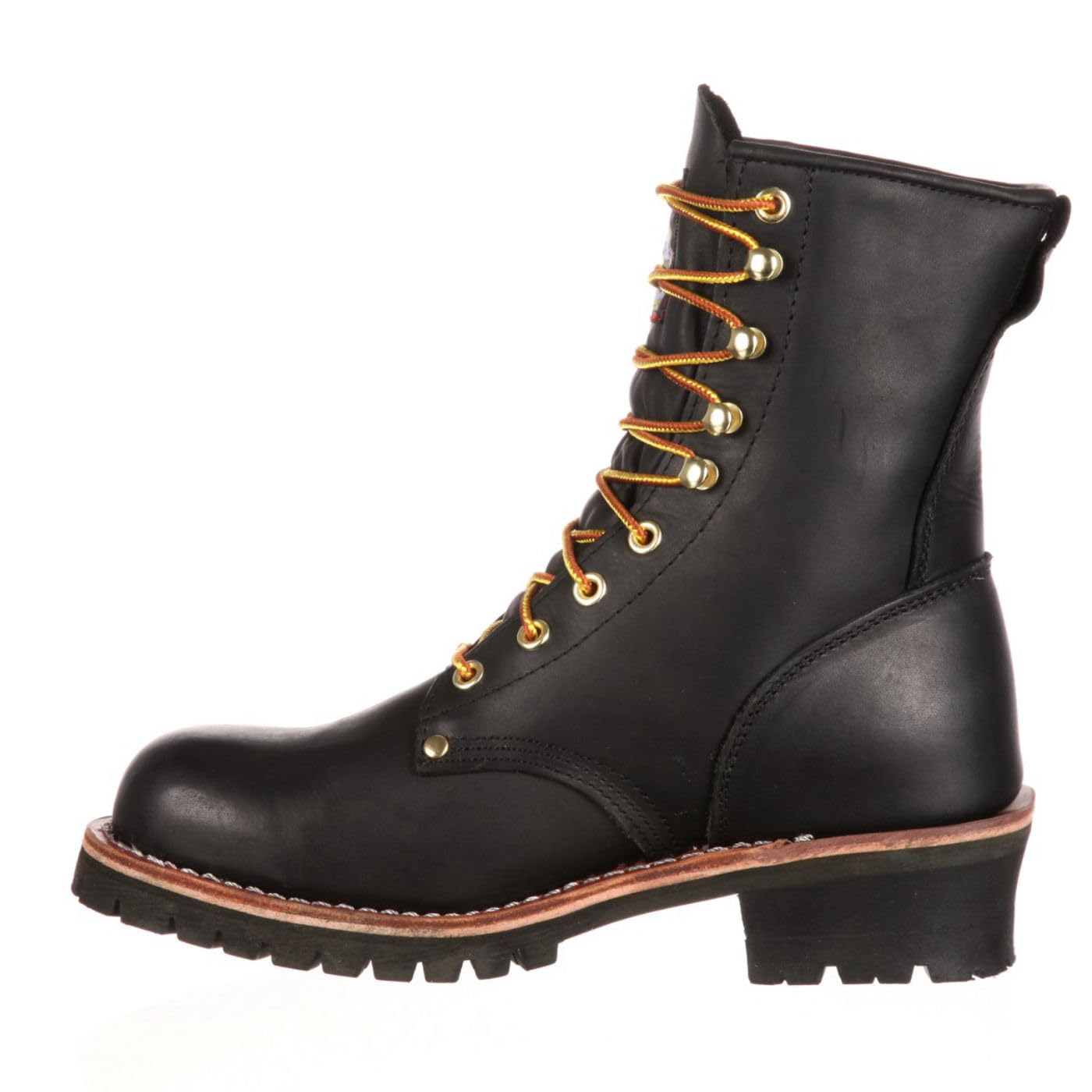
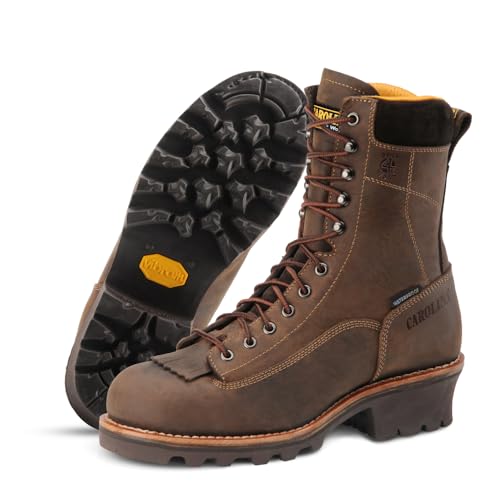
- Tall leather logger style boots give the most ankle coverage and a raised heel for braking on steep descents, at the cost of extra weight.
- Mid height hiking style forestry boots suit long cruising and marking days, but the shorter shaft lets in more debris and guards less against knocks.
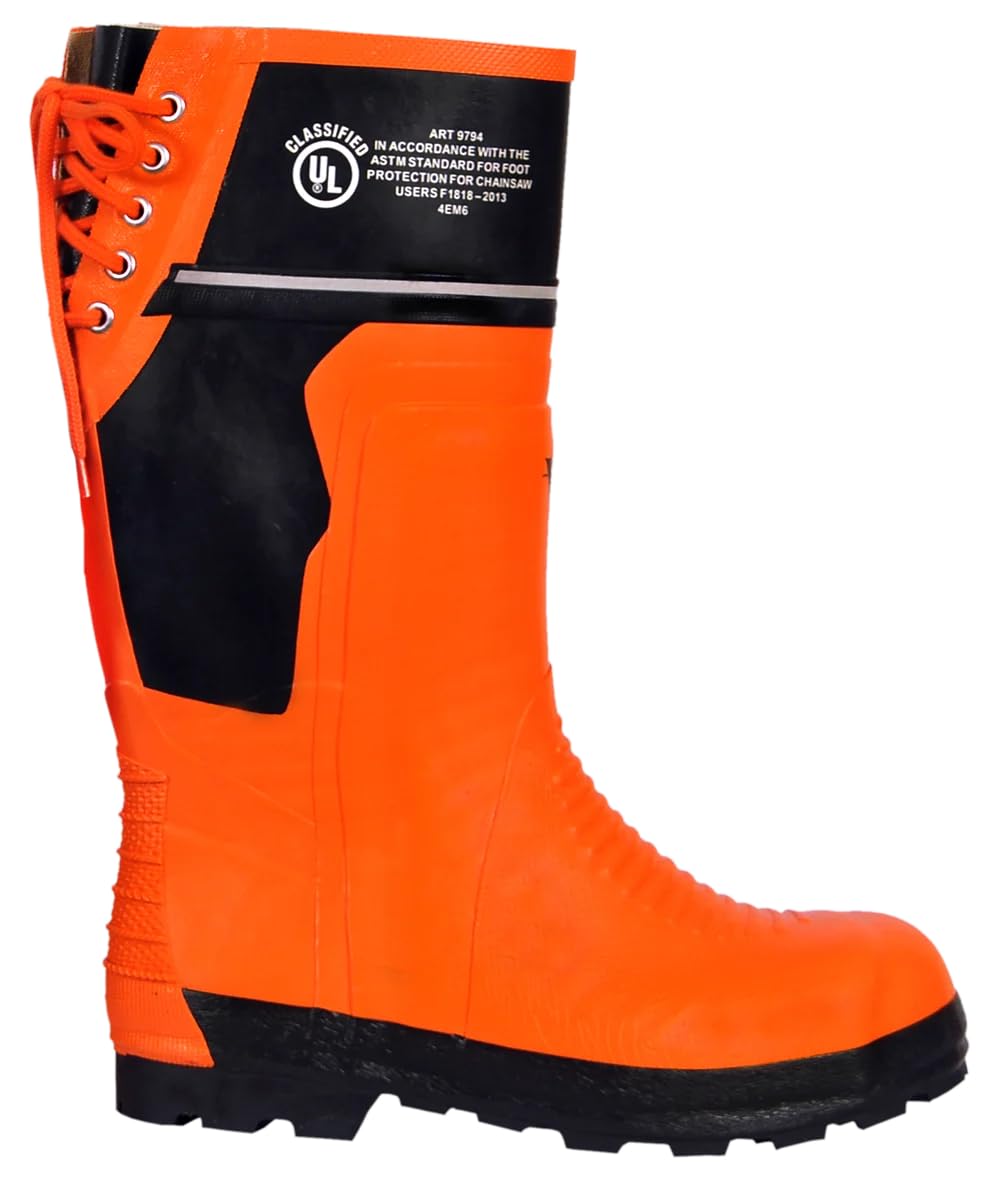
- Rubber bottom boots with leather uppers shrug off standing water and clean up fast, yet support the ankle less and feel clammy on warm afternoons.
Before you buy, each answer on this checklist should be yes.
- Does the toe protection match the rules your crew sets?
- Can you wiggle your toes while your heel stays locked?
- Are the lugs deep and open enough for your muddiest sites?
- Is the shaft tall enough for the brush you work in?
- Does the waterproofing match your wettest normal workday?
- Can the sole be resoled, or is a shorter life acceptable?
Common Mistakes to Avoid
- Buying a short boot for tall brush work, so debris fills the collar and wears raw spots into your ankle.
- Sizing boots with thin dress socks, then finding the fit too tight once you add field socks.
- Choosing a smooth fashion sole for the woods, so the first wet slope becomes an uncontrolled slide.
- Trusting vague claims with no stated toe rating, which often signals a boot built for looks.
- Wearing a brand new pair on your longest survey day, so small hot spots become blisters miles from the truck.
- Paying for heavy insulation you need one month a year, then sweating through warm season shifts.
Care and Maintenance for Forestry Boots
Knock mud off after each shift and brush dried dirt from the stitching, because grit left in seams grinds at thread and leather as you walk. Stuff damp boots with newspaper and let them air dry away from direct heat, since a stove or vent can crack leather and warp soles. Clean boots also reveal cuts in the upper early.
Condition full grain leather once it looks dry, using a product made for work boots, and go lightly on waterproof pairs so you do not clog the membrane. Rotate two pairs if you work wet ground daily, giving each a full day to dry. Arrange resole work while the upper is still sound, because a crumbled midsole leaves nothing worth saving.
FAQ
What features matter most in boots for foresters?
Toe protection, outsole grip, and ankle support matter most, because they guard you from falling material and keep you upright on slopes. Buyers often miss checking whether an employer contract names a required safety standard for footwear. A boot that fails that paperwork check stays in the truck no matter how well it fits.
Are expensive forestry boots worth the higher price?
Yes, when the extra cost buys resoleable construction, thicker leather, and a protective toe that meets your crew rules. A pair at about $180 to $350 that lasts three seasons costs less per season than a light pair replaced every year. The price stops paying off when it only adds insulation or styling you never use.
How often should foresters replace their work boots?
Replace forestry boots when the lugs wear smooth, the heel counter collapses, or cracks in the leather let water through. There is no fixed calendar date, because a cruiser on soft ground wears soles slower than a landing worker on gravel. Inspect your pair at the start of each season and budget for a replacement then.
How should forestry boots fit at the heel and toes?
Forestry boots should hold the heel firmly, leave a thumb width of space ahead of your longest toe, and feel snug rather than tight across the midfoot. If your heel lifts, try a lacing pattern that skips an eyelet near the ankle to lock it down before you change sizes. Sharp pressure on one toe rarely fades, so treat it as a reason to return the pair.
Do foresters need waterproof boots for wet woods?
Yes, for work in rain, seeps, and morning dew, because dry feet stay warmer and blister less on long walks. Water over the top of the shaft still gets in, and a sealed boot then dries slowly, so tall gaiters help on routes with deep crossings. On dry summer ridges, plain leather with good socks can feel cooler and dry faster overnight.
Final Thoughts
Start with the protection your tasks demand, then fit, then grip, and let price settle last. A tall leather pair suits saw and landing work, a lighter mid height pair suits long cruising days, and a rubber bottom pair suits ground that never dries out. Compare your shortlist in the product table above, and you will land on the best boots for foresters for the ground you actually walk.