
Best Boots for Flooring Installers in 2026: What Your Money Gets You
Disclosure: We may earn a commission when you buy through links on this page, at no extra cost to you. As an Amazon Associate I earn from qualifying purchases. Learn more

Compare the best boots for flooring installers by price tier, kneeling comfort, grip on finished floors, cushioning and long term costs before you buy.
Prices for work boots stretch from under $80 to well past $200, and the gap is not just a logo. The best boots for flooring installers earn their cost during hours spent kneeling, crouching and carrying planks. Use the comparison table below to see how price lines up with comfort, grip and wear.
This guide skips named models. It explains what each price tier usually buys, which features matter on subfloors and finished floors, and which extras you can skip. If you kneel more than you walk, your priorities differ from a general construction crew.


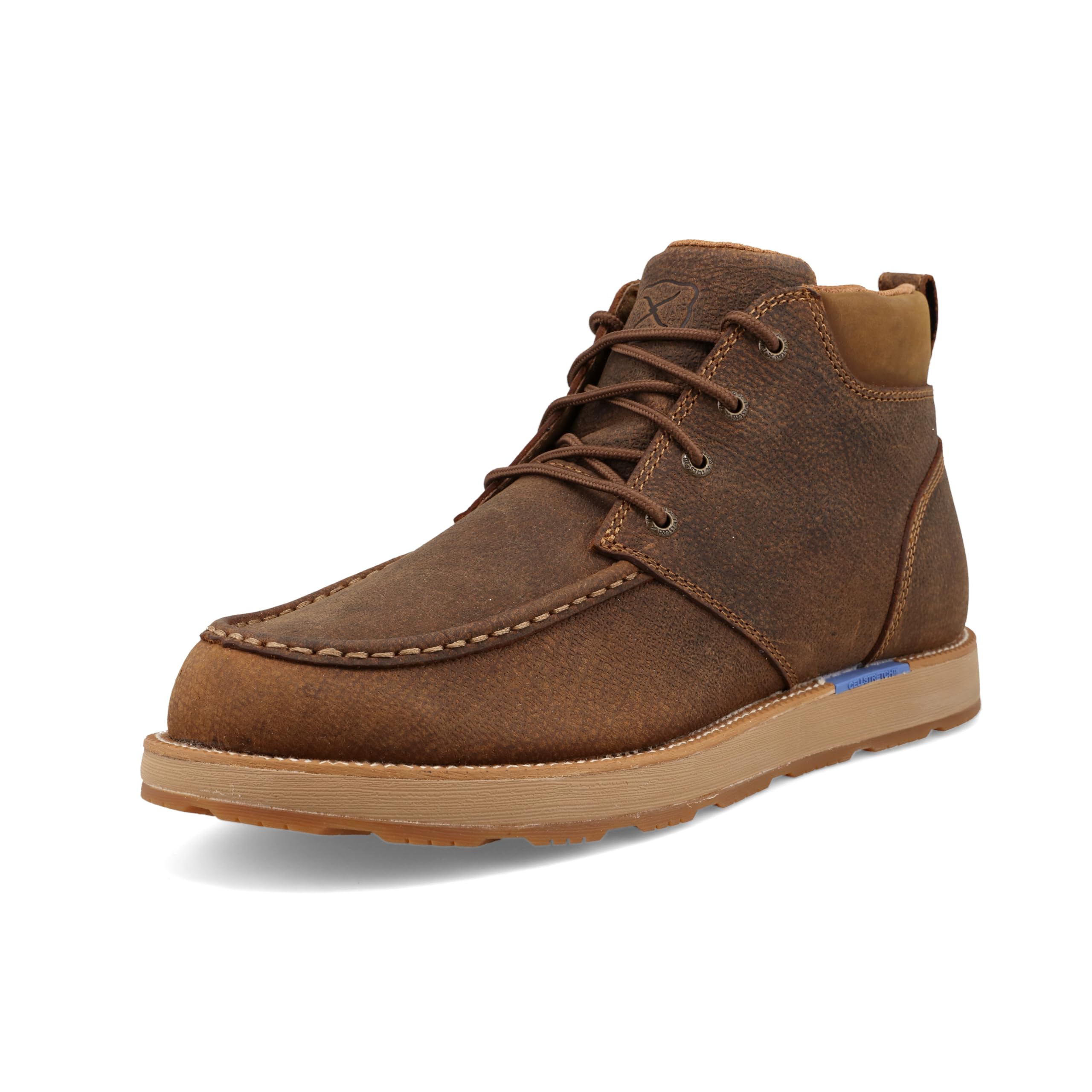


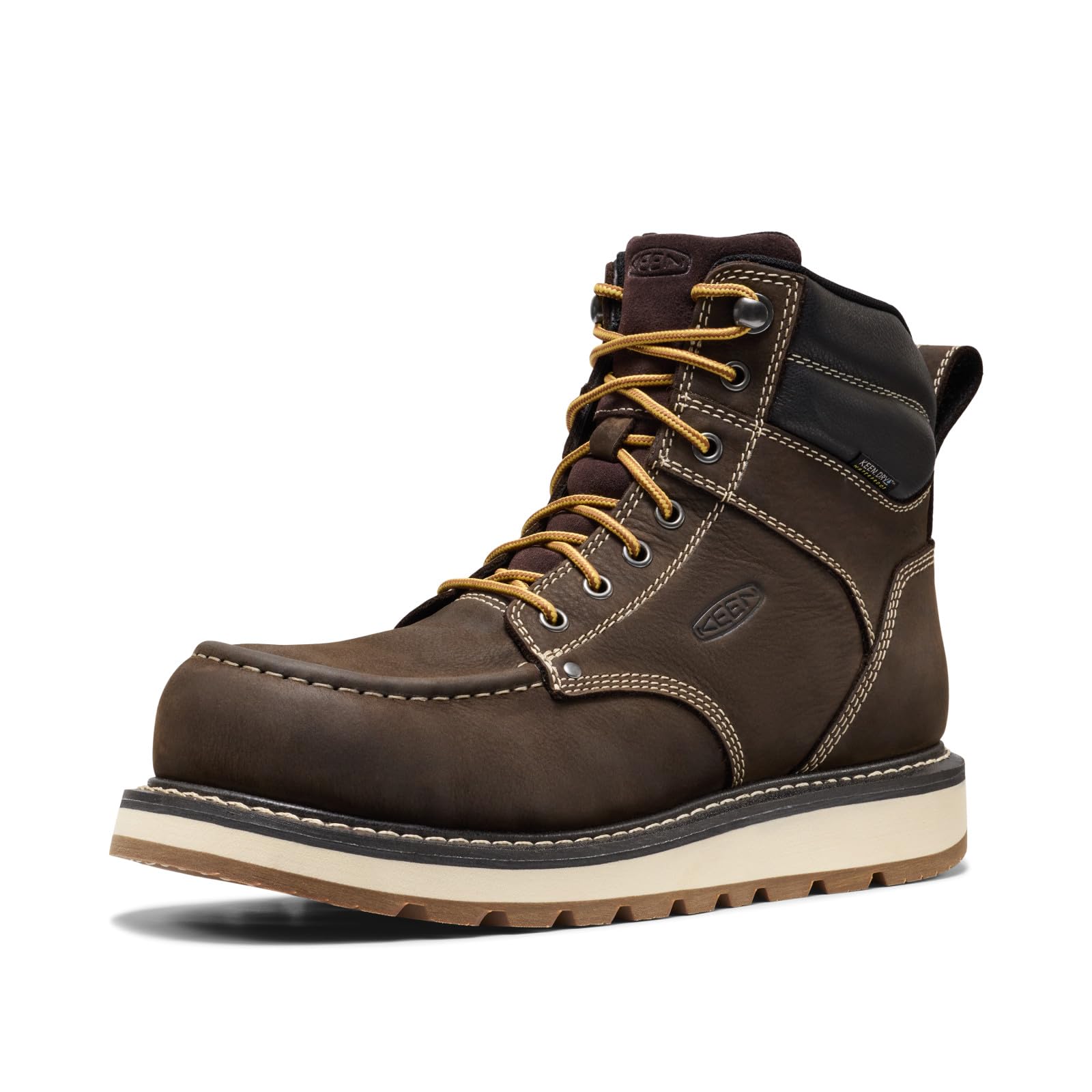


Who Should Buy Which Boots for Flooring Work?
Start with the task that fills most of your week, because each flooring role stresses a boot in a different place.
Installers Who Kneel Through Most of Every Job
You spend long stretches with your toes bent and your weight pressed through the front of the boot. Choose a flexible forefoot, a padded tongue and a reinforced toe area that can fold thousands of times without cracking. A soft, flat sole helps you shift position quietly. Most full time kneelers get better value from the middle tier.
Vinyl, Laminate and Carpet Crews on Finished Floors
You move fast across surfaces the customer will inspect closely, so one scuff can undo good work. Choose a light boot with a flat, unmarked outsole and shallow tread that sheds dust instead of carrying it into the room. A breathable upper suits heated interiors, and a lower cut frees your ankle for trim work.
Solo Installers Who Handle Demo, Prep and Fitting
You pry up old floors, carry materials, spread leveling compound and then install, often in the same day. Choose more ankle stability, a firmer midsole and a stronger upper than a pure fitting boot offers. Premium pricing makes sense here, because one pair must survive rough prep and stay presentable on finished floors.
Budget, Mid Range and Premium Boots for Flooring Work
Tiers are a useful shortcut, because the best boots for flooring installers at one price may trade durability for lightness that another crew values more.
Budget Tier: Basic Comfort for Lighter Schedules
Expect to pay about $80 to $120 for simple cushioning, a basic synthetic or split leather upper and a flat rubber outsole. These boots suit part time installers, apprentices and dry interior work with limited kneeling. The trade off is lifespan, because thin toe material and soft foam wear or pack down first.
Middle Tier: More Padding Where Your Weight Rests
Expect to pay about $120 to $180 for denser midsole foam, better arch support, more widths and a tougher guard over the toes. This is the tier most full time installers should start with, because the upgrades target kneeling comfort and toe wear directly. Uppers often mix leather with breathable panels, so you gain durability without cooking your feet indoors.
Premium Tier: Durability for Daily Kneeling and Heavy Prep
Expect to pay about $180 to $250 for stronger leather, firmer support, longer lasting outsole rubber and construction that tolerates daily kneeling plus prep work. You may also get a longer warranty and replaceable insoles. The money pays off only if you work full weeks on your knees or handle demo, because a light fitting only job rarely uses that toughness.
Features Worth Paying For and Ones to Skip
Judge every feature by one test. Does it help you kneel, grip, carry or finish a floor better?
Fit, Sizing and Toe Box Room for Kneeling
Measure your feet in the afternoon, when they are at their largest, and try boots while kneeling, not only while standing. Your toes need room to splay and bend without jamming into the front, while your heel stays seated as you rise. A wide toe box suits many installers. Toes that curl or tingle during a kneeling test at home signal the wrong size.
Outsole Grip That Protects Finished Floors
A flooring boot needs broad, flat contact, soft rubber and a shallow pattern that grips dusty subfloors without biting into vinyl or hardwood. Deep lugs belong outdoors, because they trap grit, print on soft finishes and feel unstable when you pivot on one knee. Stability on smooth floors comes from contact area, not tall tread.
Cushioning and Arch Support Through Long Shifts
Dense midsole foam spreads pressure when you stand to cut material, and steady arch support helps when you shift weight between knees and feet all day. A low heel to toe drop keeps your ankle in a natural position while crouching. Persistent numbness, sharp heel pain or knee pain that keeps spreading needs prompt attention from a clinician, and you should talk with your clinician about personal needs rather than relying on a boot change alone.
Toe Area Durability and Upper Materials
The toe area is the wear point of this trade, because it drags and folds every time you kneel. Look for a rubber or coated guard that wraps the front, stitching set back from the main fold line and an upper that resists glue and finish splashes. Full leather lasts longest but feels warmer, while synthetic panels run cooler and lighter. A guard that ends where your toes bend will crack early, so check that placement.
Breathability, Weight and Waterproofing Choices to Skip or Keep
A breathable, lightweight boot reduces leg fatigue and heat build up during indoor work, which matters more than storm proofing for most flooring jobs. A waterproof membrane earns its cost if you mix wet compounds daily or fit bathrooms and basements each week, but it traps heat and adds price on dry interiors, so skip it there. Skip heavy lug soles and tall shafts too, unless site rules or prep work demand them.
Insoles, Warranty Cover and the Real Cost Per Month
The purchase price is only part of what a pair costs. Replacement insoles run about $20 to $40. Divide the total by the months of comfortable use, and a middle tier pair that lasts twice as long as a budget pair often costs less per month.
Warranty length changes that math, because cover for split toe guards or failed stitching can save a full replacement. If your prep work needs a tougher protective toe and firmer ankle support, see our guide to the best work boots for flooring installers before you settle on one pair for every task.
Common Mistakes to Avoid
Most bad purchases come from judging a boot as a general builder would.
- Choosing deep lug soles for finished rooms tracks grit across the floor and can scuff soft vinyl.
- Buying a tight toe box saves no money, because your toes jam forward every time you kneel.
- Paying for a tall waterproof shaft on dry interior jobs leaves you with hot, stiff boots.
- Judging cushioning by the first soft step misleads you, because cheap foam can feel plush and then pack down within weeks.
- Wearing the same pair daily without drying time weakens the lining and shortens foam life.
- Testing fit only while standing hides the toe and heel problems that appear once you kneel.
Care and Maintenance for Boots Used on Flooring Jobs
Brush off dust and dried compound each day, and wipe adhesive or finish splashes off the upper promptly, following the maker guidance for that material. Stuff damp boots with paper and let them dry at room temperature away from direct heat, because hot air can crack leather and warp glued soles.
Condition leather uppers when they look dry, check the toe guard for splits and watch the outsole for smooth patches that no longer grip. Replace worn insoles before you blame the boot, since a flattened insole can make a sound midsole feel dead.
FAQ
What features matter most in boots for flooring installers who kneel all day?
Kneeling flexibility, unmarked grip and toe room matter most for installers who kneel all day. Rank those three by your heaviest task, not your lightest, because a boot that survives demo and fitting will handle a simple install, while the reverse rarely holds.
How should boots for flooring installers fit at the toes and heel?
Boots for flooring installers should leave about 10 to 15 mm ahead of your longest toe while your heel stays seated. Check both feet, because one is often slightly larger, and fit to the larger one. Wear your usual work socks for the test, since thin socks can hide a tight midfoot that will ache by midday.
How long is the break in period for boots for flooring installers?
The break in period for boots for flooring installers is usually about one to two weeks of regular shifts. Start with shorter prep days if you can, and increase kneeling time as the upper softens around your toes. A hot spot that turns into a blister is a warning to adjust lacing or socks early, not a stage to push through.
Do flooring installers need waterproof boots for indoor work?
Most flooring installers do not need waterproof boots for indoor work. A water resistant upper handles the odd splash from a bucket or mop without trapping heat all day. Choose a full membrane only if wet rooms, basements or outdoor entries fill a steady share of your week, because occasional damp rarely justifies the warmth and cost.
How often should flooring installers replace their work boots?
Flooring installers should replace work boots when the toe guard wears through, the outsole turns smooth or the midsole stays compressed, which often lands at about 12 to 18 months of daily use. Track the month you started wearing a pair, because gradual wear is easy to miss until aches point to support that has already faded.
Our Verdict
For most full time installers, the middle tier buys the best balance of kneeling comfort, toe durability and support, while premium pairs reward crews who also do heavy prep. Budget pairs suit lighter schedules. Use the product table above to compare widths, sole style and price against the tier guidance here.
Choose the best boots for flooring installers for the surface you kneel on most, fit them late in the day and let long term wear, not a first soft step, judge whether the price was fair.


