
Best Boots for Flatbed Trucking in 2026: A Buying Guide
Disclosure: We may earn a commission when you buy through links on this page, at no extra cost to you. As an Amazon Associate I earn from qualifying purchases. Learn more

Choose the best boots for flatbed trucking with guidance on safety toes, grip on steel decks, cushioning, waterproofing and fit for long work days.
Flatbed work asks more of your feet than driving alone. You climb onto decks, walk steel and lumber, throw tarps, pull straps tight and step down to uneven ground, often in rain or dust. The best boots for flatbed trucking protect your toes, grip slick surfaces and stay comfortable through all of it. Use the comparison table below to match each design to your work.
Start with your usual week. A driver who tarps daily needs different support from one who secures lighter loads at clean docks. Your routes, weather and time on concrete point you to the right toe, sole and height.


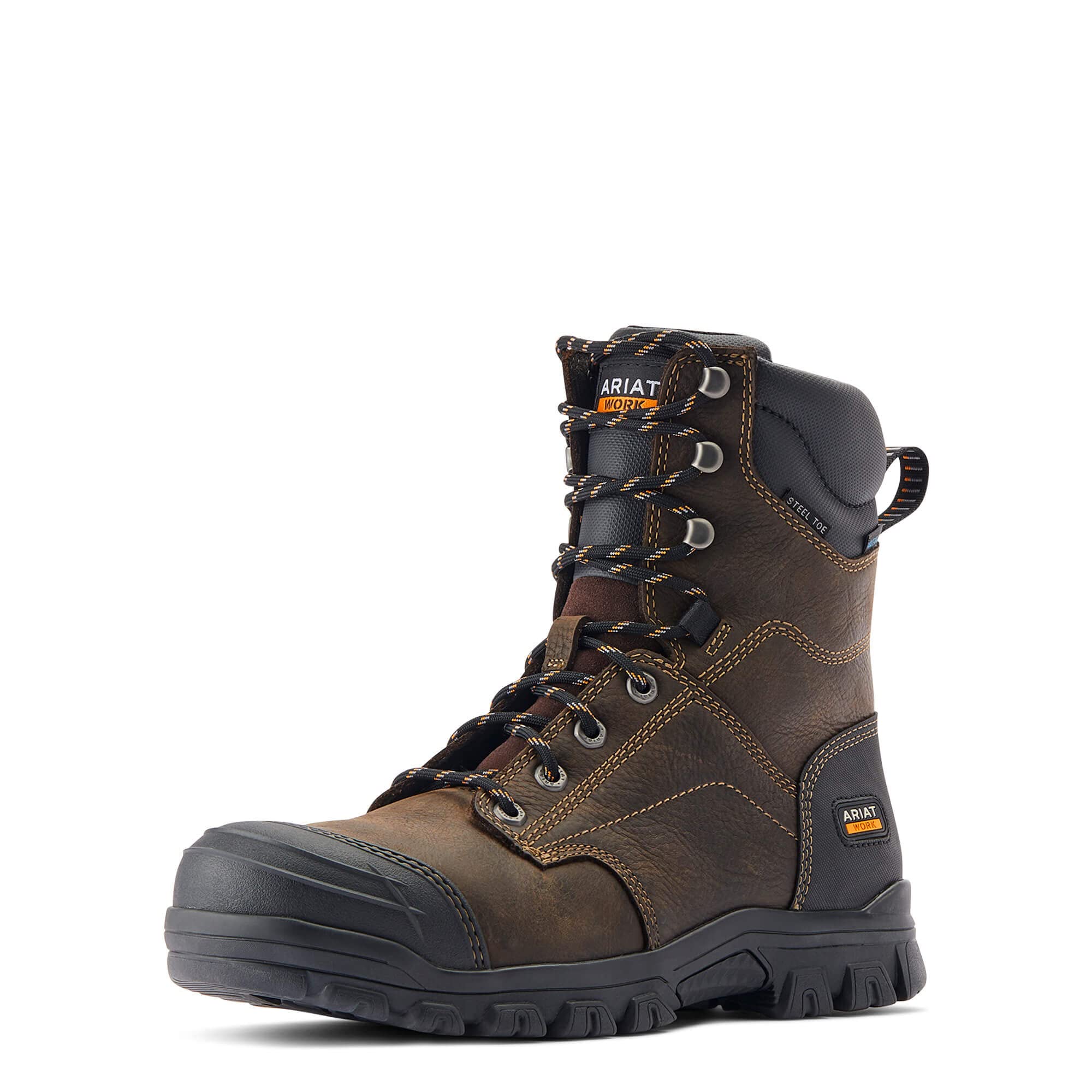
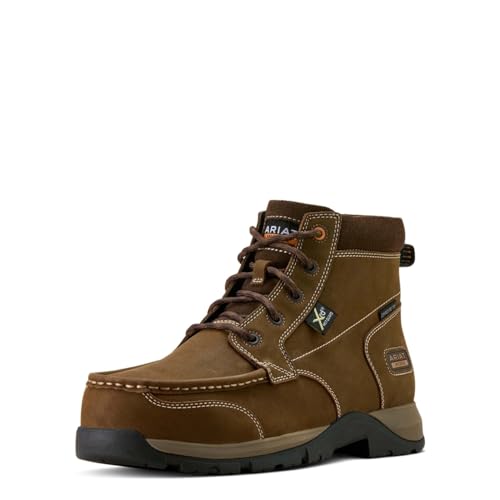

Who Should Buy Which Boots for Flatbed Trucking?
Pick by the task that fills most of your day, not by looks or by the tallest shaft in the store.
Drivers Who Tarp Daily
You climb, kneel, pull and walk the trailer many times before you drive. Choose a protective toe, a firm heel and a sole with deep tread that still flexes at the forefoot. Ankle support matters because you step down with your hands busy. A boot about six to eight inches tall gives support without feeling stiff on long drives.
Drivers on Wet and Muddy Sites
You deliver to yards and open lots where puddles and mud are normal. Choose waterproof boots with sealed seams, a gusseted tongue and tread that clears mud instead of packing smooth. Dark leather hides stains and handles scrapes. Keep a second pair in the cab, because rotating pairs lets each one dry fully.
Drivers on Concrete All Day
You load at warehouses, then stand during checks and fuel stops. Choose strong cushioning and arch support first, with a wider toe box if your feet swell late in the day. A lighter boot reduces fatigue, but do not trade away toe protection to save weight. Look for a stable base that does not roll when you pivot.
Key Features to Compare
Compare these factors in order, because flatbed tasks combine hazards that a general work boot may handle only partly. That mix is why the best boots for flatbed trucking differ from ordinary driving shoes.
Safety Toe and Upper Protection
A safety toe guards your toes when a binder slips, a chain hook drops or cargo shifts at your feet. Steel toes offer strong protection in a slim shape, while composite toes weigh less and feel less cold in winter. Check that the cap does not press your toes when you kneel. Full grain leather resists cuts from strap edges better than thin mesh, and a rubber toe guard adds life where you scuff the deck.
Grip on Steel and Wet Ground
Traction decides how safe you feel on a damp steel deck or a tarp slick with rain. Look for rubber outsoles with multidirectional lugs, wide channels that shed water and a defined heel for rungs and deck edges. Oil resistant rubber helps at fuel islands. Avoid shallow fashion tread, because it can slide on wet metal and pack with mud.
Ankle Support and Stability
Stability matters every time you step down from the trailer carrying a strap or edge protector. A firm heel counter, solid lacing to the top eyelets and a shaft that hugs the ankle reduce roll on uneven ground. Try boots late in the day and walk a curb to feel for heel lift. Repeated slipping blisters the heel and tires your calves.
Cushioning and Arch Support
Cushioning must absorb impact without feeling unstable during heavy effort. A foam or polyurethane midsole with a supportive insole suits most drivers, and a modest heel to toe drop of about 8 to 12 mm suits drivers used to work boots. Match arch support to your feet, because a high rigid arch can ache under a flat foot. If sharp heel pain, numbness or swelling does not settle with rest, see a doctor or foot specialist and talk with that clinician about your personal needs.
Sizing With Thick Work Socks and Room to Kneel
Measure both feet in the afternoon while wearing your thickest work socks, because feet expand during a shift. You need about a thumb width of space ahead of your longest toe, room to wiggle toes inside the toe box and no pinch across the forefoot when you kneel. Sizes vary by brand, so use length in inches from a size chart. If one foot is larger, fit that foot and tighten the other side with lacing.
Waterproofing, Breathability and Weight
A waterproof membrane such as Gore Tex keeps rain and slush out while letting some vapor escape, and it suits drivers who work outdoors in all seasons. The tradeoff is warmth and slower drying once water enters over the top, so breathable unlined leather feels better in hot regions. A pair around three to four pounds feels manageable, while much heavier boots tire your legs during climbs.
Three Boot Builds Flatbed Drivers Choose Between
Most flatbed drivers choose between three broad types, each trading protection, weather cover and flexibility differently.
Waterproof Leather Boots
These boots pair a leather upper with a sealed membrane and a lugged rubber sole. They suit drivers who tarp in rain, walk wet yards and face snow. They cost more and feel warmer in summer, but they keep socks dry outdoors. Expect to pay about $120 to $250 for a solid pair.
Unlined Leather Boots
Unlined leather boots breathe better and dry faster after sweat or a brief splash, which suits desert routes and summer work in the South. Leather still guards against scrapes, and the simpler build often costs about $80 to $180. They will soak through in steady rain, so keep a waterproof pair in the cab if storms are common on your route.
Lightweight Composite Toe Boots
Composite toe boots use nonmetal caps and lighter midsoles to cut fatigue when you move between cab, yard and dock. They also pass through metal detectors without removal, a small plus at secure facilities. They can feel less rigid during heavy securing work, so check sole stiffness by twisting the boot in your hands.
Common Mistakes to Avoid
These errors are common and only show up later on the deck or at the end of a shift.
- Buying boots without a protective toe leaves your toes exposed when chains, binders or cargo shift at your feet.
- Choosing shallow tread for wet steel decks makes slips more likely during tarping and load checks.
- Sizing boots in the morning with thin socks gives a fit that pinches once your feet swell at work.
- Wearing new boots on a long route without break in time invites blisters far from home.
- Ignoring boot weight tires your legs during repeated climbs onto the trailer.
- Drying wet boots on a hot vent warps leather and cracks the upper near the toes.
Cleaning and Rotating Pairs Between Trips
Brush off dust, salt and mud after each trip, then loosen the laces and pull the insoles out so air can reach the inside. Dry wet boots at room temperature away from direct heat, and stuff them with newspaper if the leather is soaked. Condition leather once it looks dry or stiff. Rotate two pairs if you can, since rest lets moisture leave the lining.
Check the outsole each month for worn lugs, and inspect stitching, eyelets and the toe guard for damage. Replace boots when tread looks smooth, the midsole feels flat or the upper splits, because worn soles lose grip early. Store boots upright, away from diesel and solvents that can soften rubber.
FAQ
What features matter most in boots for flatbed trucking?
A protective toe, reliable grip on wet steel and solid ankle support matter most in boots for flatbed trucking. After those three, judge weather cover and comfort on concrete. One useful check is to stand on a metal step, because a store floor does not reveal how the sole behaves on a slick deck edge.
How should boots for flatbed trucking fit at the heel?
Boots for flatbed trucking should hold the heel firmly with only slight lift as you walk. The front can feel roomy while the heel stays locked, and that mix is ideal for climbing. If the heel lifts more than a small amount, try a runner loop with the top eyelets before changing size, because lacing can fix lift without squeezing your toes.
Can I wear boots for flatbed trucking while driving?
Yes, you can wear boots for flatbed trucking while driving, as long as the sole flexes enough for smooth pedal control. Test the pedals while parked before your first route in a new pair. Some drivers keep light driving shoes in the cab for long stretches, then change into boots before securing or unloading.
Do I need waterproof boots for flatbed trucking in summer?
You need waterproof boots for flatbed trucking in summer only if rain, wet yards or washdowns are common on your routes. In hot and dry areas, a breathable leather boot often feels cooler during tarping at midday. A middle option is to carry waterproof overshoes for storms and wear the lighter pair daily.
How long is the break in period for flatbed trucking boots?
The break in period for flatbed trucking boots is usually about one to two weeks of regular wear. Start with short yard tasks and local runs, then add longer days once hot spots fade. Leather softens at the ankle first, while stiff safety toes never stretch, so toe pressure on day one means the shape is wrong.
Are higher priced boots for flatbed trucking worth the cost?
Higher priced boots for flatbed trucking are worth the cost when the extra money buys a better sole, stronger leather or a replaceable welt. Those features extend working life and keep grip longer. Price alone proves little, though. A costly boot with shallow tread is a worse buy than a plain work boot built for wet metal.
Final Thoughts
Put safety toe protection, deck grip and honest fit ahead of style, then choose waterproofing for your climate. Try shortlisted pairs with work socks late in the day and use the product table above to compare toe type, sole and price.
When you judge best boots for flatbed trucking by the work you repeat each week, the right pair supports every climb, strap pull and mile. Buy the pair you will trust on a wet deck at the end of a long day.


