
Best Boots for Film Sets in 2026: A Crew Checklist
Disclosure: We may earn a commission when you buy through links on this page, at no extra cost to you. As an Amazon Associate I earn from qualifying purchases. Learn more

Compare the best boots for film sets by quiet soles, cushioning for long days, grip on studio floors, fit and safety, with a clear buyer checklist.
A film set asks a lot of your feet. You stand on concrete stage floors, cross cables and ramps, and move quietly during takes. The best boots for film sets keep you silent, steady and comfortable from call time to wrap, and the comparison table below helps you check the basics fast.
This guide is built around the work itself rather than fashion or hiking. It explains which crew roles need which level of protection, how to judge cushioning, grip and fit, and how a simple checklist can stop a noisy or painful purchase.


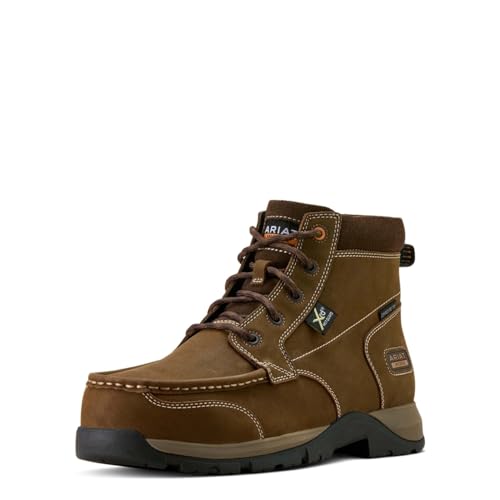


Who Should Buy Which Boots for Film Sets?
Your department decides what your boots must do first. A quiet sole matters most near the camera, while toe protection matters most around rigging and heavy cases.
Camera, Sound and Focus Crew Who Must Move Quietly
You work close to actors and microphones, often in the dark, and a squeak or hard heel strike can ruin a take. Choose soft rubber outsoles, low quiet heels and matte black uppers that do not reflect light toward the lens. Lightweight shoes in boot form suit you, since you crouch, track and reposition all day.
Grip, Lighting and Rigging Crew Around Heavy Gear
You lift cases, build stands and work near dollies, truss and cable runs, where a dropped item can land on your feet. Choose a composite toe or steel toe rated for impact, plus ankle support for ramps and loading docks. Accept extra weight here, because protection is the main job, but keep cushioning strong for long carries.
Production, Locations and Assistant Crew on Mixed Ground
You cover the most ground, from office runs and parking lots to fields, gravel and city sidewalks in one day. Choose a balanced boot with moderate tread, water resistant uppers and enough breathability for warm afternoons. A roomy toe box helps because feet swell after hours of walking between departments. You rarely need the heaviest safety toe, so a lighter boot with good stability usually serves you better.
Key Features to Compare
When you compare the best boots for film sets, work through these factors in order. Noise, comfort and grip affect every take, while fashion details affect almost none of them.
Quiet Outsoles and Grip on Set Surfaces
The outsole decides both noise and traction, because it is the part of the boot that meets the floor. Soft rubber with a shallow, close pattern tends to stay quiet on wood stage floors and polished concrete, while deep lugs can click, catch on cable edges and track mud indoors. Check grip on smooth floors, metal ramps and damp pavement, since a set boot must hold on all three.
Cushioning and Arch Support for Long Standing
Cushioning matters most when you stand still, because your full weight presses into the same spots while a scene is lit and rehearsed. Look for a firm midsole that absorbs pressure without feeling spongy, plus a removable insole you can swap for one that matches your arch. Flat feet usually need more structure under the arch, while high arches often need more padding under the heel and forefoot.
Fit Checks for Twelve Hour Days on Set
Fit your boots late in the day, when your feet are at their largest, and wear the socks you plan to use on set. Your toes should wiggle without sliding, your heel should stay seated on a ramp, and no seam should press across the top of your foot. A wider toe box suits crew who stand for hours, since swelling needs somewhere to go.
Upper Materials, Breathability and Water Resistance
Leather uppers handle scuffs from cases and cable runs well and look tidy in matte black, but they dry slowly and can feel warm under stage lights. Mesh and knit panels feel breathable on summer location days, yet they soak fast and admit dust and grit. For wet exteriors, a membrane such as Gore Tex can keep rain out, while a water resistant coating suits light drizzle.
Safety Toes, Ankle Support and Stability
Choose toe protection by risk, not by habit. Departments that move truss, generators and heavy cases benefit from a rated safety toe, and composite toes keep weight down and avoid metal near electrical work. Ankle height helps on uneven location ground, but stiff collars can rub on long walks, so judge stability by a wide sole base and a snug heel.
Weight, Color and a Tidy Lace Fit
Weight adds up across thousands of steps, so every extra ounce matters by the final setups of the night. Lighter boots reduce leg fatigue, while heavier boots often bring thicker soles and stronger toes, so match weight to your department. Keep laces short, tucked or double knotted, because a loose lace near cable runs and dolly track is a trip risk.
Quick Buyer Checklist for Film Set Boots
Answer these questions before you pay. A boot that fails the first three will annoy you or the whole crew, no matter how good it looks in a product photo.
- Can you cross a hard floor in these boots without a squeak, click or heavy heel sound?
- Does the outsole grip on smooth concrete, a metal ramp and a wet sidewalk?
- Can you stand still for thirty minutes without hot spots under your heel or forefoot?
- Do your toes stay clear of the front on slopes and stairs?
- Is the toe protection right for the gear your department actually moves?
- Are the uppers dark, matte and clean enough for work close to camera?
- Will the laces stay short, secure and clear of cables and track?
Watch for red flags while you shop. Vague comfort claims with no detail on sole material, no stated safety rating on a boot sold as protective, and sizing advice that ignores wide options all suggest careless design. If a listing cannot name the outsole material or toe type, move on.
Common Mistakes to Avoid
- Buying glossy fashion boots with hard soles makes every step audible and can draw reflections near camera.
- Choosing the heaviest safety toe for a quiet camera role adds fatigue without protection you need.
- Wearing brand new boots for a full call day invites blisters that trouble you for the rest of the shoot.
- Leaving laces loose or trailing lets them catch on cables and dolly track and can turn a snag into a fall.
- Judging fit in the morning leads to pinched toes later, because feet swell during long standing.
- Picking deep hiking lugs for stage work tracks dirt indoors and makes steps louder on hard floors.
Care and Maintenance for Film Set Boots
Brush dust and dried mud off your boots after each shoot day, and wipe tape residue off the soles before it builds up. Stuff the toes with plain paper and let wet boots air dry at room temperature, away from heaters, since heat can crack leather and warp sole glue. Rotate two pairs on long runs of days, because a rest day lets cushioning recover and linings dry fully.
Condition leather uppers when they look dry, and reproof water resistant finishes when rain soaks in instead of beading on the surface. Check tread depth, loose stitching and worn heels each week, and replace insoles when they stay flat after a day of standing.
FAQ
What features matter most in boots for film sets?
Quiet soles, steady grip and lasting comfort matter most in boots for film sets. Start with the call sheet, because a stage day rewards soft soles and dark uppers, while a location day rewards tread and water resistance. Add toe protection only where your department moves heavy gear. That order stops you paying for features your role never uses.
Are expensive boots for film sets worth buying?
Expensive boots for film sets are worth buying when the extra cost brings a resoleable build, a rated safety toe or a better insole. Think in cost per shoot day rather than the price on the tag, since a boot worn for a full season spreads its cost thin. A replaceable insole also lets a sound boot feel fresh again at low cost.
How often should I replace boots worn on film sets?
Replace boots worn on film sets when the tread feels smooth on wet floors or the midsole stays compressed after a rest day. Keep a simple log of shoot days in your kit bag, because hours on concrete wear soles faster than occasional location walks. A sudden new squeak can also signal a separating sole, so retire the pair before grip fails during a carry.
How long is the break in period for new film set boots?
The break in period for new film set boots is usually a few short wears rather than one long day. Wear them for home errands and short walks first, with your set socks, so stiff spots appear while you can still change shoes. Leather boots may need about a week of this pattern, while softer uppers often feel ready sooner.
Do I need waterproof boots for film set work?
You need waterproof boots for film set work only when your schedule includes rain, wet fields or wash down areas. Many crew keep one waterproof pair on the truck as backup and wear a lighter pair indoors, which avoids soaked socks on wet days. Check the location forecast the night before call so the right pair is ready in the morning.
The Bottom Line
Put quiet grip first, then cushioning for long standing, then the protection your department truly needs. Fit boots late in the day, keep them dark and tidy, and break them in before a full call. Use the product table above to compare sole type, toe protection and weight.
Chosen that way, the best boots for film sets fade into the background of your work, which is where good crew footwear belongs.


