
Best Boots for Field Work in 2026: Which One Fits the Way You Use It?
Disclosure: We may earn a commission when you buy through links on this page, at no extra cost to you. As an Amazon Associate I earn from qualifying purchases. Learn more

Compare boots for field work by fit, traction, waterproofing and support, with a clear checklist for mud, gravel, heat and long days on rough ground.
There is no single pair that suits every field site, because mud, gravel, heat and concrete each ask for something different. The best boots for field work match your terrain, your hours on foot and the hazards your site plan names. Start with your hardest regular condition, then use the comparison table below to check fit, traction and protection against that condition first.
A boot that feels fine for a short site visit can punish your feet by the end of a full week of walking lines, inspections or repairs. This guide works by use case first, so you spend on the features your work actually uses every day.


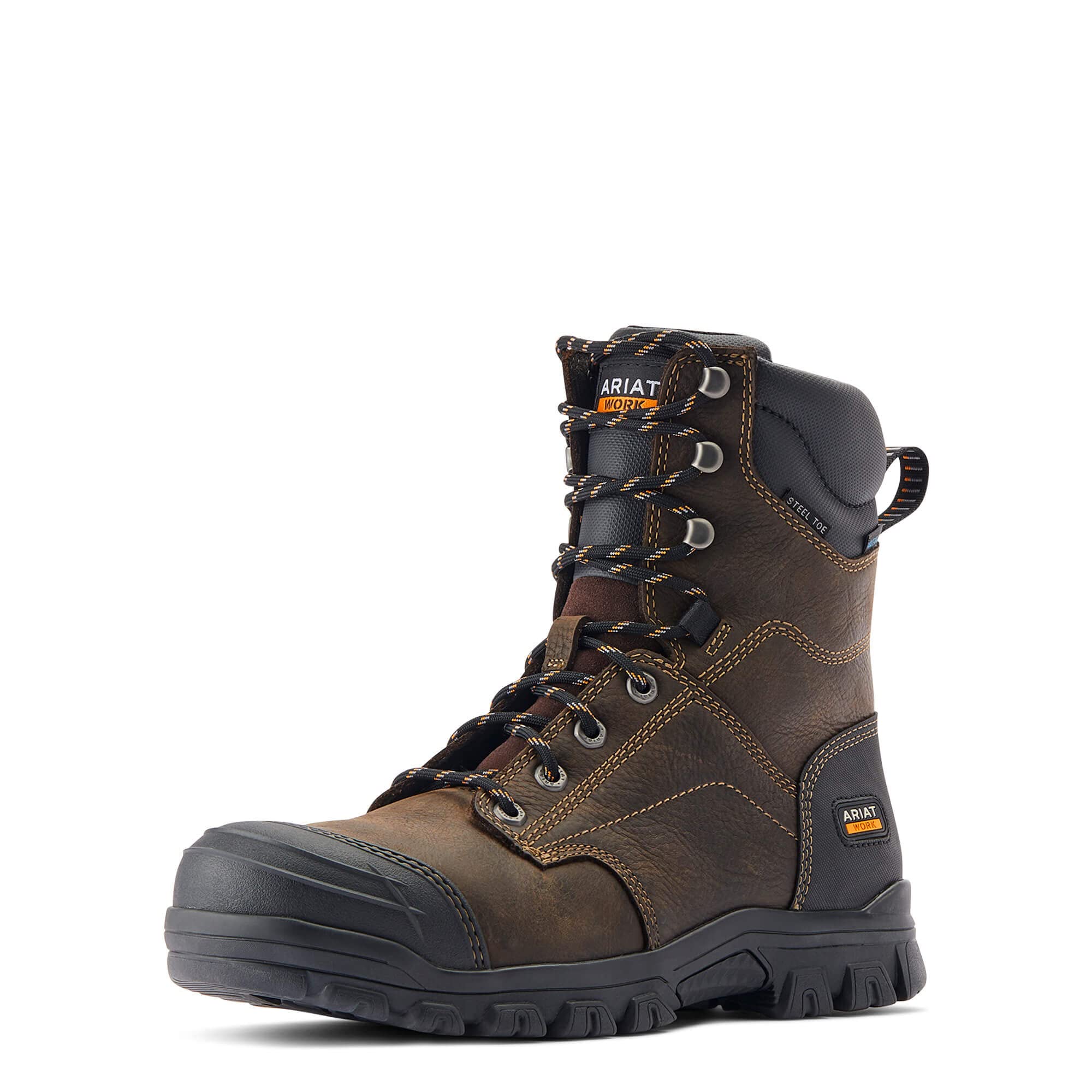


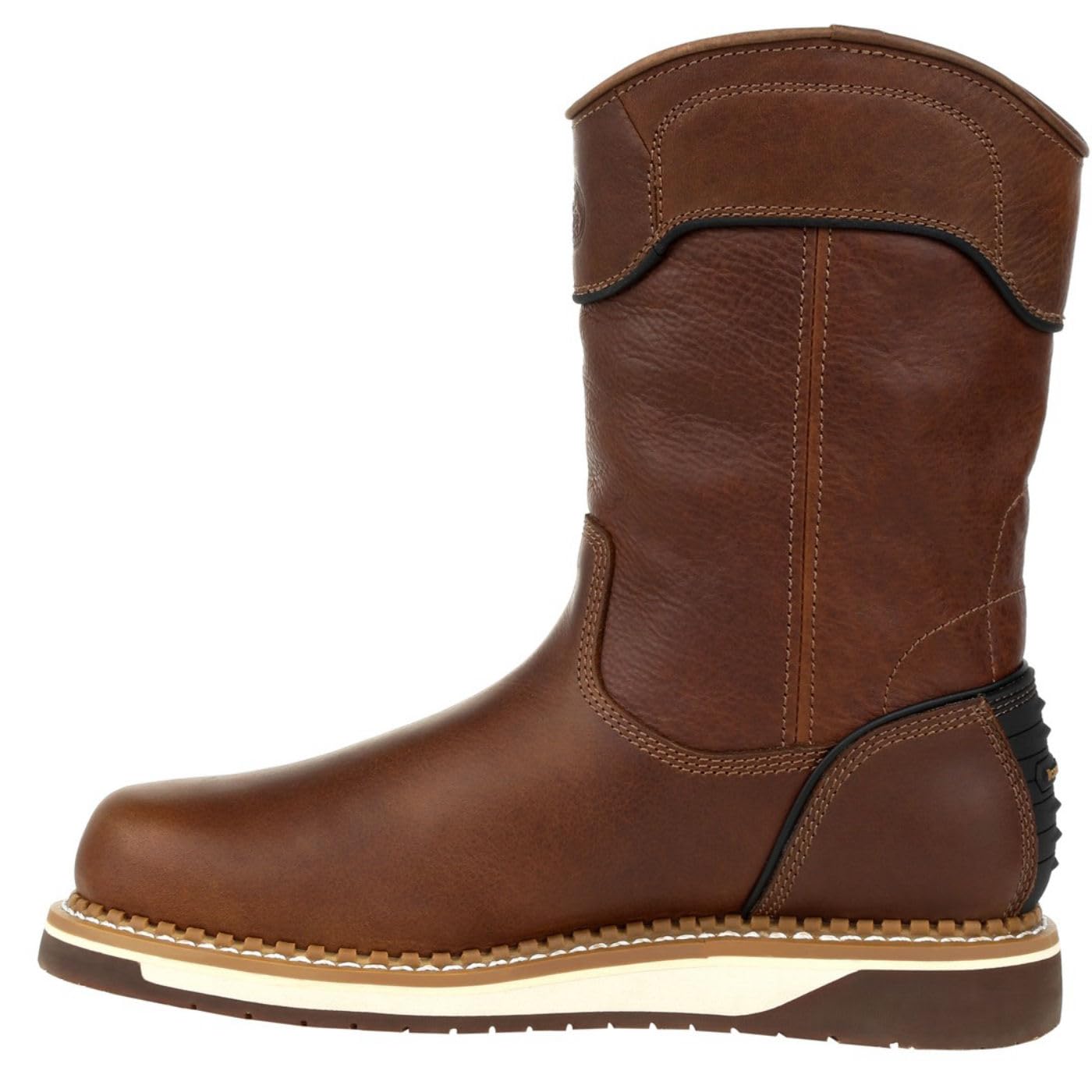

Who Should Buy Which Boots for Field Work?
Start with the job you repeat most often, not the toughest day you can imagine. Your usual ground and weather point to the right build.
For Wet, Muddy and Cold Field Sites
You need waterproof boots with a sealed membrane, a gusseted tongue and lugs that clear mud instead of holding it. Full leather or coated uppers shrug off brush and standing water better than open mesh. Choose a taller shaft to keep splashes and grit out, and leave room for thicker socks on cold mornings without squeezing your toes.
For Survey and Inspection Crews Who Walk All Day
You cover long distances on mixed ground, so weight, cushioning and stability matter more than maximum stiffness. A mid height boot with a supportive midsole and a moderate heel to toe drop keeps your stride natural across grass, gravel and site roads.
For Occasional Site Visits and New Field Starters
You go out a few days a month, often on prepared paths and building sites, so you do not need the heaviest build. A lighter boot with simple lacing, decent arch support and a forgiving fit will serve you well. Spend first on correct sizing and a sole suited to your main ground, and save premium waterproofing or safety extras for roles that require them.
For Hot, Dry and Rocky Field Sites
You need breathable uppers, abrasion resistant panels and a sole that protects your foot from sharp stone without feeling like a board. Mesh and split leather combinations vent heat during long grid walks, while a rock plate or thick midsole softens point loads underfoot. Keep enough ankle coverage if loose scree and brush are part of your normal route.
Key Features to Compare
Compare these factors in the same order for every pair you consider, so a low price cannot hide a boot that fits poorly or grips badly on your ground.
Getting the Fit Right for Long Days Outdoors
Measure both feet late in the day, when they are at their largest, and wear the socks you plan to use at work. A good toe box lets your toes spread and lie flat, with about a thumb width of space in front of your longest toe. Your heel should stay seated when you walk downhill. Feet swell during long field days, so a fit that feels snug in the morning can turn painful by afternoon if the width is wrong.
Grip for Mud, Gravel and Uneven Ground
Lug depth and pattern should match your ground. Deep, widely spaced lugs, often about 4 to 6 mm, bite into mud and loose soil and shed debris as you walk. Shallower, broader lugs suit gravel, rock and hard surfaces. If your sites include oily or wet smooth floors, look for a sole compound described as slip resistant for that surface rather than relying on lug depth alone.
Upper Materials, Waterproofing and Breathability
Full leather uppers resist abrasion from brush and rock, and they mold to your foot over time, but they are heavier and dry slowly. Synthetic and mesh uppers are lighter and breathable, and they dry faster after rain. Waterproof membranes, including Gore Tex linings, keep outside water out during long wet work. Choose full waterproofing for standing water and cold mud, and vented uppers for dry heat.
Arch Support, Cushioning and Stability
Arch support and cushioning decide how your feet feel in the final hours of a shift. A firm midsole with shaped support suits long standing and carrying loads, while softer cushioning suits lighter walking roles. Stability comes from a broad sole, a firm heel counter and a fit that holds the midfoot. Persistent numbness, sharp heel pain, swelling that does not ease overnight, or a blister with spreading redness needs prompt medical attention, and you should talk with your clinician about personal foot needs.
Ankle Height, Boot Weight and Heel to Toe Drop
Low boots feel light on good tracks, mid height boots add coverage on uneven ground, and tall boots keep out deep mud and debris. Weight adds up across a full day, so a lighter pair often wins for walking roles. Heel to toe drop in field boots is commonly about 8 to 12 mm. A lower drop feels flatter and steadier under load, while a higher drop can ease calf strain for some walkers.
How to Match Boots for Field Work to Terrain and Task
Use your task list as a checklist before you buy. When you shortlist the best boots for field work for your own site, start with any written safety rule, because a required toe cap, puncture plate or electrical rating overrides comfort preferences. General work footwear overlaps here, and you can see our guide to the best work boots for roles based mostly on hard standing surfaces.
Oil, fuel and chemical exposure call for resistant leather, sealed seams and a sole that holds grip on slick ground. If that describes your site, see our guide to the best oil field work boots for that narrower need. If you shop in mens sizes, see our guide to the best men's work boots and compare the fit notes before you settle on a size, since toe cap shape changes sizing.
Common Mistakes to Avoid When Buying Boots for Field Work
These errors feel reasonable in the shop and only show up after a full day outside.
- Buying by price alone leaves you with a sole or upper that fails early on your actual ground.
- Trying boots in thin socks gives a false fit and leads to squeezed toes once you wear work socks.
- Choosing a safety toe when your site does not require one adds weight and reduces toe room for no benefit.
- Ignoring waterproof care lets membranes and leather break down, so a waterproof pair starts leaking far sooner than it should.
- Wearing brand new boots on the longest field day causes blisters that can take you off work for days.
Care and Maintenance for Boots for Field Work
Knock mud off the soles and uppers at the end of each day, and rinse heavy soil with plain water before it dries hard. Open the laces, pull the tongue forward and air dry wet boots away from direct heat, because radiators and hot air can crack leather and weaken glues.
Condition plain leather once it looks dry, following the care label for coated or synthetic uppers instead. Check lug depth, heel wear and lace fraying each month, and replace worn insoles when cushioning feels flat. Rotate two pairs in wet conditions, giving each pair a full day to dry. A boot with a smooth worn sole or split upper should leave field service, since grip and protection are already gone.
Boots for Field Work: Your Questions Answered
What features matter most in boots for field work?
Fit, traction and protection for your named hazards matter most in boots for field work. After those three, check whether your lacing lets you lock the heel without cutting circulation, because a secure midfoot stops sliding that causes toe bruising on descents. A gusset behind the tongue is a small detail that pays off daily in dusty or muddy places.
How should boots for field work fit at the toe and heel?
Boots for field work should hold the heel firmly while leaving clear space ahead of the toes. Test the fit on an incline if you can, and also while crouching, since field tasks involve kneeling and slope work that a flat shop floor hides. If one foot is larger, fit for that foot and use a thicker insole or sock on the smaller side.
How long does it take to break in boots for field work?
Most boots for field work feel settled after about one to two weeks of gradual wear. Start with short walks and yard tasks, then add distance and rougher ground over several days. Leather models usually take longer than synthetic models. If a sharp pressure point stays in the same spot after several outings, refit or exchange the pair rather than hoping it will vanish.
Are expensive boots for field work worth the extra cost?
Expensive boots for field work are worth it when the extra money buys a resoleable build, better waterproofing or a fit last that matches your foot shape. Work out the cost per day across a full season of use, not just the ticket price. A costly pair that sits unused because it rubs is worse value than a modest pair you wear without thinking about your feet.
Can you wear boots for field work for a full shift?
Yes, you can wear boots for field work for a full shift when the fit, support and weight suit your role. Plan one short foot break into long surveys, and change into dry socks at midday in wet work, because dry skin blisters less and feels warmer in cold weather. That pause also lets you shake grit out before it grinds through a sock.
Final Thoughts
Put fit first, match the sole to your ground, and buy only the protection and waterproofing your tasks truly require. Use the product table above to confirm height, weight and toe options side by side before you order.
When you judge best boots for field work by your own terrain and hours rather than by headline claims, the right pair is usually the one that disappears on your feet by midday. Choose that pair, break it in gradually, and let it get on with the work.


