
Best Boots for Fat Calves of 2026: Complete Buying Guide
Disclosure: We may earn a commission when you buy through links on this page, at no extra cost to you. As an Amazon Associate I earn from qualifying purchases. Learn more

Find boots for fat calves with wide shafts, stretch panels and clear sizing help, plus fit checks, traction tips and care advice for daily comfort.
A boot can fit your foot perfectly and still fail at the calf. If the shaft stops halfway, pinches when you zip it, or leaves no room for socks and pants, you will not wear it often. The best boots for fat calves solve that first problem with honest shaft measurements, stretch where you need it, and a secure foot fit. Use the comparison table below to check those points.
This guide is built around wider calves, not a standard boot with a hopeful label. You will learn how to measure and which closures add room.


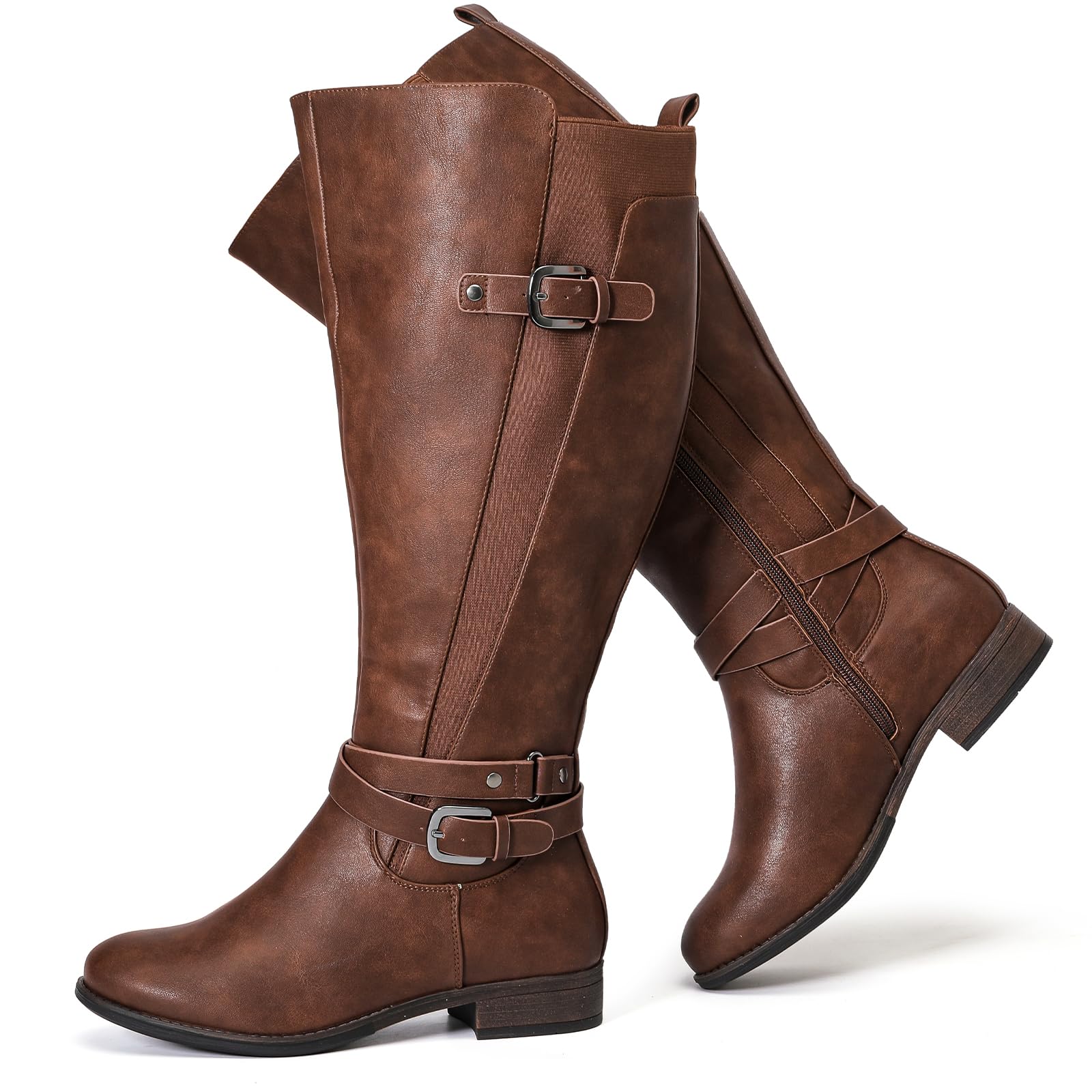


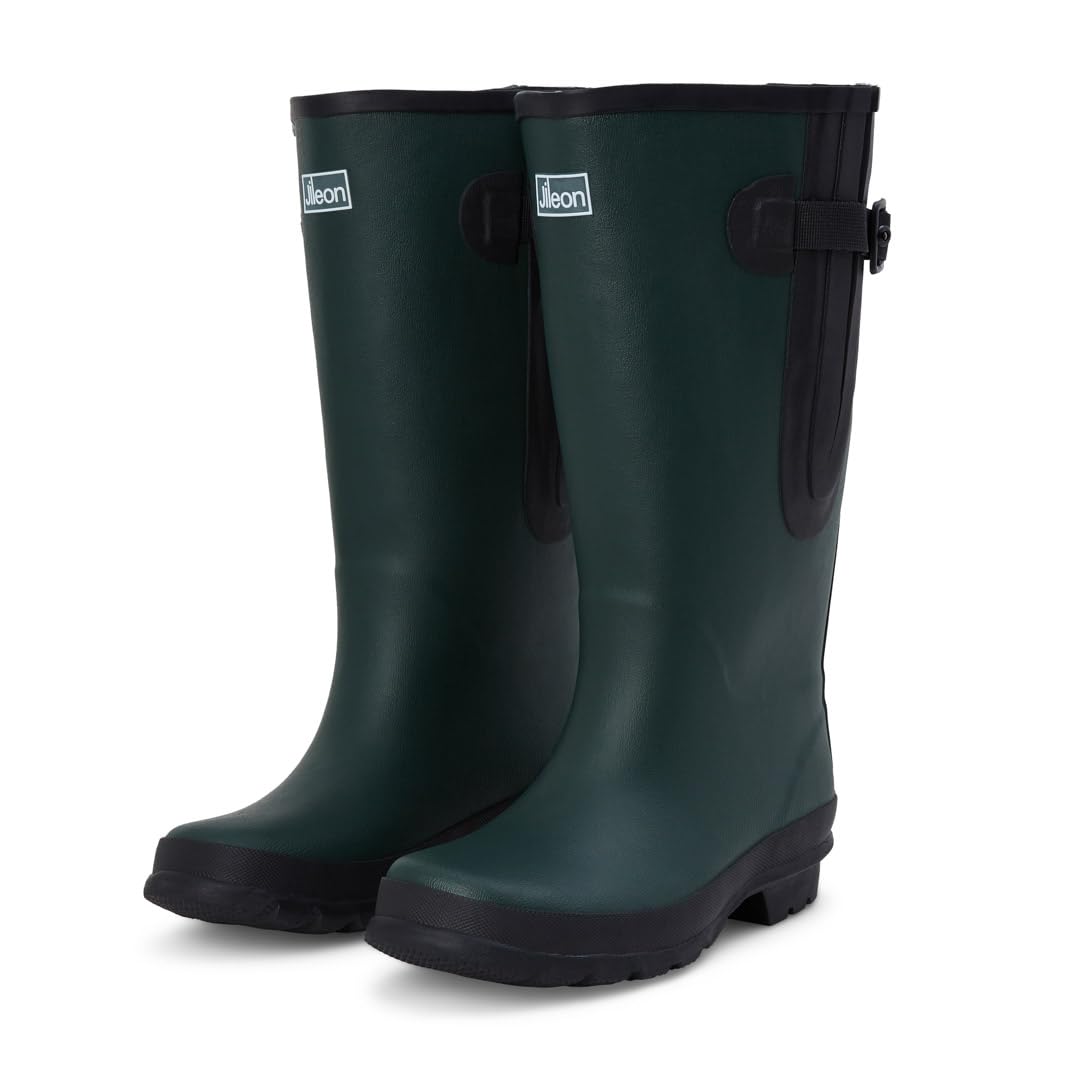

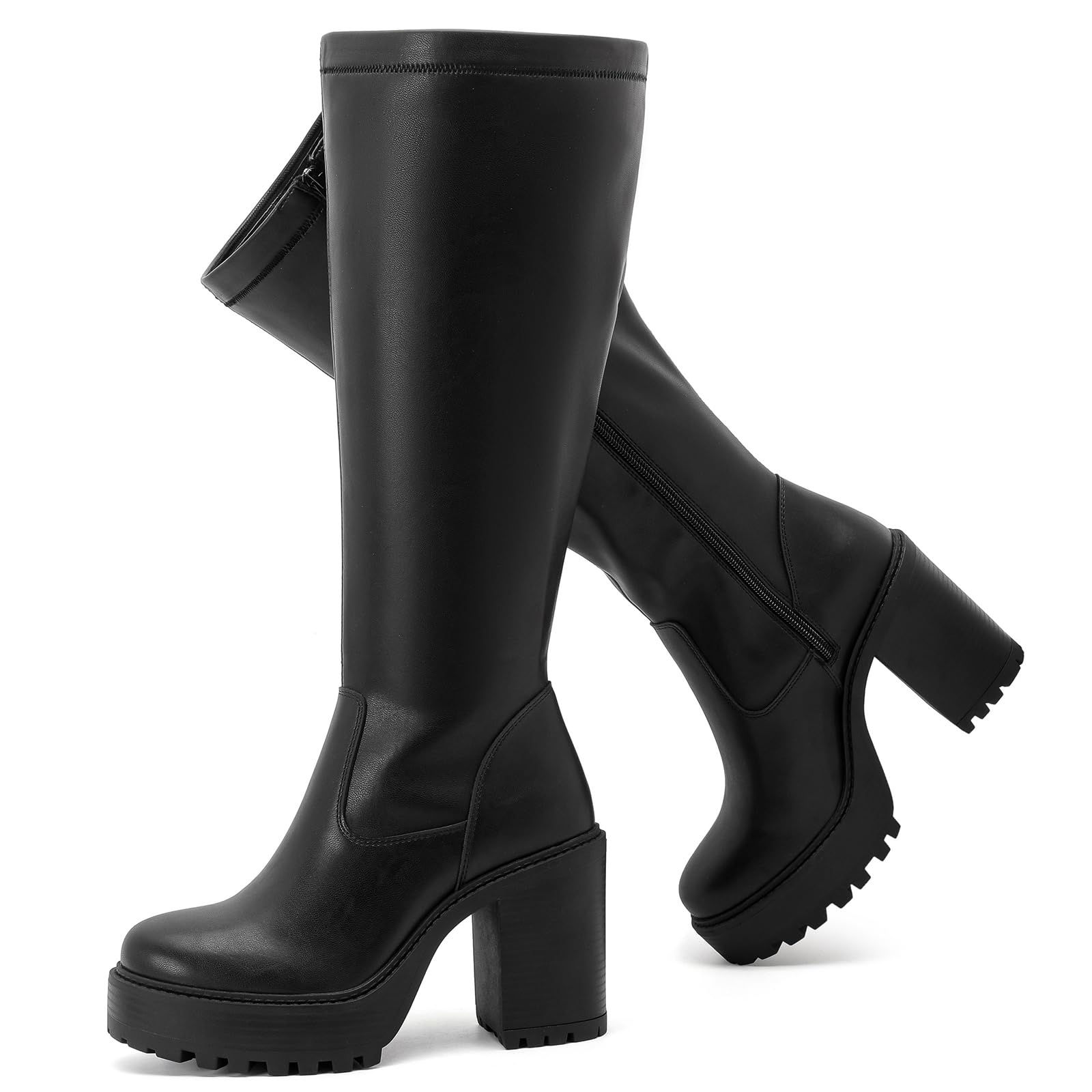
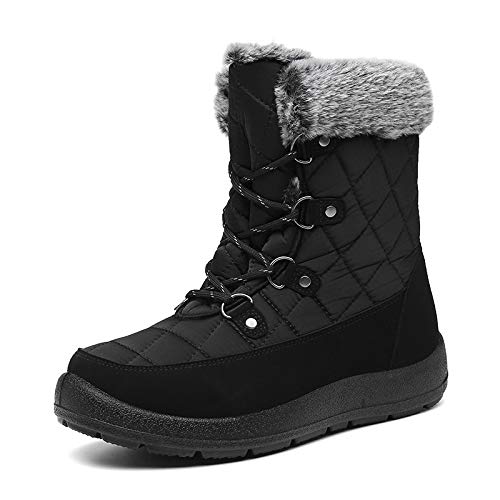
Who Should Buy Boots for Wider Calves?
Your reason for needing extra shaft room shapes the boot you should pick.
Plus Size Shoppers Who Need Extra Shaft Room All Day
You need a shaft that closes fully without pulling, plus room for the socks and leggings or jeans you wear most. Look for extra wide shaft options, full length side zippers, and stretch panels at the back of the calf. Choose a foot width that matches the shaft, because a wide shaft with a narrow foot feels unbalanced.
Athletic Shoppers With Muscular Calves
Your calves may measure wide while your feet stay a standard width, so sizing up for the calf can leave your heel lifting with each step. Look for laces, straps, or buckles that let you set calf room apart from foot fit. A firm heel cup and a snug ankle hold your foot in place while the upper gives your calf space.
Workers and Travelers Whose Calves Swell by Evening
Long shifts, drives, and flights can leave your calves larger at night, even when your foot size stays the same. Choose elastic gussets or laces you can loosen during the day, and measure late in the day before you order. Breathable linings matter, because heat makes a tight shaft feel tighter.
Key Features to Compare
When you compare the best boots for fat calves, start with shaft measurements rather than style photos. Then check closures, foot fit, support, and the sole, because a boot that will not close cannot be saved by cushioning.
Shaft Width and Calf Circumference
Shaft width decides whether a boot belongs on your list at all. Sit with your foot flat, wrap a soft tape around the widest part of your calf, and note the number over your usual socks. Standard shafts often run about 14 to 15 inches, wide shafts about 16 to 18 inches, and extra wide shafts about 18 to 20 inches or more, though brands vary. Add about half an inch to one inch if you tuck pants inside, and use the chart for your exact foot size.
Stretch Panels, Zippers and Adjustable Closures
Closures decide how much of that listed width you can actually use. A full length side zipper lets you step in without forcing the shaft over your calf, while a short zipper helps less than many shoppers expect. Elastic panels add give as you walk and sit. Laces and buckle straps let you fine tune the fit, but check strap length, because a strap that ends too soon adds no real room.
Toe Box, Foot Width and Ankle Fit
A roomy shaft works best when the foot of the boot fits you just as carefully. Many shoppers with wider calves also need a wide toe box, so look for wide foot sizes rather than ordering a longer size, which moves the flex point to the wrong place. Your toes should spread without pressing the sides. At the ankle, aim for hold without a pinch, because a loose ankle lets your foot slide forward.
Cushioning, Arch Support and Stability
Support matters more when a boot will carry you through a full day on hard floors. A cushioned insole softens impact, while arch support that matches your foot type helps spread load and reduce fatigue. Flat feet often do better with firmer support and a stable heel, while high arches often need more cushion under the heel. Heel to toe drop in most everyday boots runs about 8 to 12 mm, and that drop can change calf stretch.
Outsole Traction and Waterproofing Choices
The outsole decides how safe the boot feels once the ground turns wet or uneven. Look for rubber outsoles with lugs about 3 to 5 mm deep for pavement and light trails, and choose a wider, flatter heel base if stability matters most to you. Waterproof boots use a membrane or sealed seams to keep rain out, which suits wet commutes and winter use. That protection usually lowers airflow, so a breathable non waterproof boot often feels cooler indoors.
Types of Boots That Work for Wider Calves
Shaft height changes fit as much as shaft width does. A tall boot must clear your widest calf point, while a shorter boot may pass below that point.
Tall Boots With Wide Shafts
Tall and knee high boots give the fullest coverage for dresses, leggings, and cold weather, but they ask the most from sizing. The shaft top should sit below the back of your knee without digging in when you sit. Riding and winter styles often come in the widest shaft ranges, so they are a strong start if standard tall boots have failed you.
Mid Calf and Ankle Boots With Wide Openings
Mid calf boots can work well when the top edge lands below your widest point, and ankle boots remove the calf question almost entirely while still giving boot coverage at the foot. Look for wide or elastic openings if your lower calf is also full. These shorter styles pair easily with pants worn over the boot.
Winter and Waterproof Boots for Cold and Wet Days
Winter boots add insulation and thicker socks into the fit equation, so allow extra shaft room beyond your bare calf measurement. Snow styles often use laces or wide pull on openings, which can suit wider calves better than a stiff dress shaft. For sport use the fit rules change, so see our guide to the best ski boots for fat calves before you apply everyday sizing to the slopes.
Calf sizing runs in both directions. Shoppers at the opposite end can see our guide to the best boots for thin calves or our guide to the best boots for slim calves for fitting a smaller shaft without gaps.
Common Mistakes to Avoid
Most returns for wider calves come from a few repeat errors.
- Measuring your calf in the morning leaves no room when your legs swell later in the day.
- Trusting a wide calf label without checking the shaft number leads to boots that still will not close.
- Sizing up in foot length to gain calf room makes your heel slip and your toes slide.
- Forcing a zipper closed over a tight shaft strains the teeth and can split the zipper.
- Testing boots with thin socks and then wearing thick winter socks makes a fair fit feel tight.
- Ignoring shaft height lets the top edge land on your widest calf point, where it pinches.
Care and Maintenance for Wide Shaft Boots
Store tall boots upright with a boot tree, rolled towels, or shaft inserts inside, because a wide shaft that folds over at rest can crease and lose the shape that lets it close cleanly. Let wet boots air dry at room temperature with the zippers open, away from direct heat. Brush dirt from stretch panels and zipper teeth, since grit can wear elastic.
Clean leather with a damp cloth and a conditioner made for footwear, and wipe synthetic shafts with mild soap and water before drying. Check elastic panels and strap holes each season, because worn elastic removes the adjustability you paid for. Reproof waterproof outer fabric when water stops beading.
Frequently Asked Questions
What features matter most in boots for fat calves?
The shaft measurement for your exact foot size matters most in boots for fat calves. After that, consider how easily you can exchange sizes, because shaft numbers vary enough between brands that an exchange is often part of a good purchase. Test the zipper while seated and standing, and keep the packaging until you have walked indoors.
How long is the break in period for wide calf boots?
The break in period for wide calf boots is often about one to two weeks of short wears for leather styles. Start with an hour at home, then add time as the ankle and shaft flex points soften. Stretch panels usually feel right sooner. Stop and reassess if you get lasting numbness, tingling, or sharp rubbing, because those signs point to a fit problem rather than a normal break in stage.
Can I wear wide calf boots all day?
Yes, you can wear wide calf boots all day when the shaft closes without pressure and the foot stays supported. Build up wear time before a long shift, and use a break to sit and loosen laces or straps if your calves swell. If you notice persistent swelling, skin marks that do not fade, numbness, or pain, stop wearing the pair and talk with your clinician about personal needs.
How should wide calf boots fit at the calf and foot?
Wide calf boots should fit close at the calf without cutting in, and secure at the heel without lifting as you walk. Try a carpet test at home: walk, sit, stand, and climb a few steps, then check that your toes still have space. A small amount of shaft movement is normal, but your foot should not swim inside the boot.
Do I need waterproof boots for fat calves?
You need waterproof boots for fat calves only if your routes regularly include rain, snow, or wet ground. For mostly indoor or dry weather wear, a breathable non waterproof pair will usually feel cooler and dry faster. If you choose a membrane style, allow a little extra shaft room, because its lining and thicker socks take up space.
Wrapping Up
Measure your calf late in the day, match that number to the shaft chart for your foot size, and choose closures that give you real adjustment. Then check toe room and ankle hold. Use the product table above to compare shaft widths.
When you shop for best boots for fat calves with your measurement in hand, the choice stops being guesswork. Pick the pair that closes with ease and holds your foot steady.


