Best Boots for Excavation: A Buyer Checklist for 2026
Disclosure: We may earn a commission when you buy through links on this page, at no extra cost to you. As an Amazon Associate I earn from qualifying purchases. Learn more

Use this buyer checklist to find the best boots for excavation, covering safety toes, lug traction, waterproofing, fit, and care for rough dug ground.
Excavation work punishes footwear in ways most job sites never do. You stand in loose spoil, climb in and out of cuts, brace against a shovel, and cross ground that changes from gravel to wet clay in one shift. This guide scores the best boots for excavation against a plain buyer checklist, so you can judge any pair by the specs that protect your feet on dug ground. Start with the comparison table below, then work through the criteria.
There are no product reviews here, because a boot that suits a dry foundation dig can fail badly in a flooded utility trench. Instead, you get the factors that matter and the warning signs that should send a pair back.


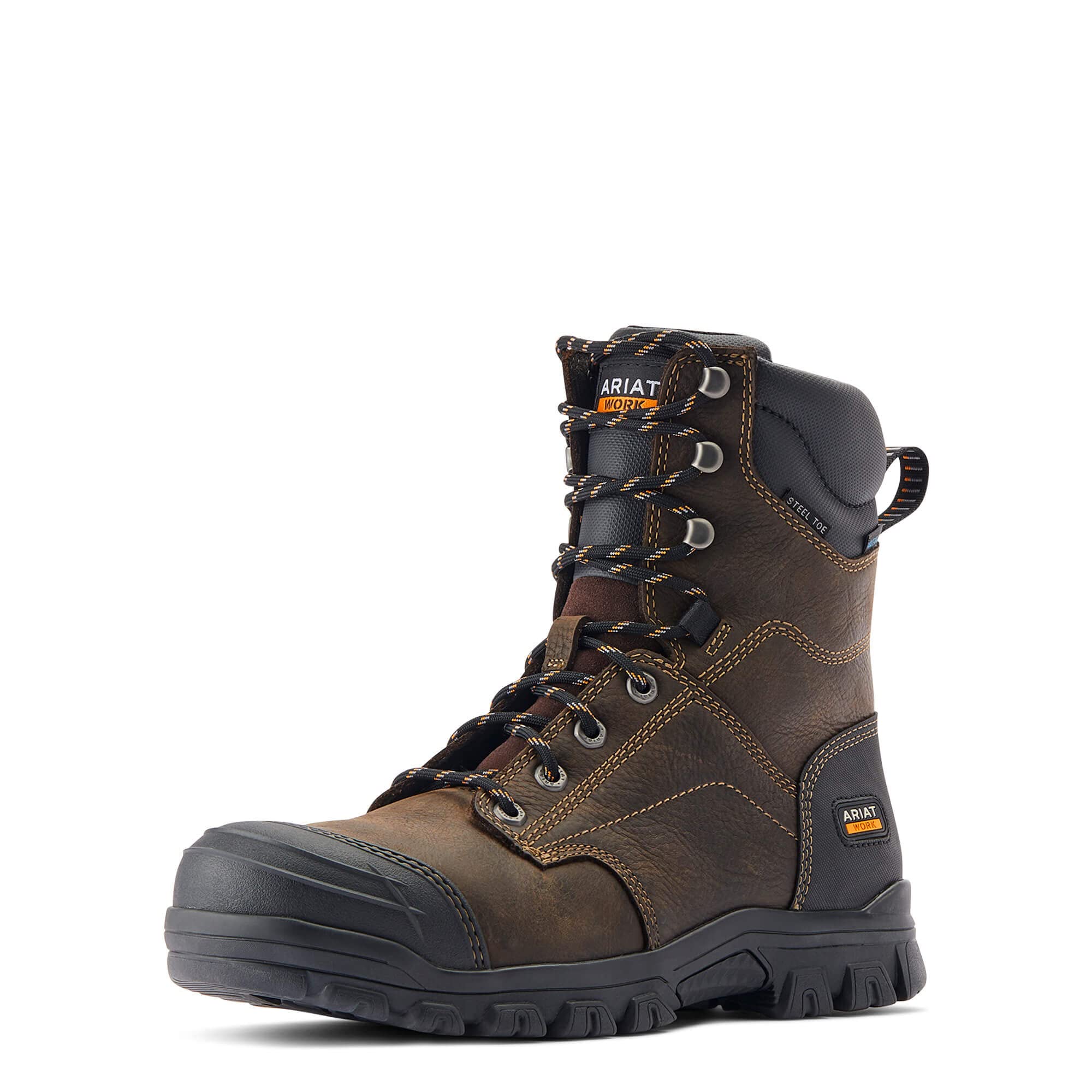


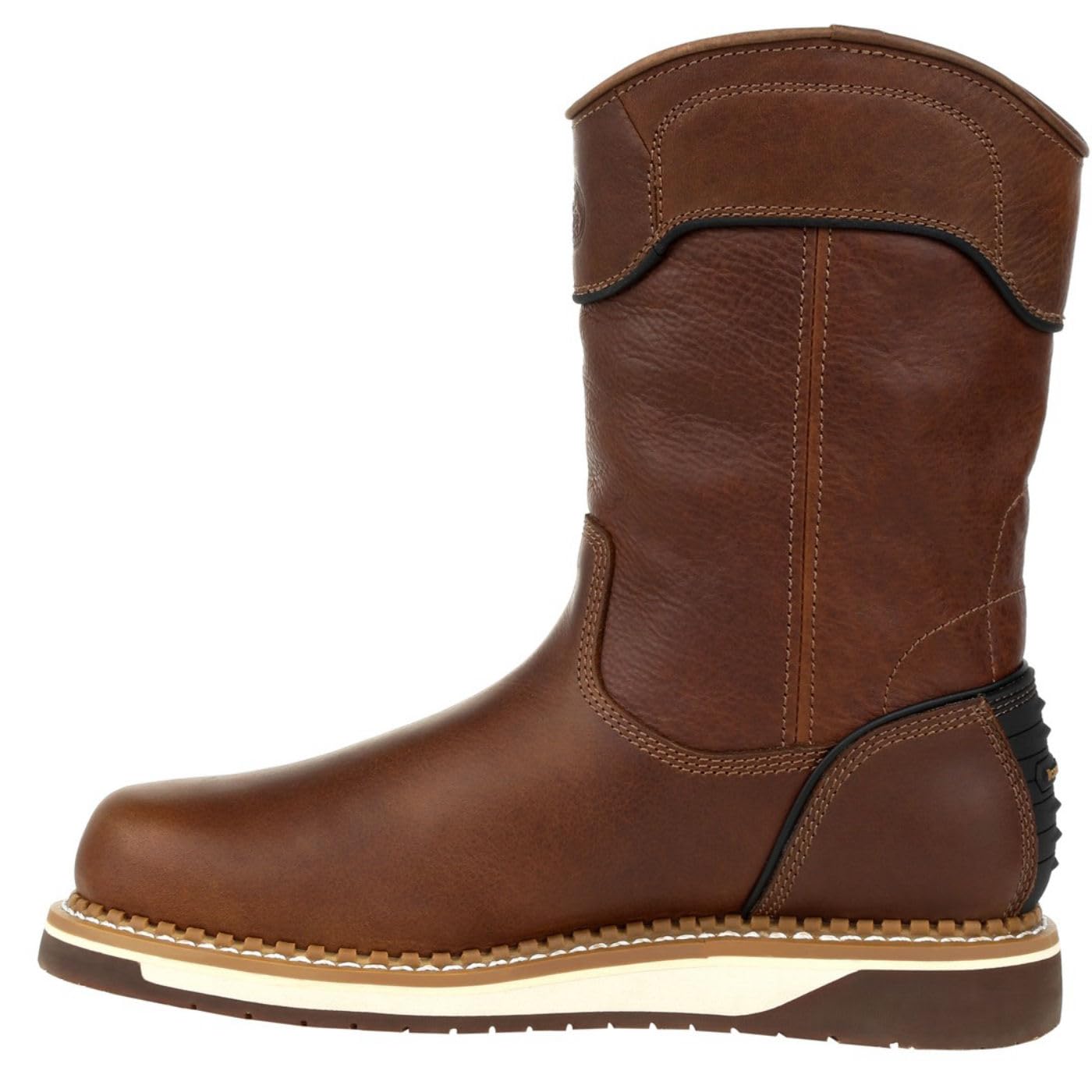
Who Should Buy Which Excavation Boots?
Trench and Utility Crews Working Below Grade
If you lay pipe or pull cable below grade, water and falling soil are your main problems. Put a waterproof membrane and a puncture resistant plate at the top of your list, because trench bottoms hide offcuts, tie wire, and sharp stone. A taller shaft, around 8 to 10 inches, keeps slumped soil out. Readers comparing crew wide options can also see our guide to the best work boots for excavation.
Machine Operators Who Climb In and Out of the Cut
Operators split the day between the cab and the ground, so your boots must grip ladder rungs, pedals, and slick spoil piles in the same hour. Choose a defined heel of about 90 degrees at the front edge, since that notch catches a rung and stops your foot sliding forward. A firm heel counter steadies your ankle on unseen ground.
Site Prep and Demolition Hands on Broken Ground
Demolition and site prep mean walking on rubble, bent rebar ends, and broken concrete. Your priority is armor: a rated safety toe, a stiff shank, and an upper that shrugs off abrasion. Breathability matters more for you than deep waterproofing, because you work mostly above grade in dust and heat. A breathable leather and mesh upper often serves this work better.
Key Features to Compare
Safety Toe and Puncture Protection for Buried Hazards
Look for a toe rated under ASTM F2413 for impact and compression, in steel, alloy, or composite. Steel handles the heaviest crush loads, alloy trims weight, and composite stays warmer in cold ground. Pair it with a puncture resistant plate in the midsole, because soil hides nails and wire that push through a plain sole. If a load crushes your toe or something pierces the sole, stop work and get medical care the same day, since such wounds can worsen quietly.
Outsole Traction for Loose Soil, Clay, and Gravel
Traction on dug ground comes from lug shape more than rubber softness. Deep lugs, about 4 to 6 mm, bite into loose spoil, while wide spacing between lugs sheds sticky clay instead of packing it into a smooth, skating surface. Avoid shallow commuter style tread, which floats on gravel and rolls on loose stone.
Shank Support for Shovel Work and Ladder Rungs
A shank is the stiff plate between the midsole layers, and excavation is where it earns its keep. Every time you drive a shovel with your foot, the load concentrates on one narrow edge, and a steel or rigid nylon shank spreads that force so the sole does not fold and bruise your arch.
Waterproofing, Breathability, and Wet Trench Trade Offs
A waterproof membrane keeps trench water and wet concrete splash out, which matters in pumped cuts and muddy backfill. The trade off is heat: membranes pass sweat slowly, so feet run warmer on dry summer digs. If your work is mostly dry grading, a water resistant treated leather upper breathes better and still shrugs off damp soil. Judge by your wettest week, not your average day.
Fit, Sizing, and Toe Box Room for Swollen Feet
Try boots in the afternoon, when your feet have swollen to working size, and wear the thick socks you dig in. You want about a thumb width of space ahead of your longest toe, because feet slide forward on trench slopes and jammed toes bruise fast. The toe box should let your toes spread when you brace to lift or push a shovel. Order from a seller with free returns and judge the fit at home on carpet first.
Cushioning and Arch Support for Long Shifts on Hard Pack
Excavation mixes soft soil with hard pack and concrete, and the hard surfaces are what tire your legs. A cushioned midsole with real arch support absorbs that repeated impact, while a removable insole lets you swap in firmer support if your arches ache by midday. Persistent foot or ankle pain is a reason to talk with a clinician about your personal needs rather than guessing at insoles.
Excavation Boot Types Compared: Which Style Fits Your Ground?
Lace Up Leather Boots for Dry Cuts and Slopes
Lace up boots in full grain leather are the default for dry excavation. Laces let you lock the heel for slope work, then loosen the forefoot as your feet swell. Leather scuffs against rock and rebar without tearing. For most buyers comparing the best boots for excavation on dry ground, this is the style to beat, usually at about $140 to $260.
Pull On Boots for Wet Trenches and Constant Mud
Pull on styles with rubber or fully waterproof uppers suit crews in wet trenches all day. There are no laces to clog with clay, no tongue gaps where slurry pours in, and you can hose the whole boot clean. The compromise is ankle lock: the fit is looser, so size carefully and expect more heel movement on steep slopes. Expect to pay about $100 to $200.
Tall Insulated Boots for Cold Ground and Standing Water
When the dig runs into cold months or the water table sits high, a taller insulated boot keeps working where standard pairs fail. Insulation slows heat loss while you stand in cold water, and a shaft above 10 inches buys deeper wading room. The cost is weight, so treat these as a seasonal second pair. Prices commonly run about $160 to $300.
Questions to Answer Before You Order Excavation Boots
Run through these questions before you order. Every yes means the pair fits excavation work; any no deserves a second look.
- Does the toe carry a current ASTM F2413 impact and compression rating?
- Is there a puncture resistant plate between the outsole and the insole?
- Are the lugs deep and widely spaced enough to shed wet clay?
- Does the sole stay stiff through the arch when you press it lengthwise?
- Is the waterproofing rated for standing water, not just light rain?
- Can you spread your toes inside the toe box while wearing work socks?
Common Mistakes to Avoid
- Buying a hiking boot for trench work, because hiking soles lack a puncture plate and the toe has no crush rating.
- Choosing a size from your street shoes, because swollen feet in thick socks will blister in a snug boot.
- Trusting a waterproof claim with no membrane named, because vague claims often mean a coating that fails in standing water.
- Skipping the safety rating check, because an unrated fashion boot can look identical to a rated work boot.
- Wearing brand new boots for a full shift, because stiff leather that has not broken in will rub heels raw.
- Ignoring a cracked shank after heavy shovel work, because a failed shank lets the sole fold and strains your arch.
Care and Maintenance for Excavation Boots
Brush dried mud off your boots after every shift, because caked clay holds moisture against leather and stitching and rots both. Wash heavy buildup off with plain water and a stiff brush, then air dry the boots away from direct heat, since heaters crack leather and weaken sole adhesives.
Condition leather uppers once they look dry and pale, and reproof membrane boots as the maker recommends. Pull insoles out at night so the inside dries fully, and replace worn insoles and frayed laces early.
FAQs
What features matter most in boots for excavation work?
The short list is a rated safety toe, a puncture resistant plate, deep self cleaning lugs, and a stiff shank. One feature buyers often overlook is a gusseted tongue, attached along both sides so soil and gravel cannot slip in beside the laces and work into your socks.
How often should excavation boots be replaced?
Replace excavation boots when the lugs wear smooth, the midsole feels packed and flat, or the upper cracks at the flex points, often between 12 and 24 months of daily site work. Replace a pair at once after any serious crush impact, even when the outside looks fine, because a deformed safety toe loses protective space you cannot see.
How long is the break in period for excavation boots?
Most leather excavation boots need about one to two weeks of regular wear before the upper and insole shape to your foot. Wear new boots for short tasks first, and save the heaviest shovel work until the heel stops slipping. A boot that still pinches after two weeks is the wrong size or last, not a pair that needs more patience.
How should excavation boots fit at the heel and toes?
Excavation boots should hold your heel with only slight movement while leaving clear space ahead of your toes. A fit check many buyers miss is the incline test: stand on a slope or a sturdy ramp and lean forward, and your toes should not bang the front of the boot, since that forward slide is constant on trench walls.
Can excavation boots be worn all day on a job site?
Yes, excavation boots are built for full shifts, provided the fit and support suit your feet. A practical trick for long days is a midday sock change, because dry socks cut friction and cool your feet more than most buyers expect.
Wrapping Up
Start with protection, since a rated toe and a puncture plate guard against hazards buried in every cut. Then match traction and waterproofing to your wettest ground, and confirm the fit with work socks on tired feet. Judged against that checklist, the best boots for excavation are the pair that keeps you steady, dry, and comfortable until the last load leaves the site. Compare your shortlist against the product table above before you order.