Best Boots for European Winter by Budget: A Smart Buying Guide for 2026
Disclosure: We may earn a commission when you buy through links on this page, at no extra cost to you. As an Amazon Associate I earn from qualifying purchases. Learn more

Planning the best boots for european winter on any budget? See how insulation, grip, waterproofing and fit change at each price tier.
Boots for a winter trip through Europe can cost around $60, while top pairs cost about $250 or more, and price alone tells you little about warmth or grip. Choosing the best boots for european winter means matching your budget to your itinerary, since a rainy week in Paris asks for different features than a snowy weekend in Prague. This guide breaks down what each price tier really buys you, and the comparison table below gathers the key specs in one place.
Most travelers walk far more in Europe than they expect. Old town centers are built for walking, train stations add long platforms and stairs, and a single sightseeing day can pass 15,000 steps on stone streets. Your boots need cushioning for those miles, an outsole that grips wet cobblestones, and enough weather protection for slush and road salt. The sections below show where extra money genuinely helps.




Who Should Buy Which Style of Winter Boot for a European Trip?
City Sightseers Who Walk All Day
If your days revolve around museums, markets, and old town wandering, comfort over distance matters more than deep snow ability. Look for a mid height boot with generous cushioning under the heel and forefoot, a flexible forefoot that rolls naturally on flat stone, and a weight under about 2 pounds per pair so your legs stay fresh by evening. A neat leather upper also helps in cafes and restaurants, where heavy hiking boots feel out of place.
Men Who Pack One Pair for the Whole Trip
Many men prefer to travel with a single pair of boots that handles sightseeing, train days, and dinners out. For that plan, choose a plain dark upper without bright accents, a sole with moderate lugs that will not track mud into hotels, and a shaft height that works with both jeans and smarter trousers. Sizing varies a lot between brands, so if you are still comparing fits, see our guide to the best man winter boots for more detail on lasts and widths.
Travelers Heading North or Into the Mountains
Trips to Scandinavia, the Alps, or Central Europe in deep winter bring colder air, packed snow, and ice on shaded streets. You need more insulation, a taller shaft that keeps snow out when you step off a cleared path, and a stiffer sole that supports you on uneven frozen ground. Warmth ratings are not standardized between brands, so prioritize insulation weight, lining type, and room for thick socks instead.
What Your Money Gets You at Each Price Tier
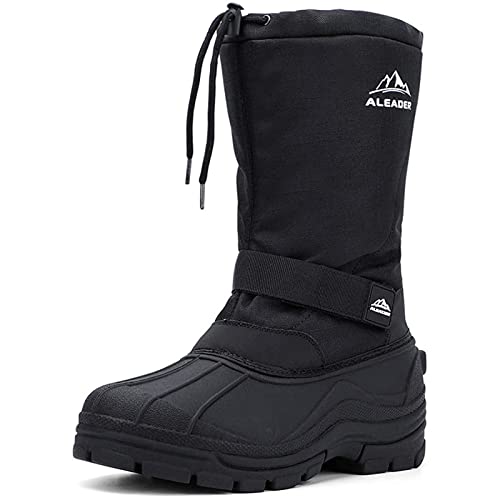
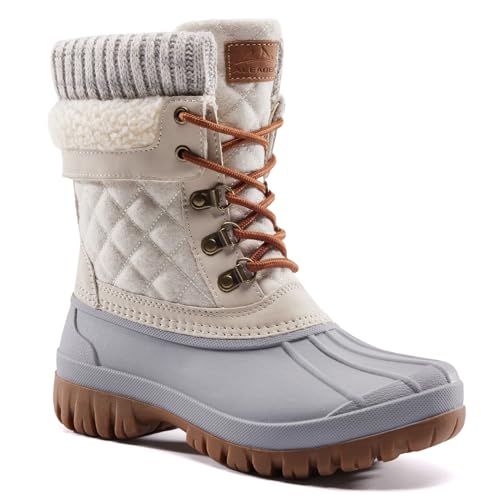
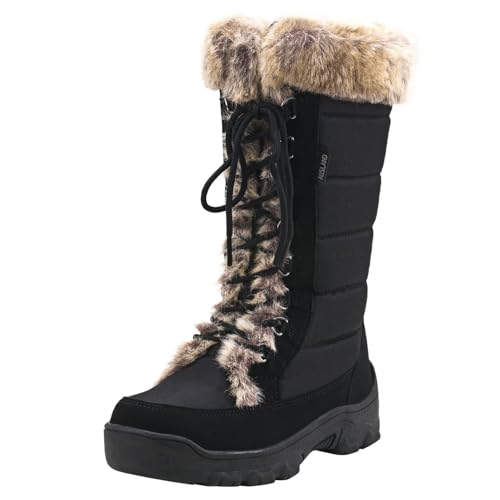
Before comparing tiers, glance back at the product table above and note how insulation type, membrane, and outsole material change as prices rise. Those three parts drive most real differences, while styling changes little with cost. If you want a wider view of the general market first, see our guide to the best winter boots and then return here to match features to your European itinerary and budget. That tier first approach is also the simplest way to judge the best boots for european winter against your own route.
Budget Tier: What to Expect
Budget boots at around $60 to $100 usually pair a synthetic upper with a basic waterproof membrane and a thin layer of foam insulation. They handle a short city trip in mild cold well, and the outsole rubber is fine on wet pavement. The trade offs show up over time, since glued soles can separate sooner, cushioning packs down within a season or two, and insulation feels thin below about 25 degrees Fahrenheit. For a single trip in a milder city, this tier can be a sensible spend.
Midrange Tier: The Sweet Spot for Most Buyers
Boots at about $100 to $180 are where most travelers get the best balance of warmth, grip, and durability. Expect leather or leather and textile uppers, a more reliable membrane, and outsoles with deeper, better shaped lugs for wet stone. Insulation is usually thicker and more evenly placed, and midsoles hold their cushioning through a season of daily walking. Fit options also improve at this level, with more widths and half sizes. For a trip of a week or longer, this tier usually avoids repeat buying.
Premium Tier: When Spending More Pays Off
Premium boots at about $180 to $300 add full grain leather, higher grade membranes, and construction that a cobbler can often repair rather than replace. You also get a more refined fit, with shaped heel cups and roomier toe boxes that still hold the midfoot securely. Warmth and grip improve, but the gains per extra dollar shrink compared with the midrange tier. This level suits frequent winter travelers, very cold regions, and anyone keeping one pair for many seasons.
Features Worth Paying For and Features You Can Skip
Weight and Flexibility
Every extra ounce on your feet is lifted thousands of times a day, so weight shapes how tired you feel by dinner. Boots under about 2 pounds per pair suit city walking best, while heavier boots earn their weight only when you need stiffness for snow and uneven ground. Flex matters too. A boot that bends at the ball of the foot walks naturally on pavement, while a very stiff boot feels clumsy on flat streets. Skip extreme stiffness unless your itinerary includes mountain paths.
Waterproofing With Gore Tex and Other Membranes
A waterproof membrane keeps slush and puddle water out during long wet days, which matters across much of Europe from November through March. Branded membranes such as Gore Tex tend to stay breathable longer, while house brand membranes cost less and work well for shorter trips. The trade off is airflow, since any membrane makes a boot warmer and slower to dry than an unlined one. Even waterproof boots need a shaft tall enough to clear puddle depth.
Fit, Sizing, and Toe Box
Measure your feet in the afternoon, when they are slightly larger, and try boots on with the socks you plan to travel in. You want a thumb width of space in the toe box so your toes never strike the front on downhill streets, plus a heel that stays put without lifting. A modest heel to toe drop and steady arch support reduce fatigue on stone floors, and shoppers used to neutral shoes often prefer a neutral last with a removable insole. Women comparing narrower heels and different calf fits can see our guide to the best ladies winter boots for more fit detail.
Features That Matter Most for European Winter Conditions
European streets reward a specific mix of traits. Look for lugs around 4 to 5 mm deep with wide channels that shed slush, rubber that stays pliable in the cold, and uppers that shrug off road salt without staining. Stability around the ankle helps on uneven cobblestones, and a padded collar stops grit from working inside. Low bulk matters on crowded trains and narrow stairs. If your style leans casual and relaxed, see our guide to the best winter boots for guys for everyday looks that still handle winter streets.
Long Term Costs to Factor In
The purchase price is only part of what a pair costs you over several winters. Budget for replacement insoles at around $15 to $30 once the original cushioning flattens, plus a waterproofing treatment at around $10 to $20 each season for leather uppers. Resoling a premium stitched boot costs about $60 to $100 but can double its working life, while glued budget soles usually cannot be replaced at all. A longer warranty also lowers risk, so check coverage length before you buy.
How to Make Your Winter Boots Last Longer
After each wet day, wipe road salt off with a damp cloth, because dried salt pulls moisture from leather and leaves stiff white marks. Stuff the boots loosely with newspaper or a towel to hold their shape, and dry them at room temperature away from radiators and direct heat, which can crack leather and weaken sole glue. Rotating to a second pair on longer trips gives the cushioning a full day to recover between wears.
Before storing boots for the season, clean them fully, condition leather uppers, and retreat any water repellent coating. Store them upright in a cool dry place with the shafts supported so they do not fold and crease. Check laces, eyelets, and sole edges each autumn, and replace worn laces early since a snapped lace on a trip is a needless hassle. Small care habits like these often add two or three seasons of use.
Frequently Asked Questions
What features matter most in boots for european winter travel?
Grip, insulation, and weather protection matter most in boots for european winter travel. A lugged rubber outsole keeps you steady on wet stone, insulation matched to your coldest destination keeps feet warm while standing still, and a waterproof or well sealed upper handles slush. One extra check helps: walk across a smooth wet tile floor indoors, since boots that slip there will struggle on polished station floors too.
How should boots for a European winter trip fit with thick socks?
Boots for a European winter trip should fit with a thumb width of space ahead of your longest toe while you wear your thickest travel socks. Your heel should stay seated when you walk, and no point should pinch across the top of the foot. One detail many shoppers miss is sizing conversion, since many European brands list EU sizes first. Compare your foot length in centimeters against the brand size chart instead of trusting a simple US conversion.
How often should you replace winter boots used for European travel?
You should replace winter boots when the outsole lugs wear smooth, the midsole feels flat and hard, or the upper leaks even after retreatment. For most travelers that point arrives after about 500 to 800 miles of walking or three to five winters of regular use. A softer sign appears earlier: if the heel counter folds easily when you squeeze it, the boot has lost stability that once protected your ankles on cobblestones.
Can you wear winter boots all day while sightseeing in Europe?
Yes, you can wear winter boots all day while sightseeing if the fit is right and the boots are fully broken in before the trip. Choose cushioning that suits hard pavement and keep total boot weight modest, since heavy boots tire your legs over long museum days. A small habit helps a lot: swap to fresh socks at midday to restore warmth and cut moisture.
Do you need waterproof boots for a European winter trip?
You need waterproof boots for a European winter trip when your route includes snow, slush, or frequent rain, which covers most northern and central destinations. A membrane boot keeps feet dry through puddles and melting snow along curbs. For drier southern cities with only light rain, a well waxed leather boot without a membrane can be enough and will feel more breathable on mild days. Either way, carry a spare pair of socks in your day bag as insurance.
How long is the break in period for new winter boots?
The break in period for new winter boots is usually one to two weeks of regular wear. Start with short walks near home, then build to an hour or more before you travel, so stiff areas soften and rubbing points show up while you can still exchange sizes. If a hot spot appears, cover it with tape or a blister plaster on your next walk. Never fly out with unworn boots, since a blister on day one can limit your whole itinerary.
Final Thoughts
Set your budget first, then judge boots by grip on wet stone, insulation matched to your coldest stop, and a fit that leaves room for warm socks. The midrange tier suits most travelers, while premium construction pays off for frequent winter trips. Use the product table above to compare the best boots for european winter for your route, and order early enough to break your pair in at home. A careful choice now means warm, steady steps from your first station platform to your last evening stroll.