
Best Boots for Driving: 2026 Guide by Budget Tier
Disclosure: We may earn a commission when you buy through links on this page, at no extra cost to you. As an Amazon Associate I earn from qualifying purchases. Learn more

Compare the best boots for driving at every price point. Learn what you get at budget, midrange, and premium levels and where spending more pays off.
Prices for driving boots stretch from under $60 to well past $250, yet the price tag alone says little about comfort after three hours behind the wheel. The best boots for driving share a flexible sole, a heel that pivots smoothly, and an ankle that bends without fighting you. The comparison table below helps you match each budget tier to your mileage.
A boot that feels fine on a short errand can ache on a long route, because driving holds your right foot at one angle and asks for small, precise pedal movements. Pedal feel and cushioning matter more here than thick trail lugs.
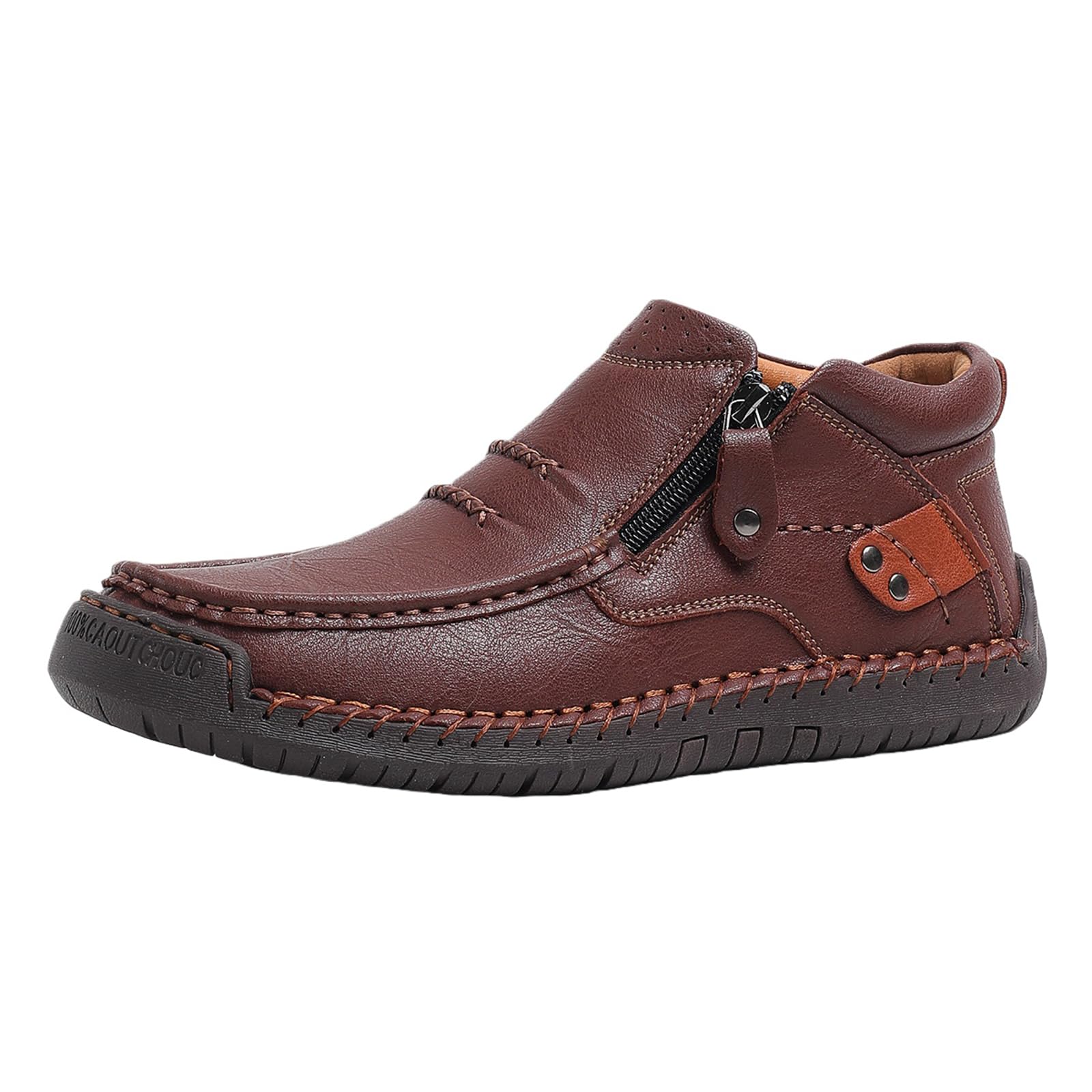
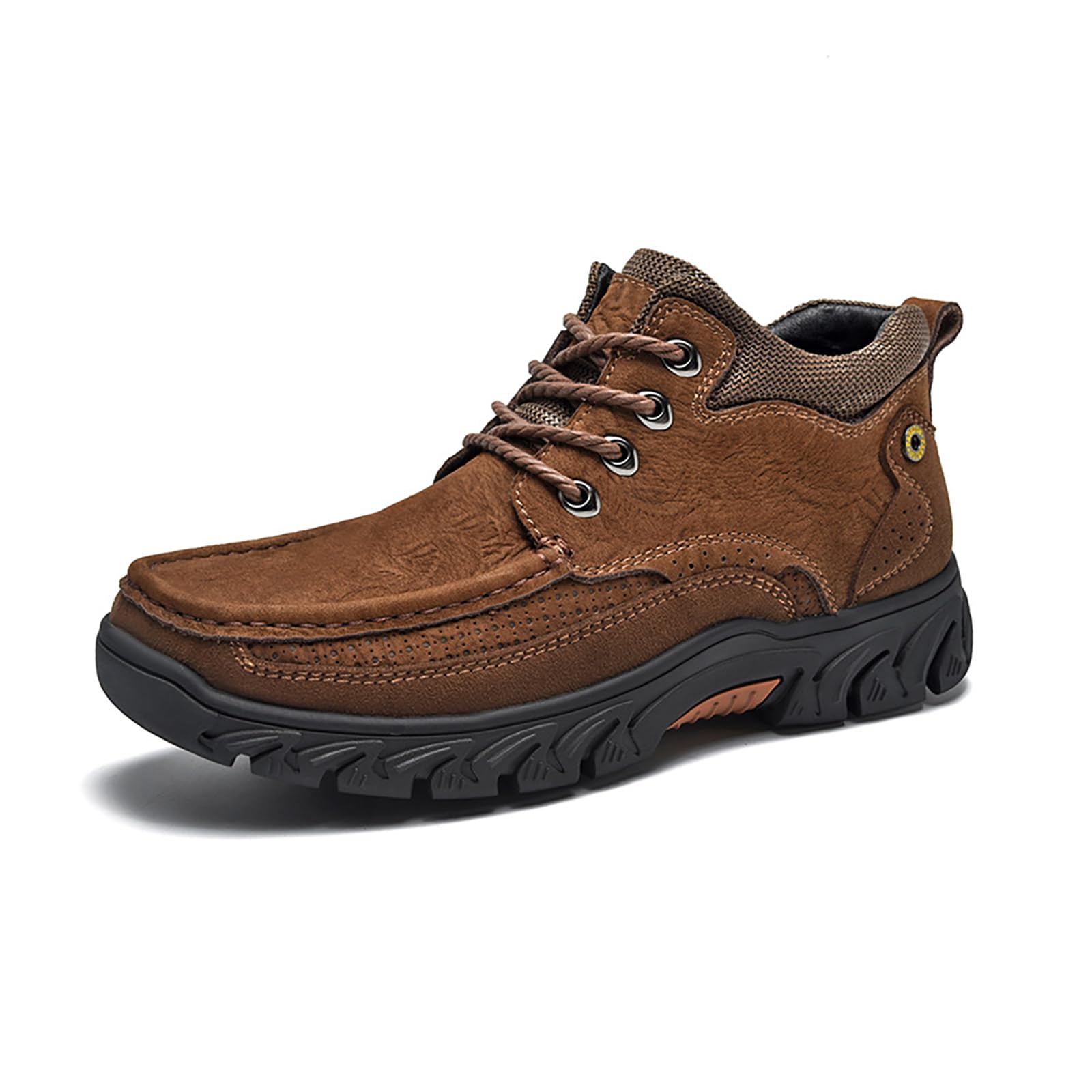
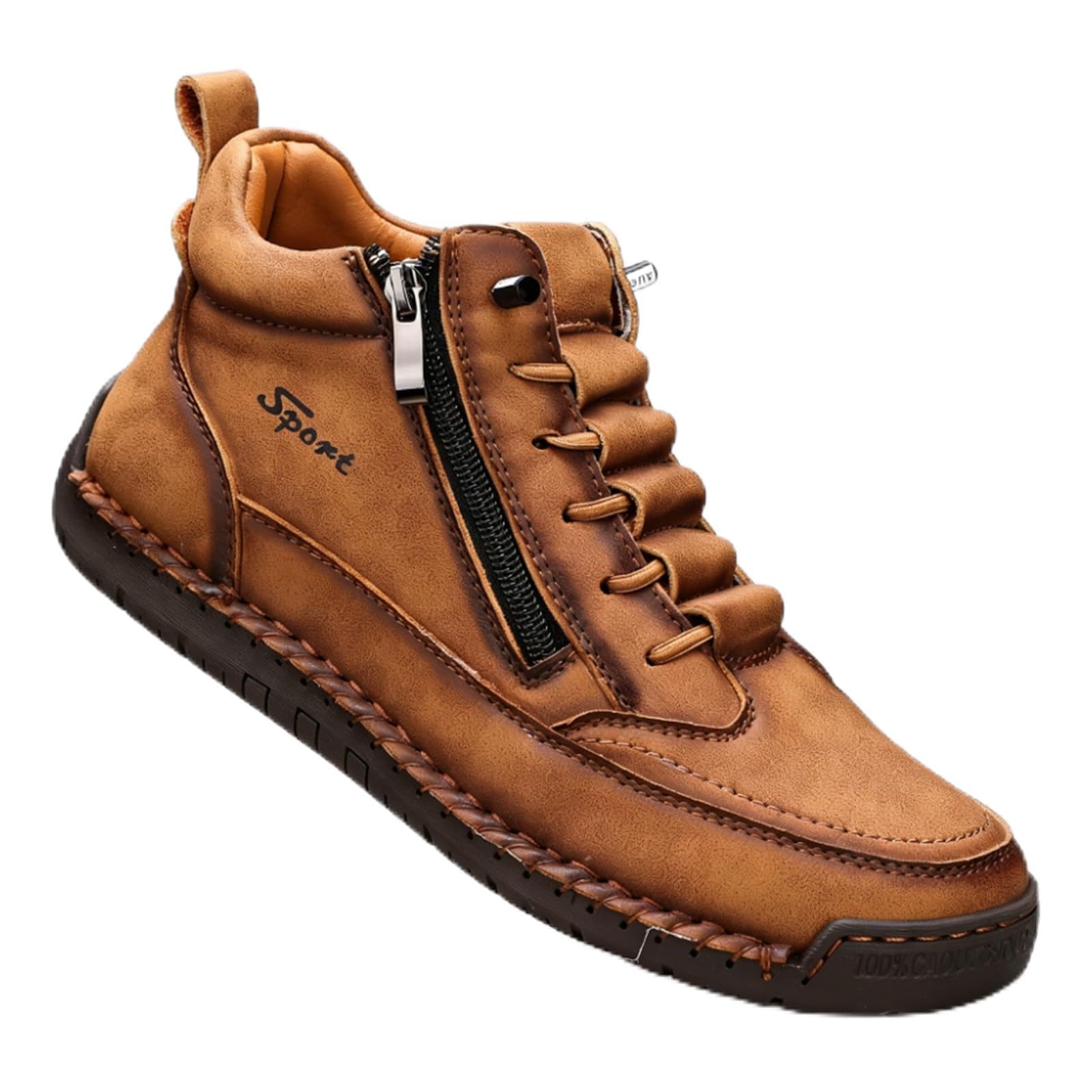
Who Should Buy Boots Made for Driving?
Your weekly mileage decides which boot makes sense.
Daily Commuters Driving One to Two Hours
Commuters need a light boot with a thin, flexible outsole and a low shaft that lets the ankle move freely between pedals. Breathable linings help in slow traffic heat. Most commuters do well in the budget or lower midrange tiers, since heavy construction only adds weight and stiffness they never use.
Long Distance Drivers and Delivery Drivers
Drivers who spend most of a shift in the seat need stronger cushioning under the heel, a roomy toe box for feet that swell during the day, and a rounded heel that rolls as you shift from gas to brake. If your route mixes driving with loading stops, see our guide to the best work boots for driving. This group gains most from midrange and premium pairs, where foam and leather hold their shape longer.
Professional Drivers in Trucks and Fleet Vehicles
Cab space, tall steps, and long shifts change what a truck driver needs: a grippy outsole for metal steps, a shaft that supports the ankle when climbing down, and insulation matched to the season. For cab specific options, see our guide to the best boots for truck driving. Premium pairs pay off here, because a resoleable build spreads its cost over years.
Key Features to Compare in Driving Boots
These features separate the best boots for driving from ordinary work or hiking styles.
Outsole Thickness and Pedal Feel
The outsole is the rubber layer between your foot and the pedal, and its thickness controls how much feedback you sense. A thin outsole, roughly 5 to 10 mm under the forefoot, lets you judge brake pressure with small movements, which reduces fatigue in stop and go traffic. Thick lugged soles mute that feedback and can catch on pedal edges.
Heel Shape and Heel to Toe Drop
Driving boots work best with a rounded or beveled heel, because your heel stays planted on the floor mat and pivots as your toes move between pedals. A sharp square heel digs in and makes that pivot feel notchy. Heel to toe drop matters too: a low drop of about 4 to 8 mm keeps your ankle near a natural angle, while a tall heel tilts the foot forward and strains the shin.
Shaft Height, Weight, and Ankle Flex
The shaft wraps your ankle, and its stiffness decides how easily your foot points up and down. Soft collars and heights around 4 to 6 inches suit most drivers, giving light support without locking the joint. Tall, rigid hiking shafts slow pedal changes and tire the lower leg. A pair under about 2.5 pounds also feels far less tiring over a full shift.
Cushioning and Stability for Long Hours Seated
Cushioning in a driving boot has a different job than in a running shoe. Your foot is not striking the ground, so the foam mainly absorbs vibration through the floor and supports the resting heel. A firm heel pad with a softer forefoot layer gives stability without a spongy feel that blurs pedal control. Removable insoles help too, since a fresh pair restores comfort cheaply.
Heel Hold and Toe Room for Pedal Feel
Measure both feet in the afternoon, when they are at their largest, and shop to the longer foot. A driving boot should hold the heel snugly while the toe box leaves about half an inch in front of your longest toe, because toes that press the front ache as feet swell. Wide sizes matter more than many buyers expect. If you fall between sizes, choose the larger one.
Upper Materials, Breathability, and Water Resistance
Full grain leather lasts longest and molds to your foot, but it breathes slowly and needs conditioning. Mesh and knit uppers move air well and feel soft right away, yet they wear faster at flex points and soak through in rain. A Gore Tex lining keeps water out on wet walks, though it also holds heat.
How Price Tracks Materials and Lifespan on the Road
Price tiers here buy materials and lifespan more than extra features, so spend according to your mileage and how long you plan to keep the pair.
Lean Spending Tier: Sound Basics Under $100
Budget boots, usually under $100, use synthetic uppers, cemented soles that cannot be resoled, and basic foam insoles. Pedal feel is often good because the soles are thin, which suits occasional drivers. The trade off is lifespan: expect heel rubber and cushioning to tire after roughly a year of daily use.
Balanced Spending Tier: Better Foam and Leather for About $100 to $180
Midrange boots at about $100 to $180 bring real leather uppers, denser cushioning that resists packing down, and more even sizing. Most frequent drivers land here, because the comfort gains show up on every long trip while the price stays reasonable.
Top Spending Tier: Craft, Resoling, and Years of Use Above $180
Premium boots above $180 pay for thick leather, stitched welt construction that a cobbler can resole, and refined lasts that fit closely without pinching. Spending more pays off when you drive for a living, since a resole can double the life of the upper. Casual drivers gain little here, because the break in period runs longer.
Long Term Costs of Owning Driving Boots
The purchase price is only part of what a pair costs you. Insoles need replacing every 6 to 12 months of daily driving, laces wear at the eyelets, and leather needs conditioner a few times a year. Budget cemented soles cannot be repaired once the heel wears smooth.
Common Mistakes to Avoid When Buying Driving Boots
- Choosing thick hiking soles for driving, which dull pedal feedback and make fine braking harder.
- Buying a tall rigid shaft that locks the ankle, which tires the lower leg on long routes.
- Sizing boots in the morning when feet are smallest, which leaves them tight by late afternoon.
- Paying for heavy insulation in a warm climate, which overheats feet and speeds up sweat and odor.
- Keeping a pair after the heel rubber wears smooth, which lets the foot slip on wet pedals.
- Judging comfort by a short store walk, which says little about hours seated with feet angled.
Care and Maintenance for Driving Boots
Brush off road grit after wet or salty drives, since dried salt stiffens leather and cracks the surface over time. Let boots air out for a full day between long shifts, and store them away from heat vents. Condition leather every few months, and check heel rubber monthly.
Rotate two pairs if you drive daily, because foam recovers shape during a rest day and each pair lasts longer. Replace insoles when the heel pad feels flat. Keep spare socks in the vehicle for rainy days, since damp socks change fit and can cause blisters.
Frequently Asked Questions
What features matter most in boots for driving on long trips?
Pedal feel, heel shape, and ankle flex matter most on long trips, because they let you make small, calm pedal movements for hours. One point many buyers miss is floor mat clearance: check that the boot heel does not catch the edge of a thick winter mat when you pivot.
How should boots for driving fit around the toes and ankle?
Boots for driving should hold the heel firmly, leave room in the toe box, and let the ankle bend without the collar digging in. Try them on seated with your foot angled as if on the pedals, not only while standing. Lace the middle eyelets snugly and the top ones looser to free the ankle.
How often should you replace boots worn mainly for driving?
Replace boots worn mainly for driving when the heel rubber turns smooth, the cushioning feels flat, or the upper cracks at the flex point. Daily drivers often reach that point after about two to three years. Try the coin check: if heel grooves are shallower than a coin edge held upright, grip has already dropped.
Are premium boots for driving worth the extra cost?
Premium boots for driving are worth the cost when you drive daily and keep a pair for years, because resoling extends their life. They are poor value for occasional drivers, who get the same pedal feel from a midrange pair. Count your trips: 500 trips a year spreads the premium far better than weekend use.
Can you wear boots for driving during a full work day on your feet?
Yes, you can wear boots for driving through a full work day if the pair also supports standing and walking. Look for a cushioned heel and enough toe room for hours on hard floors. Drivers who mix routes with warehouse work should choose a sturdier sole and stand ten minutes in the store to check arch support.
Do you need waterproof boots for driving in wet climates?
You need waterproof boots for driving only if your routine includes regular walks in rain between the vehicle and buildings. A waterproof lining adds warmth and cost that garage to office drivers never use. In wet regions, a water repellent spray on leather is a lighter option, and seams are where most leaks begin.
Our Verdict
Choose by mileage first: light commuters can spend under $100, frequent drivers get the best value at about $100 to $180, and full time professionals can justify premium pairs they resole for years. Protect pedal feel, heel shape, and ankle flex above all, and revisit the product table above before you order. With those priorities, the best boots for driving will feel calm and precise on long routes.


