
Best Boots for Dress Pants: A First Time Buyer's Guide for 2026
Disclosure: We may earn a commission when you buy through links on this page, at no extra cost to you. As an Amazon Associate I earn from qualifying purchases. Learn more

Learn how to choose boots for dress pants with a slim profile, the right toe shape, leather finish and sole, plus fit and pairing tips for work.
Buying boots for tailored trousers feels tricky the first time, because a boot that looks great with jeans can look clumsy under a pressed pant leg. The best boots for dress pants sit slim at the ankle, slide cleanly under the hem, and keep a polished finish all day. This guide covers the basics, fit, leather, soles and pairing, so you can read the comparison table below with clear eyes.
You do not need a large collection to start. One versatile pair in the right shape and color covers most office days, dinners and formal events. Focus first on profile and fit.

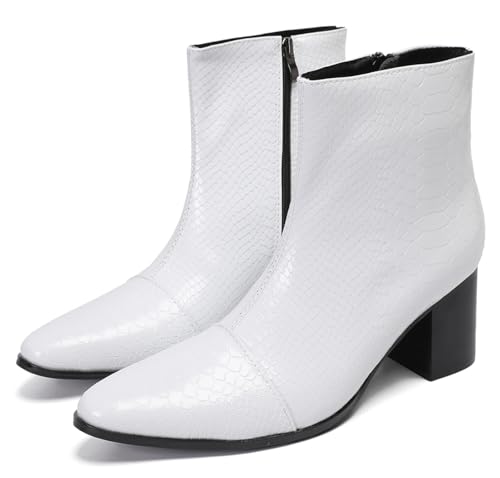


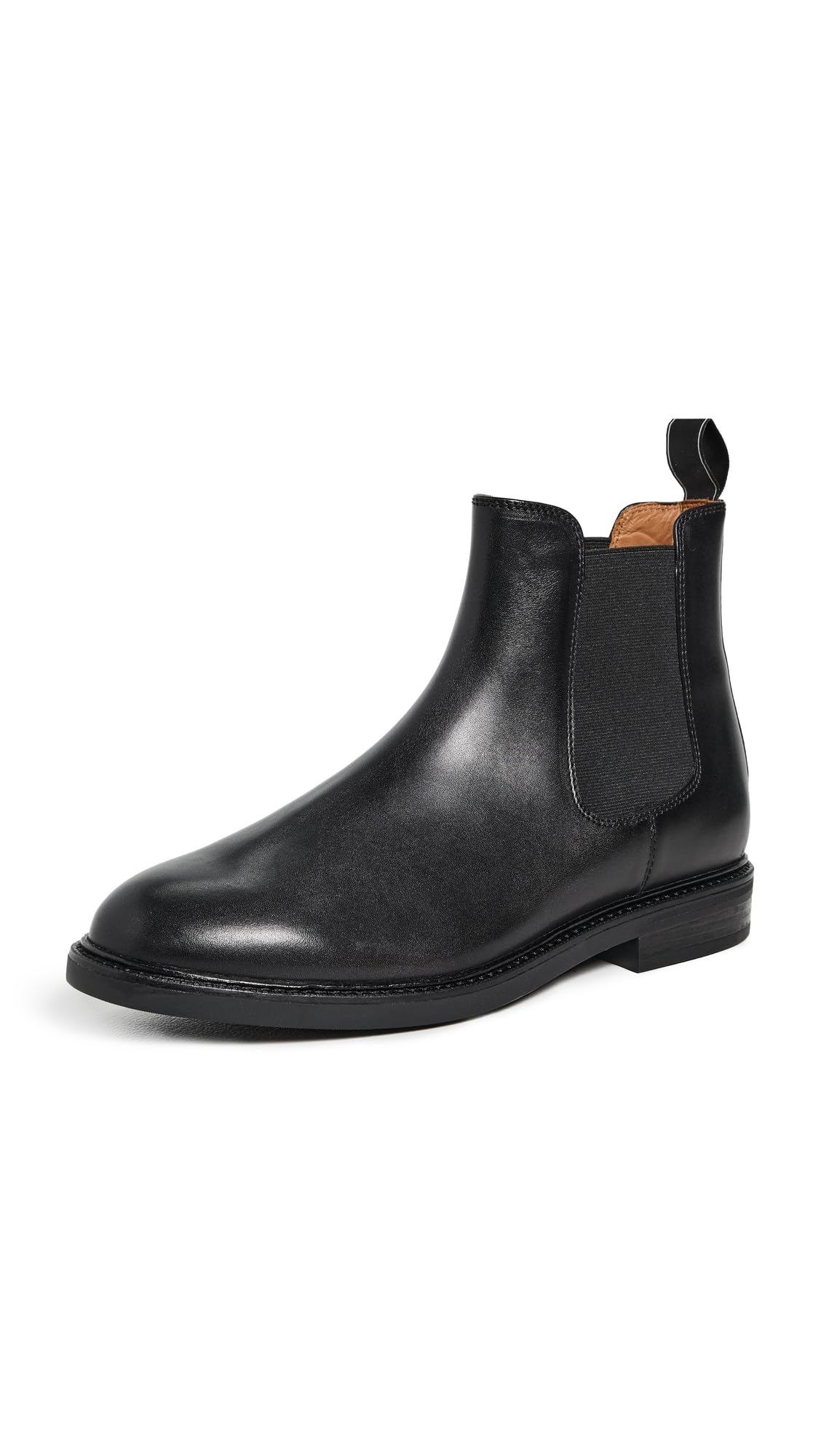


Boots 101: The Basics for Dress Pants
A dress boot is cut to look like a dress shoe from the toe to the ankle, with a higher shaft that disappears under your trousers. From the front, coworkers mostly see a smooth toe, a low heel and a neat sole edge. The shaft stays hidden and keeps the pant leg falling straight instead of catching on a shoe tongue or sock.
That hidden shaft gives you more coverage and warmth than a low shoe, while the visible part stays formal. Bulky work boots fail here, because wide collars and padded openings push the hem outward and break the clean line dress pants need.
Who Should Buy Boots for Dress Pants?
Start with the pants and the day you repeat most often, because a boardroom suit and relaxed office trousers need different shapes.
Office Workers Who Wear Dress Pants Daily
You need a pair that pairs with navy, charcoal and gray trousers without thought each morning. Choose a plain toe or simple cap toe in smooth black or dark brown leather, with a slim leather or thin rubber sole. A lace up style gives the closest fit at the ankle, so the hem falls without bunching.
First Time Buyers Building a Small Formal Wardrobe
You want one pair to cover interviews, weddings and work dinners. Start with a Chelsea style in dark brown, because the elastic side panels keep the profile clean and the color works with most trousers except black formal suits. Add nothing else until you know which pant colors you wear most, since color match matters more than owning several shapes.
Commuters Who Walk in Cold or Wet Weather
You walk to a station or across a parking lot, then need to look polished indoors. Choose a thin rubber outsole for grip on wet pavement and a shaft high enough to shield your socks from splashes. Weatherproof leather handles light rain well, and you gain warmth over low shoes without bulk.
Key Features to Compare
When you compare the best boots for dress pants, judge profile before price, because a slim shape that fits your hem cannot be fixed later by polish or new laces.
Slim Shaft and Ankle Profile Under the Pant Leg
The shaft should hug your ankle closely, with an opening that sits flat rather than flaring outward. Most dress styles rise about 6 to 8 inches, enough to stay under the hem when you sit. A wide collar catches the fabric and creates a bulge at the ankle. Lace up styles let slim calves close the shaft snugly, while Chelsea styles suit average calves.
Toe Shape and Toe Box Room
Toe shape sets the formality of the whole boot. An almond toe, tapered but not sharply pointed, reads formal and pairs with slim trousers, while a round toe feels more casual. Inside, the toe box should let your toes lie flat without pressing the leather outward. Measure your feet late in the day, when they are largest, and allow about half an inch beyond your longest toe.
Upper Leather and Finish
Smooth full grain leather is the safest first choice, because it polishes to a clean shine, creases finely and matches smooth trouser fabric. Suede looks softer and works with flannel trousers, but it marks more easily in rain and reads less formal. Breathable leather linings help indoors, since a lined boot can feel warm at a desk. Matte finishes hide scuffs better, while a high shine finish suits evening events.
Outsole Slimness and Grip
A leather outsole gives the slimmest edge and the most formal look, and it suits dry days and indoor floors. A thin rubber outsole adds grip on wet stone and lasts longer on pavement, with only a small rise in profile, so it is the practical pick for most commuters. Avoid thick lug soles, because deep tread reads as outdoor gear and a wide welt makes a fine boot look heavy.
Heel, Cushioning and Stability for Long Days
Most dress boots use a low stacked heel of about 1 to 1.25 inches, which keeps your posture close to a dress shoe and lets the pant break fall correctly. The heel to toe drop is small, so your weight stays balanced. Look for a cushioned insole and a firm heel counter, because cushioning softens hard floors while the counter holds your heel steady and adds stability on stairs.
Boot Types Compared and How to Pair Them With Dress Pants
Three types cover nearly every need. Chelsea boots slip on, show no laces and give the cleanest line under slim trousers. Lace up dress boots adjust closely at the ankle and read the most formal. Chukka boots end lower and feel more relaxed, so they suit smart trousers better than suits. For a closer look at formal shapes, see our guide to the best dress boots.
Color and hem decide whether the pairing works. Black boots pair with black, charcoal and navy pants, while dark brown pairs with navy, gray, tan and olive. Keep the belt close in color to the boots. The hem should just touch the top of the boot, with a leg opening of about 14 to 16 inches on slim trousers so the fabric clears the shaft. Men refining a rotation can also see our guide to the best dress boots for men.
Before you commit, try the boots at home with the pants you wear most. Stand, sit and cross your legs, and watch the hem fall back without pulling. Walk on a hard floor and note any heel slip. If you are still choosing trousers, see our guide to the best pants with boots for leg widths that work over a shaft.
Common Mistakes to Avoid
New buyers repeat the same few errors.
- Choosing a chunky lug sole makes the boot read as outdoor gear and breaks the clean line of your trousers.
- Buying a shaft that flares at the top leaves a visible bulge under the hem every time you sit.
- Matching brown boots with black formal pants makes both pieces look off, even when each fits well.
- Sizing down for a sleek look cramps the toe box and creases the leather across your toes within weeks.
- Wearing the same pair every day without rest shortens the life of the leather and the insole.
Care and Maintenance for Dress Boots
Rest your boots at least one full day between wears, and place wood shoe trees inside while they rest, because trees hold the toe shape and draw out moisture. Brush off dust after each wear, and wipe road salt away the same evening, since salt dries leather and leaves pale marks.
Condition smooth leather every few months, or sooner when it looks dry, then polish to restore the finish. Let wet boots air dry at room temperature away from direct heat. Suede needs a suede brush and protector spray instead of cream. A cobbler can replace a worn thin sole, keeping a good upper in service for years.
FAQ
What features matter most in boots for dress pants?
A slim shaft, an almond toe and a thin sole matter most in boots for dress pants. Those three decide whether the hem falls cleanly and whether the boot reads as formal. After shape, check color against your most worn trousers. One detail new buyers miss is sole edge color, because a pale natural edge can make a dark formal boot look casual.
How should dress boots fit when worn with dress pants?
Dress boots should fit snugly at the heel and midfoot, with room for your toes to lie flat. Thin dress socks take less space than athletic socks, so try boots on with the socks you plan to wear at work. Your heel may lift slightly at first, but it should not slide forward. If the shaft gaps at the ankle, try a lace up style for a closer fit.
How long is the break in period for new dress boots?
Most new dress boots soften over about three to five wears of a few hours each. Stiff full grain leather relaxes at the ankle crease first, where new buyers feel the most pressure. Wear the pair at home, then for a short workday, before a long event. Stop if you feel numbness, because numbness signals a fit problem, not normal stiffness.
Do I need waterproof boots for dress pants in wet weather?
You need waterproof boots for dress pants only if you walk far in steady rain or snow. A membrane such as Gore Tex keeps water out, but it adds warmth and can make a fine dress shape harder to find, so many commuters do better with weatherproof leather and a thin rubber sole. Dry wet leather slowly once you arrive.
Can I wear boots with dress pants all day at work?
Yes, you can wear boots with dress pants all day at work if the fit and insole suit long hours. The higher shaft supports the ankle during walks, and a cushioned insole softens hard floors. Stand and walk briefly each hour. If your office runs warm, a breathable leather lining will feel better by afternoon than a thick padded lining.
Final Thoughts
Keep your first decision simple. Choose a slim shaft that clears your hem, an almond toe, smooth leather in a color that matches most of your wardrobe, and a sole that fits your commute. Fit with dress socks, late in the day, decides more than any spec list detail.
When you judge best boots for dress pants by those points, one pair usually stands out fast. Use the product table above to confirm shaft height, sole type and price.


