
Best Boots for Diesel Mechanics: Every Type Explained Side by Side for 2026
Disclosure: We may earn a commission when you buy through links on this page, at no extra cost to you. As an Amazon Associate I earn from qualifying purchases. Learn more

Compare boot types side by side and learn which features matter most so you can choose the best boots for diesel mechanics for long shop days.
Walk into any boot store and the wall of options can feel overwhelming. Lace up or pull on, steel toe or composite toe, wedge sole or lugged sole, waterproof or breathable. For diesel work, the stakes are higher than for most jobs, because your boots face diesel fuel, oil soaked concrete, heavy parts, and ten or more hours on your feet. Choosing the best boots for diesel mechanics starts with understanding each boot type, not with picking a random pair off the shelf.
This guide compares the main boot types side by side, explains the features that actually matter in a diesel shop, and shows how fit and care change how long a pair lasts. Use the comparison table below to see how the types differ at a glance, then read on for the detail behind each row.


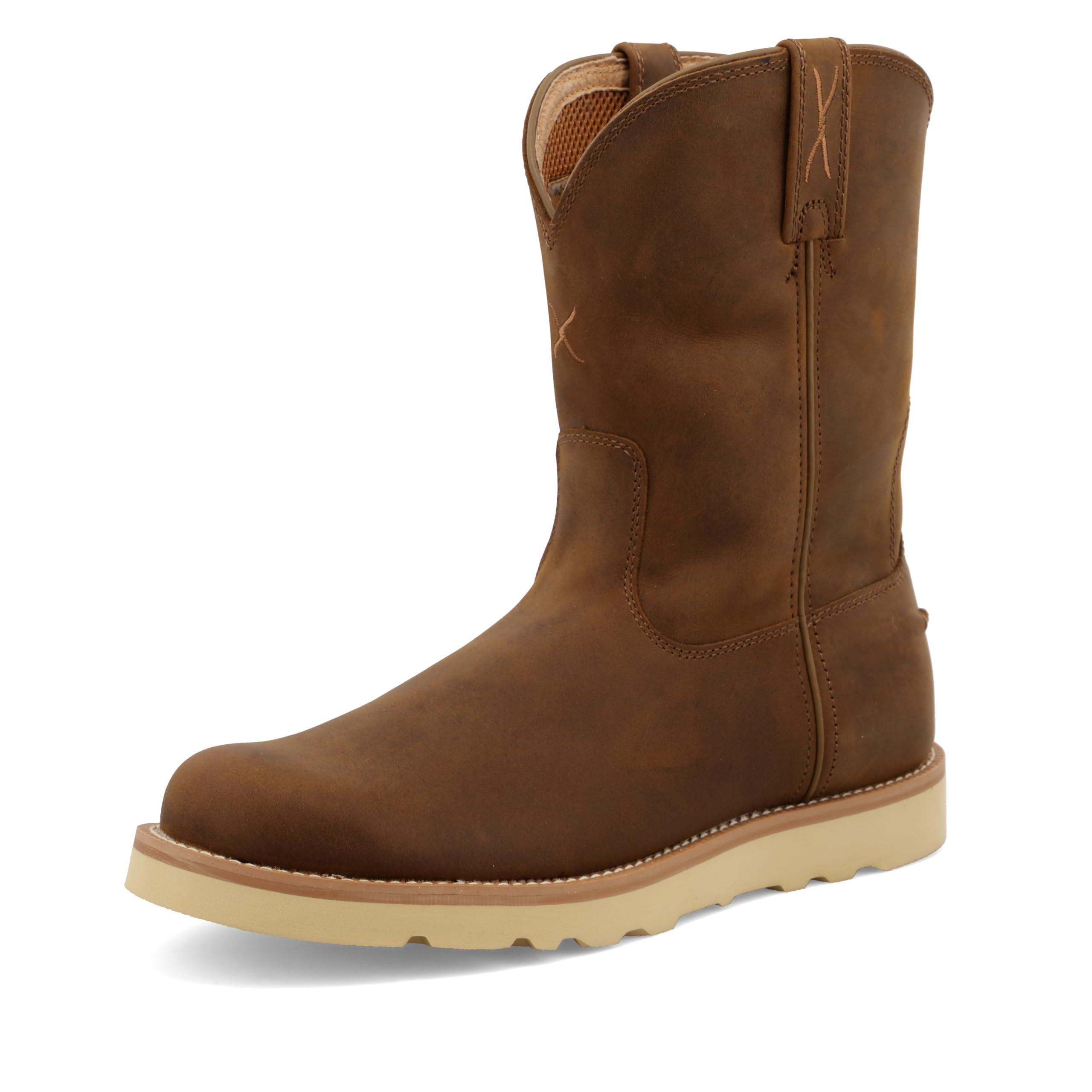


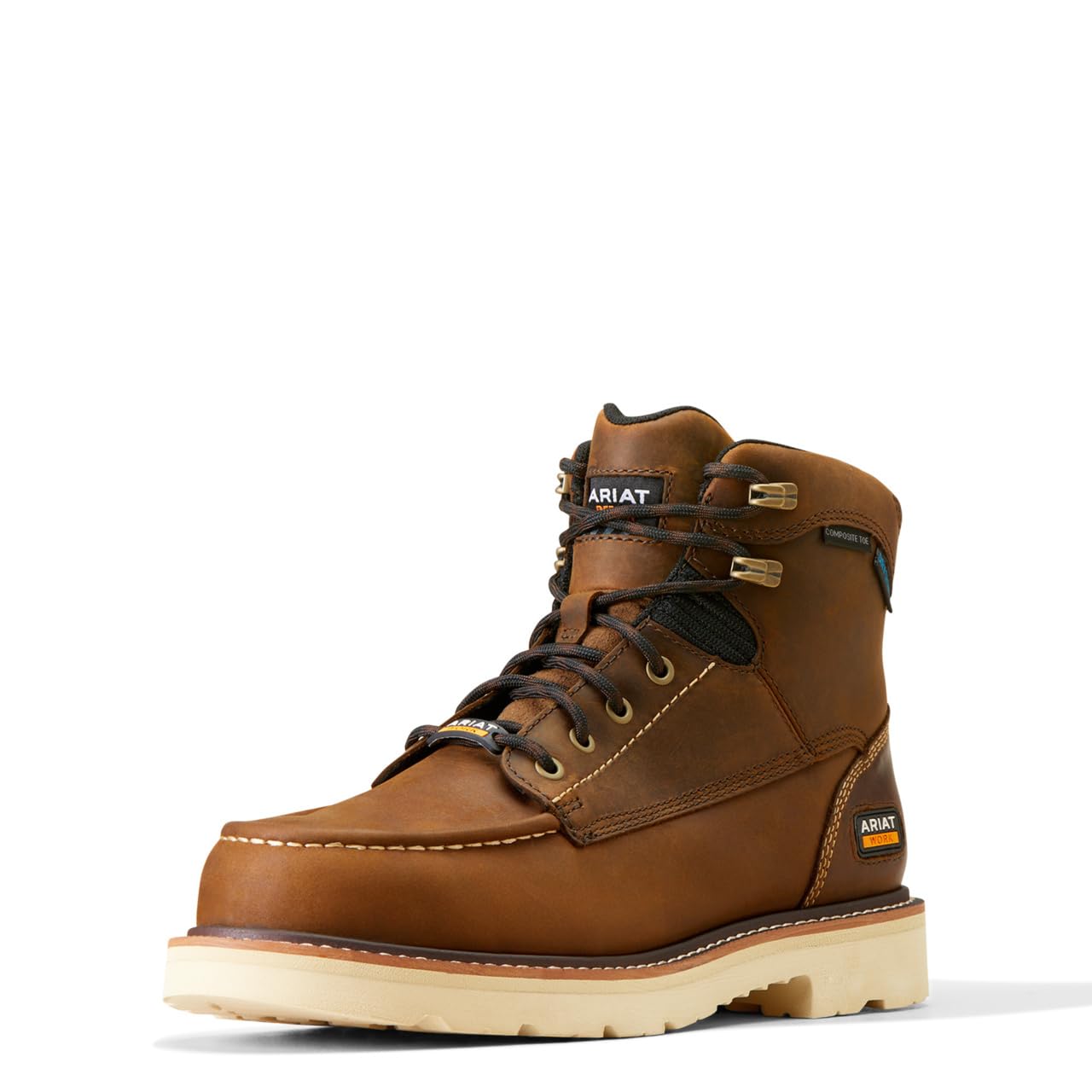


Types of Boots Compared
Diesel mechanics mostly choose among three boot families, and the product table above groups options along these same lines. Each family handles standing, kneeling, climbing, and slick floors in a different way. If you work on general gasoline vehicles as well, the tradeoffs overlap a lot, which is why many readers also see our guide to the best boots for mechanics for the broader picture.
Lace Up Work Boots
Lace up boots are the most common choice in diesel shops because the laces let you fine tune the fit around your ankle and instep. A snug lace pattern locks your heel in place, adding stability when you carry heavy parts or climb into an engine bay.
The tradeoff is upkeep. Laces take a minute to tie each morning, collect grease, and loosen during a shift, so many mechanics double knot them or switch to heavier waxed laces. If your ankles need support or your feet swell unevenly, though, the adjustable fit is hard to beat.
Pull On Work Boots
Pull on boots, often built in a Wellington style with side pull straps, skip laces entirely. You slide them on in seconds, which suits mechanics who move between the shop, the yard, and the office. With no laces to soak up fuel or snag on equipment, they stay cleaner and present fewer catch points around rotating machinery.
The compromise is fit precision. A pull on boot relies on the shaft and instep shape to hold your foot, so a loose pair lets your heel lift with every step and causes blisters. Sizing matters more here than with lace ups, and trying them on late in the day, when your feet are at their largest, is the safest way to judge fit.
Wedge Sole Moc Toe Boots
Wedge sole boots use a flat, full contact rubber sole, and many pair it with a moc toe upper stitched in a U shape. The flat sole spreads your weight across the whole foot, which feels kind on concrete and gives the cushioning and arch support that long shifts demand. The wide, flat footprint also resists packing with mud when you cross a gravel yard.
Wedge soles trade away deep tread, so their grip on wet, oil covered ramps and ladders is weaker than a lugged sole, and the heel wears faster if you drag your feet. Mechanics who spend nearly all day on flat shop floors accept those tradeoffs for the comfort, while those who climb on equipment usually want more tread.
Lugged Sole vs Wedge Sole: Which Should You Choose?
The fastest way to narrow your choice is to picture where your boots spend the day. A lugged sole has deep, separated tread blocks that bite into gravel, mud, and wet loading areas, and the gaps shed debris as you walk. It suits roadside service calls, fleet yards, and any job mixing indoor and outdoor surfaces. The raised heel also helps your foot catch ladder rungs and equipment steps.
A wedge sole wins on pure concrete. Its flat contact patch feels steadier during long standing work, and it tracks less dirt into cabs and customer vehicles. If your shift is ninety percent shop floor, choose the wedge; if you regularly climb, work outdoors, or cross oil slicked ramps, choose the lug. Many diesel mechanics keep one of each and rotate by assignment, which also extends the life of both pairs.
How to Choose the Right Boot
Type is only the starting point. Two boots of the same type can feel completely different once materials, outsole rubber, and fit enter the picture. Together, these factors define the best boots for diesel mechanics far more than any brand name does, so check them against the product table above before you order. Readers comparing across trades often start with our guide to the best work boots for mechanics and then apply the diesel specific checks in this section.
Upper Materials and Breathability
Full grain leather is the default upper for diesel work because it resists abrasion, shrugs off sparks and hot splashes better than fabric, and molds to your foot over time. Thicker leather, around 2 to 2.2 millimeters, handles fuel and oil exposure better but feels stiff at first and breathes poorly in a hot shop. Some boots blend leather with mesh panels to add airflow, and that breathable mix suits indoor summer work, though mesh stains faster and protects less against spills.
Waterproof membranes such as Gore Tex keep coolant and wash water out, which matters for mechanics who pressure wash engine bays. The tradeoff is heat, since a membrane slows the escape of sweat vapor. If your work is mostly dry, an unlined leather boot treated with a water resistant balm often balances protection and comfort better.
Outsole Traction and Terrain
The outsole is your only contact with floors that may carry diesel fuel, oil, coolant, and water at the same time. Look for rubber compounds labeled oil resistant and slip resistant, since plain rubber hardens and loses grip after repeated fuel exposure. Lug depth of about 4 to 6 millimeters gives useful bite outdoors without feeling unstable on flat concrete, while shallower, wider patterns suit pure shop floors.
Check the heel shape too. A defined heel breast, the angled front face of the heel, helps your boot catch on ladder rungs and pedal edges, while a fully flat wedge can slide. Premium rubber brands such as Vibram appear on many higher priced boots, but tread pattern and compound matter more than the logo on the sole.
Features That Matter for Diesel Mechanics
Diesel work adds loads that general mechanic boots may not face. Engine and transmission parts are heavy, so a safety toe rated under the ASTM F2413 standard is a baseline in most shops, and many employers require it. Composite toes weigh less than steel and do not conduct cold, while alloy toes split the difference. An electrical hazard rating adds protection around starters, alternators, and hybrid service work.
Chemical resistance matters just as much. Diesel fuel and solvents break down cheap adhesives and soften low grade leather, so look for sealed or welted construction and uppers described as fuel resistant. When you roll under a truck, your toes and heels drag and scuff constantly, so a reinforced toe cap earns its keep; pair good boots with the right rolling gear, and see our guide to the best mechanics creepers for that side of the setup. A cushioned insole with real arch support rounds out the list, because standing on concrete loads your arches far more than walking does.
Weight and Flexibility
Boot weight adds up over thousands of steps. A heavy leather pair with a steel toe can weigh about 4 to 5 pounds per pair, while lighter builds with composite toes and foam midsoles can drop close to 3 pounds. Lighter boots reduce leg fatigue late in a shift, but they usually flex more, and a sole that flexes too easily lets your foot bend over sharp edges, which tires the arch.
Flexibility should sit at the ball of the foot, not the midfoot. Bend a boot with the toe pressed down; if it folds in the middle, the arch support will feel weak by midday. A stiff shank, often nylon or steel, bridges the arch and is worth having if you stand on rails, steps, or creeper edges.
Fit, Sizing, and Toe Box
Fit decides whether good specs ever get a chance to help you. Shop for boots late in the day, when your feet have swollen to working size, and wear your usual work socks. You want about a thumb width of room in front of your longest toe, a heel that stays put when you walk, and no pinching across the ball of the foot. Sizes vary between brands, so check the return policy before ordering online.
The toe box deserves special attention with safety toes, because the cap fixes the width and your toes cannot stretch it. If your toes splay or you wear thick socks, choose a wide width rather than sizing up in length, since extra length lets your foot slide and bang the cap. Persistent foot pain, numbness, or tingling beyond the break in period is a sign to get your feet checked by a clinician rather than blaming the boot alone.
For a shortlist focused only on shop duty, see our guide to the best work boots for diesel mechanics, which applies these same fit and safety checks to diesel work alone.
Care and Maintenance Tips
Diesel fuel and road salt quietly destroy boots that would otherwise last for years, so a small routine pays off. Brush off dirt weekly, and wipe fuel or oil off leather the same day, because petroleum softens the fibers and the glues beneath them. About once a month, work in a leather conditioner to replace the oils that fuel strips out, and air dry wet boots at room temperature, never against a shop heater, which cracks damp leather.
Rotate two pairs if you can, giving each pair a rest day to dry fully and let the cushioning rebound. Pull the insoles out at night so moisture escapes, and replace them once they pack flat, usually well before the boot itself wears out. Resoleable welted boots can take a new outsole when the tread smooths out, which costs far less than a new pair.
FAQ
What features matter most in boots for diesel mechanics?
The safety toe, fuel resistant materials, and a slip resistant outsole matter most. Beyond those, a metatarsal guard is worth considering if your shop handles very heavy components, since it shields the top of the foot where a standard toe cap stops. Also check whether your employer names a specific ASTM rating, because a boot that fails a site inspection protects you on paper only.
How should diesel mechanic work boots fit when new?
New diesel mechanic work boots should feel snug at the heel and midfoot with clear space ahead of your toes. One detail many buyers miss is trying boots with the insole you actually plan to use, because aftermarket insoles can eat up surprising room inside a safety toe. If one foot is larger, fit to that foot and use lacing or a thicker sock to fine tune the smaller side.
How long is the break in period for leather work boots?
The break in period for leather work boots usually runs one to two weeks of regular wear. Stiff full grain leather softens fastest across the ankle and toe creases, so short walks before your first full shift help. A useful trick is to wear new boots for shop cleanup and parts runs first, tasks that keep you moving without the deep kneeling that can bite into a stiff ankle collar.
How often should diesel mechanics replace their work boots?
Diesel mechanics should replace work boots when the tread, toe cap, or cushioning stops doing its job, which for daily shop wear often means every 12 to 18 months. A quick monthly check helps: press the midsole with your thumb to feel for dead, packed cushioning, and check the heel counter for collapse. Boots that still look fine on top may already have lost the support your knees rely on.
Do diesel mechanics need waterproof work boots?
Diesel mechanics need waterproof work boots only if their work regularly involves wash bays, coolant draining, or outdoor yards in wet weather. For everyone else, note that waterproof membranes eventually wear and flex crack, after which the boot traps moisture inside instead of blocking it. A water resistant leather treatment you renew yourself can outlast a tired membrane in mostly dry shops.
Are expensive work boots worth it for diesel mechanics?
Expensive work boots can be worth it for diesel mechanics when the extra money buys resoleable construction, better leather, and a longer lasting outsole. Price alone proves little, though. One smart move is to ask whether the maker sells replacement insoles and laces for that exact model, because easy access to small parts often signals a boot built to be maintained rather than discarded.
Final Thoughts
Start with the sole that matches your surfaces, lugged for mixed indoor and outdoor work or wedge for pure concrete. Then confirm the safety toe and fuel resistant build your shop demands, and take the time to fit the toe box with your real work socks on. Get those three things right and the best boots for diesel mechanics for your job will feel obvious rather than confusing. Look back at the product table above to match each type against your shift, your floors, and your budget.


