
Best Boots for Deployment in 2026: What Actually Matters Before You Buy
Disclosure: We may earn a commission when you buy through links on this page, at no extra cost to you. As an Amazon Associate I earn from qualifying purchases. Learn more

Compare deployment boots by fit, uniform rules, waterproofing, support and weight, with a full buyer checklist and care tips for long duty days.
A deployment leaves little room to swap gear that hurts, leaks or breaks down far from home. The best boots for deployment are the pair that fits your feet, matches your uniform rules and holds up on the ground you will actually cross. This guide turns those demands into a clear checklist, so you can use the comparison table below with confidence.
Start by naming your climate, your daily load and how many hours you stay on your feet. A hot and dry posting asks for airflow, while a wet posting asks for sealed seams. The sections below match each condition to the boot that serves it best.


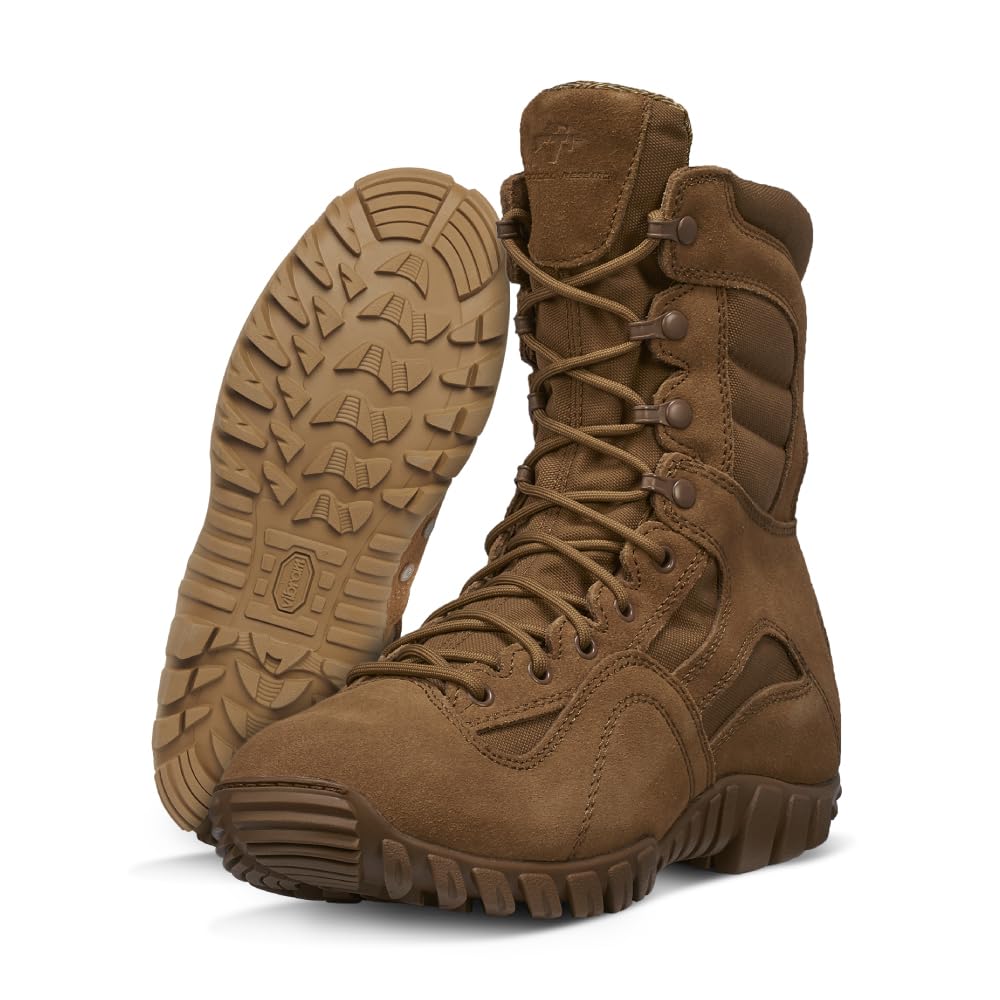
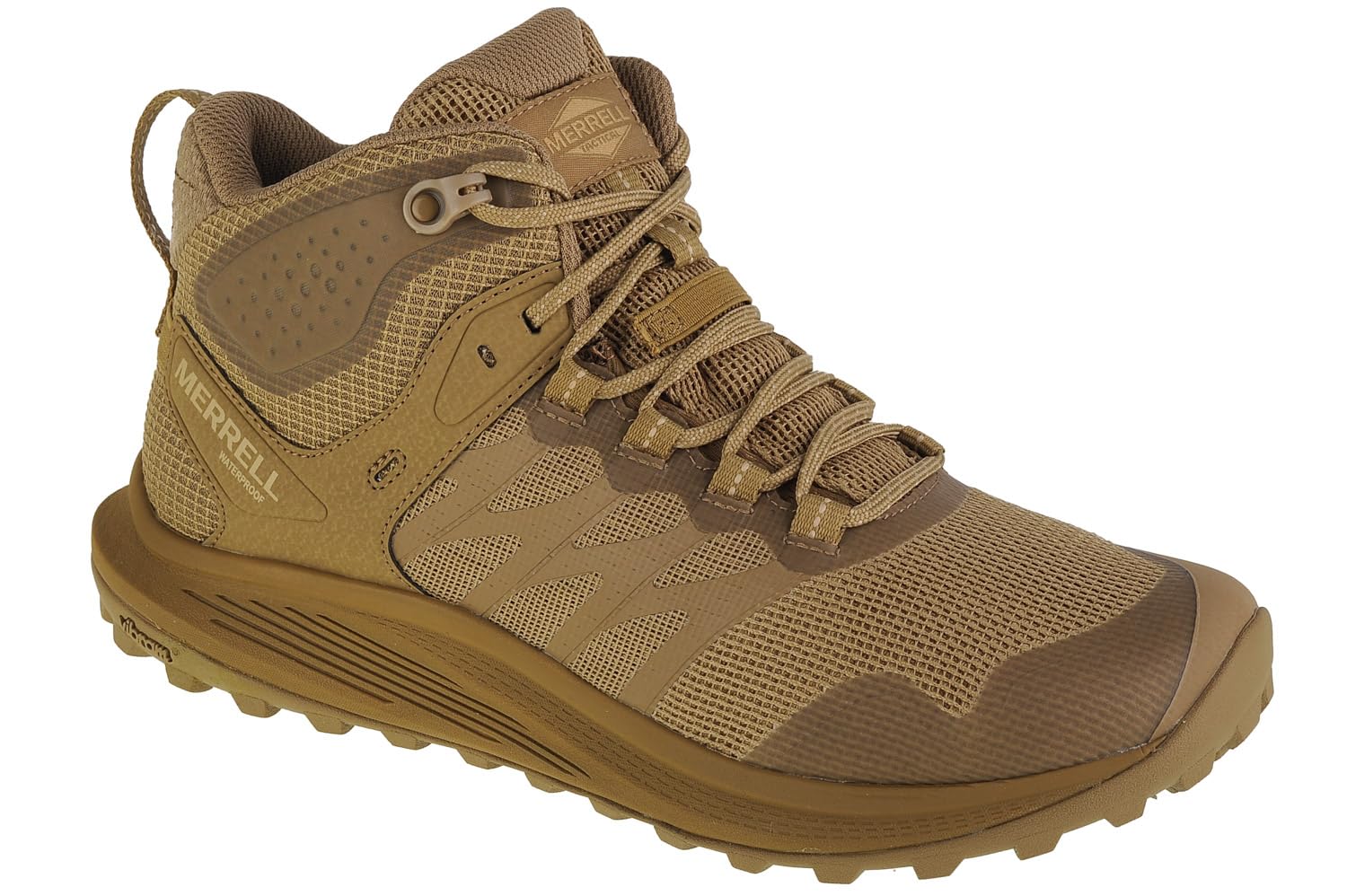

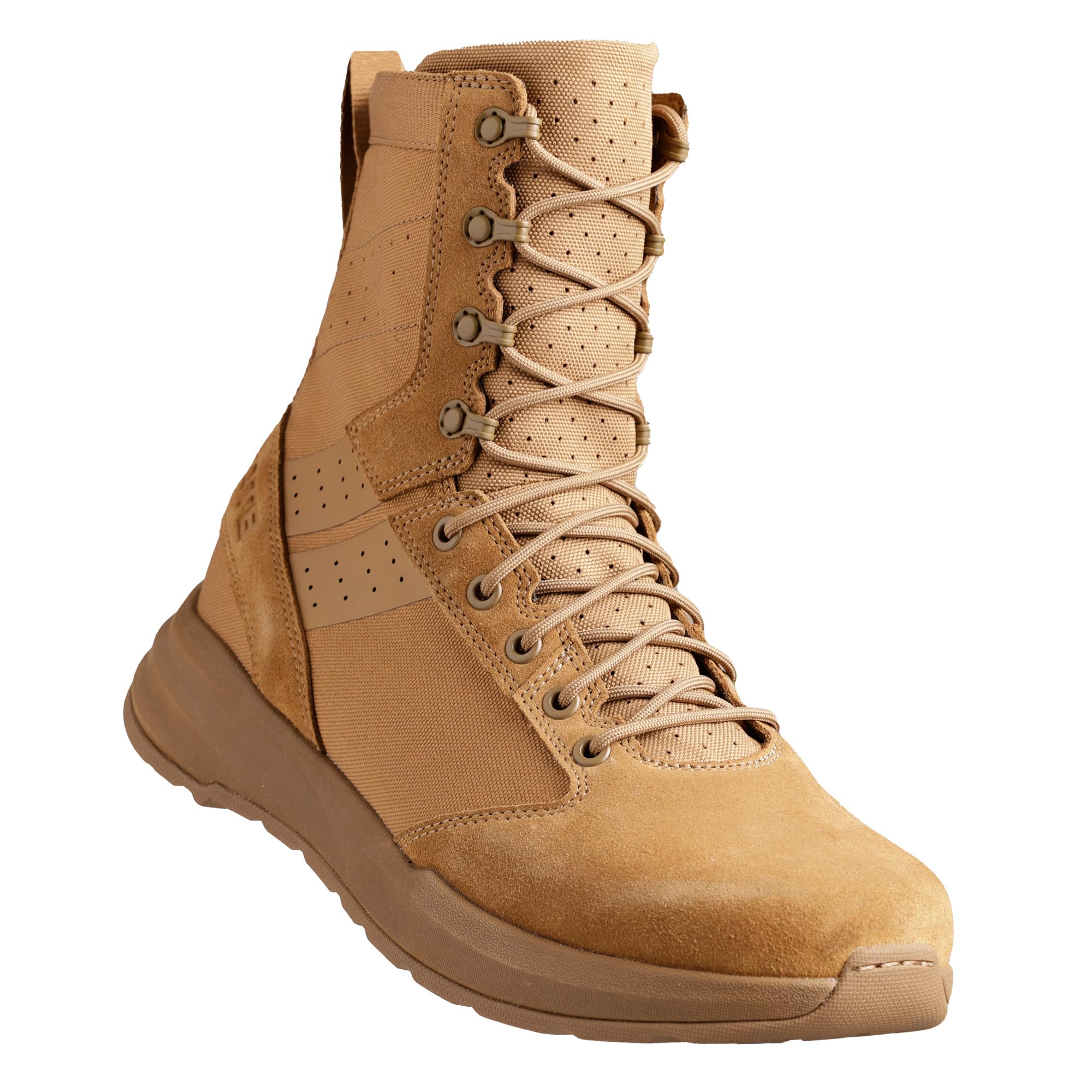
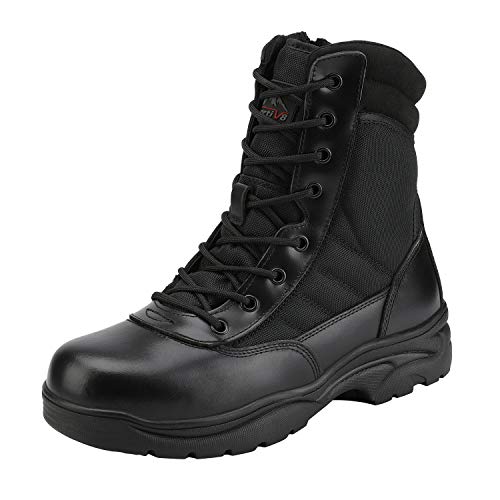


Who Should Buy Which Deployment Boots?
Deployment is not one job, so one boot cannot suit every posting. Match the groups below to the work you expect most weeks.
Personnel on Their Feet for Long Duty Days
You stand on concrete, gravel and vehicle decks for hours while carrying a pack or tools. Prioritize cushioning under the heel and forefoot, a stable base that resists rolling, and room for feet to swell late in the day. Comfort under load is your main test.
Personnel Crossing Wet and Uneven Terrain
You move between mud, wet grass, loose rock and slick floors, sometimes in the same shift. Look for a deep lug outsole, a supportive ankle shaft and an upper that sheds water without trapping heat. If standing water is common, a waterproof membrane matters more. If you wade and drain often, a vented build may serve you better.
Personnel Bound by Strict Uniform Rules
Your branch or unit may set the boot color, shaft height, toe style and material, and a pair outside those rules cannot be worn no matter how comfortable it feels. Check the current written standard before you shop, then confirm the color in daylight. Plain toe styles are required in many settings, while safety toe styles belong only where your role calls for them.
Key Features to Compare
Use this order each time you compare best boots for deployment, because a low price can hide a poor fit or the wrong climate build for your posting. Deployment leaves limited chances to replace gear, so small flaws grow fast, and proven materials with solid stitching matter more than fashion details.
Fit, Sizing and Toe Box for Deployment Boots
Measure both feet late in the day, when they are largest, and wear the socks you plan to use on duty. Your longest toe needs clear space in front, about the width of a thumb, while the heel should stay seated as you climb stairs. Feet often differ in size, so fit the larger foot first. A wider toe box reduces pressure if your toes splay under load.
Break In Period and Comfort Out of the Box
Wear a new pair around home and on short walks before you rely on it for a full shift. Stiff leather and firm midsoles soften over about one to two weeks of gradual use, and rushing that process invites blisters. A boot should feel secure and free of sharp pressure from the first try on, because break in rarely fixes a wrong size.
Waterproofing, Gore Tex Membranes and Breathability
A waterproof membrane such as Gore Tex blocks rain and puddle splash while letting some vapor escape, yet it still breathes less than an open mesh upper. Choose waterproof boots for cold rain, wet grass and snow, where dry feet stay warm through a long shift. Choose a breathable vented upper for hot and dry postings, where heat buildup is the larger risk.
Cushioning, Arch Support and Stability
Look underfoot first. A moderate heel to toe drop, often about 8 to 12 mm, suits most walkers who carry load, while a very flat sole can strain calves used to a raised heel. Firm arch support helps feet that tire under a pack, and a stable midsole limits side to side roll on uneven ground. Soft cushioning alone can feel unstable, so balance padding with a steady base.
Weight, Flexibility and Outsole Grip
A lighter boot reduces fatigue over long distances, but the lightest builds often give up ankle support, thick leather and deep tread. Most general duty pairs sit in a middle range that balances protection with pace. The outsole should flex at the toes, not fold in the middle, and its lugs should match your ground, shallow for paved areas and deeper for mud and loose gravel.
Types of Deployment Boots Compared
Temperate weather boots are the general choice for mixed conditions, with a leather and fabric upper, moderate cushioning and no insulation. Hot weather boots trade water resistance for vents and mesh panels that release heat. Wet weather boots add a sealed membrane, while insulated boots add warmth for cold postings and can feel far too hot once temperatures rise.
Choose by the worst weather you face often, not by a rare extreme you can handle with different socks. A single temperate pair covers many postings, while a second vented or insulated pair makes sense when your climate stays harsh for months. Side zips can speed entry, but a plain lace closure gives finer fit control.
Quick Buyer Checklist for Deployment Boots
Work through these questions in order, and treat any no answer as a reason to pause.
- Does the boot match the written uniform rules for color, height and toe style?
- Did you try the boot on late in the day with your duty socks?
- Is there clear space in front of your longest toe while standing under load?
- Does the climate build match your posting, waterproof for wet ground or vented for heat?
- Does the outsole grip match the ground you cross most often?
- Can you complete a gradual break in before your first full duty week?
- Does the price, about $100 to $250 for most pairs, leave room to save toward a second pair?
Common Mistakes to Avoid
These errors are common before a first posting, and each one is easy to prevent.
- Buying boots the week before departure leaves no break in time, so stiffness turns into blisters during the first long shift.
- Choosing a size from your dress shoes ignores duty socks and swelling, so toes press and nails bruise on downhill marches.
- Picking a waterproof build for a hot and dry posting traps heat, so feet overheat and skin rubs raw.
- Ignoring uniform rules because a style looks similar can leave you with a pair you are not allowed to wear.
- Judging grip only on dry store floors hides how a sole acts on wet concrete, so a slick outsole reaches the field unseen.
Care and Maintenance for Deployment Boots
Air dry wet boots at room temperature away from direct heat, because strong heat cracks leather and weakens glue. Stuff the inside with plain paper to draw moisture out, and loosen the laces so air reaches the lining. Rotate two pairs when you can, since a day of rest lets cushioning recover and the inside dry fully.
Brush off dried mud, wash the upper with mild soap and water, and treat leather as the maker directs once it looks dry or pale. Check laces, eyelets and outsole lugs each week. Retire a pair when the tread turns smooth at the heel, the midsole feels flat under load, or the upper splits at a flex point.
FAQ
How often should deployment boots be replaced?
Deployment boots often need replacement after about 6 to 12 months of daily duty, sooner under heavy load and rough ground. Keep a simple log of your start date and hardest use days, because a calendar record is easier to trust than memory. Buy the next pair while the current pair still works, so the two can overlap during break in.
Can deployment boots be worn all day?
Yes, deployment boots can be worn all day once the fit is right and the pair is broken in. A mid shift sock change is the simplest comfort upgrade on very long days, because dry socks cut friction and let damp skin recover. Loosen the laces during seated breaks as well, since feet swell through the day.
How long is the break in period for deployment boots?
The break in period for deployment boots is usually about one to two weeks of gradually longer wear. Build up in stages, starting with an hour indoors, then short walks, then a half shift, and add your pack only for the final long walk. That plan shows which day length starts to rub, so you can adjust socks or lacing early.
Do deployment boots need to be waterproof?
Deployment boots need to be waterproof only when wet ground, rain or snow is a regular part of your posting. One point many buyers miss is drying time once water gets inside from above the cuff, because a sealed boot dries slowly in shared quarters. If deep puddles are rare, a water resistant upper and spare socks may serve you better.
Are expensive deployment boots worth the cost?
Expensive deployment boots are worth the cost only when the higher price buys a fit, width or climate build you cannot find for less. A price of about $180 to $250 does not by itself prove better comfort on your feet. Spend first on correct sizing and a second pair for rotation, and pay a premium only after those needs are covered.
Final Thoughts
Start with uniform rules, then fit your larger foot late in the day, then match the climate build to your posting. Those three checks remove most poor choices before price enters the decision. Use the product table above to compare the pairs that pass all three.
When you choose best boots for deployment with those points settled, you head out in a pair that supports long days instead of fighting them. Buy early enough to break the pair in.


