
Best Boots for Dairy Farmers: 2026 Buyer Checklist
Disclosure: We may earn a commission when you buy through links on this page, at no extra cost to you. As an Amazon Associate I earn from qualifying purchases. Learn more

Compare boots for dairy farmers by waterproofing, grip, support and cleaning ease, with a buyer checklist for long shifts on wet concrete and mud.
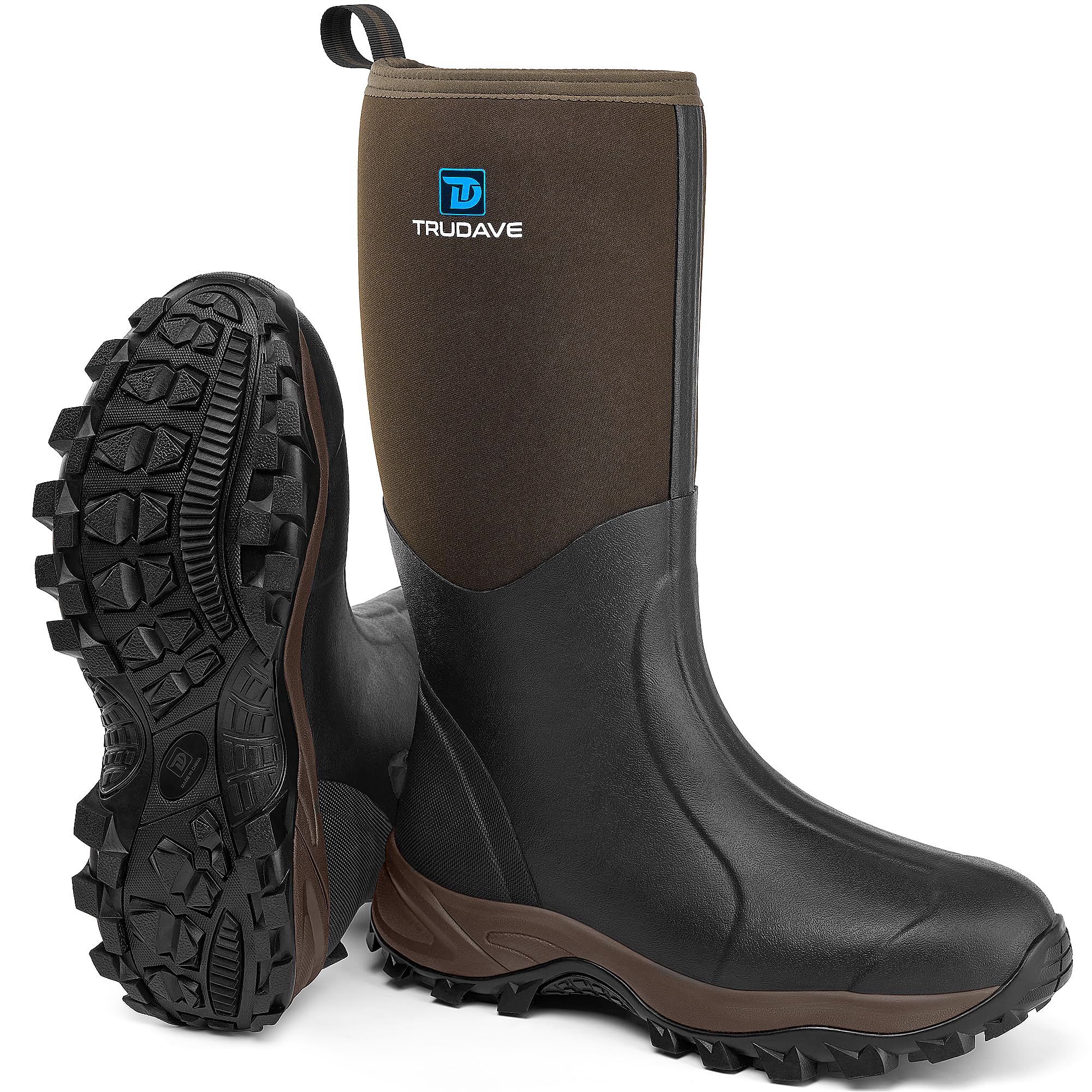
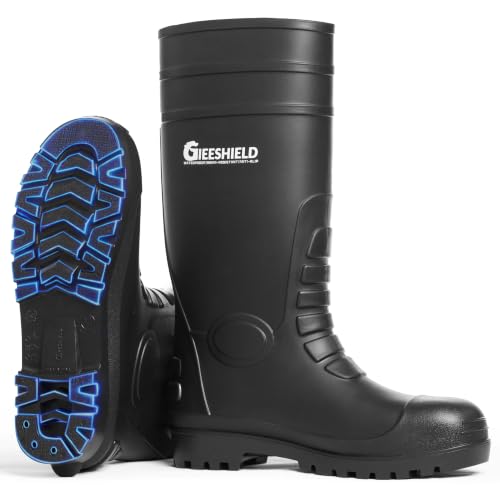
Dairy work soaks boots before breakfast. You step through wash water, manure and mud in the same hour. The best boots for dairy farmers keep water out, grip slick floors and still feel steady at the last milking. Use the comparison table below to check each pair against your routine.
This guide uses a checklist built for dairy barns. It covers who needs which style, the features that decide comfort on concrete, the main types for sale and the care that keeps boots sound. Start with your longest and wettest task.
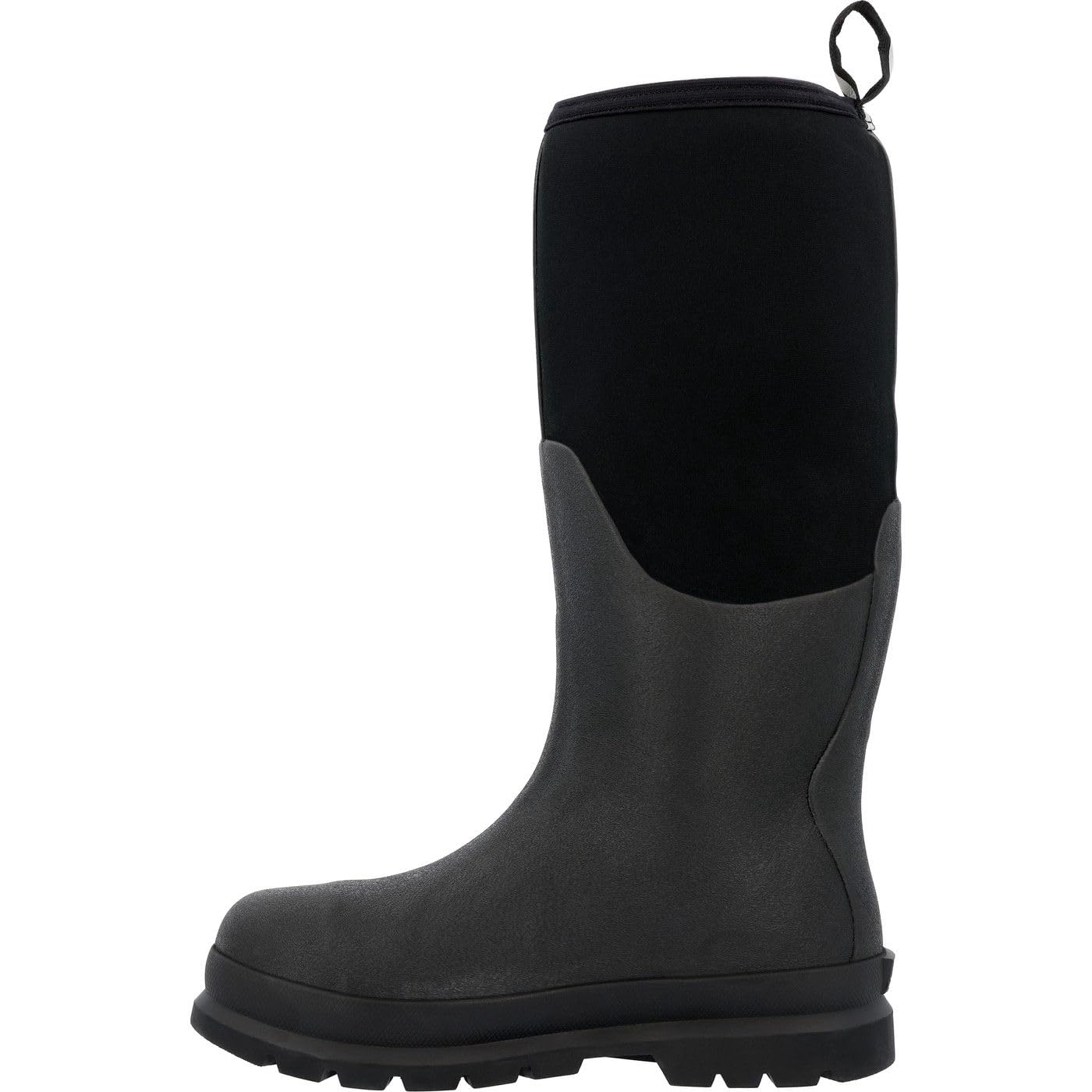
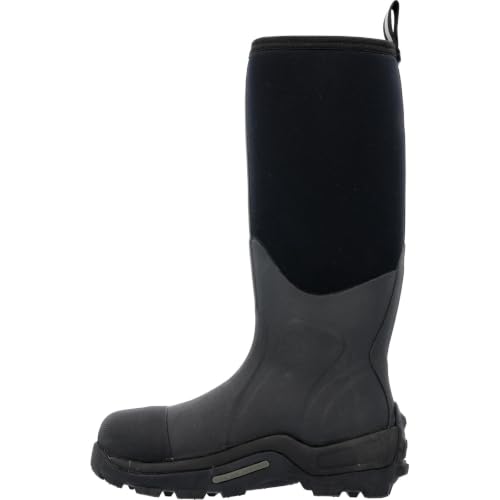
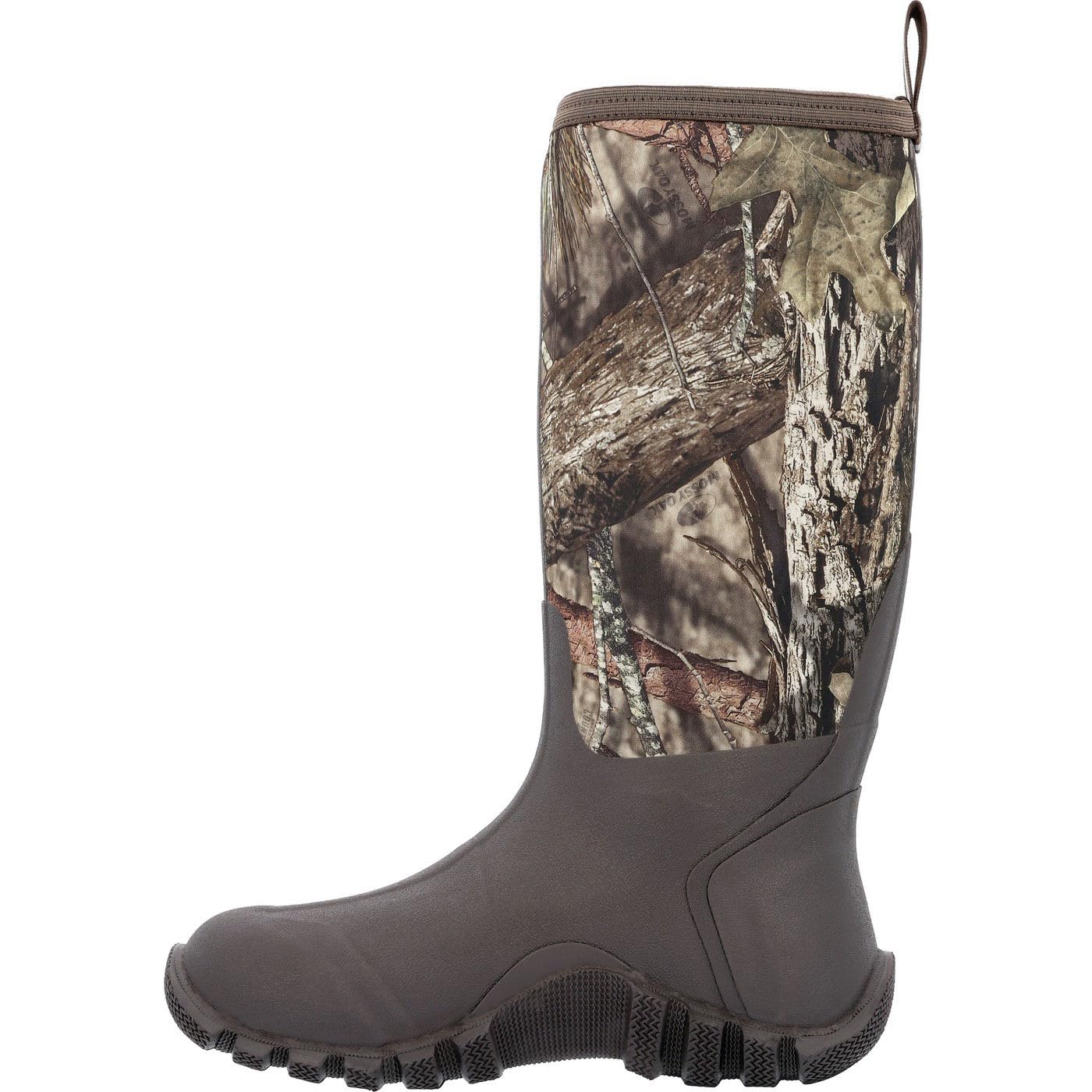



Who Should Buy Which Boots for Dairy Farmers?
Your parlor layout and yard surface change what you need more than brand names do. Match the groups below to the work you repeat daily. A boot for short chores can fail during two long milkings.
Milking Parlor and Washdown Crews
You stand and turn on wet concrete for hours while hoses run. Choose a tall pull on boot with a sealed shaft, a grippy outsole and cushioning that softens hard floors. A smooth upper rinses clean in seconds, which matters because dried milk and manure add weight and odor. A defined heel helps on steps.
Herd Hands Who Walk Yards, Lanes and Pastures
You cover distance over gravel, packed earth and soft ground between barn, pens and fields. Choose a lighter boot with a flexible sole and tread that sheds mud instead of packing solid. A mid calf or knee high shaft keeps splashes out in wet lanes. A close ankle fit stops the boot pulling loose in deep mud.
Dairy Farmers Who Work Around Loaders and Equipment
You feed, scrape and repair near heavy gear and gates where a dropped tool can strike your foot. Choose a safety toe in steel or composite, a firm shank and a thick sole that resists puncture. Composite toes feel lighter and warmer in a cold barn, while steel toes often give a slimmer profile. Add a snug heel so your foot stays put.
Key Features to Compare
When you compare best boots for dairy farmers in a set order, starting with water and grip, a low price cannot hide a sole that slips or a seam that leaks.
Waterproofing That Handles Manure, Milk and Wash Water
Dairy boots face more than rain, because manure, milk and wash chemicals sit on the surface for hours and work into weak seams. Full rubber shafts block liquid completely, while leather relies on a waterproof membrane such as Gore Tex and sealed seams. Check the join between sole and upper first, because that line flexes with every step and opens first.
Outsole Grip on Wet Concrete and Mud
The outsole decides whether a short step across the parlor ends in a fall. Look for wide lugs with open channels that push water and slurry aside, plus softer rubber that holds on smooth wet concrete. Deep tight lugs grip mud but can pack with manure and turn slick indoors, so a mixed pattern suits farms where you move between yard and parlor.
Sizing for Swollen Feet and Thick Work Socks
Measure both feet late in the day, when they are largest after hours of standing, and size to the larger foot. You need room to wiggle your toes inside thick work socks, with about a thumb width ahead of your longest toe. A wide toe box stops rubbing, while a snug heel keeps the boot from lifting as you walk.
Support and Cushioning for Long Shifts on Concrete
Concrete returns every step to your feet, knees and back, so support matters as much as waterproofing. Firm arch support suits flat feet that roll inward, while a contoured footbed suits high arches. Cushioning should feel firm rather than spongy, because very soft foam bottoms out during a long milking. A modest heel to toe drop keeps weight balanced on hard floors.
Weight, Flexibility and Shaft Height
Heavy boots protect well but tire your legs across a full day of pen checks. Lighter boots reduce fatigue, yet very light soles may flex too much on gravel and let stones press through. Flex a boot by hand: it should bend at the ball of the foot and stay stiff through the middle. Knee high shafts block deep splashes, while mid calf shafts feel cooler indoors.
Insulation, Breathability and Ease of Cleaning
Barns swing from cold dawn air to warm humid parlor air in one shift. Light insulation suits year round use, while heavy insulation earns its bulk only for long outdoor work in freezing weather. Breathable linings reduce sweat build up in summer, which lowers odor and blister risk. Smooth shafts and open tread clean fastest, so they win for daily washdown use.
Boot Types Compared for Dairy Work
Most dairy boots fall into three types. Tall rubber pull on boots give the best washdown protection and fastest cleaning, and they suit parlor heavy days best. If that is your main need, see our guide to the best dairy farm boots for a closer look. Leather lace up boots fit more closely on uneven ground, but they dry more slowly.
Insulated winter boots form the third type, with thick linings for frozen yards. Many farmers keep them as a second pair for winter only. Wellington style boots sit inside the rubber group, and you can see our guide to the best wellington boots for farmers to compare shaft heights.
Quick Buyer Checklist for Dairy Boots
Run through these questions before you pay, and treat any no answer as a reason to try another pair. Bring your usual work socks to the fitting.
- Does water stay out when you stand in shallow water for a full minute?
- Does the outsole hold firm when you twist gently on a wet smooth floor?
- Can you wiggle your toes freely in your thickest work socks?
- Does the heel stay in place as you walk?
- Does the shaft cover the deepest splash or mud you meet each day?
- Can you rinse the shaft and sole clean with a hose in under a minute?
- Does the price, at around $80 to $180 for most dairy work boots, fit your budget?
Keep the receipt until you have worked one full day in a new pair, because a boot that feels fine in a shop can still rub on concrete.
Common Mistakes to Avoid
These errors cost money and comfort on dairy farms every season.
- Buying short boots for parlor work lets wash water pour over the top and soak your socks within minutes.
- Choosing deep field tread for smooth floors packs the lugs with manure and leaves you sliding on wet concrete.
- Sizing boots in the morning with thin socks gives a fit that turns tight by the evening milking.
- Trusting vague sizing charts and missing safety ratings leaves you guessing on fit and toe protection.
- Drying boots beside a heater cracks rubber and leather and shortens the life of the waterproof layer.
- Keeping only one pair for daily wet work means you start most mornings with a damp lining.
Care and Maintenance Tips for Dairy Boots
Rinse boots with clean water after each shift to remove manure and milk before either dries into seams and tread. Brush the outsole, shake out loose bedding and check for cuts or a lifting sole edge. Retire a boot once a cut lets water reach your sock.
Dry boots upright in moving air away from direct heat. Rotate two pairs if you milk every day, because a full day of rest lets foam and lining dry fully. Store clean boots out of sunlight. A boot that starts dry keeps feet warmer.
Boots for Dairy Farmers: Your Questions Answered
What features matter most in boots for dairy farmers?
Waterproofing, grip on wet concrete and support for long standing matter most in boots for dairy farmers. Start with those three, then check shaft height against your deepest splash. One point many buyers miss is hardware: metal eyelets can corrode in manure and wash chemicals, so smooth pull on shafts last longer in a dairy barn.
How should boots for dairy farmers fit?
Boots for dairy farmers should fit snug at the heel and ankle with clear space ahead of the toes. Your heel should lift only slightly as you walk, and your toes should never press the front when you kneel. Try boots while standing with weight on both feet, because a seated fitting hides pressure that appears once you carry a bucket.
Do dairy farmers need waterproof boots for barn work?
Yes, dairy farmers need fully waterproof boots for barn work, because wash water and slurry reach the foot on every shift. Water resistant leather alone will wet through during a single washdown. Look at the top edge as well: a wide flared shaft lets hose drips run inside, while a closer calf fit sheds that water outside.
Are expensive boots for dairy farmers worth the extra cost?
Expensive boots for dairy farmers are worth it when the price buys a better sole compound, stronger seams and a replaceable footbed. Those parts decide grip and comfort long after the shaft still looks new. Judge value by cost per season, and check warranty length before you pay. A cheap boot replaced often can cost more over two years.
How long is the break in period for new dairy boots?
The break in period for new dairy boots is short for rubber pull on styles and longer for stiff leather styles. Rubber should feel right within one or two shifts, while leather may need about a week of shorter wear. Wear new boots for indoor chores first. If pain sharpens, blisters repeat in one spot or numbness lasts after removal, stop and refit, and talk with a clinician about personal foot needs if those signs continue.
Final Thoughts
Put water, grip and fit first and let price come after those three pass your checklist. Match shaft height and toe protection to the tasks you repeat most. Use the product table above to compare height, sole style and price.
When you judge best boots for dairy farmers by barn conditions rather than looks, the right pair is usually the one that stays dry, holds the floor and still feels steady at the final check.


