
Best Boots for Corrections: A Practical Buying Checklist for 2026
Disclosure: We may earn a commission when you buy through links on this page, at no extra cost to you. As an Amazon Associate I earn from qualifying purchases. Learn more

Choose the best boots for corrections with a checklist covering fit, cushioning, slip resistant grip, polishable leather and durability on concrete.
Choosing the best boots for corrections is less about brand names and more about getting through long shifts on hard floors without sore feet. Officers and jail staff walk concrete tiers, climb stairs, stand for counts, and move fast when an alarm sounds. Your boots have to handle all of that while still looking sharp at uniform inspection.
This guide turns those daily demands into a simple checklist you can use before you spend any money. You will learn how to judge fit, cushioning, grip, materials, and durability, plus the warning signs that mark a weak pair. The comparison table below gathers current options in one place, so you can check each model against the criteria.


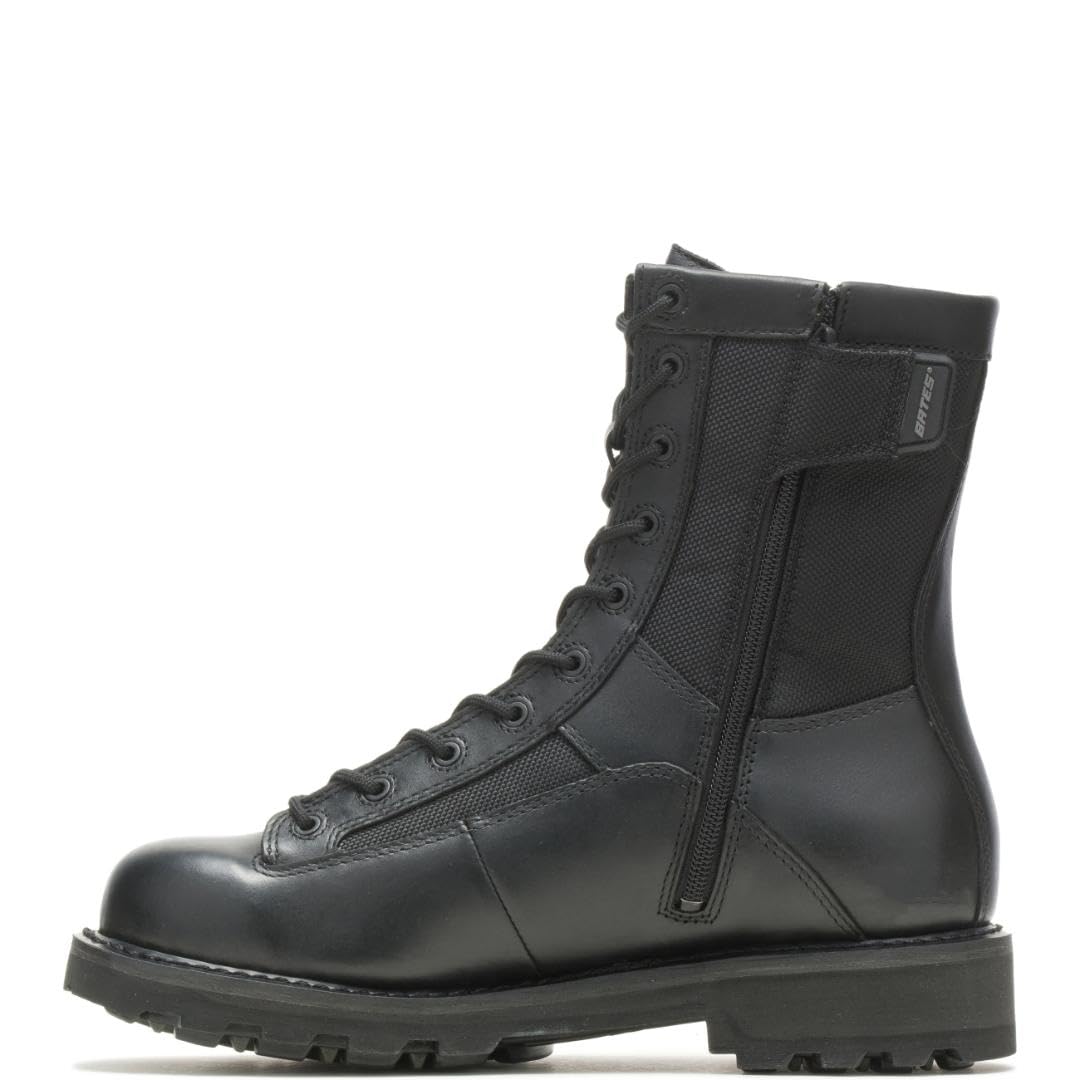

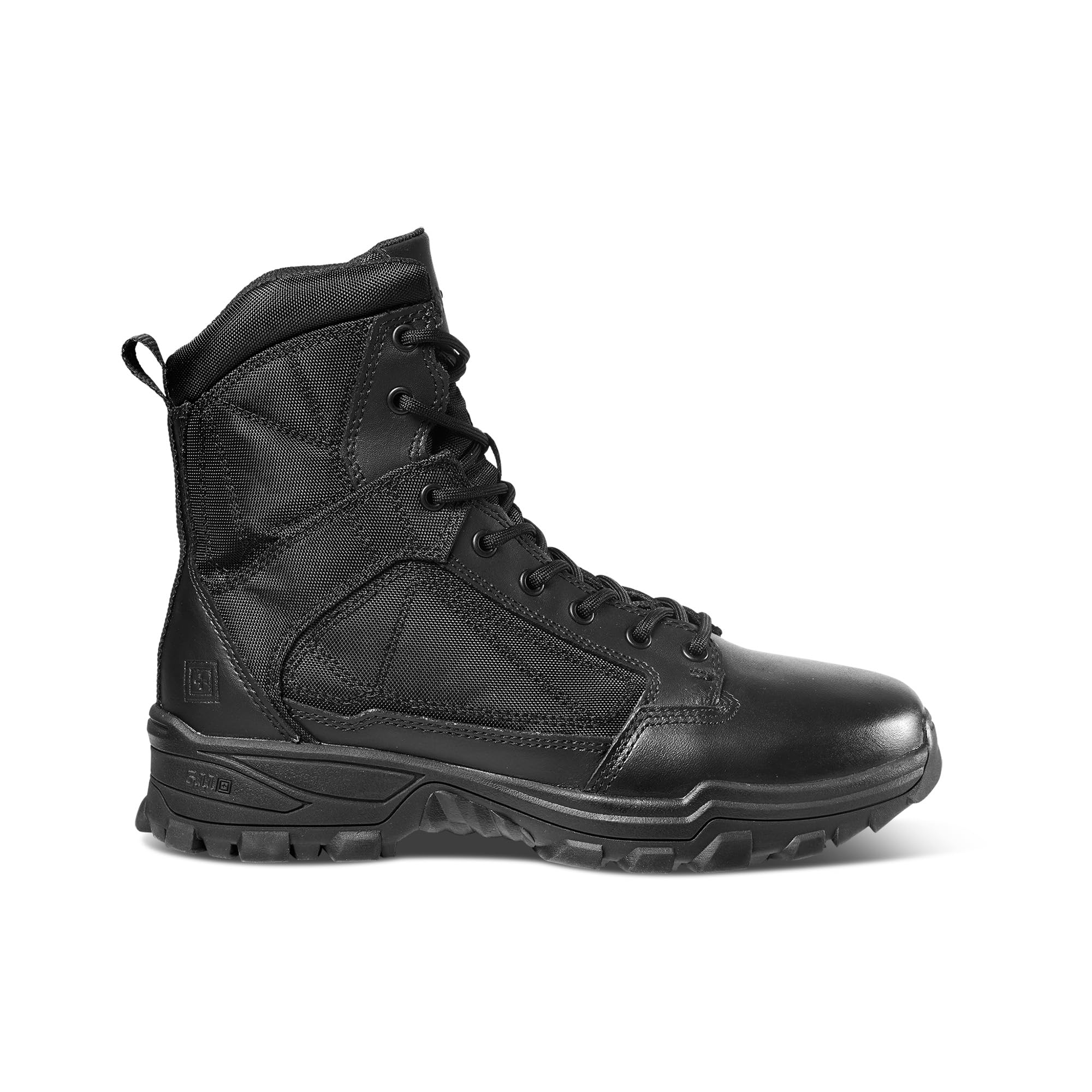
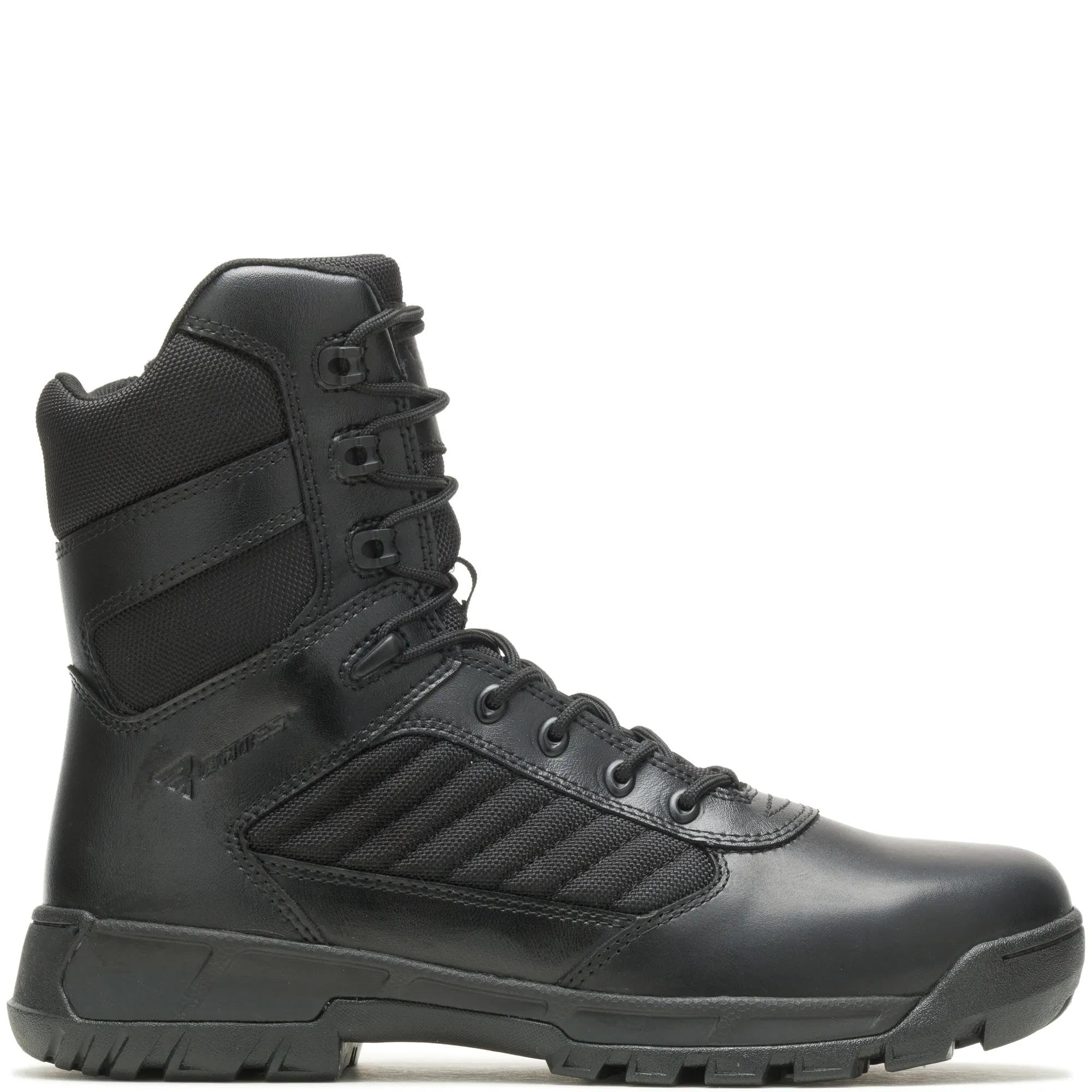
Key Features to Compare Before You Buy
Corrections work creates a mix of demands that hiking boots and fashion boots rarely meet. You need steady grip on polished concrete, support for hours of standing, and leather that takes a clean shine. The criteria below explain what to check, what good looks like, and where cheaper pairs usually cut corners.
One wording note before the details: in this guide, corrections means work inside jails, prisons, and detention centers.
Features That Matter for Corrections
Start with the rules of your facility, because most require black boots with a toe and heel that polish to a shine. Next, look for an outsole with a stated slip resistant rating, since tier floors, kitchens, and shower areas stay wet and slick. A secure lace system and a shaft about 6 to 8 inches tall support your ankle on stairs and during fast responses. If your post requires toe protection, a composite toe is worth a close look, because it guards your feet without setting off the metal detectors you pass through daily.
Fit, Sizing, and Toe Box
Measure and try on boots late in the day, ideally after a shift, because feet swell during long hours of standing. Wear your duty socks, and leave about half an inch of space in front of your longest toe while your heel stays put. If a bunion or a wide forefoot makes standard widths pinch, choose a boot built on a wide last rather than sizing up, because extra length alone lets your foot slide and rub.
Break In Period and Comfort Out of the Box
Traditional leather duty boots need a gradual break in, so wear a new pair at home and then on short shifts before trusting it with a full tour. Modern boots with foam midsoles and softer linings often feel fine right away. Any hot spot you feel in the first hour is an early warning of a blister by hour ten, so treat that spot as a fit problem, not a toughness test. Never debut a new pair on a double shift.
Durability and Expected Lifespan
Look at how the sole attaches to the upper, because stitching or a solid cement bond with clean edges outlasts thin glue lines that peel at the toe. Full grain leather resists scuffs from carts, doors, and restraints better than thin coated leather. A pair worn full time often gives about a year of solid service before the midsole feels flat and the heel counter starts to fold.
Cushioning and Support
Concrete returns almost no energy, so the midsole does the work your knees and lower back would otherwise absorb. Good cushioning feels firm rather than soft and spongy, and it should pair with real arch support so your foot does not roll inward as you tire. Unlike neutral shoes that let the foot move freely, duty boots add gentle stability that matters most late in a shift. Heel to toe drop, the height difference between heel and forefoot, also shapes comfort: a moderate drop of about 8 to 12 mm suits most officers, while a much lower drop loads the calves and Achilles more.
Upper Materials and Breathability
Full grain leather is the classic choice because it polishes well, shrugs off scuffs, and molds to your foot over time. Many duty boots pair leather at the toe and heel with nylon panels along the sides, which cuts weight, improves breathability, and keeps the parts that must shine easy to polish. A waterproof membrane such as Gore Tex helps on outdoor posts but holds heat during indoor tours. Plain mesh uppers breathe well, yet most facilities reject them because they cannot take a shine and offer little protection.
How to Choose the Right Pair for Your Post
The product table above is a starting point, not a verdict, because the right boot depends on where you spend your shift. Use the guidance below to match the checklist to your post and budget. Officers who want duty specific models compared in more depth can also see our guide to the best work boots for corrections officers once this checklist is clear.
Officers Who Stand and Walk Indoors All Shift
If your day is tiers, dayrooms, and control rooms, put cushioning and light weight at the top of your list. A lighter boot with a breathable side panel, where rules allow it, reduces leg fatigue across long rounds. Favor a flatter outsole with many small contact points over deep lugs, which can skate on wet tile. A padded collar and a replaceable cushioned insole both pay off on hard floors.
Officers With Outdoor and Transport Duties
Perimeter checks, yard posts, and transport runs add wet pavement, gravel, and grass to your day. For that mix, choose a waterproof or water resistant upper and a deeper tread that can bite on loose ground without packing full of mud. Ankle support matters more outside, where curbs and uneven pavement punish a tired step. If you climb in and out of a transport van all shift, check that the sole flexes enough to work pedals and steps without catching.
Watching Your Budget Without Buying Twice
Many solid duty boots cost about $150, and the cheapest pair is rarely the bargain it looks like once it needs replacing mid year. Spend first on fit, outsole grip, and leather that will polish, and skip decorative stitching or extra padding you cannot feel. Think in cost per month rather than price on the tag, because one pair that lasts a year beats two pairs that fade in five months each. A fair return policy matters too, since a short indoor trial at home can save you a painful first week.
Quick Buyer Checklist
Run through these questions before you order, and treat any no answer as a reason to keep looking.
- Does the toe and heel polish to a shine that passes your facility inspection?
- Does the outsole carry a clear slip resistant rating for wet floors?
- Can you fit about half an inch of space in front of your longest toe while wearing duty socks?
- Does the boot come in a wide size if your forefoot feels squeezed?
- Does the lacing lock your heel down without pressure on top of your foot?
- Does the shaft height give your ankle support without digging into your calf?
- Does required toe protection match facility policy and pass your metal detectors?
- Does the seller offer returns if the size feels wrong after an indoor trial?
Red Flags to Watch For
A listing can call itself the best boots for corrections and still hide weak construction behind bright photos and vague claims. Watch for these signs before you trust a pair with your shifts.
- The outsole claims great grip but lists no rating and shows a smooth, shallow tread, so wet tier floors become a fall risk.
- The leather is described only as genuine or premium with no mention of full grain, so the finish may crack and stop taking polish within months.
- The sole is glued with visible gaps or messy edges, so it can peel away at the toe during a busy shift.
- The sizing chart lists no wide option and no measurements in inches, so ordering becomes a guess.
- The warranty lasts only a few weeks or the seller hides return terms, so you carry the risk if the boot fails early.
How to Make Your Boots Last Longer
Brush off dust and grit after each shift, because grit left in the creases works like sandpaper on leather and stitching. Wipe the boots with a damp cloth, air dry them away from heaters and direct sun, and polish often enough to keep the leather fed and inspection ready. Pulling the insoles out to dry overnight helps control odor and slows foam breakdown.
Rotate two pairs if your budget allows, since a rest day between wears lets cushioning recover and the lining dry fully. Replace worn laces before they snap mid shift, and swap in fresh insoles when the originals pack down to restore comfort. Store boots upright in a ventilated spot rather than crushed in a gym bag, and see a doctor or foot specialist if you notice lasting pain, numbness, or sores that heal slowly, since no boot can fix a medical problem.
Frequently Asked Questions
What features matter most in boots for corrections?
Polishable leather, a slip resistant outsole, and all shift cushioning matter most in boots for corrections. Those three cover inspection, safety on wet floors, and comfort on concrete. One extra step helps before you buy: ask officers on your own unit which soles have passed inspection without comment, because local practice sometimes differs from the written policy in small ways.
Are expensive boots for corrections officers worth the higher price?
Expensive boots for corrections officers are worth the price when the extra money buys full grain leather, a replaceable insole, and a sole that is stitched or strongly bonded. Past a certain point, though, higher prices often pay for styling rather than service life. Timing your purchase to an employer boot allowance can make a better pair cost you no more out of pocket than a basic one.
Do boots for corrections officers need to be waterproof?
Boots for corrections officers need to be waterproof only if your post includes outdoor counts, yard duty, or transport work in wet weather. A waterproof lining also helps with spills and shower areas, since wet socks quickly turn into blisters. Officers who stay indoors all shift often prefer a breathable leather and nylon build instead, because it dumps heat and dries faster between shifts.
How often should you replace boots worn for corrections work?
You should replace boots worn for corrections work when the tread turns smooth, the midsole feels flat, or the heel counter collapses, even if the leather still looks fine. Many officers find that point arrives after about a year of full time wear. A practical habit is to keep your older pair as a backup once the new pair arrives, so a soaked boot never leaves you scrambling before a shift.
Can boots for corrections work stay comfortable through a double shift?
Yes, boots for corrections work can stay comfortable through a double shift when the fit is right and the cushioning has not packed down. The detail most officers overlook is a sock change at the halfway point, because dry socks restore grip inside the boot and cut the friction that causes hot spots. If pain builds in the same spot every shift, treat it as a fit or foot issue to solve, not as something to push through.
Final Thoughts
Start with fit, then check grip, then judge the leather, and most weak options fall away. Match the boot to your post, respect your facility rules, and use the product table above to compare pairs that pass your checklist. Chosen that way, the best boots for corrections for you is simply the pair you stop thinking about by the second hour of your shift, because your feet feel fine and your mind is on the work.


