
Best Boots for Construction Managers for 2026: Everything to Know Before Your First Purchase
Disclosure: We may earn a commission when you buy through links on this page, at no extra cost to you. As an Amazon Associate I earn from qualifying purchases. Learn more

Shopping for boots for construction managers for the first time? Learn the terms, compare types, and avoid rookie mistakes with this easy guide.
Buying work boots for the first time as a manager feels different from buying them as a crew member. You still walk unfinished floors, gravel, and mud, but you also sit in trailers and meet owners. The best boots for construction managers balance real site protection with comfort and a clean look for client meetings.
This guide starts with plain language basics, then covers fit, protection, traction, and care. You can compare the main types in the comparison table below before you spend anything.

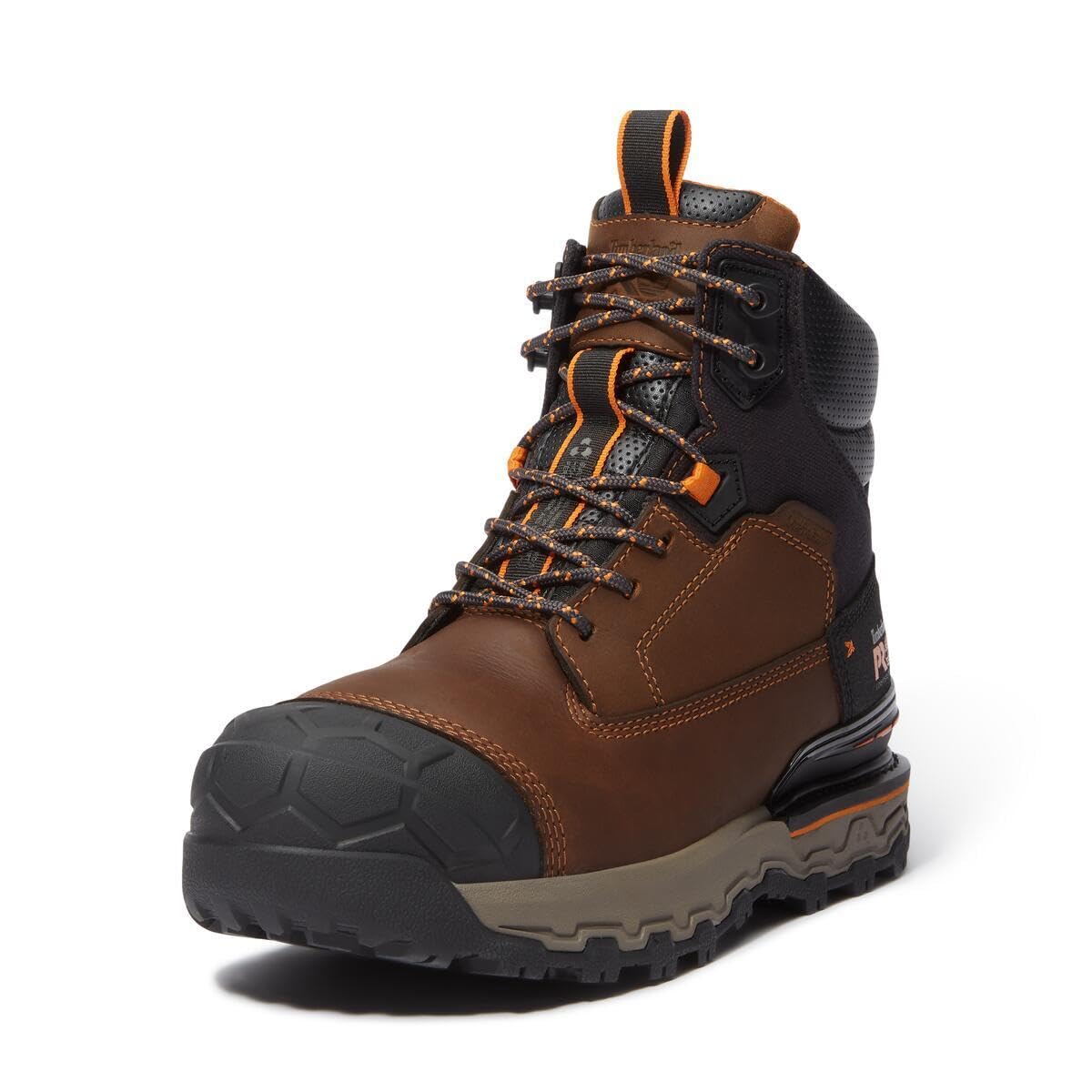
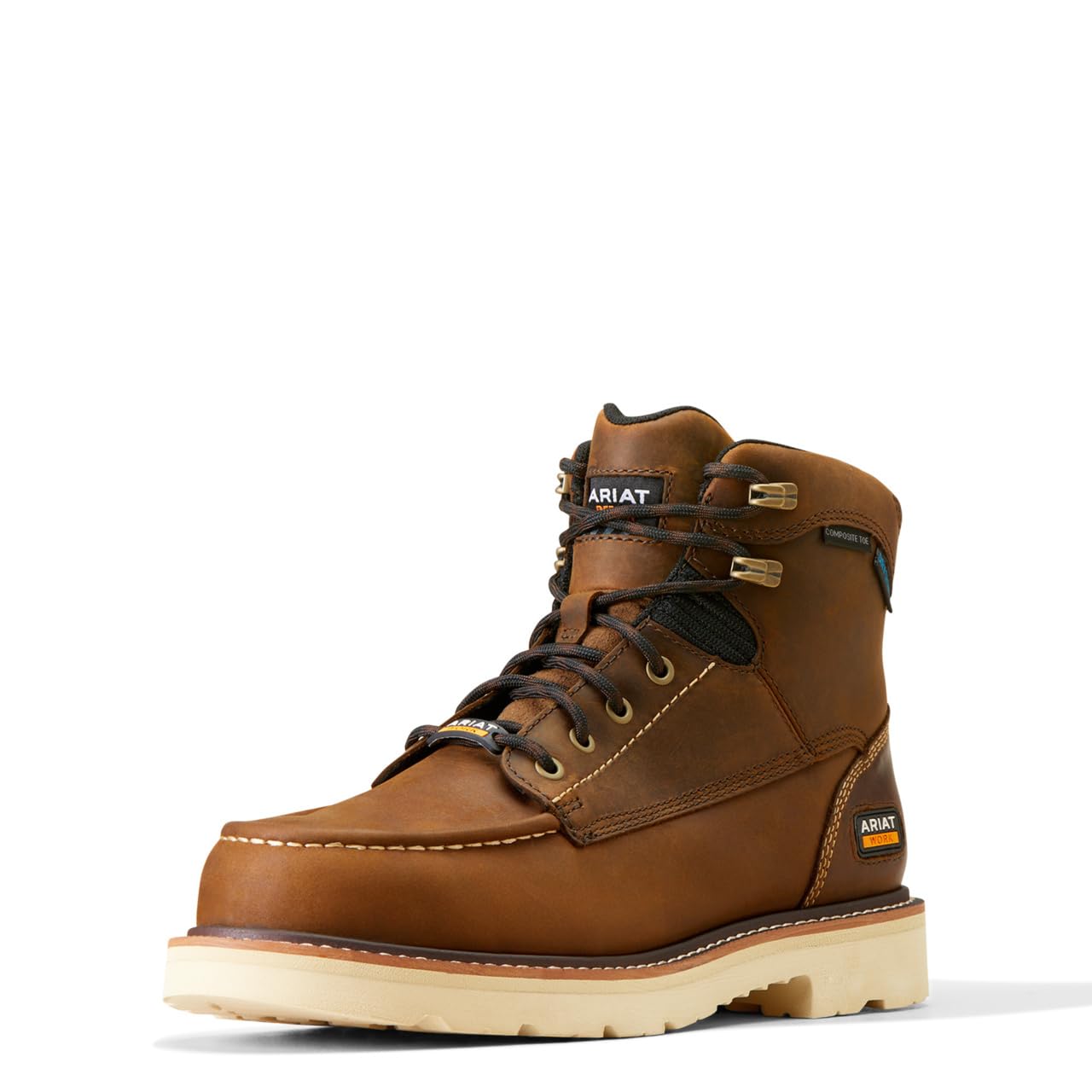

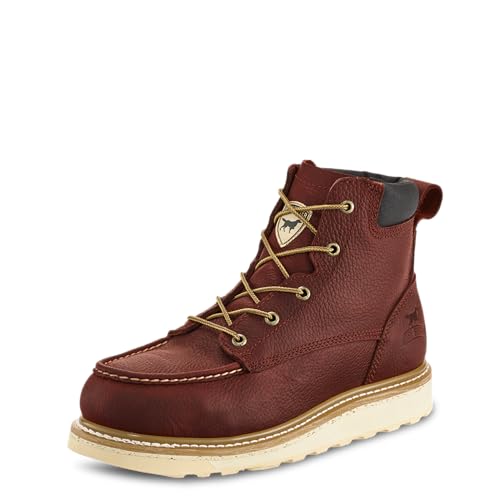

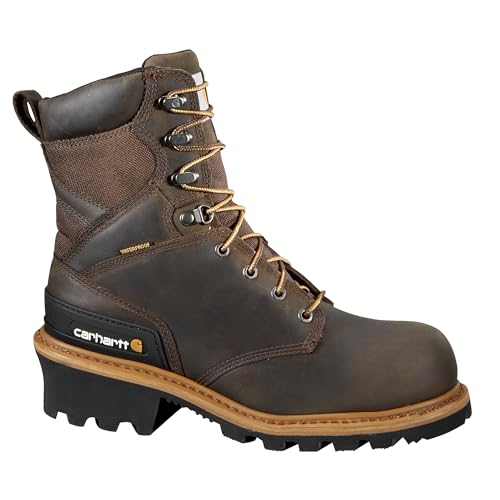


Who Should Buy Boots Built for Construction Managers
Managers rarely stay in one place. A good pair has to handle rough ground and hard concrete, plus trips up ladders, without looking out of place indoors.
Managers Who Walk Active Sites Every Day
If your day is mostly field time, put protection and traction first. You cross loose soil, puddles, ramps, and fresh concrete while carrying plans and watching work around you. Choose a safety toe that meets your site rules, a sole with clear grip on wet surfaces, and cushioning for repeated steps on hard slabs.
Managers Who Split Time Between the Office and the Field
If you move between a trailer, a finished office, and the site several times a day, look for a lighter boot with a neat leather upper and a sole that does not track mud indoors.
Managers Who Must Meet Strict Site Safety Rules
Some projects require a rated safety toe, electrical hazard protection, or a puncture resistant plate before you can enter certain areas. Start with the written rules for your site and buy only boots with the matching ratings on the label. The rating always comes first, since a boot without the required marking may be turned away at the gate.
Boots 101: The Basics for First Time Buyers
A work boot is a sturdy shoe built around a protective toe, a thick sole, and an upper that shields your foot from water, scrapes, and falling objects. The toe cap may be steel, composite, or alloy. The midsole provides cushioning and stability, the outsole grips the ground, and the shank helps the boot hold its shape on ladders.
Reading Boot Specs Against a Manager's Day On Site
Read each spec below through your own routine, rather than chasing the longest feature list.
Safety Protection That Fits Manager Duties
Start with the toe and sole ratings your site requires, often shown as impact and compression protection for the toe and extra protection underfoot. Steel is strong and common, composite is lighter and conducts less cold, and alloy sits between the two on weight. For broader crew level options, see our guide to the best construction boots.
Fit, Sizing, and Toe Box Room for Long Site Days
Try boots late in the day, when your feet are at their largest after walking and standing. Your heel should stay settled, your toes should not press the front or the toe cap, and you should be able to wiggle your toes inside a roomy toe box. If you have wide feet, choose width first, since extra length cannot fix a squeezed forefoot.
Weight and Flexibility for Stairs, Ladders, and Driving
Heavier boots feel solid on rough ground, but extra weight adds up over thousands of steps and stair climbs. A flexible forefoot makes driving, kneeling to check work, and climbing stairs feel more natural, while a very stiff sole feels awkward on smooth floors. Most managers do best with a moderate weight boot that bends at the toes but stays firm under the arch, for stability without wasted effort.
Break In Period and Comfort From the First Wear
Most leather boots soften over the first week or two as the upper shapes itself around your foot. Plan short wears at first, such as a morning in the trailer and a brief site walk, before a full day of inspections. A boot should feel snug but never painful on day one, because pain at the toes, heel, or ankle rarely disappears. Removable insoles with arch support and a cushioned heel help right away, especially on concrete.
Outsole Traction and Terrain on Mixed Construction Surfaces
The outsole has to grip several surfaces in one route, from wet plywood and dusty concrete to gravel and mud. Deeper lugs shed mud and bite into loose ground, while flatter patterns feel steadier and quieter on finished floors. Look for rubber described as slip resistant, with channels to move water away. A defined heel also helps you brace on ladder rungs and sloped edges during inspections.
Choosing a Boot Style for Office and Site Work
A six inch boot is lighter, pairs easily with regular work pants, and suits managers who spend much of the day indoors. An eight inch boot gives more ankle coverage on rough ground, but feels warmer and bulkier at a desk.
Smooth leather in a dark color wipes clean before a meeting, while deep lugs can carry mud into a trailer. If your projects lean toward heavy field work, see our guide to the best work boots for construction for more rugged styles. Either way, the best boots for construction managers match the ground you walk most, not the ground you visit once a month.
Rookie Mistakes to Avoid When Buying Construction Manager Boots
- Buying by dress shoe size without trying boots in work socks, which leads to heel slip or toes hitting the safety cap.
- Choosing the heaviest boot for a mostly indoor role, which tires your legs and makes driving and stairs feel clumsy.
- Ignoring the written safety rules for your project, which can get a new pair barred from areas you must inspect.
- Wearing brand new boots for a full day of site walks, which turns a normal break in into blisters.
- Picking deep mud lugs for finished floors, which tracks dirt indoors and can feel unstable on smooth surfaces.
- Skipping width options when your forefoot feels squeezed, which causes numbness that a longer size cannot fix.
Getting Started: Your First Days in New Boots
Wear your new boots at home and in the office for a few hours, then add short site walks before a full field day. Check your heels and toes after each wear, and adjust lacing so the midfoot feels locked without cutting off circulation.
Hot spots mean you should adjust socks or lacing now rather than pushing through, and repeated heel slip usually means the size or width is wrong. If pain is sharp, swelling is sudden, or a foot injury is involved, stop and talk with a medical professional or your site safety lead about your personal situation.
Care and Maintenance for Construction Manager Boots
Brush off dry mud after site days and wipe smooth leather with a damp cloth so grit does not grind into creases. Let wet boots air dry at room temperature away from direct heat, with laces loosened so air can move through. Condition plain leather when it looks dry, and check laces, eyelets, and sole edges each week.
Rotate to a second pair if you can, so each boot gets a full day to dry and recover its cushioning. Store boots upright in a ventilated spot rather than in a sealed bag in a hot vehicle.
Frequently Asked Questions About Boots for Construction Managers
What features matter most in boots for construction managers?
A rated safety toe, steady traction, and all day cushioning matter most, in that order. Managers should add one point crew guides often skip, which is how the boot looks and feels indoors. A sole that wipes clean and a weight you can drive in comfortably decide whether you will wear the pair for every part of your job.
Do construction managers need waterproof boots?
Waterproof boots are worth it if your sites are often muddy, wet, or still open to the weather. Managers on mostly finished projects or hot dry sites may be happier in a breathable upper that lets heat escape. One waterproof pair for wet season field work and a lighter pair for dry months can suit better than one boot for every condition.
How long is the break in period for construction manager boots?
Most pairs settle in within about one to two weeks of regular, gradually longer wear. Softer uppers may feel ready sooner, while thick leather can take longer. Judge progress by specific spots, such as the ankle collar, getting easier each day. If a pressure point feels the same or worse after two weeks, the fit is likely wrong rather than unfinished.
Can construction managers wear work boots all day?
Yes, managers can wear work boots all day when fit, weight, and cushioning suit long hours. Repeated shifts between sitting, driving, and walking can stiffen feet in a very rigid boot, so stand and walk briefly during long desk stretches. A cushioned insole helps if your routes cover several miles of concrete and gravel in one day.
Are higher priced boots worth it for construction managers?
Higher priced boots can be worth it when the cost buys a better fit range, a lighter safety toe, or a sole you can resole later. Price alone does not guarantee comfort, and a costly pair in the wrong width is still a poor purchase. Spend first on correct sizing and required ratings. Many solid options sit at about $120 to $220.
How often should construction managers replace work boots?
Replace work boots when the tread is worn smooth, the midsole feels flat and harsh, or the upper cracks near the toe bend. For managers walking sites daily, that point often arrives after about a year to eighteen months, though lighter schedules can stretch it. Do not wait for the safety toe to be exposed, since worn soles raise slip risk sooner.
Final Thoughts on Boots for Construction Managers
For a first purchase, keep your decision simple. Confirm the safety rating your site requires, get the fit and width right in the socks you really wear, and match traction and weight to your normal route. When you are ready, look back at the product table above and choose the best boots for construction managers for how your workday moves between office and field.


