
Best Boots for Comfort and Style for 2026: What Actually Matters Before You Buy
Disclosure: We may earn a commission when you buy through links on this page, at no extra cost to you. As an Amazon Associate I earn from qualifying purchases. Learn more

Compare boots for comfort and style with a practical checklist on fit, cushioning, arch support, uppers, and outsoles, plus simple care tips for daily wear.
A boot can look sharp in photos and still punish your feet by noon. The best boots for comfort and style earn both labels at once, pairing a cushioned, supportive fit with a silhouette that works across your wardrobe. This guide uses a simple checklist approach, so you can judge any pair on how it feels at hour eight and how it looks with clothes you already own.
Start with how you spend your day, then match the boot to that routine rather than to a single outfit. The comparison table below gathers the current options in one place.


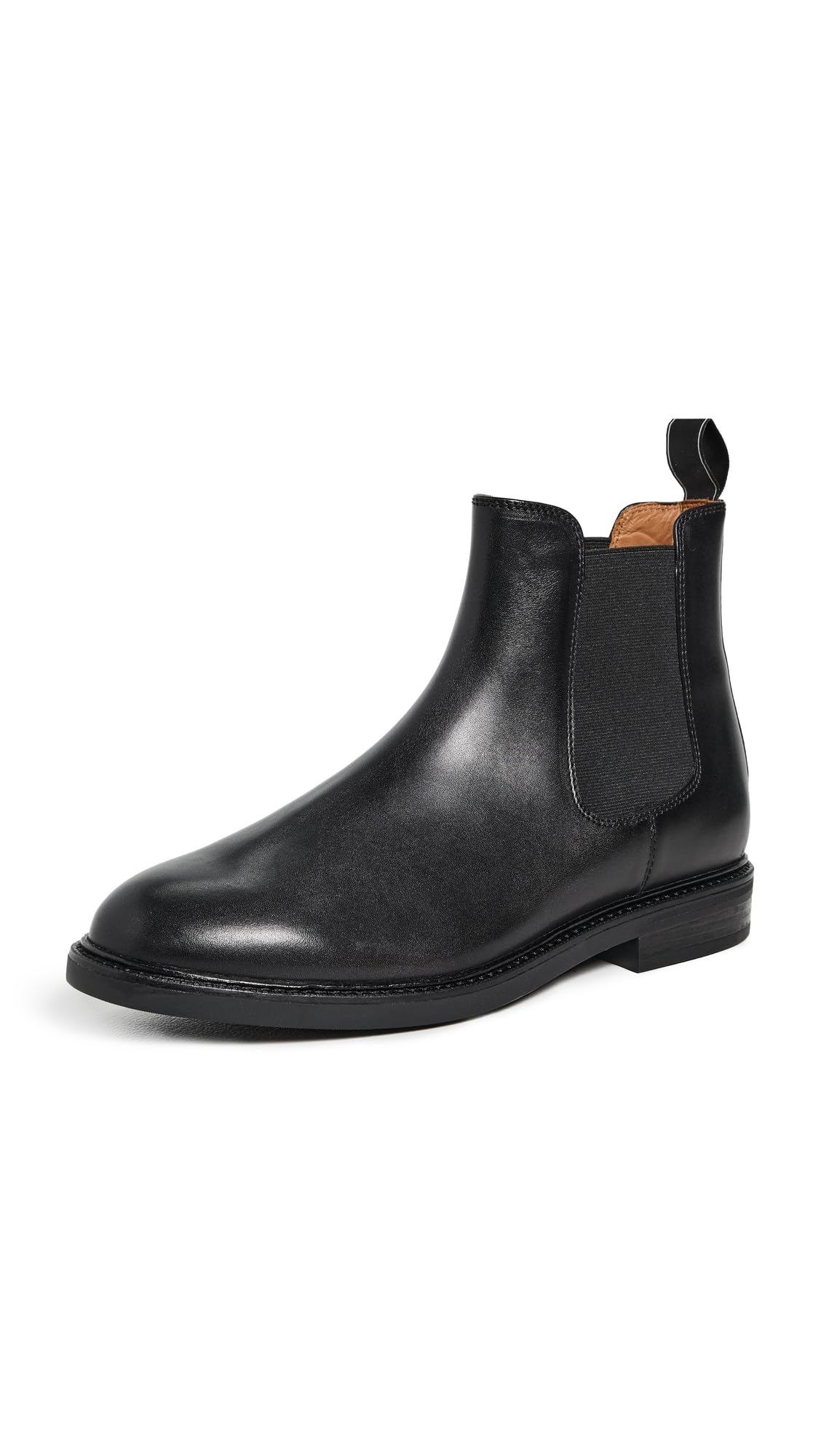


Who Should Buy Boots That Balance Comfort and Style?
A purely fashionable boot often skimps on support, while a purely practical boot can clash with half your closet. The groups below share that tension in different ways.
Workers Who Stand and Walk All Day but Need a Polished Look
If you teach, manage a shop floor, or work events, you may log thousands of steps while still facing customers. You need real cushioning and a stable base under a clean upper that reads as intentional rather than athletic. Prioritize a padded collar, a removable insole, and a plain toe in a neutral color.
Commuters Who Walk to Transit and Then Sit at a Desk
Your boots must handle wet sidewalks and station stairs, then look right in meetings. A Chelsea or a neat lace up boot in smooth leather suits this rhythm, since both wipe down fast after rain. Look for a grippy rubber outsole and a breathable lining, because overheated feet swell on a warm train ride.
Travelers Who Pack One Pair of Boots for a Whole Trip
One pair has to cover airport walking, sightseeing on cobblestones, and dinners out. Choose a versatile mid tone leather or suede style that dresses up or down, with a flexible sole. Lighter boots, roughly under about 1.5 pounds per boot, reduce leg fatigue and save luggage weight.
Key Features to Compare
Fit First: The Comfort Factor That Matters Most
Fit decides comfort more than any single material. Measure your feet in the afternoon, when they are at their largest, and try boots on with the socks you plan to wear. Your toes should clear the front by about half an inch, and the toe box should let them lie flat without squeezing the sides. Your heel should stay seated with only slight movement as you walk. Boots rarely stretch in width or length, so a pair that feels too small in the store will not become right later.
Arch Support and Foot Type
Arch support keeps your weight spread across the whole foot instead of loading only the heel and forefoot. Flat feet often feel best with a firmer arch and a stable heel counter that limits inward rolling, while high arches need more cushioning under the arch to fill the gap. If you use your own orthotic insole, bring it to the fitting, since its thickness changes the room inside.
How Insoles and Midsoles Shape All Day Comfort
Cushioning comes from the insole and midsole working together, absorbing impact each time your heel lands. Foam insoles feel soft right away, while cork or firmer molded insoles shape to your foot over the first weeks. Heel to toe drop, the height difference between heel and forefoot, commonly runs about 8 to 12 mm in dress and casual boots. A higher drop shifts some load toward the forefoot, while a lower drop feels flatter and more stable.
Upper Materials and Breathability
Full grain leather looks refined, resists scuffs, and molds gradually to your foot, which is why it anchors most style led boots. Suede offers a softer, more relaxed appearance but marks more easily and needs a protective spray before wet weather. Knit and mesh uppers breathe best and weigh least, though they read as casual. Lined leather boots run warm in summer, so for year round wear choose an unlined or lightly lined pair.
Waterproof Membranes for Rainy Day Commutes
A waterproof membrane such as Gore Tex blocks outside water while letting some moisture vapor escape, which keeps socks drier during rainy commutes. The trade off is warmth and slower drying once wet. If your climate brings frequent rain or slush, waterproofing earns its place. If you mostly face dry streets, plain leather sheds light splashes and breathes better, so skip the membrane.
Outsole Grip, Weight, and Flexibility
The outsole decides how secure each step feels. Rubber with shallow lugs grips wet pavement and smooth floors without looking rugged, while deeper lugs suit gravel and mud but can feel clunky on tile. Leather soles look elegant yet slip on wet surfaces, so many style boots add rubber inserts. Flex the boot by hand before buying: it should bend at the ball of the foot and resist twisting through the middle.
Boot Silhouettes Compared: Which Style Fits Your Wardrobe?
Silhouette is where style and comfort meet, because shaft height and closure change both the look and the ankle support. Chelsea boots use elastic side panels, so they pull on fast and present a clean line under trousers. Chukka boots stop at the ankle with two or three eyelets, giving a relaxed feel that pairs with chinos and denim. Lace up dress boots add ankle coverage and a tailored profile for suits, while rugged casual boots trade formality for cushioning. When you shop for the best boots for comfort and style, judge each silhouette against your most worn pants.
Color matters too. Black reads formal and hides scuffs, mid tone brown covers the widest range of outfits, and suede softens a casual look. For warm weather days, see our guide to the best sandals for comfort and style instead.
Style and Comfort Questions to Ask Before Ordering
Run through these questions before you order, and treat any no as a reason to keep looking. The same checklist logic applies when you see our guide to the best style shoes.
- Can you wiggle your toes freely while standing in the boot?
- Does your heel stay in place when you walk across the room?
- Does the sole bend at the ball of your foot rather than the middle?
- Can the insole come out if you want to use your own?
- Does the color work with at least three outfits you own?
- Is the outsole rubber with visible tread for your usual surfaces?
- Could you walk for thirty minutes in this pair without hot spots?
Common Mistakes to Avoid
- Buying boots in the morning when feet are smallest, then suffering a tight fit every afternoon.
- Choosing a narrow fashion last despite wide feet, which leads to numb toes and blisters.
- Assuming stiff leather will fix a bad fit, so small pressure points become painful within weeks.
- Picking a smooth leather sole for rainy commutes, which invites a slip on wet station floors.
- Judging comfort from a few steps on store carpet, which hides how thin cushioning feels on concrete.
- Wearing new boots outdoors before checking the fit, which removes your option to exchange the size.
How to Make Your Boots Last Longer
Let wet boots air dry at room temperature away from direct heat, since heaters crack leather and weaken glue lines. Stuff them loosely with newspaper to draw out moisture, then insert cedar shoe trees once they are merely damp, because trees hold the shape and absorb odor. Rotate two pairs if you wear boots daily, giving each pair a rest day so the cushioning recovers. Brush dirt off after wear and condition leather every few months. Watch the heel edge as a replacement signal: a heel worn down on one side changes your gait.
Frequently Asked Questions
What features matter most in boots chosen for both comfort and style?
Fit, cushioning, and a versatile silhouette matter most. Start with a toe box that lets your toes lie flat, then check that the insole supports your arch without pushing into it. One point buyers overlook is the boot opening: a slightly padded top edge prevents the shaft from rubbing your calf.
Can I wear comfort and style boots all day without sore feet?
Yes, provided the fit is right and you build up wear time gradually. Wear a new pair for two or three hours indoors on the first days, then extend the time as the upper softens. Even a well fitted boot can tire feet used to soft athletic shoes, because firmer support asks your foot muscles to work differently.
How should boots for comfort and style fit at the heel and ankle?
Boots should hold your heel firmly while leaving your toes free. A small amount of heel lift, roughly a quarter inch or less, is normal in a stiff new boot and settles as the sole flexes. The ankle shaft should feel snug without digging in when you flex your foot on stairs. If the heel still slides after a week of indoor wear, the size is wrong for you.
How long is the break in period for leather boots?
Most leather boots break in over about one to two weeks of regular wear. Smooth full grain leather softens fastest around the ankle crease and the flex point at the ball of the foot. Suede and knit uppers need almost no break in at all. During this period, wear thick socks and keep walks moderate, because pushing through a real pressure point can raise a blister.
Are expensive boots for comfort and style worth the extra cost?
They can be, when the price buys resoleable construction and better leather rather than branding alone. A stitched welt lets a cobbler replace the outsole, extending the life of an upper already molded to your foot. Cemented soles cost less but usually end the boot once the tread wears smooth. For dressier pairs, see our guide to the best men's boots style.
Wrapping Up
Comfort and style stop competing once you judge boots by fit first and silhouette second. Check the toe box, arch support, and outsole grip, then choose the color and shaft height that serve the clothes you wear most. The best boots for comfort and style for you are the pair you can walk in all afternoon and still enjoy wearing at dinner. Compare your shortlist against the product table above and order the size that passed every checklist question.


