
Best Boots for Climbing Ladders Made Simple: A Clear Buying Guide for 2026
Disclosure: We may earn a commission when you buy through links on this page, at no extra cost to you. As an Amazon Associate I earn from qualifying purchases. Learn more

Shopping for the best boots for climbing ladders for the first time? Learn the terms, compare options, and avoid rookie mistakes with this easy guide.
Buying ladder boots for the first time can feel confusing, because a boot that feels fine on flat ground can feel tiring and unsure on a narrow rung. The best boots for climbing ladders solve that problem with a defined heel, a stiff shank and grip that holds on metal and wood. This guide starts with the basics, explains each spec in plain English and helps you read the comparison table below with confidence.
You do not need the heaviest boot or the highest price to climb comfortably. You need a fit that keeps your foot from sliding, support under your arch on rungs and materials that suit your weather and job site. Note your foot shape, your usual ladder type and how many hours you spend at height each week.

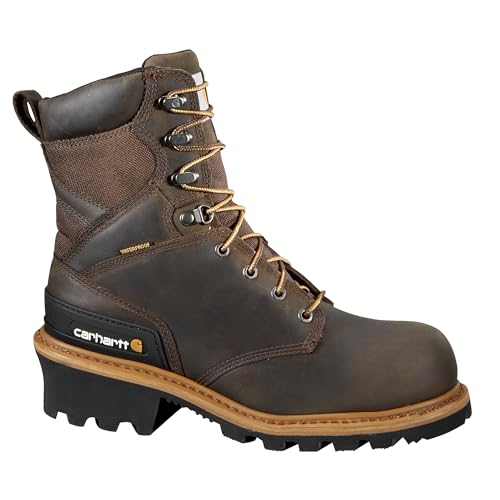


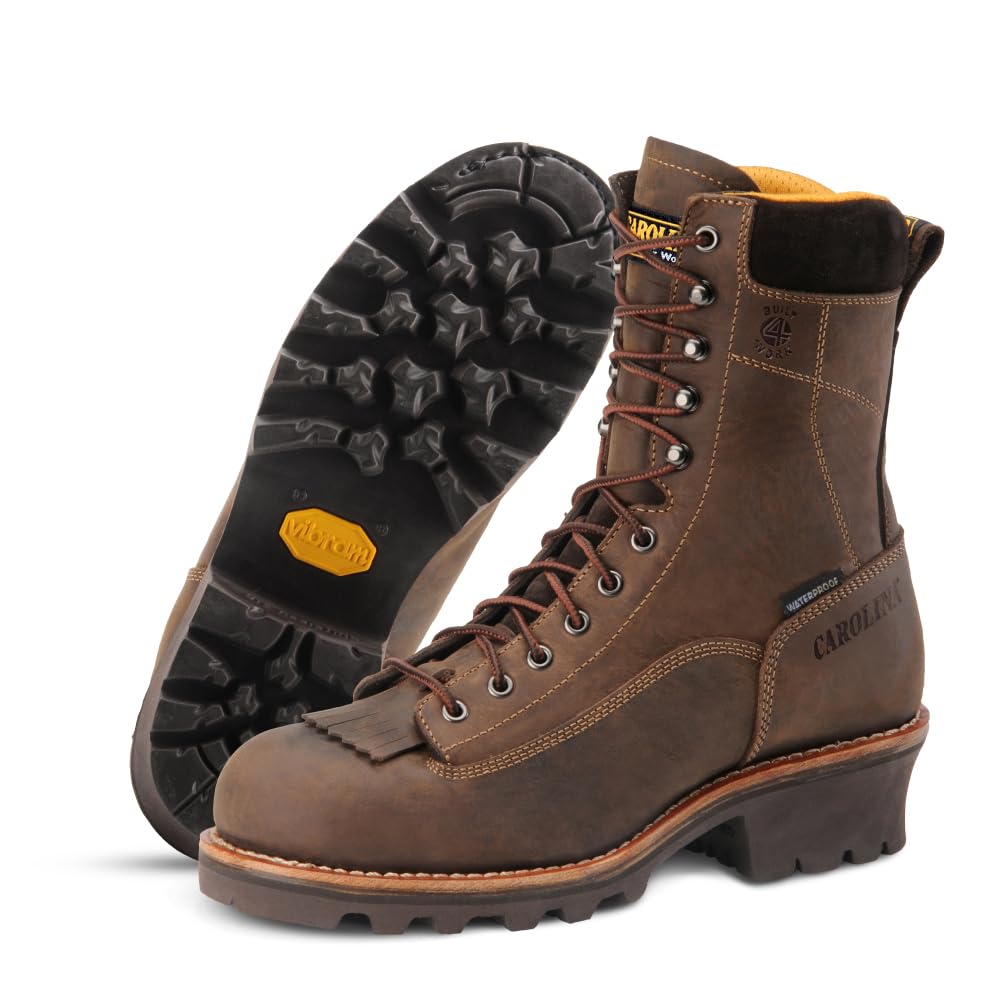
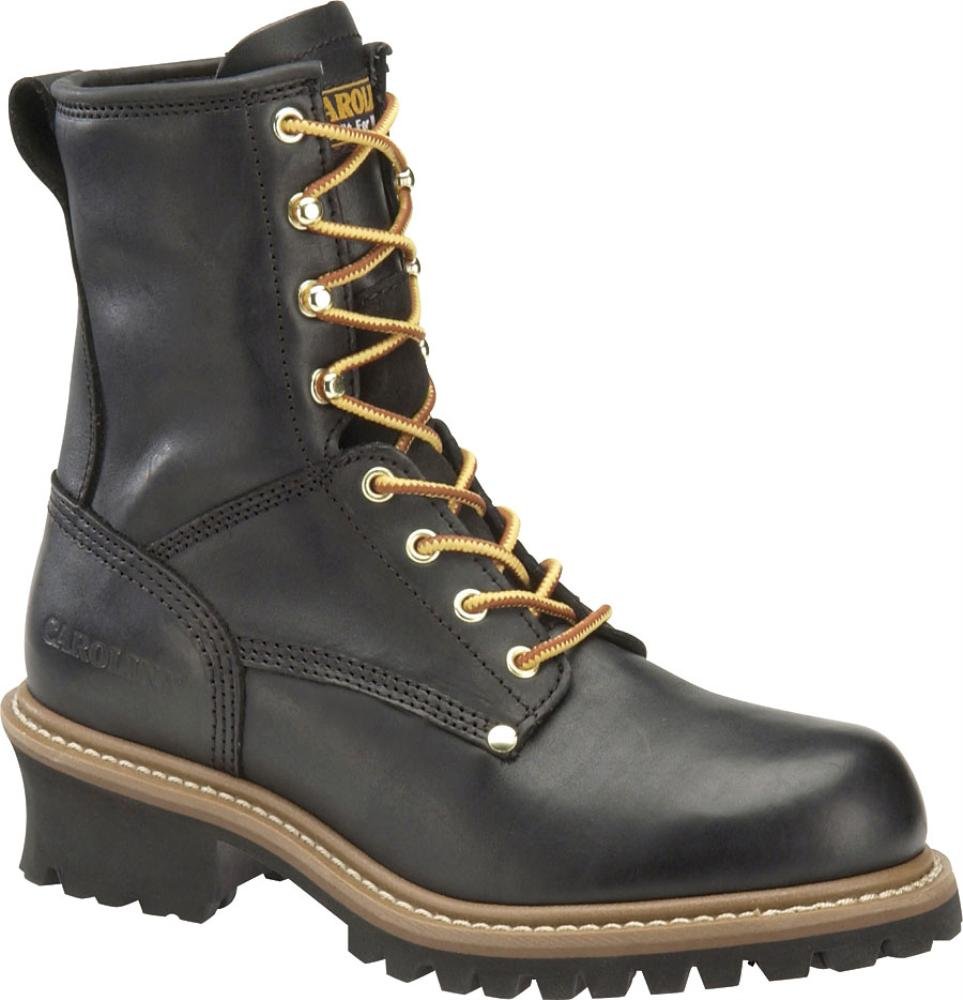
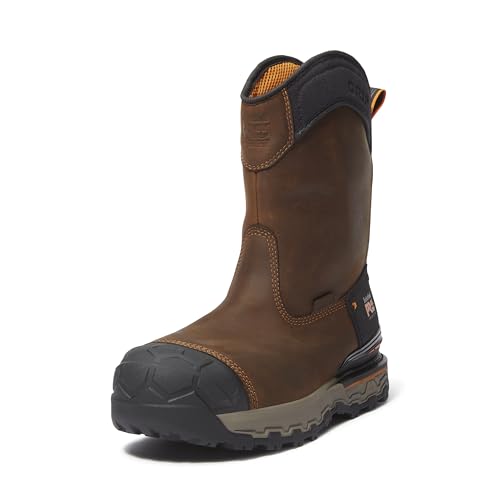


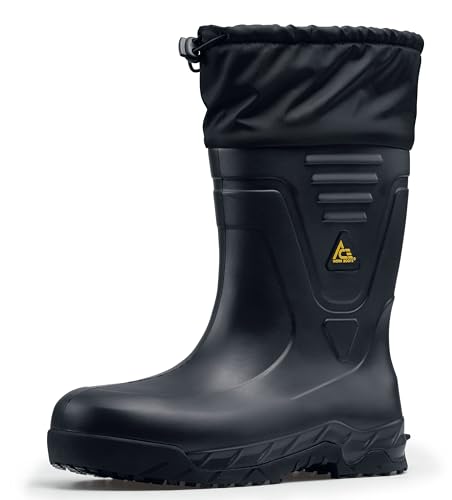
Who Should Buy Boots for Climbing Ladders?
Start with how often you climb and what you carry, because those two facts shape the heel, shank and toe protection you need.
Roofers and Gutter Crews Who Climb Every Day
You climb many times a day, often with tools in hand. Choose a tall shaft for ankle support, a strong leather upper and toe protection if your site requires it. See our guide to the best extension ladders when you need reach for two story work.
Electricians and Linemen Who Stand on Rungs
You stand on rungs or pegs for long stretches while both hands stay busy. Arch support and a firm shank matter most for you, plus electrical hazard protection if your employer requires it. For pole work too, see our guide to the best lineman climbing boots for taller, pole focused styles.
Painters and Home Users Who Climb Now and Then
You climb for painting, gutter cleaning or outdoor lights, and you wear the boots for ground work the rest of the day. A lighter boot with a flexible forefoot and moderate heel suits mixed tasks. If your climbs are short and loads are light, see our guide to the best boots for ladders for simpler options.
Boots 101: The Basics for Ladder Work
A ladder boot is a work boot built so your foot can lock onto a rung instead of balancing on it. The heel breast, the front face of the heel, catches the rung and stops your foot sliding forward. A shank, a stiff plate under the arch, spreads your weight across the rung so your midfoot does not ache.
That is why the best boots for climbing ladders pair that heel shape with a supportive shank and a grippy outsole, while a flat sneaker offers none of these. Shaft height supports the ankle, and toe protection guards against dropped tools. The spec lists in the product table above will now make sense.
Ladder Boot Specs in Plain Terms: Heels, Shanks and Outsoles
Read each spec through one question: what does it do while your weight sits on a rung? The answers below use that test, so you can rank features yourself.
Features That Matter Most for Climbing Ladders: Heel, Shank and Outsole
Look first for a defined heel about 1 to 2 inches high with a clear 90 degree front face, because that face locks behind the rung. Under the arch, choose a steel or strong composite shank so the boot does not flex on narrow rungs. Deep lugs and rubber that grips painted metal, aluminum and wood add slip resistance on wet rungs. For daily site work, see our guide to the best work boots for climbing ladders for work focused versions.
Fit, Sizing and Toe Box, Plus the Break In Period
Measure both feet in the afternoon, when they are at their largest, and try boots with your work socks on. Your heel should lift very little, your toes should wiggle without touching the front, and the widest part of your foot should sit in the widest part of the boot. Most leather ladder boots need several short wears before the upper softens, so plan that break in time first. If one foot is larger, fit that foot and add an insole to the other boot.
Arch Support and Foot Type When You Stand on Rungs
On a rung, nearly all your weight passes through a narrow band under your arch, so support matters more than soft cushioning alone. Flat feet often need a firm insole that stops the arch rolling inward, while high arches often need more cushioning under the heel and forefoot. If you feel sharp heel pain, lasting numbness or pain that changes how you walk, stop and talk with a clinician about your personal needs. A podiatrist can tell you if an insole is enough.
Membranes and Sealed Seams for Wet Ladder Work
A waterproof membrane keeps rain and wet grass out, which helps roofers, cleaners and anyone who sets a ladder on damp ground. Gore Tex is the best known membrane, and many brands use their own versions. The trade off is warmth, because a membrane slows the air flow that cools your feet. Choose waterproof boots if your feet often get wet, and unlined boots if you climb mostly indoors or in dry heat.
Upper Materials, Ankle Support and Breathability
Full grain leather uppers resist scrapes from rung edges and roof materials, and they mold to your foot, but they weigh more and dry slowly. Mesh and knit panels weigh less and let air move, yet they protect less and wear faster on rough sites. A shaft of about 6 to 8 inches supports the ankle without limiting how you step between rungs. If your climbing is on rock, see our guide to the best climbing boots for that different sport.
Getting Started: First Fit Checks and First Climbs
Start at home, not at height. Wear your new boots indoors and on flat ground for a few short sessions, then stand on the lowest rung of a stable ladder with both hands holding on. Check that your heel catches the rung, your foot does not slide and laces stay tight.
Tighten laces in two zones, snug over the forefoot and firmer at the ankle, so the heel stays seated as you climb. Keep three points of contact during practice climbs, and follow the ladder maker instructions for weight limits and angle. If the heel still slips after careful lacing, exchange the size before you work at height.
Rookie Mistakes to Avoid
Most first time regrets come from fit and heel shape, not from price.
- Choosing a flat sole with no defined heel lets your foot slide forward on the rung and tires your calves.
- Buying boots in the morning in thin socks leads to a tight fit by afternoon, when feet swell and work socks add bulk.
- Picking the softest cushioning you can find lets the boot flex on the rung, so your arch aches during long stands.
- Ignoring the shank and trusting a light trainer style upper leaves your midfoot unsupported and makes each rung feel sharper.
- Wearing brand new boots on a full day climb causes blisters that a short break in period would have prevented.
Care and Maintenance for Boots Used on Ladders
Brush dirt from the upper and outsole after each work day, and wash mud from the lugs with plain water. Air dry wet boots away from direct heat, with insoles removed and tongues open, because strong heat can crack leather and weaken glue. Newspaper helps them hold their shape while they dry.
Check the heel breast and outsole lugs each month, because worn or rounded heels catch rungs poorly and raise your slip risk. Condition leather when it looks dry, replace frayed laces, and store boots upright in a dry place. Retire a pair when the shank feels bent or the heel is worn smooth.
Frequently Asked Questions
What features matter most in boots for climbing ladders?
The heel, shank and outsole matter most in boots for climbing ladders, because together they lock your foot to the rung and support your arch. One point buyers often miss is lace hardware: metal hooks at the top let you tighten the ankle zone on its own, which stops heel lift without crushing your forefoot.
Can I wear boots for climbing ladders all day?
Yes, you can wear boots for climbing ladders all day if the fit is right and the shank supports your arch during long stands. For very long shifts, rotate two pairs on alternate days so each pair dries fully, which reduces odor and helps cushioning recover. Change into dry socks at midday if your feet sweat heavily.
Do I need waterproof boots for climbing ladders?
You need waterproof boots for climbing ladders only if your work puts your feet in rain, wet grass or wash water regularly. Dry indoor work, such as warehouse rack access or indoor painting, rarely justifies the extra warmth and cost. A water resistant leather upper with no membrane is a useful middle path for light splashes.
How long is the break in period for boots for climbing ladders?
The break in period for boots for climbing ladders is usually about one to two weeks of short, easy wears for leather models. Wear them for an hour or two at home, then for half shifts, and add ladder time only after hot spots fade. Mesh and knit styles often feel comfortable sooner, sometimes in days.
How should boots for climbing ladders fit at the heel and toes?
Boots for climbing ladders should fit snug at the heel and midfoot, with about a thumb width of space in front of your longest toe. Test the fit on an incline board or a low step, because feet slide forward as you descend and toes that touch the front will bruise. If your heel lifts a lot, try a half size down.
Final Thoughts
Keep your short list short: a defined heel that catches the rung, a stiff shank under your arch and a fit that holds your heel without squeezing your toes. Add waterproofing only if your work is wet. Use the product table above to compare those points side by side.
When you judge the best boots for climbing ladders by how they behave on a rung, not by how they look on a shelf, the right pair is easier to spot. Fit them in the afternoon, break them in at ground level and climb with confidence.


