
Best Boots for Cement Floors in 2026: What Actually Matters Before You Buy
Disclosure: We may earn a commission when you buy through links on this page, at no extra cost to you. As an Amazon Associate I earn from qualifying purchases. Learn more

Compare boots for cement floors by cushioning, arch support, toe box room and grip, with a clear buyer checklist for long shifts on hard floors.
Standing and walking on cement gives your feet almost no help. The floor does not flex, so every step sends force back into your heels, arches and knees. The best boots for cement floors answer that problem with thick cushioning, steady support and a fit that still feels right at the end of a shift. Use the comparison table below to check those points side by side.
This guide turns the key criteria into a simple checklist you can use with any brand. You will see who needs the most support, which features matter on smooth indoor cement and dusty outdoor slabs, and which mistakes drain comfort fastest.
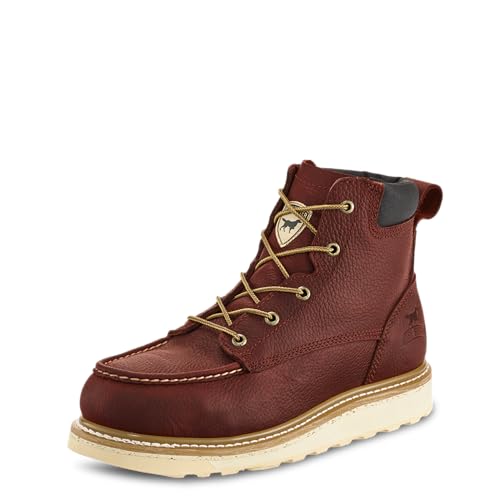
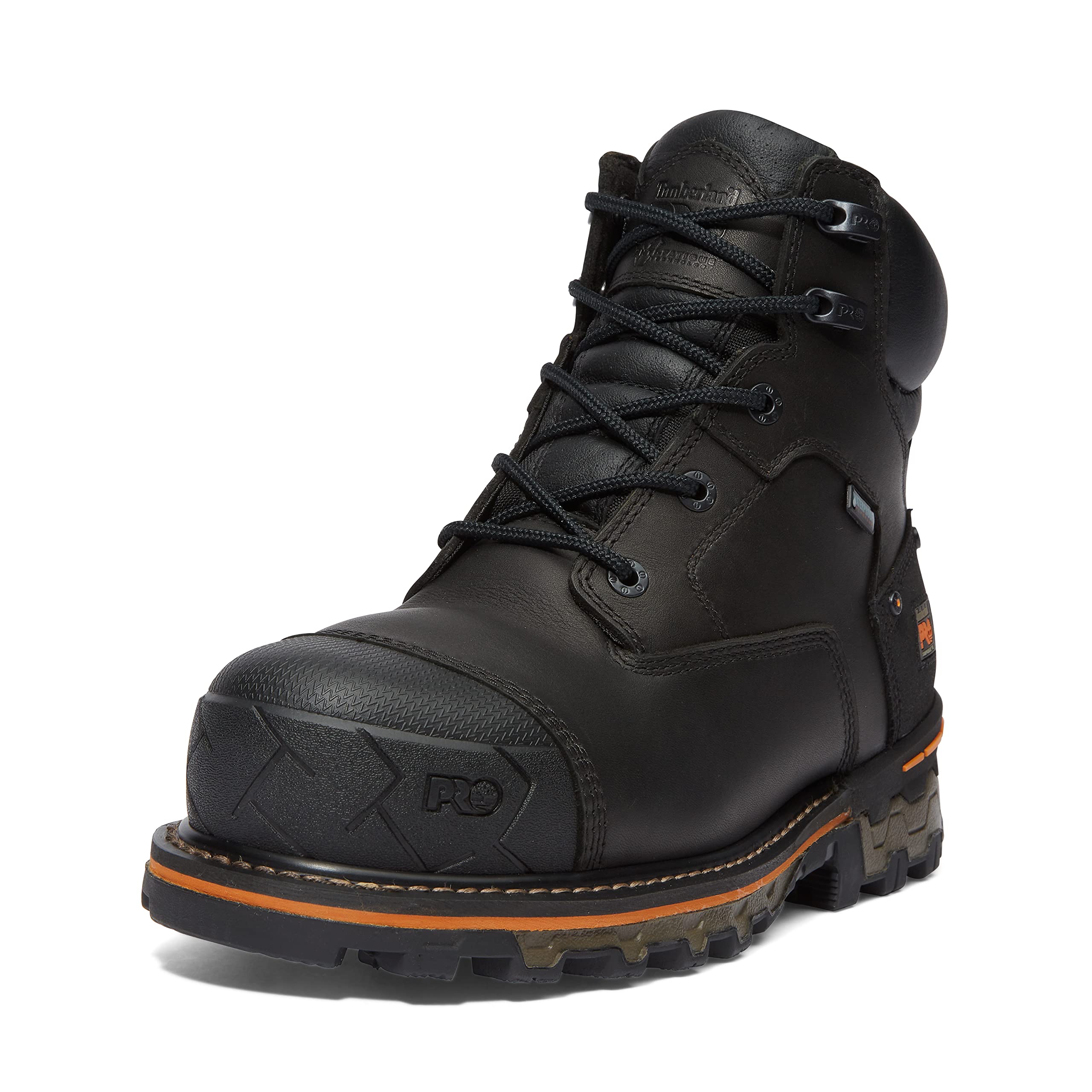


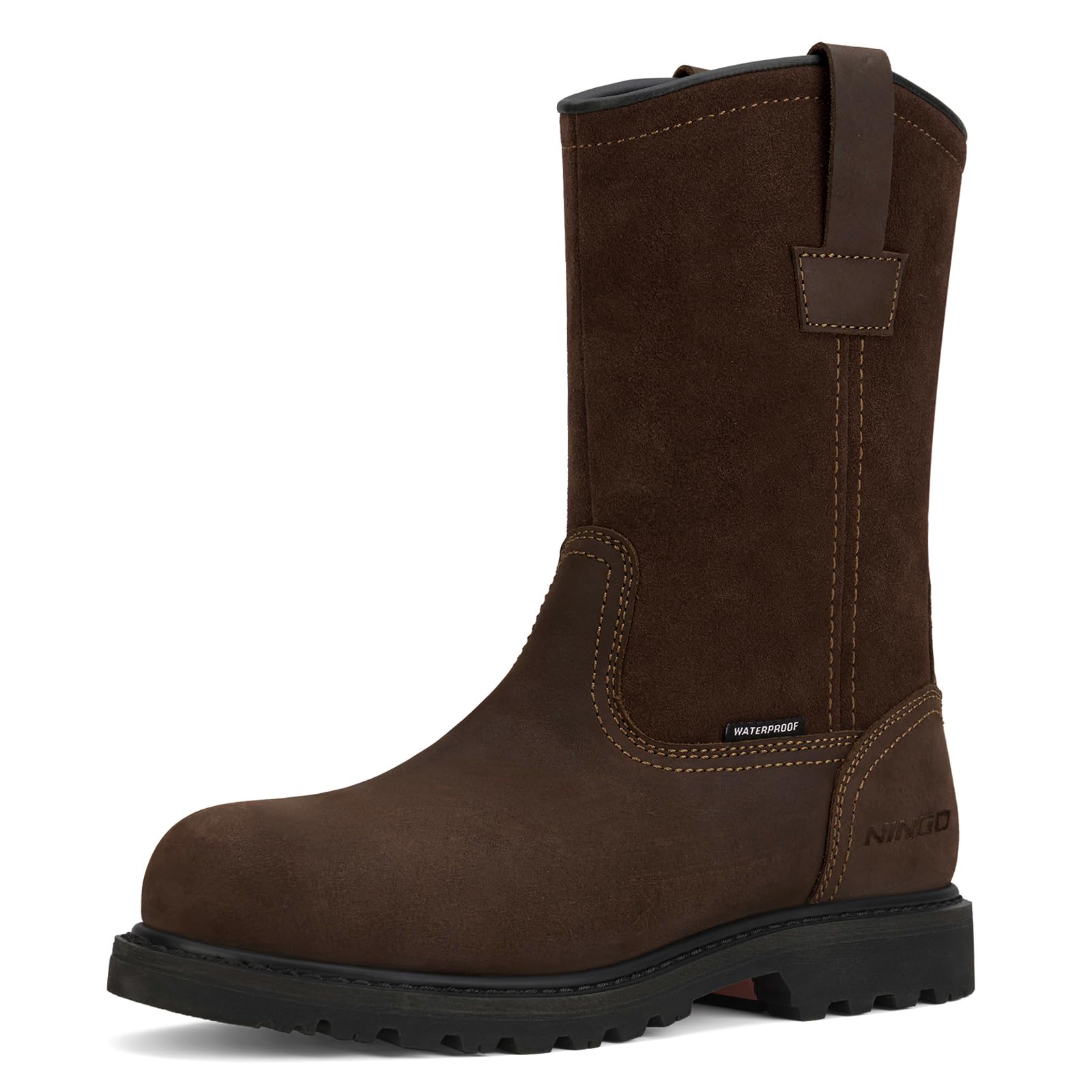

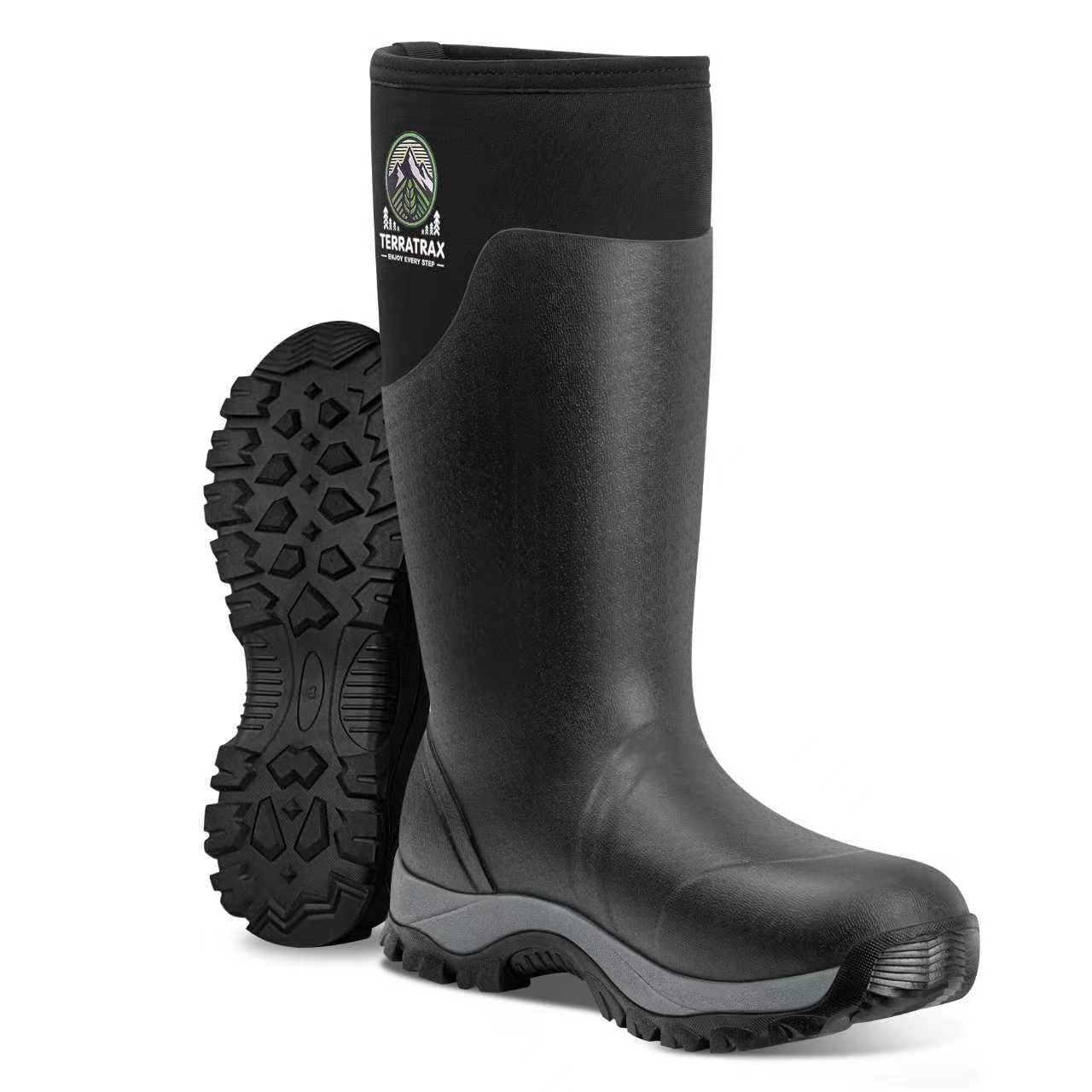
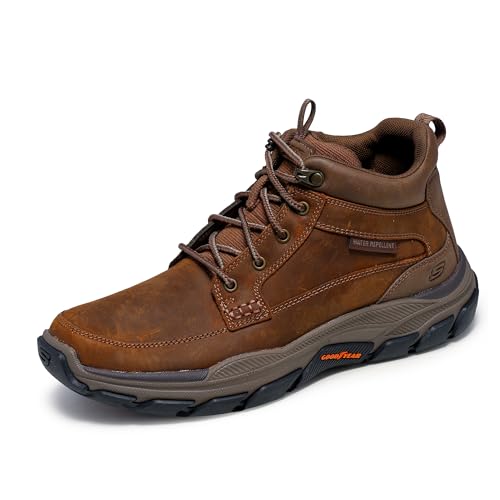
Who Should Buy Boots for Cement Floors?
Your job pattern matters more than a brand name. For full shifts indoors, see our guide to the best work boots for cement floors, which focuses on job site rules. The three groups below cover most cement floor days.
Warehouse and Factory Workers Who Stand for Long Shifts
You may walk short routes, then stand at a station while your heels take the load. Choose deep cushioning with a firm arch and a stable base that does not roll. If your station keeps you in one spot, our guide to the best floor mat can add padding underfoot as well. A replaceable insole matters for you, because you can refresh the feel without replacing the whole boot.
Retail, Food Service and Health Care Staff on the Move
You cover long distances on polished cement and tile, often turning quickly and carrying light loads. Prioritize a lighter boot with flexible cushioning and strong grip on smooth, sometimes wet surfaces. A breathable upper helps during warm indoor shifts. If your workplace allows low shoes on lighter days, see our guide to the best shoes to wear on cement floors for that tradeoff.
Construction and Yard Crews Moving Across Mixed Ground
You step from cement slabs to gravel, ladders and mud, so you need more protection than an indoor worker. Look for a tougher outsole, ankle coverage and a safety toe if your site rules require one. Persistent heel pain, numbness, swelling that does not fade overnight, or pain that changes how you walk needs a doctor or foot specialist, so talk with your clinician about personal needs before you rely on footwear alone.
Key Features to Compare
The best boots for cement floors share four traits, and weakness in any one of them shows up by midday. Let your longest, hardest day set the standard rather than a short try on in a store.
The Midsole Does the Absorbing Cement Will Not
Cushioning is the soft midsole layer between your foot and the outsole, and on cement it does the shock absorbing the floor refuses to do. Look for a thick midsole that springs back when you press it with a thumb, plus a shaped arch that meets your midfoot without a gap. Heel to toe drop is the height difference between heel and forefoot, often about 8 to 12 mm in work boots. A moderate drop suits most walkers, while a lower drop feels steadier for standing but asks more of your calves at first.
Fit, Sizing and Toe Box Room for Feet That Swell
Feet swell on cement, so shop late in the day and wear your work socks for the fitting. Leave about a thumb width of space in front of your longest toe, and check that your heel stays seated when you walk and turn. The toe box is the front pocket of the boot, and yours should let toes lie flat and spread without pressing the sides. If one foot is larger, fit that foot first.
Upper Materials, Breathability and Water Protection
The upper is everything above the sole, and it controls airflow, water entry and how fast the boot breaks in. Full grain leather resists scuffs and molds to your foot over time, but it runs warm and needs a longer break in. Mesh and knit panels breathe far better indoors, yet they let in dust and spills. Boots with a Gore Tex lining block outside water while letting some vapor escape, a useful balance for crews who move between wet yards and dry interiors.
Outsole Grip, Stability, Durability and Boot Weight
On smooth cement, grip comes from broad, flat contact and many small edges rather than deep lugs, which suit mud better than polished floors. Look for rubber that feels slightly tacky, channels that push water aside, and a firm heel cup and wide base for stability. A quality outsole often shows wear first at the heel edge, so check that zone on your current pair. Heavier boots guard your toes, but every extra ounce costs energy across thousands of daily steps.
Boot Types for Cement Floors and a Quick Buyer Checklist
Three boot families cover most cement floor work. Soft toe boots are lightest and suit warehouses, retail and driving, where impact risk is low. Safety toe boots add a protective cap for sites with falling or rolling loads, at the cost of extra weight. Flatter soles suit smooth indoor floors, while a lug sole suits mixed outdoor ground. If your day is mostly walking rather than standing in boots, see our guide to the best shoes for working on cement floors for lighter options.
Before you order, answer these questions honestly. A no answer points to the feature you should upgrade first, and a boot that fails your workplace rules fails completely, no matter how soft it feels.
- Will you stand or walk on cement for six hours or more in a typical shift?
- Does the midsole feel thick and springy under the heel and forefoot?
- Does the arch meet your foot without a gap or a sharp ridge?
- Can your toes spread flat inside the toe box late in the day?
- Does the outsole grip a smooth, slightly wet floor without sliding?
- Can you swap the insole when the original cushioning packs down?
- Does the boot meet your workplace rules for toe protection and water exposure?
Plan a break in week as well. Wear a new pair for short stretches first, then add hours, and adjust the laces when hot spots appear. Blisters form fast once floor heat and friction build, so a gradual start protects your feet.
Common Mistakes to Avoid
Most comfort problems trace back to a few repeat choices.
- Buying by shoe size without an end of day fitting lets swollen feet press the toe box and ache by evening.
- Choosing deep hiking lugs for polished cement reduces flat contact and makes each step feel less secure.
- Picking the softest midsole you can find lets your arch tire faster, because very soft foam gives little structure for long standing.
- Ignoring workplace toe and water rules can leave you with a comfortable boot you are not allowed to wear.
- Wearing one pair every day without a rest day keeps the cushioning compressed and the lining damp.
How to Make Your Boots Last Longer
Rotate two pairs if you wear boots daily, and give each pair a full day to dry and rebound between shifts. Pull the insoles out at night, loosen the laces and air dry wet boots away from direct heat, which can crack leather and weaken glue. Brush off cement dust after outdoor work, because fine grit works into seams and speeds wear.
Clean leather with a damp cloth and use conditioner only when the surface looks dry. Replace insoles once they stay flat after a rest day, and watch the heel edge for uneven wear. Retire or resole a pair when the tread feels smooth on wet cement, because worn rubber cannot recover its grip.
FAQ
What features matter most in boots for cement floors?
Cushioning, arch support and flat outsole grip matter most in boots for cement floors. Rank them in that order if your budget forces tradeoffs, because a grippy boot with thin cushioning still punishes your heels. A quick store test helps. Stand on the hardest floor in the shop for two full minutes and note where pressure builds first.
Are expensive boots for cement floors worth the extra cost?
Expensive boots for cement floors can be worth it when the higher price buys a thicker midsole, a replaceable insole and a build a cobbler can resole. Spread over two hundred workdays, a boot that costs sixty dollars more adds only about thirty cents a day. That math favors durability for full time wear, so match price to your hours.
How should boots for cement floors fit at the end of a shift?
Boots for cement floors should fit snug at the heel and midfoot, with open space at the toes, even after hours of swelling. Test this on a ramp or stairs in the store, where your foot slides forward under load. If your toes strike the front on the way down, go up half a size or choose a wider toe box, because downhill pressure reveals a fit problem flat walking can hide.
How often should I replace boots worn on cement floors?
Replace boots worn on cement floors when the midsole stays compressed, heel wear turns uneven, or aches return even after a rest day and a fresh insole. For daily full time wear that point often arrives around twelve to eighteen months, though rotating two pairs can stretch it. Mark the purchase month inside the tongue, because gradual decline is easy to miss without a date.
Can I wear boots for cement floors all day?
Yes, you can wear boots for cement floors all day when the fit, cushioning and support match your shift length. Build up wear time during the first week instead of starting with your longest shift. Sit and lift your feet during breaks, and give your feet a rest at home, because off duty time lets compressed foot tissues rebound.
The Bottom Line
Start with cushioning and support, confirm the fit late in the day, then match grip and protection to your actual floor. Use the product table above to compare pairs that meet those tests against your budget and workplace rules.
With those points in mind, the best boots for cement floors become the pair you stop noticing by midday, and that quiet comfort is what a long shift on hard ground should feel like.


