
Best Boots for Cankles in 2026: What Your Money Gets You at Every Price
Disclosure: We may earn a commission when you buy through links on this page, at no extra cost to you. As an Amazon Associate I earn from qualifying purchases. Learn more

Compare the best boots for cankles at every price point. Learn what you get at budget, midrange, and premium levels and where spending more pays off.
Boot prices stretch from under $60 to well over $300, yet price alone tells you little about calf room or ankle shape. The best boots for cankles solve a specific fit problem: your lower leg flows into your ankle with little narrowing, so a standard shaft can squeeze, gap, or cut in at the top edge.
Use this guide to see where extra money truly helps and where it does not. You will compare calf fit, closures, support, and materials by tier, then check your shortlist against the comparison table below.

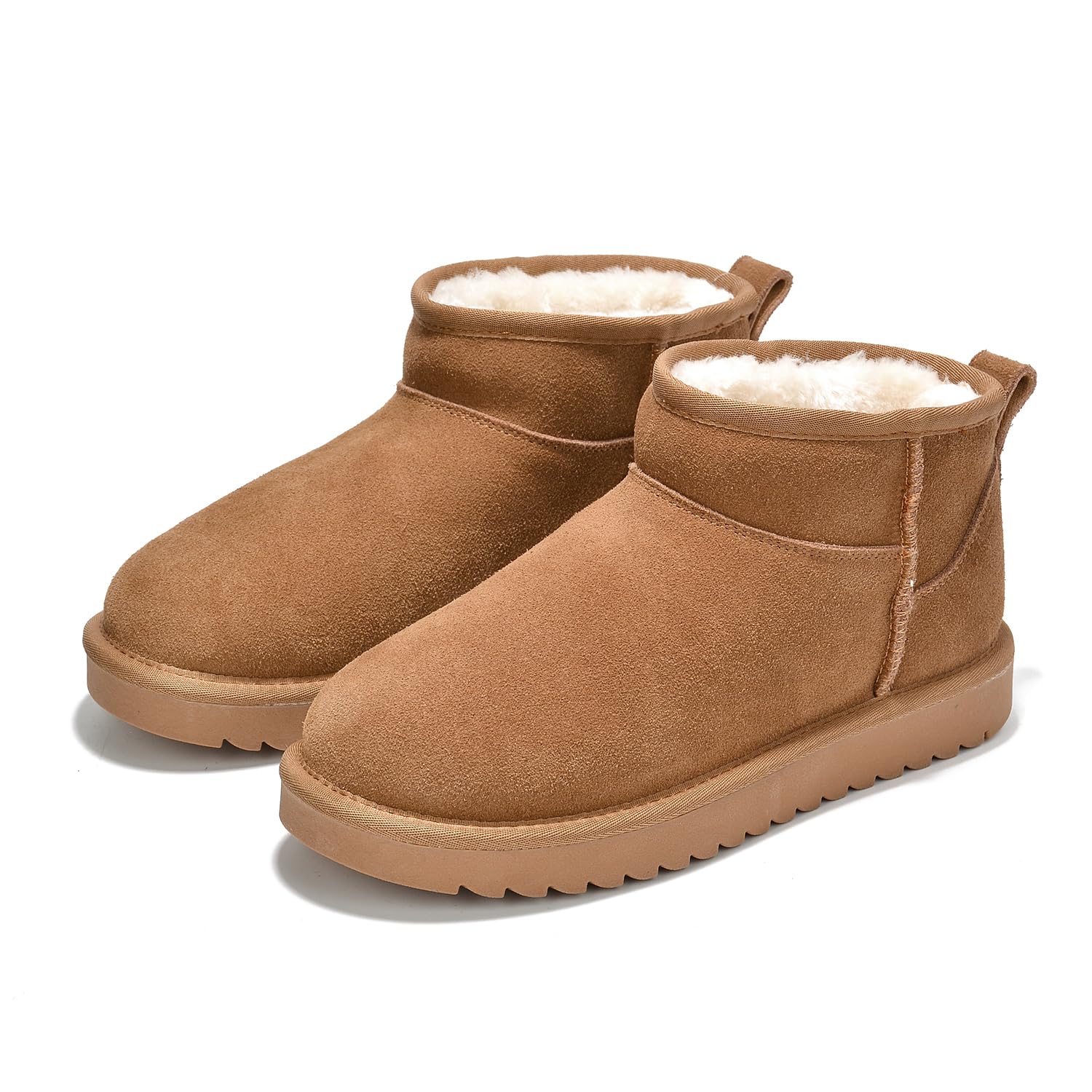
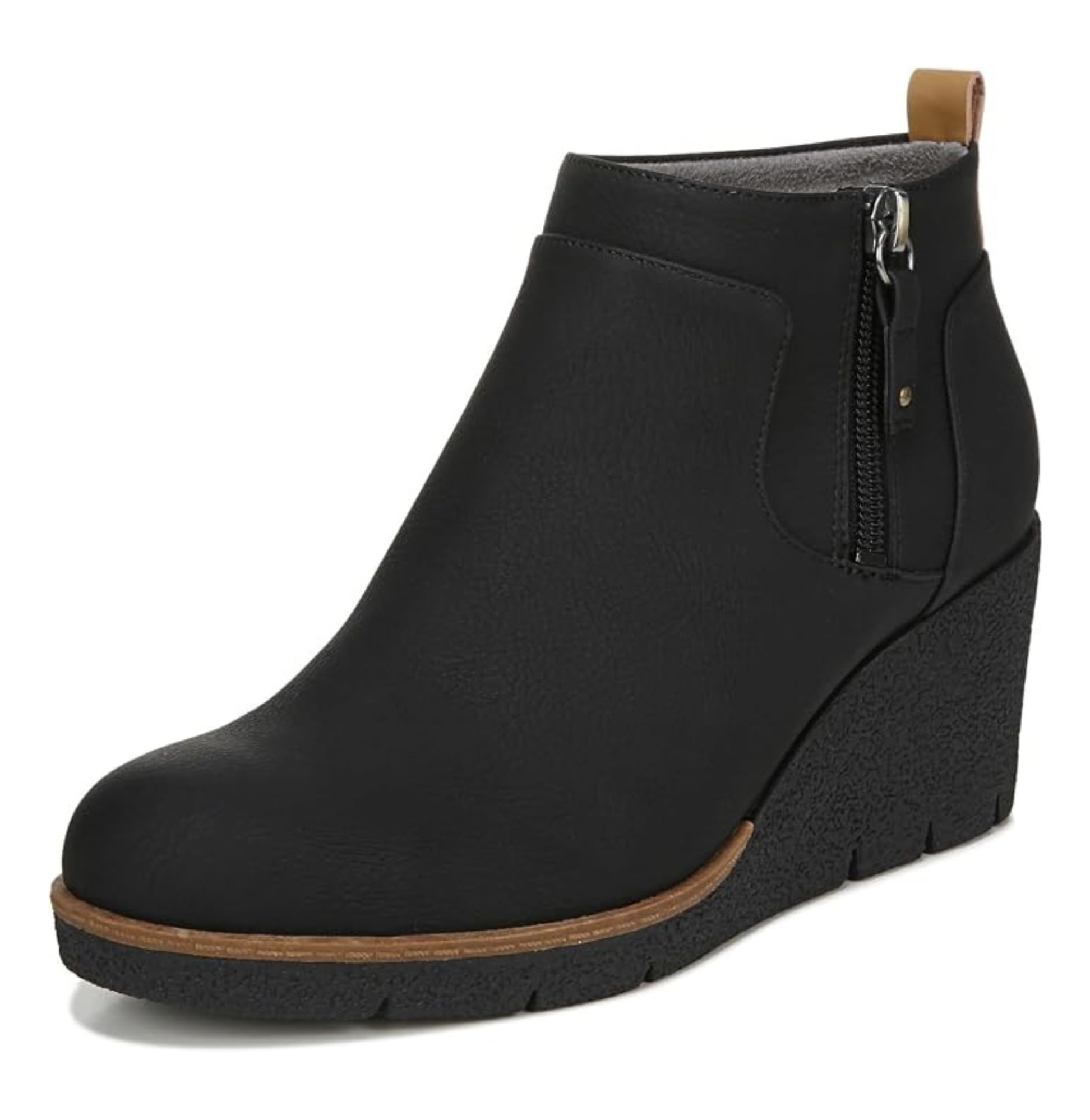
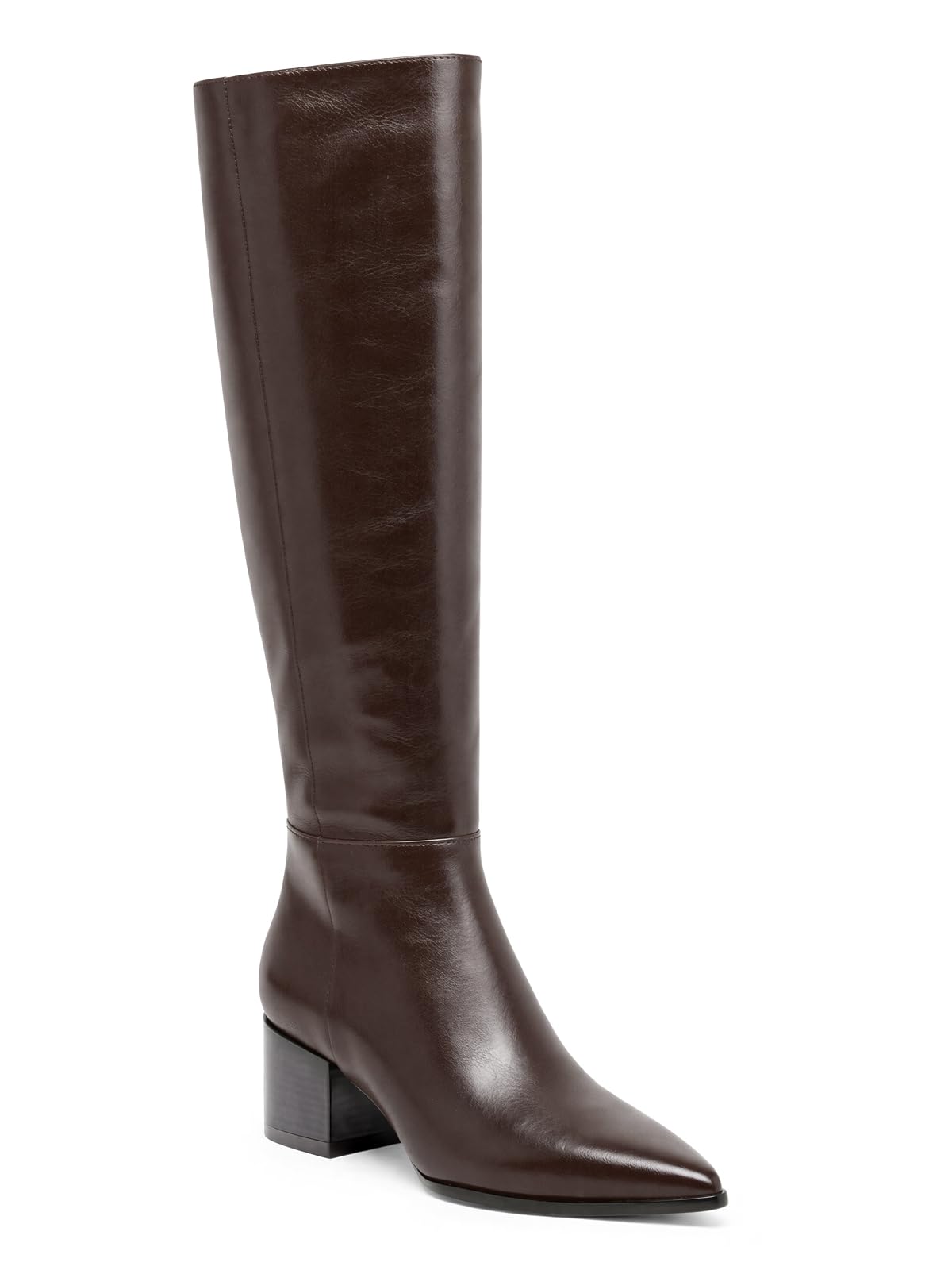
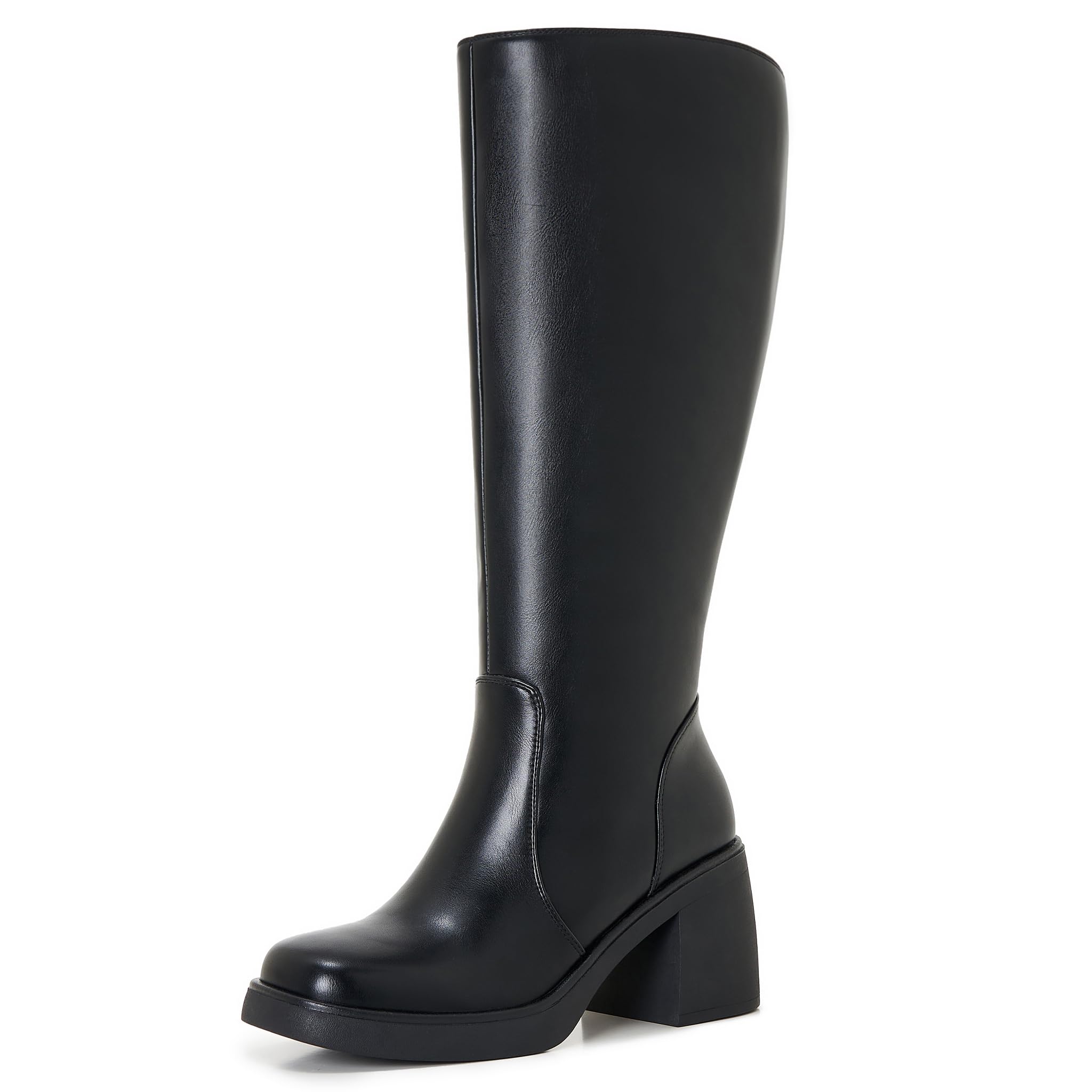


Who Should Buy Boots Shaped for Cankles
Start with how your legs behave and how you plan to wear the boots. The same shaft can feel fine at breakfast and far too tight by evening.
Shoppers Whose Ankles and Calves Swell by Evening
Measure and try boots late in the day, when your legs are at their largest. Look for a top opening with room to spare, soft padding at the edge, and closures you can loosen without losing support at the foot. Styles that only fit in the morning will likely pinch later in the day.
Walkers and Hikers Who Need Room Plus Stability
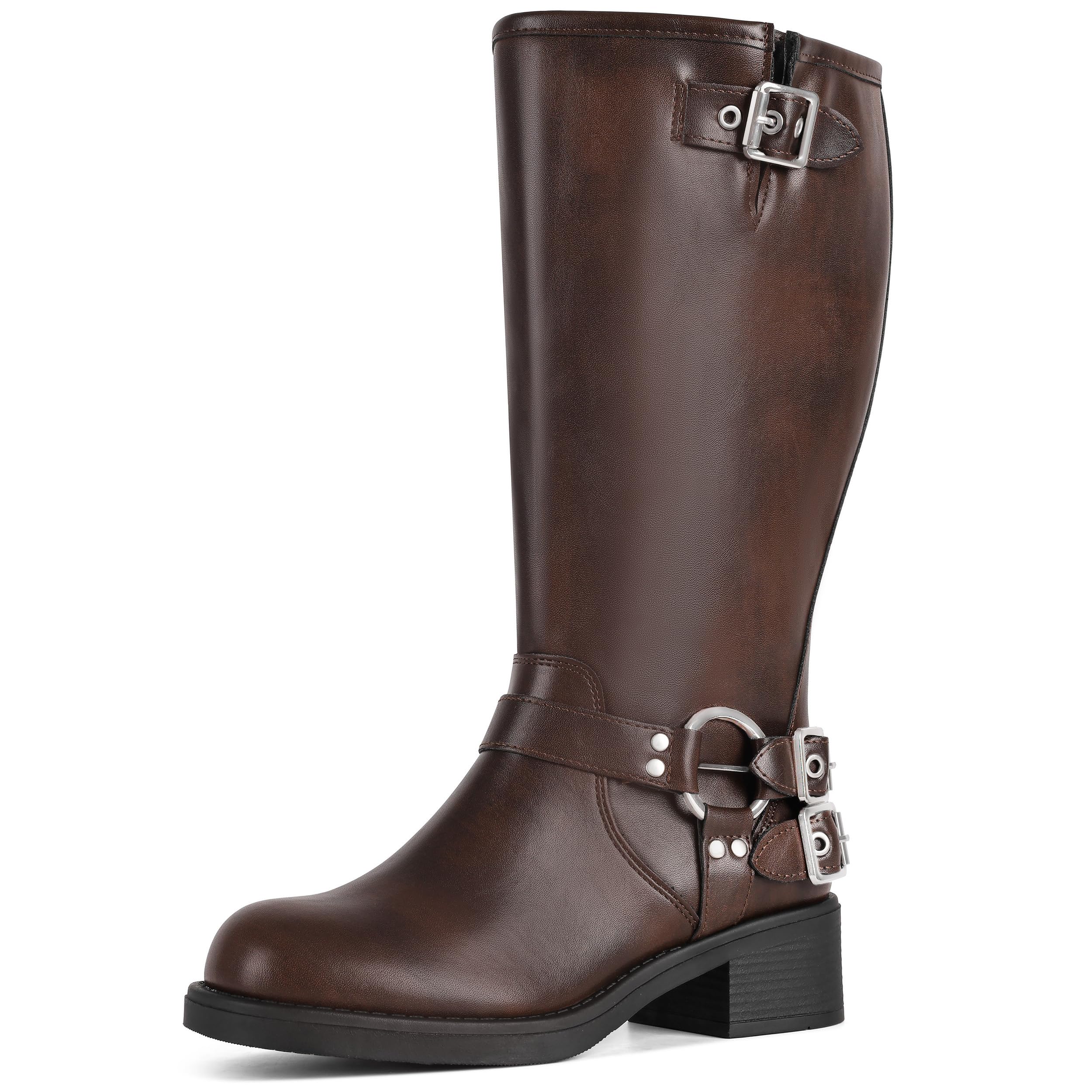
You need space at the calf without a loose heel or a shifting foot. Choose a secure lace system, a stable sole, and enough ankle support for uneven ground, while the shaft leaves room for thicker socks. A boot that holds the midfoot firmly lets the top stay more forgiving.
Dress Boot Buyers Who Want a Cleaner Ankle Line
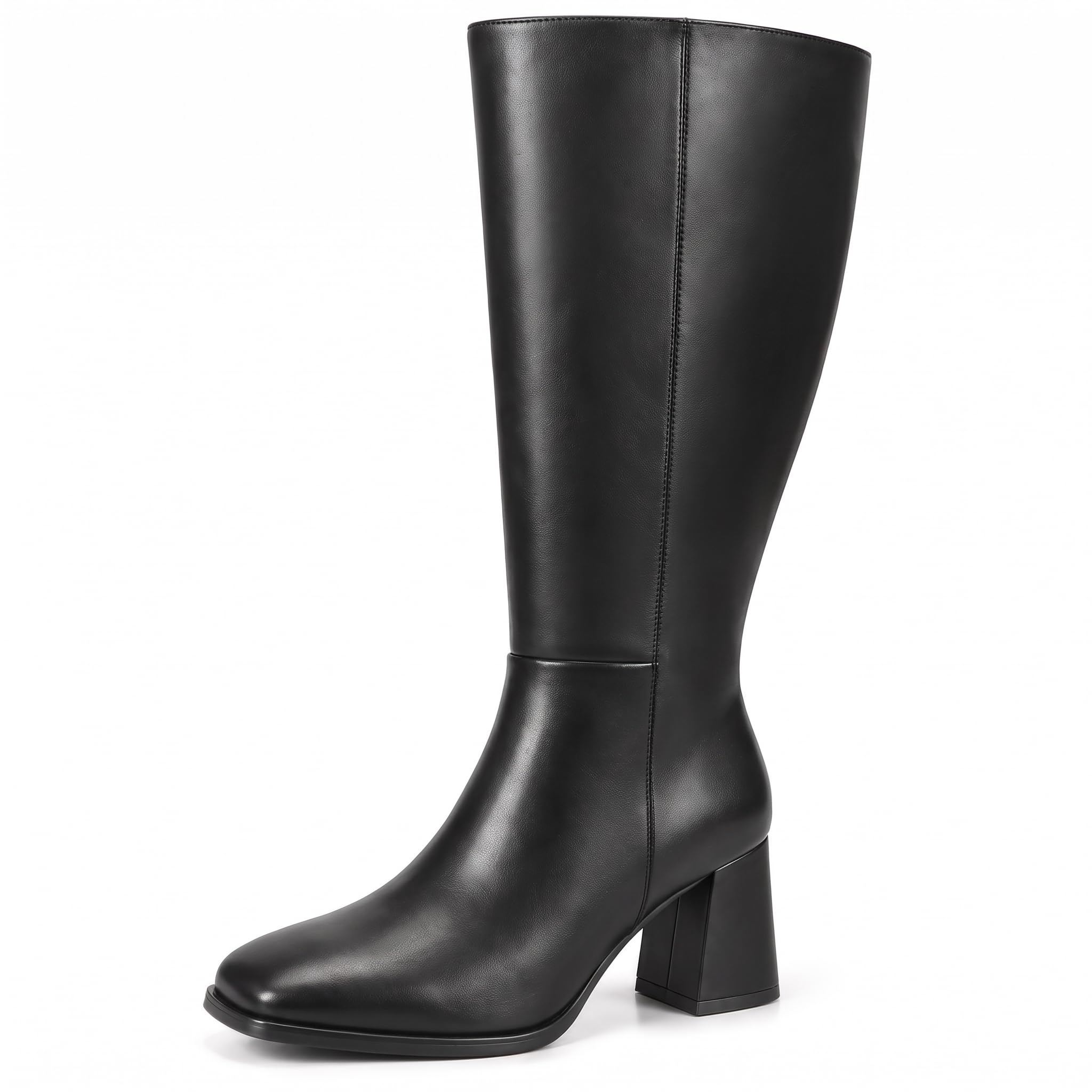
A tapered shaft, a curved top line, and a modest heel can create clearer definition where your calf meets your ankle. Dark smooth leather and a simple shape usually read as more polished than busy details. Avoid a top edge that ends at the widest part of your calf, because that placement draws the eye there.
What Higher Prices Buy for Wider Calves and Ankles
Price tiers mainly change materials, adjustment, and finishing. A higher price helps only when it buys a feature your legs will actually use.
Budget Tier: Room First and Simpler Materials
Expect prices around $60 to $110, mostly synthetic uppers, basic foam cushioning, and fewer calf sizes. Some styles offer a wider opening, but elastic panels and zipper quality vary a lot. This tier can work for occasional wear and short outings. Check return terms closely, because top edge fit matters more than a small saving.
Midrange Tier: More Adjustment and Better Linings
Expect prices around $110 to $190, with more leather options, padded collars, stronger zippers, and a wider choice of shaft widths. Cushioning and arch support usually improve, and linings tend to feel smoother against skin. For most shoppers, this tier balances fit tools, comfort, and durability well for regular use.
Premium Tier: Refined Shape and Durable Construction
Expect prices around $190 to $320, with full grain leather, careful stitching, shaped ankle contour, and replaceable insoles. You may also get a Gore Tex membrane and more polished hardware. Pay this much for daily wear, long service life, or a dress shape that cheaper tiers rarely copy well.
Key Features to Compare
Features decide whether a fair price is also a good value. The best boots for cankles earn that name at the shaft and ankle first, then at the sole and lining.
Calf Circumference and Shaft Opening
Calf circumference is the measurement around the widest part of your lower leg, and the shaft opening must exceed it in your usual socks. Many wide calf styles list openings around 16 to 19 inches, but brands measure at different shaft heights. Compare the listed opening with your own number at the same height, because a match on paper can still fail at a different height.
Laces, Zippers, and Elastic Gussets
Closures let you tune the fit. Laces give the widest range of adjustment, a side zipper makes entry easier once the laces are set, and an elastic gusset adds quiet stretch as your leg changes during the day. Choose laces for the most control, a zipper for speed, and stretch panels when your calf size shifts during the day.
Ankle Contour and Heel Height
A shaft that narrows gently at the ankle and then follows the calf looks more defined than a straight tube. A curved or slightly dipped top line can soften the break between leg and boot. A heel around 1 to 2 inches may add visual length, while a very high heel can push weight forward and tire your feet, so choose a lower and broader heel for daily wear.
Toe Box, Cushioning, and Arch Support
Calf room gets the attention, but the foot still decides comfort. A roomy toe box lets your toes spread, while cushioning softens impact on hard floors and arch support helps your foot hold a steady position. Flat feet often suit firmer support, and higher arches often suit more cushioning. If you use your own insoles, check that the boot has enough depth for them.
Outsole Traction, Stability, and Heel to Toe Drop
The outsole is the tread layer under the boot, and deeper lugs grip soil and wet pavement better than smooth soles. Stability comes from a broad base, a firm heel counter, and a supportive shaft. Heel to toe drop is the height difference between heel and forefoot. A modest drop can feel natural for walking, while a flat sole may suit people who stand for long periods.
Waterproof Membranes and Breathable Linings
Waterproof boots use a membrane such as Gore Tex to block rain while letting some vapor escape, yet they still feel warmer than unlined leather on hot days. Breathable mesh or leather linings suit dry weather and indoor wear better. Choose waterproofing for wet commutes and mud, and skip it if heat is your main complaint. On hot dry days, see our guide to the best sandals for cankles for open options.
How to Measure Your Calf and Try Boots at Home
Sit with your foot flat and wrap a soft tape around the widest part of your calf in your usual socks. Note the number, then measure the other leg and use the larger one. Repeat late in the day, and write down the height from the floor to that widest point for shaft height matching.
At home, stand, sit, climb stairs, and walk on a hard floor while you check for pinching at the top edge, heel slip, and pressure over your ankle bones. If swelling appears suddenly, affects only one leg, or comes with pain, redness, warmth, or breathlessness, seek medical care promptly. Talk with your clinician about personal needs before treating a fit change as the answer to new swelling.
Common Mistakes to Avoid
These errors often make a workable pair look like the wrong pair.
- Buying by shoe size alone ignores calf circumference and leaves the shaft too tight even when the foot fits.
- Trying boots only in the morning hides evening swelling and leads to a top edge that cuts in later.
- Choosing the widest shaft you can find removes ankle support and lets your heel lift with every step.
- Ending the shaft at the widest part of your calf draws attention there and creates a harsh visual break.
- Keeping boots that pinch in hope they will stretch risks blisters and a return window that closes first.
Care and Maintenance for Leather and Synthetic Boots
Let wet boots dry at room temperature away from direct heat, and stuff them loosely with plain paper to hold the shaft shape. Brush off dried mud before it works into seams, and clean leather with a damp cloth and a product made for that finish.
Condition leather when it looks dry, treat seams as the maker directs, and store tall boots upright with shapers or rolled towels inside so the ankle does not fold into a deep crease. Check zippers, elastic panels, and sole edges often, and repair small damage early before water reaches the lining.
FAQ
What features matter most in boots for cankles?
A generous shaft opening, an adjustable closure, and a shaped ankle matter most in boots for cankles. Start with those three, then check toe room and support. One detail many shoppers miss is the lining seam at the top edge. A smooth seam and soft binding can prevent rubbing that only appears after an hour of walking.
Are premium boots for cankles worth the extra cost?
Premium boots for cankles are worth the extra cost only when you wear them often enough to use the better leather, shaping, and repair options. A simple way to judge value is cost per wear. A costly pair worn three days a week can serve you better than a cheap pair you avoid because the shaft rubs.
How long is the break in period for boots for cankles?
The break in period for boots for cankles usually lasts about one to two weeks of short wear. Begin with an hour indoors, then add time as hot spots fade. Leather at the ankle often softens first, while a stiff top edge changes more slowly. Thick socks during the first outings can reduce friction.
Do boots for cankles need to be waterproof?
Boots for cankles do not need to be waterproof unless your routine includes rain, slush, wet grass, or muddy ground. Waterproof membranes add warmth, so a dry climate or heated indoor job may favor plain leather or mesh linings instead. Consider keeping one waterproof pair for bad weather and a lighter pair for dry days.
Can I wear boots for cankles all day?
You can wear boots for cankles all day when the shaft stays loose enough for circulation, the heel stays seated, and the insole still supports you by afternoon. Pack a spare pair of socks for midday, because fresh socks reduce moisture and friction. If numbness or deep marks appear, change footwear and reassess the fit.
Our Verdict
Choose by calf room and adjustment first, support second, and looks third, and use the product table above to compare shaft widths and prices. Budget tiers suit occasional wear, midrange tiers serve most daily routines, and premium tiers reward frequent use. When those points line up, best boots for cankles stop being a hard category and become a straightforward fit decision.


