
Best Boots for Business Casual in 2026: What Actually Matters Before You Buy
Disclosure: We may earn a commission when you buy through links on this page, at no extra cost to you. As an Amazon Associate I earn from qualifying purchases. Learn more

Compare the best boots for business casual by profile, leather, fit, shaft height and comfort, with price bands and a quick buyer checklist.
A boot can carry a business casual outfit or quietly ruin it, and the difference is rarely the price tag. The pairs that work at the office share a short list of traits, and this guide turns them into a checklist for any product page. If you want one place to start, the best boots for business casual are the ones with a sleek profile, a plain toe and smooth leather that takes a polish. The comparison table below gathers current options to match against the checklist.
Business casual is a dress code with soft edges, so the checklist matters more than any single style name. A chukka, a derby boot and a Chelsea boot can all pass, and each can fail if the sole is chunky or the leather looks rugged.


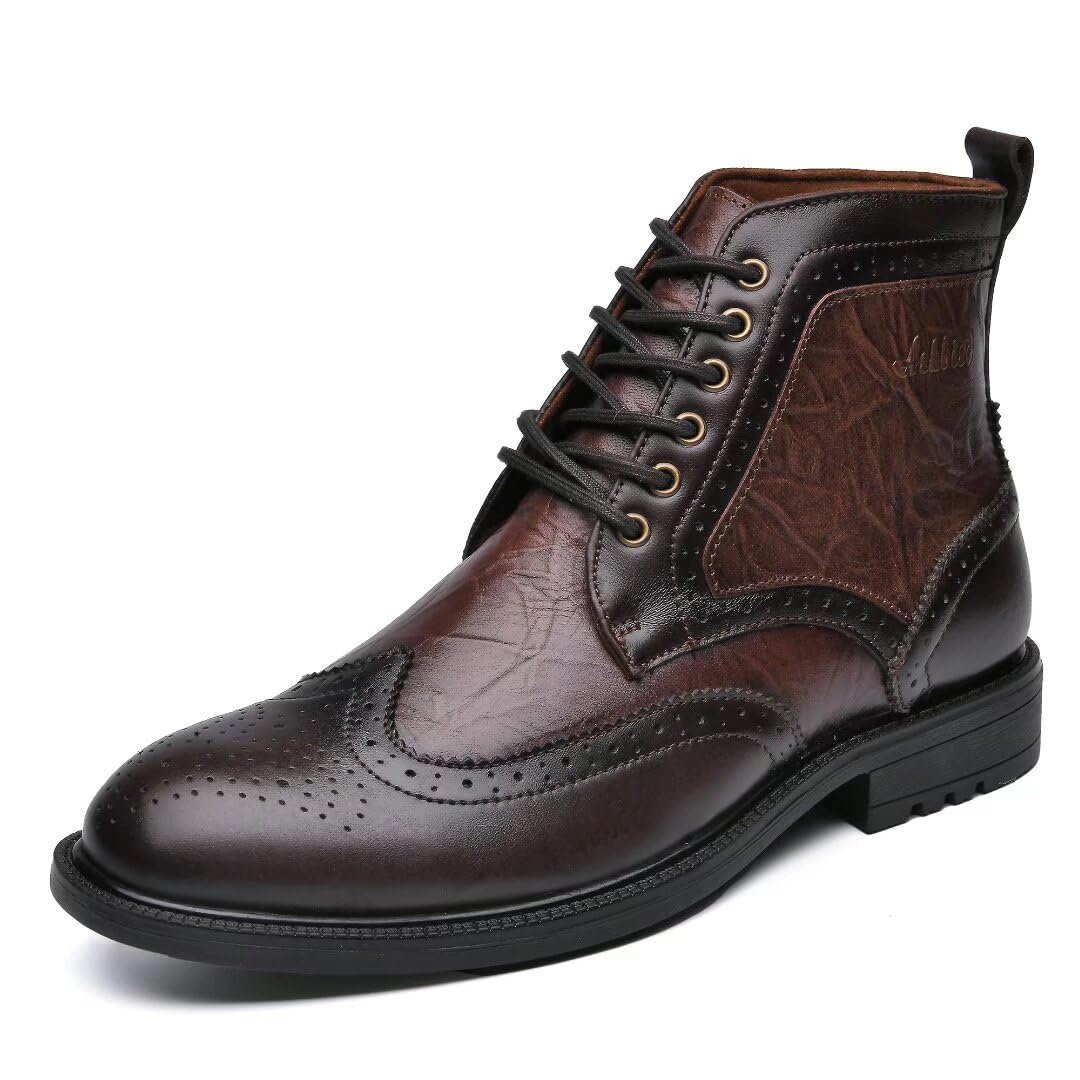


The Buyer Checklist: What Actually Matters
Work through the criteria in this order, because the first two decide whether a boot reads as office wear at all. Fit and comfort come next, since a polished boot that hurts by lunch still fails the code. Traction and weatherproofing finish the list.
A Sleek Profile and a Plain Toe
Start with the silhouette, because a sleek profile and a plain toe are what make a boot read as office wear. A low, close fitting shape slips under a trouser leg and looks deliberate next to a blazer, while a bulky or squared off toe pulls the outfit toward workwear. If a boot would look at home on a job site, it will look out of place in a meeting room.
Smooth Leather That Takes a Polish
The upper decides how formal the boot can look, and smooth leather is the safest choice because it takes an even polish. A polished finish reflects light evenly, which is why smooth leather reads dressier than suede or nubuck at the same price. Suede can work in relaxed offices, but it marks easily and cannot be shined before a big meeting.
Shaft Height and the Trouser Test
Check the shaft against your trousers, because the leg opening of the trouser governs whether the boot shaft hides or bunches. Slim trousers need a lower, closer shaft, roughly the height of a chukka, so the fabric falls clean over the leather. Try the pairing seated as well as standing, since trousers ride up and can catch on a tall shaft.
Fit, Sizing, and Toe Box
Fit decides whether the checklist matters at all, so measure your feet late in the day, when they are largest. The boot should hold the heel without slip and leave room for toes to lie flat, because a pointed dress toe can cramp a wide foot. Most office boots run close to dress shoe sizing, though some run large, so check the maker size guide before ordering. If you are between sizes, the larger size with a thin insole usually wears better through a long day.
Cushioning and All Day Comfort
Look for a cushioned insole and a modest heel that keeps the foot supported without turning the boot into a sneaker. Readers who know a shoe works better for their office can compare best comfortable business casual shoes for the comfort benchmarks a boot should match. A boot that needs a break from your feet by mid afternoon has failed its main job.
Outsole Traction for the Commute
The outsole has to grip wet pavement and lobby floors without looking like hiking gear. A slim rubber outsole or a leather sole with rubber inserts gives that grip while keeping the profile low. Turn the boot over before you buy: if the tread pattern looks like a trail shoe, it will read that way at work too.
Weight and Flexibility
A lighter boot is easier to wear from morning train to last meeting. Very stiff soles protect on rough ground but fight the natural step in hallways, so favor a sole that flexes at the ball of the foot. Weight also tracks with construction, and a cemented sole is usually lighter than a stitched welt.
Waterproofing and Wet Weather
Decide how much rain your commute actually involves before paying for waterproofing. A waterproof membrane keeps slush and puddles out, but it also makes the boot warmer indoors, where you spend most of the day. If your walk is long and your winters are wet, the membrane earns its trade off.
What Your Budget Buys
Prices sort the best boots for business casual into three rough bands, and the product table above shows where current options land. Men who decide a shoe suits their office better can start with best men's business casual shoes instead. Women weighing the same choice can compare best business casual shoes women's before settling on a boot height.
Under About $100
Boots under about $100 usually pair a synthetic or corrected leather upper with a cemented sole. They can look sharp for a season or two, a fair trial if you are trying out whether boots suit your office. Buy them for the look, not for resoling or long service.
About $100 to $200
The middle band is where full grain leather and better insoles become common. Boots here hold a polish longer, crease more cleanly and stay comfortable through a full workday. For most office wearers, this band covers every item on the checklist without paying for heritage construction.
Above About $200
Above about $200, the money buys construction: stitched welts, thicker leather and soles that a cobbler can replace. Those traits stretch the life of a boot across many seasons and lower the cost per wear. Pay this much only if you plan to wear the pair several days a week.
Quick Buyer Checklist
Run these questions before you order, and let a no send you back to the table. Readers whose workplace keeps them on their feet all shift may be better served by best business casual work shoes, which trade some polish for standing support.
- Does the boot have a sleek profile and a plain toe with no heavy broguing?
- Is the upper smooth leather that can take an even polish?
- Does the shaft slide under your narrowest trouser leg without bunching?
- Is there room for your toes to lie flat with the heel held in place?
- Does the outsole grip wet pavement without deep lugs?
- Can you picture wearing the pair for a full day on hard floors?
- Does the color pair with most of your work wardrobe?
Red Flags to Watch For
Watch for these warning signs.
- Chunky lug soles or a squared toe marketed as office wear, a sign the boot was designed for casual use.
- Synthetic uppers with no leather content listed, which scuff quickly and cannot be polished back.
- No size guide or width options, a problem for anyone whose feet fall between standard sizes.
- A warranty measured in weeks rather than seasons tells you how long the maker expects the boot to last.
- Studio photos only, with no side view, so you cannot judge the profile that decides the office look.
Care and Maintenance Tips
Smooth leather boots ask for little: wipe off road salt and dust, then condition the leather every few months so it keeps taking a polish. Let a wet pair dry at room temperature away from direct heat, since heat cracks leather and warps soles. Rotating two pairs rests the insoles and can add seasons to both. A cedar shoe tree is optional, but stuffing the toe with paper helps a dress boot hold its shape.
Your Questions Answered
What features matter most in boots for business casual?
The profile matters most, because a sleek shape and a plain toe decide whether the boot reads as office wear at all. Smooth leather that holds a polish carries the look after that. One test the checklist above does not mention: stand in front of a full length mirror in your most formal work outfit. If the boots are the first thing your eye lands on, they are too rugged for that outfit.
How long does the break in period for leather office boots last?
Most leather office boots soften within about one to two weeks of regular wear. The leather across the toes and around the ankle creases to your stride, and the insole settles under your heel. Speed the process by wearing a new pair at home in the evening before its first full workday. Sharp pain or numb toes are not break in symptoms; they mean the size is wrong.
Do boots for business casual need to be waterproof?
No, most office boots do not need a waterproof membrane. Smooth leather that is kept conditioned sheds light rain during a short walk from the train or the car park. A membrane earns its place when your commute is long, your winters bring slush, or your city sidewalks flood at the curb. Remember that a membrane also runs warm indoors, so it is a poor default for a heated office.
Can boots for business casual be worn all day at work?
Yes, the right pair can be worn all day, provided the insole has real cushioning and the heel height stays modest. The weak point is usually a thin factory insole, and swapping in a cushioned replacement insole is the cheapest comfort upgrade a boot owner can make. If your role involves long walks between buildings, favor the rubber outsole versions. Standing all day on concrete is a different demand, and that is where cushioned work shoes take over.
How should boots for business casual fit?
They should fit snug through the heel and midfoot, with enough length that your toes never press the front on stairs. A small amount of heel movement in a new leather boot is normal and fades as the leather molds to your foot. Try boots on with the socks you actually wear to work, because sock thickness changes the fit by half a size in feel. Width matters as much as length, so choose a wide fitting if the toe box pinches.
Wrapping Up
Judge every candidate against the short list: sleek profile, plain toe, smooth polishable leather, a shaft that works with your trousers, and comfort that lasts the day. The product table above lets you compare current options against that list side by side. Choose the best boots for business casual for the office you actually work in, and the pair will earn its place in the rotation. Prices and availability can change, so check the product page before ordering.


