
Best Boots for Bricklayers in 2026: What Actually Matters Before You Buy
Disclosure: We may earn a commission when you buy through links on this page, at no extra cost to you. As an Amazon Associate I earn from qualifying purchases. Learn more

Mortar, falling blocks and hard ground wear boots out fast. Compare the best boots for bricklayers by toe protection, traction and cushioning.
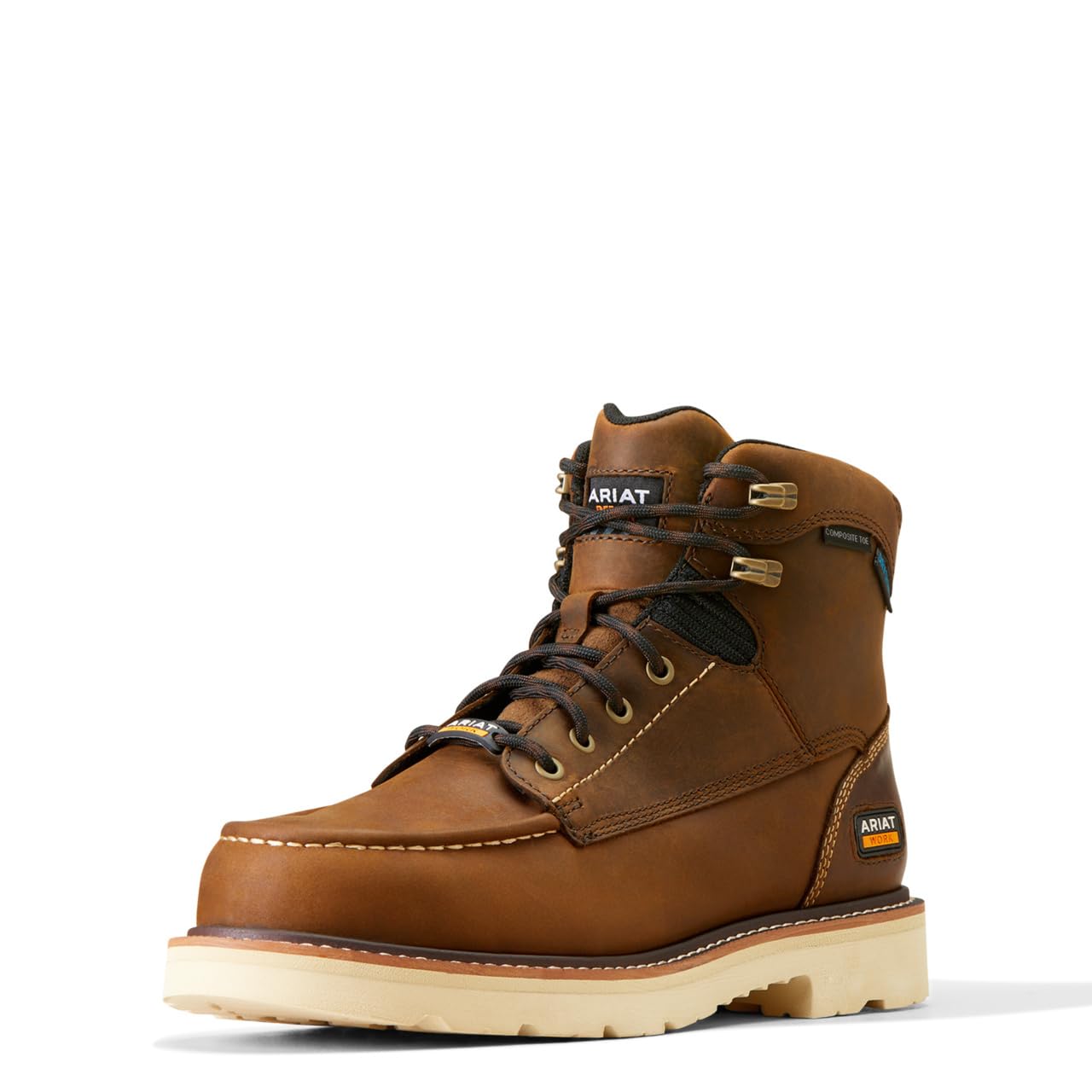
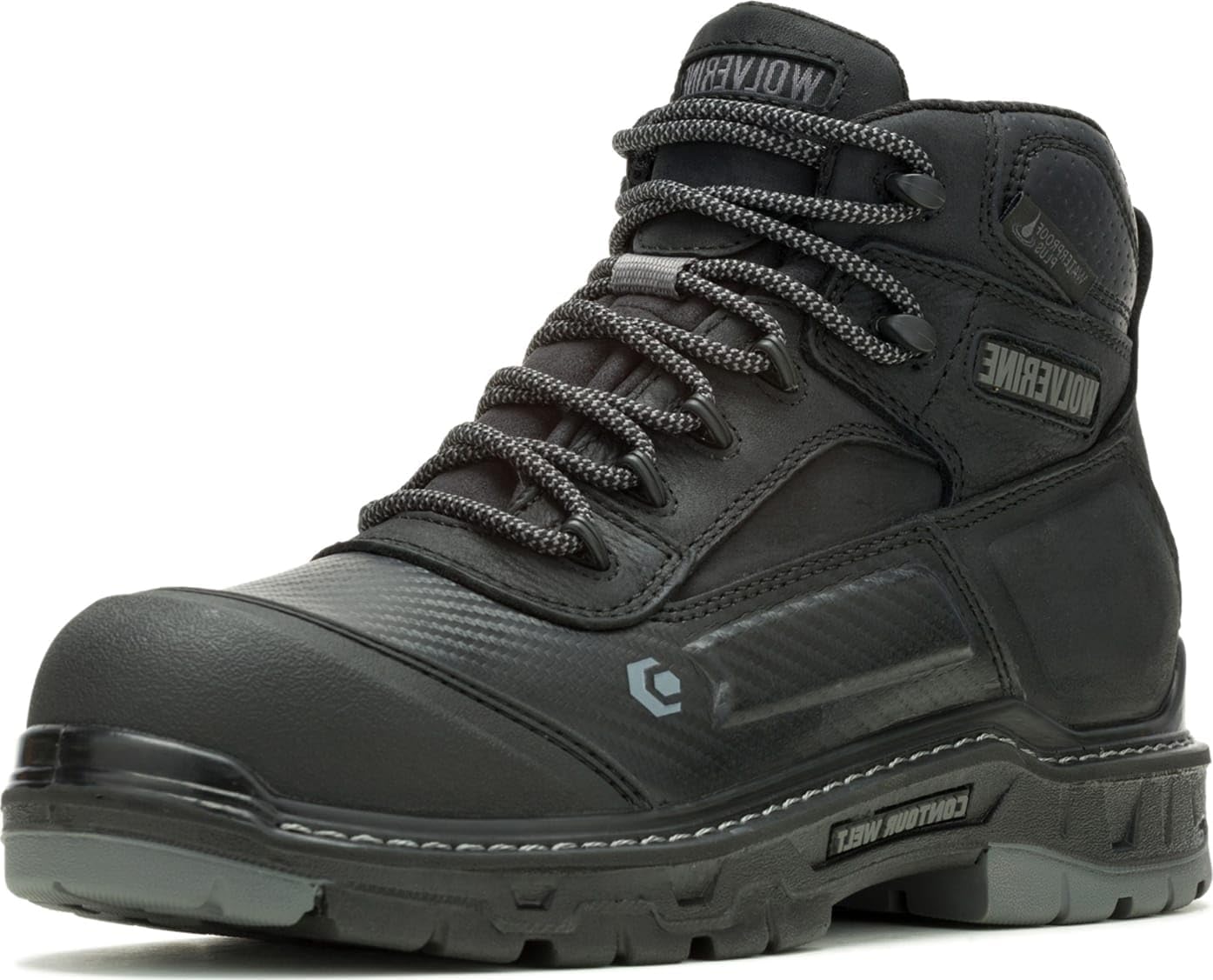
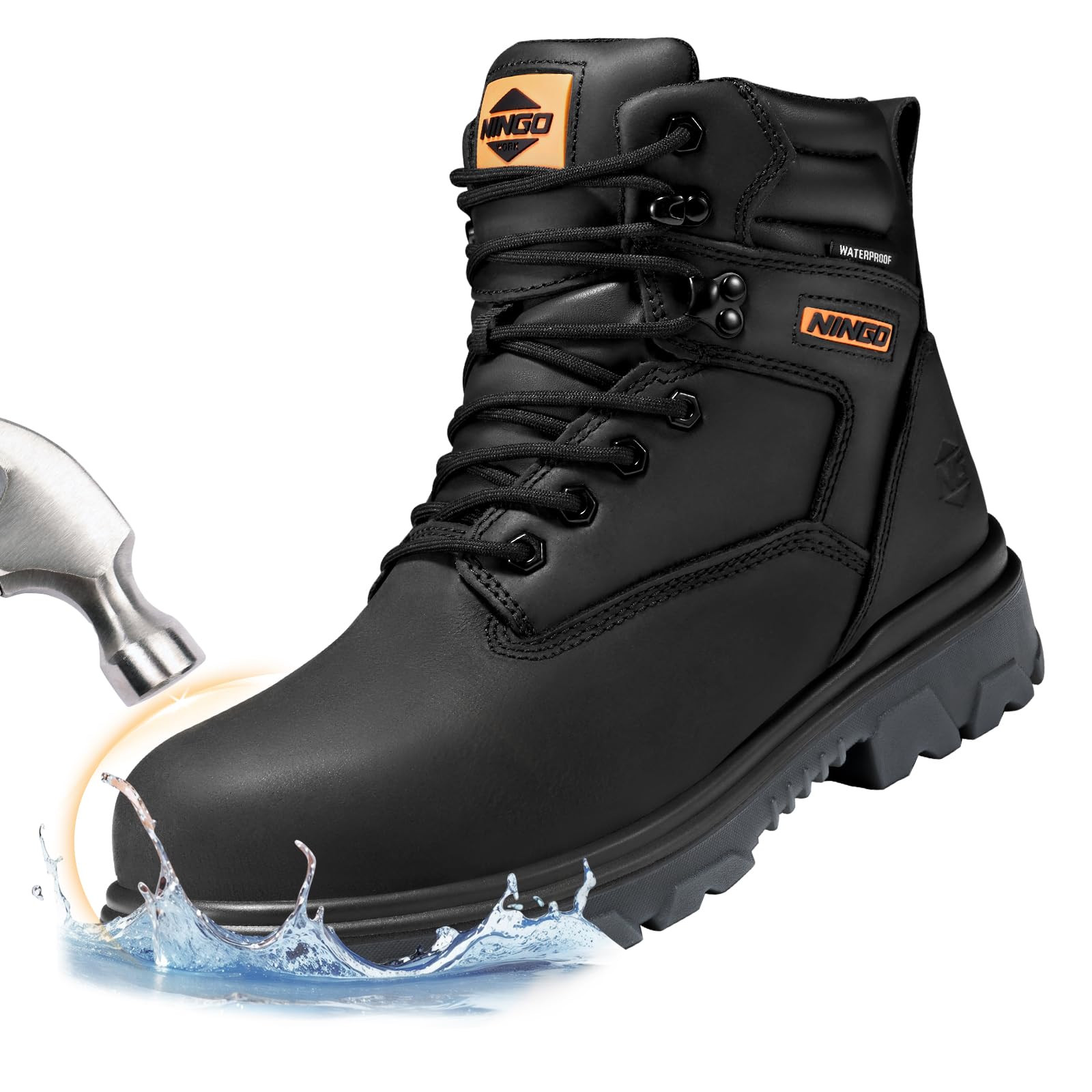
Bricklaying punishes ordinary work boots. You stand on hard slabs, kneel in grit, climb ladders and scaffolds, and splash wet mortar on your footwear all week. The best boots for bricklayers protect your toes, resist that mortar, and still feel steady at the end of a long shift. Use the comparison table below to check each pair against the criteria in this guide.
Start with your real work, not with price or looks. Think about how often you kneel, how wet your sites get, and how much scaffold work you do. The sections below turn those answers into a clear checklist.





Who Should Buy Boots for Bricklayers?
Different masonry jobs wear boots in different places. Match your main job first, then fine tune the details.
Residential Bricklayers Working From Scaffolds
You move between the ground, ladders and scaffold boards, often while carrying bricks or a hod. You need firm ankle support, a sole that grips boards and rungs, and toe protection in case a brick drops. A 6 to 8 inch shaft helps steady your ankle on uneven planks. Choose a moderate weight, because extra weight tires your legs as you climb.
Restoration Masons Who Kneel and Bend Often
You spend long stretches kneeling on stone, concrete or boards while you cut out joints and repoint them. Look for a flexible forefoot, extra abrasion resistance over the toes, and cushioning that does not feel thin when you kneel. A wedge sole or a low lug sole spreads pressure on flat surfaces. Smooth leather also sheds dried mortar more easily.
Apprentices and Laborers Mixing and Hauling Mortar
You mix, carry and clean up, so your boots meet the most wet mortar and the most puddles. Prioritize water resistance, leather that tolerates lime, and a sole you can rinse clean at the end of the day. You also walk the most steps on site, so fit and arch support matter from your first week.
Key Features to Compare
Compare each pair in the same order, starting with protection and ending with comfort. That balance is what separates the best boots for bricklayers from general work boots.
Toe Protection for Falling Bricks and Blocks
A safety toe guards the front of your foot when a brick, block or tool drops from waist height or rolls off a stack. Steel caps offer strong protection in a slim shape, while composite caps weigh less and feel less cold in winter. Either choice should meet the safety standard your employer requires, so check the marking inside the boot. Leave clear space in front of your toes, because a cap that touches them will rub all day.
Resistance to Mortar, Lime and Wet Cement
Wet mortar and cement are alkaline, and they dry leather out, stain it and can crack it if you leave residue in place. Full grain leather with few seams usually tolerates splashes better than suede or fabric panels, which trap grit. A sealed welt and covered stitching also keep slurry out of the boot. Rinse splashes off the same day when possible, because dried residue keeps pulling moisture from the leather.
Outsole Traction and Puncture Protection
Your sole has to grip wet boards, dusty slabs and muddy ground in the same shift. Lugs about 4 to 6 mm deep clear mud well, while a flatter wedge sole feels steadier on scaffold boards and finished floors. Look for oil and slip resistant rubber, stated plainly by the maker. A puncture plate in the midsole helps if your sites have nails and sharp offcuts found in cleanup piles.
Cushioning, Arch Support and Stability on Hard Ground
You stand and walk on concrete for most of the day, so the midsole and insole shape decide how your feet feel by mid afternoon. A firm arch, a cushioned heel and a heel to toe drop of about 8 to 12 mm suit most bricklayers who stand more than they squat. Stability matters more than soft foam, because a sole that rolls on a ladder rung feels unsafe. If you get ongoing foot pain, numbness or tingling, talk with a clinician about your personal needs.
Fit, Sizing and Toe Box Room for Bricklayers
Measure and try boots late in the day, when your feet have spread from hours of standing, and wear your usual thick work socks. Your longest toe needs about a thumb width of space, and the toe box should let your toes lie flat without pressing the sides. Walk, kneel and climb a step in the shop if you can, because a boot that fits while standing can still pinch when it bends. Trust the fit test more than the size number.
Water Resistance, Breathability and Weight
A waterproof membrane such as Gore Tex keeps rain and wet mortar out, which helps on open sites in wet months. The trade off is warmth, because a membrane also slows the escape of sweat on hot days. Unlined leather breathes better in summer but soaks through in standing water. Most suitable boots weigh about 3 to 5 pounds per pair, and lighter pairs help if you climb often. Pick the balance that matches your season.
Boot Builds Compared for Masonry Work
Plain toe boots flex easily and cost less, but they give no impact guard, so save them for low risk tasks away from stacks and lifts. Moc toe boots add room across the forefoot and a raised seam that some masons find comfortable for kneeling, though that seam needs cleaning. Wedge sole boots feel stable on flat slabs, while deeper lug soles grip mud better outdoors.
Construction matters for lifespan. A welted boot joins the upper and sole with stitching, and a cobbler can often replace the sole when the lugs wear smooth. A glued sole build costs less and feels flexible sooner, but the sole is harder to replace. If you want a broader shortlist for daily site use, see our guide to the best work boots for bricklayers.
Quick Buyer Checklist for Bricklayers
Answer these questions before you order. A no on protection or fit should send you back to the comparison.
- Does the toe cap meet the safety standard your site requires?
- Can you rinse mortar off the upper without soaking seams and fabric panels?
- Does the sole pattern suit your main ground, boards, slabs or mud?
- Did you try the boots late in the day with thick work socks?
- Can your toes lie flat and spread inside the toe box?
- Does the boot feel steady when you stand on a step edge?
- Do you have a second pair or a clear plan for drying wet boots?
Common Mistakes to Avoid
- Buying by your shoe size without an afternoon fit test leaves toes cramped once your feet swell on shift.
- Leaving wet mortar on leather overnight dries and cracks the upper long before the sole wears out.
- Choosing deep lugs for mostly flat slab work makes each step feel less steady on boards and ladders.
- Wearing plain toe boots under stacked bricks risks a serious toe injury from a single dropped unit.
- Drying soaked boots on a heater warps the leather and can loosen glued soles.
- Keeping boots with smooth, worn lugs invites a slip on wet concrete or dusty boards.
How to Make Boots for Bricklayers Last Longer
Brush and rinse off mortar and dust after each shift, then stuff the boots with newspaper and air dry them away from direct heat. Rotate two pairs if you work daily, because foam and leather both recover better with a rest day. Condition clean leather when it looks dry, and replace worn laces and flat insoles.
Watch the lugs, the welt stitching and the leather over the toes for cracks or separation. Most pairs used daily need replacement once the sole grips poorly or the midsole feels flat and hard. Wet cement on skin also needs prompt washing, and you should seek medical care for a burn, blistering or skin that stays sore.
FAQ
What features matter most in boots for bricklayers?
Toe protection, mortar resistance and traction matter most in boots for bricklayers. Start with a safety toe that meets your site rules, leather that you can rinse clean, and a sole matched to your main ground. After that, check for a tongue design that keeps grit out, a small point many buyers miss until cleanup.
Can bricklayers wear work boots all day on concrete?
Yes, bricklayers can wear suitable work boots all day on concrete if the fit and support are right. Your feet should not slide forward when you kneel, and your heels should stay seated when you climb. Change your socks at lunch on hot days if you can, because dry socks reduce friction and help prevent blisters.
Do bricklayers need waterproof boots for wet mortar work?
Bricklayers who mix mortar or work in rain benefit most from waterproof boots. If you mostly lay brick under cover in summer, breathable leather may feel better and still handle light splashes. Remember that water can enter over the top of any shaft, so cover your trouser legs in heavy rain rather than relying on the membrane.
How long is the break in period for bricklayer boots?
The break in period for bricklayer boots is usually about one to two weeks of regular wear. Stiff leather and welted soles take the longest, while softer builds settle sooner. Wear a new pair for shorter tasks first and keep your old pair on the truck, so a sore spot does not trap you in boots that still pinch.
Are expensive boots for bricklayers worth the cost?
Expensive boots for bricklayers can be worth the cost if the extra money buys a resoleable welt, better leather or a safer toe cap. Price alone proves nothing, so check what the higher tier actually adds for your job. A modest pair that fits well and gets cleaned daily will often outlast a costly pair coated in mortar.
Our Verdict
Put protection first, fit second and traction third, then choose water resistance and weight for your season. Use the product table above to compare builds in that order, and reject any pair that fails the afternoon fit test.
Chosen that way, best boots for bricklayers means the pair you can work in safely all week, clean in minutes, and trust on ladders, boards and wet ground.


