
Best Boots for Brewers in 2026: Matching the Right Model to Your Routine
Disclosure: We may earn a commission when you buy through links on this page, at no extra cost to you. As an Amazon Associate I earn from qualifying purchases. Learn more

Compare boots for brewers by slip grip, waterproofing, toe protection and support for long shifts on wet brewery floors, with fit and care tips.
There is no single boot that suits every brewer, because a wet brewhouse floor, a hot cellar and a small home setup ask for different things. The best boots for brewers grip when the floor is slick, keep splashes out and feel steady at the end of a shift. This guide matches boot types to the way you brew, so you can read the comparison table below with clear priorities.
Start with your hardest task, not your easiest one. A boot that feels fine for a grain delivery can turn miserable during a full brew day of standing and hosing down.


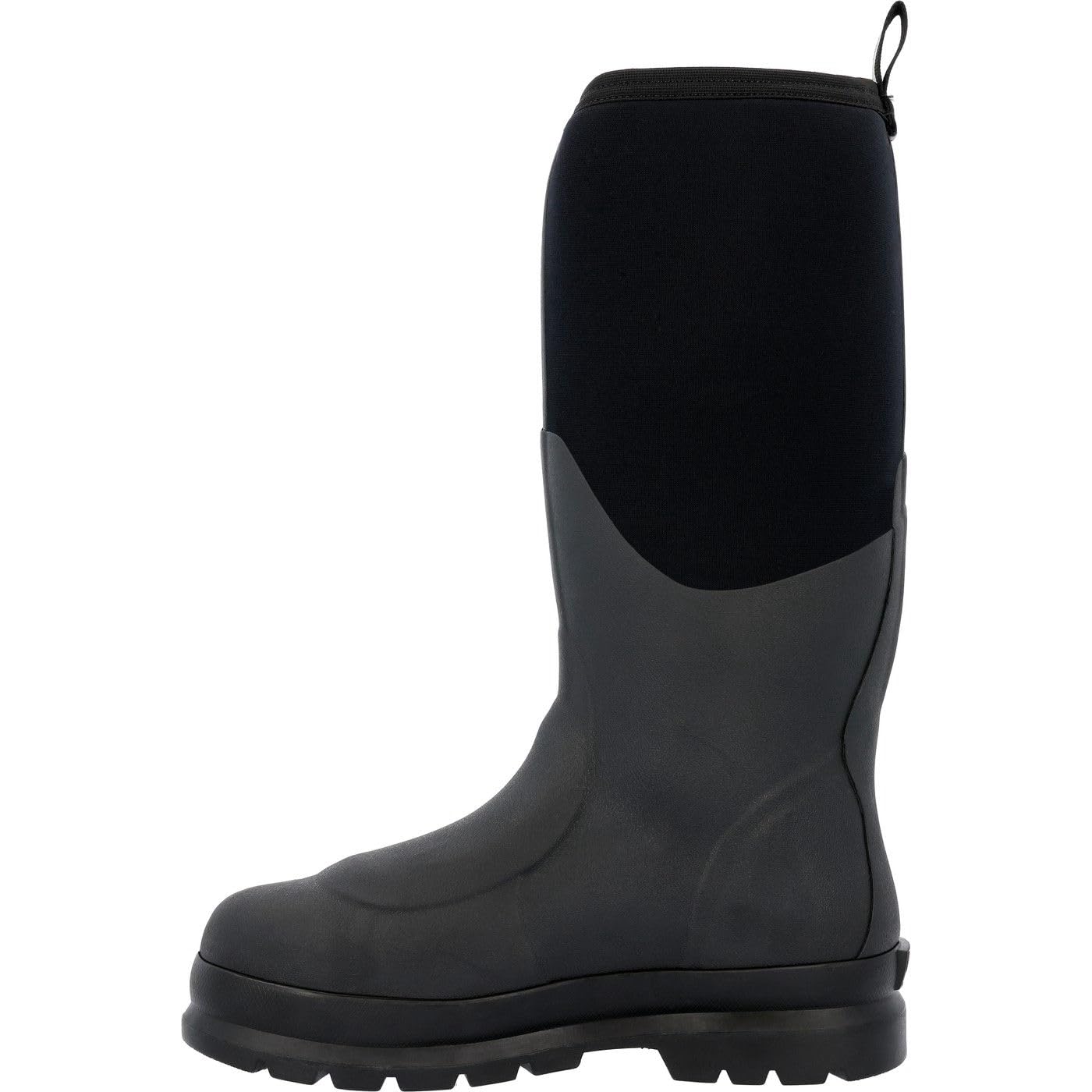


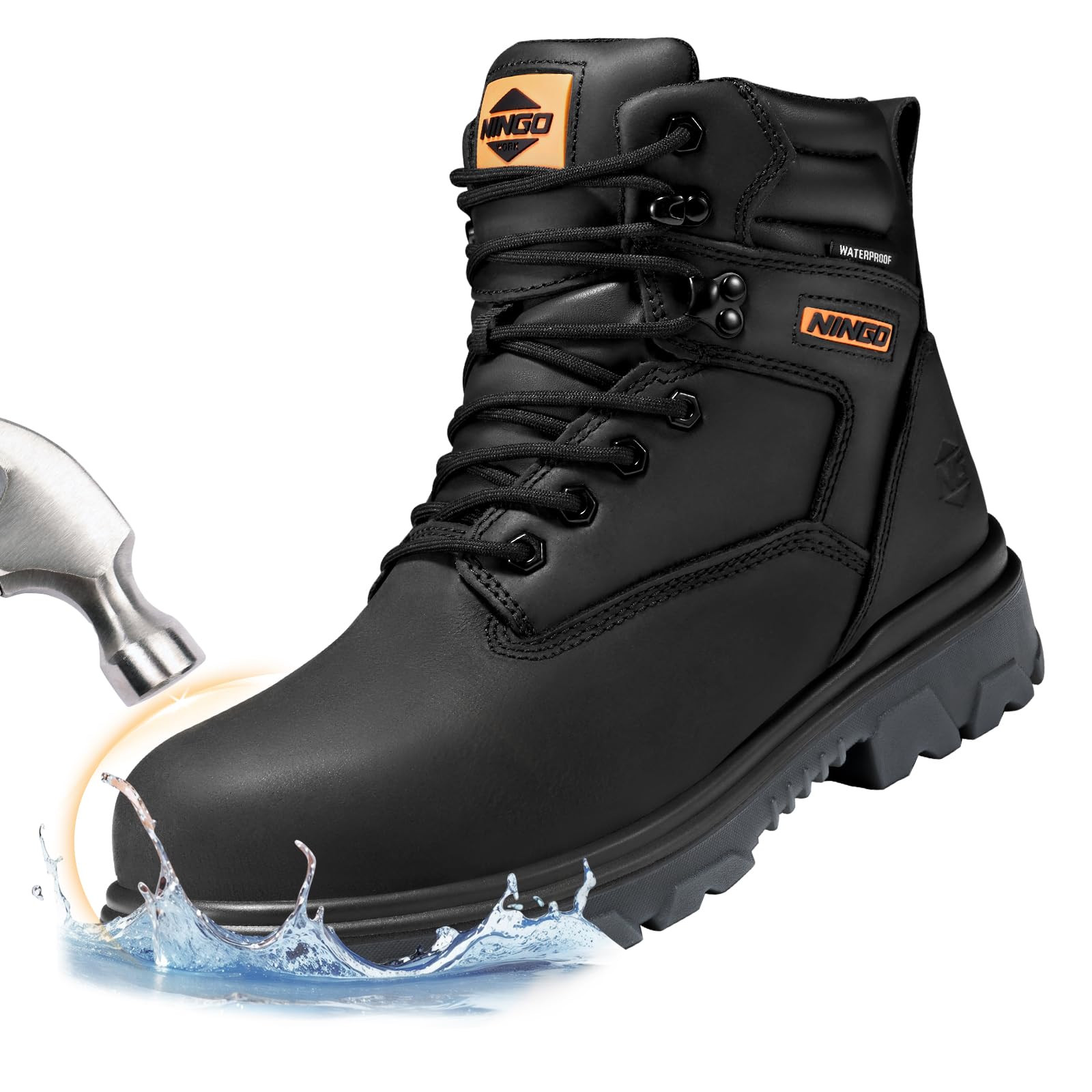
Who Should Buy Which Boots for Brewers?
Pick by the routine you repeat most often, since your floor, liquids and lifting point to the right boot.
Brewhouse and Cellar Brewers on Wet Floors All Shift
You spend hours on concrete wet with water, wort and rinse runoff, in the same pair from mash in to final cleanup. Put a slip resistant outsole and a fully waterproof build at the top of your list, with a taller shaft for hosing floors. Choose firm arch support and cushioning that stays supportive late in the shift, because foam that packs down leaves your feet aching while work remains.
Brewers Handling Caustic Cleaners and Hot Liquids
You work around caustic cleaning solutions, acid sanitizers and hot water during cleaning cycles and scrubbing. Look for uppers and soles described as resistant to the chemicals your brewery uses, with seams high enough to shed splashes. If hot liquid or caustic gets inside a boot, take it off, rinse the skin with clean water and get medical care promptly for burns, blistering or spreading redness.
Brewers Who Move Kegs, Grain and Heavy Equipment
You roll kegs, carry sacks of grain and shift pumps or hoses through the day. A safety toe in steel or composite protects against a dropped keg or rolling cart, and a stable heel and firm shank help when you lift from a low pallet. Ankle coverage adds support on uneven dock edges, and the lightest toe protection that meets your workplace rules will tire your legs least.
Homebrewers and Weekend Brewers in Small Brew Spaces
You brew in a garage, basement or tight corner, stepping around kettles, buckets and cords. A shorter, lighter boot moves more easily than a tall heavy one and stores on a simple mat by the door. You still need real grip on wet concrete and enough waterproofing for splashes and cleanup. Skip tall insulated styles built for winter work outdoors, because they trap heat indoors.
Key Features to Compare
Compare these factors in the same order each time, so price cannot hide a boot that leaks or slips.
Fit, Sizing and Toe Box Room for Brewery Boots
Fit decides whether every other feature can do its job. Try boots late in the day, when your feet are largest after standing, and wear the socks you brew in. You want about a thumb width of space before your longest toe, a heel that stays put as you walk, and a toe box wide enough for your toes to spread on wet steps. If you fall between sizes, the larger size with a supportive insole usually suits long shifts better.
Slip Resistant Outsoles and Tread That Matters for Brewers
The outsole is your contact with floors slicked by beer, wort and cleaning foam. Look for soft rubber and tread with many small edges and channels that move liquid out from under the boot, because tread that holds a film of liquid on smooth concrete can skate. Deep, wide spaced lugs suit outdoor yards but feel clumsy on flat floors, while a broad contact area adds stability when you push a loaded cart.
Arch Support, Cushioning and Stability for Long Shifts
Concrete returns almost no energy, so your boots must absorb the shift for you. A contoured footbed with real arch support spreads your weight across the foot instead of loading only the heel and forefoot. Cushioning should feel firm and springy rather than soft, because very soft foam bottoms out during a full day of standing and carrying. A stiff shank and firm heel counter add stability when you pivot with a full bucket.
Upper Materials and Breathability in a Warm Brewhouse
Full grain leather resists scuffs and splashes and molds to your foot over time, but it needs drying time after a soaking and feels warm in a hot brewhouse. Solid rubber boots shed every splash and rinse clean in seconds, yet they trap heat and sweat in summer. Synthetic uppers with waterproof membranes sit between the two, while mesh and knit breathe best but soak through fast, so they belong outside the wet work area.
Waterproofing, Gore Tex and Other Membranes
Waterproofing only works if the splash line stays below the top of the waterproof layer. A membrane boot built with Gore Tex or a similar lining keeps shallow splashes out while letting some sweat vapor escape, which suits brewers who move between wet and dry areas. For constant hosing and deep puddles, a taller rubber or leather boot with sealed seams gives a higher margin. Any membrane fails once water pours over the collar, so shaft height matters as much as the membrane.
Pull On Boots Versus Lace Up Boots for Brewery Work
Closure style changes fit, speed and sealing. Pull on boots have no laces to soak up wort or catch on valves, and you can kick them off fast if hot liquid gets inside. Their fit is looser around the ankle, so check that your heel does not lift with every step. Lace up boots let you tune fit through the day, snug at shift start and eased off when feet swell by evening, though laces can loosen when wet and hold grime.
Choose pull on styles for wet cellar work with frequent hosing, and lace up styles if your day splits between brewhouse, yard and taproom. Neither style wins for everyone, and the best boots for brewers are simply the ones whose closure matches your most common work.
Common Mistakes to Avoid
Each of these common errors costs comfort or safety later.
- Choosing by price alone leaves you with a smooth outsole that skates on the first wort spill.
- Ignoring toe box room makes your toes jam on wet steps and ache before cleanup ends.
- Buying a short boot for washdown work lets hose spray pour over the collar and soak your socks.
- Skipping the safety toe your brewery requires can bar the boots from the cellar and waste the purchase.
- Wearing new boots for a full brew day without breaking them in invites blisters by mid shift.
Care and Maintenance Tips for Brewery Boots
Rinse your boots with clean water at the end of each brew day, because dried wort, grain dust and caustic residue shorten the life of leather and rubber. Wash mud and husks from the tread so the pattern can grip on the next shift.
Air dry wet boots away from direct heat, since a heater can crack leather and warp rubber. Rotating two pairs gives each pair a day to dry inside, which cuts odor and keeps cushioning springy. Check the outsole monthly, and retire a boot once its tread can no longer channel liquid, because grip lost to wear does not come back.
Boots for Brewers: Your Questions Answered
What features matter most in boots for brewers?
Grip on wet floors matters most, followed by waterproofing that matches your splash level, then required toe protection and arch support. One point buyers miss is tread cleaning: closely spaced tread can pack with grain husks during milling, so pick a pattern you can clear quickly with a stiff brush.
Do brewers need waterproof boots for brewhouse work?
Yes, brewers who hose floors, run cleaning cycles or carry open buckets need waterproof boots. Taproom only work is the main exception, where water resistant leather may be enough. Consider where water lands, not just how much there is: ankle deep puddles around drains call for a taller shaft than light spray near a sink.
Can brewers wear brewery work boots for a full shift?
Yes, brewers can wear well fitted brewery work boots for a full shift of about 8 to 12 hours, if the support is firm rather than soft. Your socks matter more than most buyers expect. A fresh pair at the mid shift break pulls sweat away from damp skin and lowers the chance of hot spots late in the day.
How should boots for brewers fit at the toes and heel?
Boots for brewers should leave space before your toes while holding the heel steady as you walk. Test the fit on a slope or steps, not only flat ground, because your foot slides forward when you step down from a platform with a load. Bring any insole you plan to use, since it raises your foot and can make a roomy boot feel tight.
Are expensive boots for brewers worth the higher price?
Expensive boots for brewers can be worth it when the extra cost buys a resoleable build, stronger leather or a better membrane. Think in cost per brew day: a boot lasting three seasons often costs less per use than a cheap pair replaced every season. Skip paying for insulation you will never use indoors.
How long is the break in period for new brewery boots?
The break in period for new brewery boots is usually about one to two weeks of regular wear for leather styles. Wear them for short tasks first, such as setup and deliveries, before a full brew day. A hot spot rubbing in the same place twice is a fit warning, so adjust lacing or socks before it becomes a blister.
The Bottom Line
Match the boot to your routine first: grip and waterproofing for wet cellar work, toe protection for lifting, and a lighter build for small home setups. Then check fit late in the day with your brewing socks on, and use the product table above to compare shaft height and outsole type.
When you choose best boots for brewers with those checks in mind, you get a pair that stays planted on wet concrete and still feels steady at cleanup. Buy for your hardest brew day, and the boots will serve every shift.


