
Best Boots for Big Guys: A 2026 Checklist for Support and Fit
Disclosure: We may earn a commission when you buy through links on this page, at no extra cost to you. As an Amazon Associate I earn from qualifying purchases. Learn more

Use this guide to choose boots for big guys with wide fit, firm cushioning, stability, strong outsoles and clear sizing checks before you buy.
A larger frame puts more force through every step, so a boot that feels fine on a lighter wearer can flex and wear out fast under you. Finding the best boots for big guys starts with support that stays firm and room where your foot spreads.
This guide uses a simple checklist instead of hype, covering who needs the most support, the features that matter under higher body weight, how to measure and check fit, and the mistakes that cause sore feet. Start with the comparison table below, then judge each pair against your work and your feet.


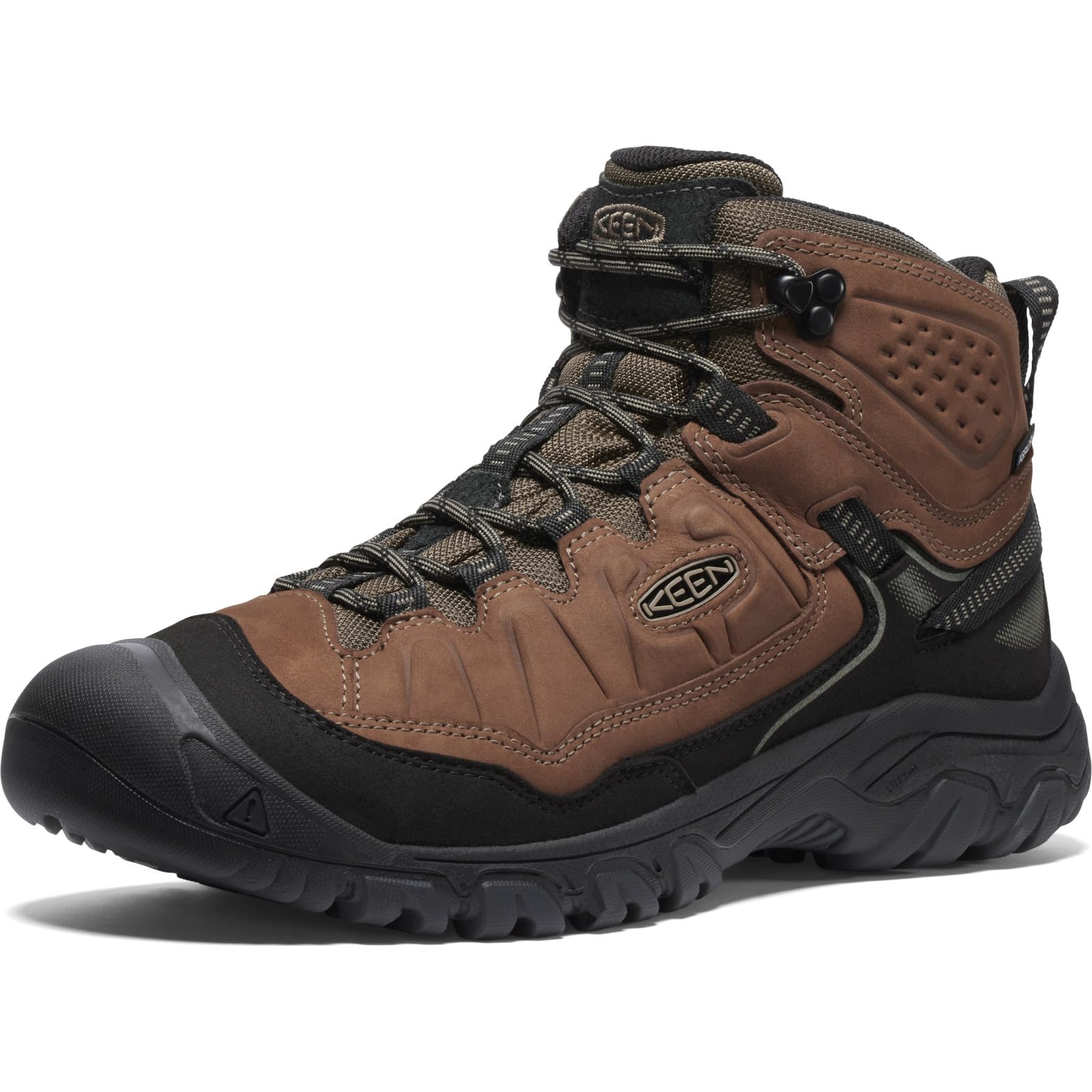


Who Should Buy Boots Built for a Larger Frame
When you compare best boots for big guys side by side, a pattern shows up fast. Models for a larger wearer share a firmer base, a wider fit and stronger materials.
Men Who Stand and Walk Through Long Work Shifts
If you spend long hours on concrete in a warehouse, shop or job site, your boots carry your full weight plus tools and constant turning. You need a stable base and cushioning that stays supportive past midday. If your role has its own safety or uniform rules, see our guide to the best work boots for big guys for job specific needs.
Larger Hikers and Weekend Walkers
On trails, extra weight increases the force on descents and makes a soft boot feel unstable on loose ground. You benefit from a supportive shaft, a grippy outsole with a wide contact area, and toe room for feet that swell as miles add up. If most of your walking happens outdoors, see our guide to the best hiking boots for big guys.
Men With Wide Feet and Mixed Sitting and Standing Days
Many larger men have wide, high volume feet that swell during the day, even in jobs that mix desk time with walking. A standard width boot can pinch the forefoot while the heel slips, causing blisters and numb toes. Look for true wide sizes rather than a longer size.
Key Features to Compare
Use these five factors in order. Fit and support come first, because no tread pattern can rescue a boot that lets your foot slide or your arch drop.
Stability and Shank Support Under Higher Load
Stability is how well the boot keeps your foot level instead of letting it roll inward or outward with each step. A firm shank, the stiff layer between the midsole and outsole, limits twisting and spreads force across the foot. Under a heavier wearer, a weak shank flexes too much, and that extra movement tires your ankles and knees. Choose a boot that feels hard to twist by hand.
Cushioning and Arch Support That Hold Their Shape
Cushioning under a larger body compresses more, so very soft foam can bottom out and leave your heel and forefoot taking the impact. A denser midsole with a shaped insole absorbs shock while holding your arch up through a long shift. Arch support matters most if your feet flatten as you stand. If stock insoles feel thin, pick a boot with removable insoles for a firmer replacement.
Toe Box Room and True Wide Sizing
A toe box with enough width and height lets your toes spread under load, which improves balance and prevents pinched forefeet. True wide sizing widens the whole last, the form the boot is built on, while a standard boot in a bigger size only adds length and can leave your heel loose. If your toes touch the sides when you stand, the boot is too narrow.
Outsole Grip and Durability Under Extra Weight
The outsole takes more abrasion and braking force from a heavier wearer, so rubber compound and lug depth decide how long grip lasts. Deeper lugs, often about 4 to 5 mm on outdoor styles, bite into gravel and mud, while flatter patterns suit smooth floors. Harder rubber usually wears more slowly but can feel less grippy on wet tile. Look for a strongly bonded sole join, since separation at the toe is a common early failure.
Upper Materials, Breathability and Waterproofing
Full grain leather is tough and molds to your foot over time, but it is heavier and warmer. Synthetic panels and mesh run cooler and lighter, yet they can tear sooner where the boot bends. A waterproof membrane keeps rain out and traps heat, so it suits wet or cold work better than hot shifts. For hot conditions, choose a breathable upper without a membrane.
How to Measure Your Feet and Check Boot Fit
Measure both feet late in the day, when they are at their largest, wearing the socks you plan to use. Stand on paper, trace each foot, then measure the longest length and widest width. Use the larger foot as your guide, and compare your numbers with the wide fitting chart for that brand.
Before you commit, run a short fit check. Your toes should have about a thumb width of space in front, your heel should lift only slightly, and the boot should hold your midfoot firmly without squeezing. Walk down a slope if you can, since toes jamming forward is the clearest sign you need more length.
Choosing a Boot Style for Your Main Use
Height, weight and closure decide how much support you get. Taller boots support the ankle on rough ground, while shorter boots run cooler for driving and errands.
Best Tactical Boots for Big Guys
Tactical styles suit uniform work, security roles and long shifts where you need support with less bulk than a traditional work boot. For a larger wearer, check for a wide, stable base that will not roll during fast turns, firm cushioning that survives a shift on pavement, and a shaft that supports the ankle without digging into a larger calf. Test the fit with the laces fully tightened, even on styles with side zips.
Final Fit Checks Before You Order Boots in Wide Sizes
Answer these questions before you buy. A no on the first three means you should keep looking.
- Does the boot come in a true wide size matching your measured width?
- Is the shank firm enough that the boot barely twists by hand?
- Does the cushioning feel supportive rather than spongy?
- Is there a thumb width of space before your longest toe?
- Does the outsole pattern match your usual floors or ground?
- Is the upper breathable for heat or waterproof for wet work?
- Can you return the boots after a trial walk if the fit feels wrong?
Common Mistakes to Avoid
- Buying your usual shoe size without measuring, because boots for a larger frame often fit differently and the wrong size leads to blisters.
- Choosing the softest cushioning in the shop, because plush foam can bottom out under higher weight within weeks.
- Going a size longer to get width, because the extra length lets your foot slide and bruises your toes on slopes.
- Trusting a listing with vague claims and no size chart, because missing specs often hide a boot built for lighter use.
- Wearing new boots for a full shift or long hike, because stiff materials need gradual wear and a long first day causes painful rubbing.
- Ignoring outsole wear that is heavier on one side, because uneven wear changes how your foot lands and strains your knees.
Care and Maintenance for Boots Worn by Larger Men
Brush off dirt after use and loosen the laces so air can move through the boot overnight. Dry wet boots at room temperature away from direct heat, stuffed with newspaper to draw out moisture. Rotating two pairs on work days gives each pair time to dry and lets the cushioning recover. Leather uppers last longer with occasional conditioner.
Replace insoles when they stay flat after a night out of the boot, since a compressed insole no longer supports your arch. Check laces, eyelets and the sole join each month, and fix small separations early. When lugs wear smooth at the heel or forefoot, grip is gone, and it is time to replace the pair.
Boots for Big Guys: Your Questions Answered
What features matter most in boots for a larger man?
Stability, firm cushioning and true wide fit matter most, in that order. One point many buyers miss is collar padding at the top of the shaft. A larger calf can press hard on a stiff collar edge, so look for padding there.
How should boots fit a big guy with wide feet?
Boots should hold the midfoot firmly, leave room for toes to spread, and keep heel movement small. A useful extra technique is the heel lock, where you use the top eyelets to form a loop on each side and pull the laces through to anchor your heel. This helps when your forefoot is wide but your heel is narrower.
Can a big guy wear the same boots all day?
Yes, a big guy can wear well fitted boots all day if the support stays firm and the fit leaves room for swelling. Fresh socks at midday reduce friction and moisture during long shifts. If your feet ache in the first hour rather than the last, the problem is fit or support.
How long does the break in period last for sturdy boots?
The break in period for sturdy boots usually takes about one to two weeks of short wear. Start with an hour or two indoors, then add time each day as the upper softens. Blisters during this stage usually mean the heel is moving, so adjust your lacing first.
Are expensive boots worth it for heavier men?
Expensive boots are worth it for heavier men when the cost buys a firmer shank, denser cushioning and a resoleable build. Many supportive pairs fall around $100 to $250, and a resoleable boot can gain extra years from one repair. Price alone proves nothing, so judge fit first.
Our Verdict
For a larger wearer, the formula is simple: a firm, stable base, cushioning that holds its shape, and a wide fit with real toe room. Match the outsole and upper to your ground and climate, measure in the evening, and use the product table above to compare your shortlist. Chosen well, the best boots for big guys should feel steady from the first step and stay supportive long after lighter styles give up.


