
Best Boots for Bad Knees: A First Time Buyer's Guide for 2026
Disclosure: We may earn a commission when you buy through links on this page, at no extra cost to you. As an Amazon Associate I earn from qualifying purchases. Learn more

Learn how to choose the best boots for bad knees with plain English guidance on cushioning, support, fit, sizing, and daily comfort for first time buyers.
Buying boots when your knees ache can feel confusing, especially if this is your first pair bought for comfort rather than looks. This guide starts with the basics, explains each spec in plain English, and shows you what actually matters. If you want the best boots for bad knees for your daily life, the comparison table below is a good place to start comparing cushioning, support, and fit side by side.
You do not need technical knowledge to choose well. You need to know how a boot holds your foot, how it softens each step, and how it fits your real routine.

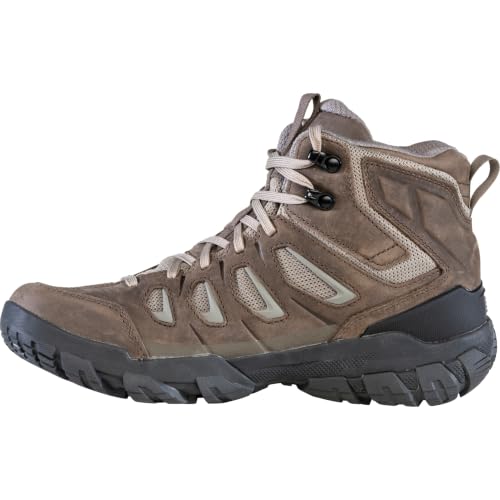


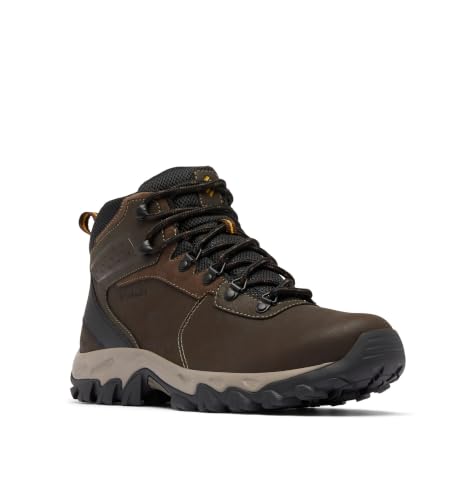
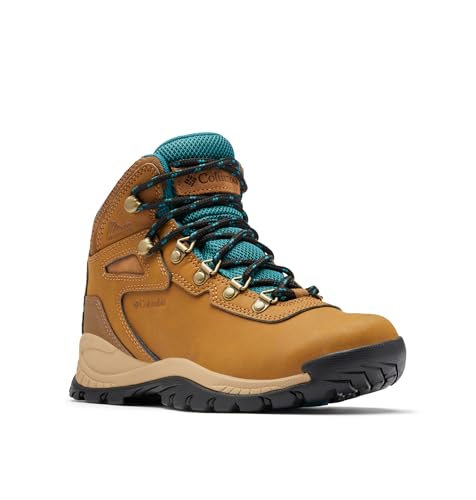

Boots 101: The Basics for New Buyers
A boot is footwear that covers the foot and part of the ankle, and often part of the lower leg. That extra height matters because the collar and laces can hold your heel and ankle more securely than a low shoe. When your foot stays steadier, your knee does less small correcting work with each step.
A few terms appear on almost every product page. The midsole is the layer under your foot that provides cushioning. The outsole is the rubber layer that touches the ground and provides grip. The insole is the removable insert inside, and the upper is everything above the sole.
Boots for bad knees are not a medical treatment, and no boot can fix a knee condition on its own. What the right pair can do is soften impact, reduce wobbling, and make walking feel more predictable. If you have sharp pain, swelling that does not settle, a knee that locks or gives way, numbness, or pain after a fall, see a doctor promptly and talk with your clinician about your personal needs.
Your use case shapes the right choice. If your job keeps you standing and walking on hard floors all shift, see our guide to the best work boots for bad knees for needs tied to long workdays.
Key Specs Explained in Plain English
The product table above lists many specs, but only a handful drive knee comfort. When you compare the best boots for bad knees, focus on how each boot cushions impact, steadies your foot, and fits, before you worry about color or styling.
Features That Matter Most for Sore Knees
Cushioning is the softness under your heel and forefoot that absorbs force when your foot lands. A moderately thick, resilient midsole usually serves sore knees better than a thin, hard sole, because it spreads the load of each step. Very soft foam can feel plush in the store yet bottom out on long walks, so look for cushioning described as responsive or supportive rather than only soft.
Stability is how well the boot keeps your foot from rolling inward or outward as you move. A firm heel counter, a wide base, and a sole that resists twisting help your foot stay centered. Arch support matters as well, because a supported arch helps your foot, ankle, and knee stay in better alignment. If you use inserts, check that the insole removes easily so yours fits without crowding.
Fit, Sizing, and Toe Box
Shop for fit late in the day, when your feet are at their largest, and wear the socks you plan to use most. Your heel should feel held without slipping, your midfoot secure without pressure on top, and your toes should have room to spread. A roomy toe box helps because cramped toes change how your foot rolls forward, and that change travels up to your knee.
Leave about a thumb width in front of your longest toe, since feet slide forward slightly on slopes and long walks. Sizes vary between brands, so measure both feet and follow the chart for that specific boot. If you fall between sizes, the larger size with a thicker sock is usually easier to adjust than a boot that starts out too small.
Upper Materials and Breathability
Leathers feel sturdy, mold to your foot over time, and protect well, but they can feel warm and need more break in time. Mesh and knit uppers feel lighter and more breathable, which helps if your feet run hot. Many boots mix both, using leather where support is needed and mesh where airflow helps most.
Breathability affects comfort on long days, because hot and damp feet slide more inside a boot, and sliding adds friction and instability. If you mostly walk in dry and warm conditions, a breathable upper is often the smarter pick.
Weight and Flexibility
Every extra ounce on your feet adds work for your legs over thousands of steps. Lighter boots usually feel easier on sore knees during daily walking, errands, and travel. Heavier boots earn their weight when you carry loads or walk rough ground where protection and a stiff sole matter more.
Flexibility is about where the boot bends. A good boot bends at the ball of the foot, where your own foot bends, and stays firm through the middle. If the whole sole folds easily in your hands, it likely offers little support on long walks.
Waterproofing With Gore Tex and Membranes
Waterproof boots use a membrane inside the upper that blocks rain and puddles while letting some sweat vapor escape. Gore Tex is the best known name for this kind of membrane, and many brands use their own versions. This protection helps if you walk in rain, wet grass, snow, or muddy work sites.
The tradeoff is airflow, because a waterproof boot almost always feels warmer and dries more slowly than a non waterproof one. Choose waterproofing when your weather truly calls for it, and choose a breathable build when dry comfort matters more.
Choosing Boots for Your Daily Routine
Start by naming your main use in one sentence, such as walking the dog on pavement, standing at a workbench, or hiking easy trails on weekends. Pavement and concrete reward maximum cushioning, while packed trails reward grip and ankle hold, and indoor floors reward lighter weight.
For trail days, fit and traction move to the top of the list, so see our guide to the best hiking boots for bad knees if most of your walking happens on dirt, gravel, or uneven ground. Trail boots often have deeper lugs and sturdier uppers, which can feel stiff and heavy on flat sidewalks.
On rest days, give your knees a break from structured boots and rotate between two pairs so cushioning has time to recover.
Think about your whole week of movement, not just the boots. Low impact exercise can help you stay active on days when long walks feel like too much. If indoor training appeals to you, see our guide to the best elliptical for bad knees for a joint friendly way to keep moving at home.
Rookie Mistakes to Avoid
First time buyers tend to make the same few errors, and each one is easy to avoid once you know it.
- Buying by looks alone, which leaves you with a stylish boot that has a thin sole and little support for sore knees.
- Choosing a size based on your shoe size without measuring, which often leads to heel slip or cramped toes that alter your stride.
- Picking the softest sole in the store, which can feel great for five minutes and then feel flat and unstable on a long walk.
- Ordering waterproof boots for dry indoor use, which traps heat and sweat and makes long days less comfortable.
- Wearing a brand new pair for a full workday or long hike right away, which invites blisters and sore feet during the break in period.
- Ignoring return policies, which matters because the true test of fit only happens after real walking on your normal routes.
Getting Started: Setup and First Use
When your boots arrive, wear them indoors first with your usual socks for an hour or two. Check for heel slip, pressure on top of your foot, and any spot that rubs. Lace from the bottom up with even tension, snug at the midfoot and firmer at the top hooks, so your heel stays seated.
Build up wear time over the first week, adding an hour or two each day and keeping early walks short and on flat ground. This gradual start lets the upper soften and lets your legs adjust to the new support. If one spot keeps rubbing, thicker socks or a lacing pattern that skips the sore eyelet can help while the material relaxes.
Plan indoor walking options for bad weather days as well. If a home setup fits your space and budget, see our guide to the best treadmills for bad knees for indoor walking that is gentler than road work.
After each wet outing, pull the insoles out and air dry your boots at room temperature, away from direct heat. Heat can crack leather and warp glues, while slow air drying protects the materials.
Boots for Bad Knees: Your Questions Answered
What features matter most in boots for bad knees?
Cushioning, stability, and fit matter most in boots for bad knees. Look for a resilient midsole, a firm heel counter, solid arch support, and a fit that holds your heel while leaving your toes room. One extra detail is sole width, because a broader base under the heel can feel steadier on uneven pavement.
How long does it take to break in boots for bad knees?
Most boots for bad knees take about one to two weeks of gradual wear to break in. Light mesh or knit styles may feel good within a few days, while stiff leather styles can take longer. A useful sign is that pressure spots fade instead of growing, and a blister that keeps returning means the fit is likely wrong.
Can I wear boots for bad knees all day?
Yes, you can wear boots for bad knees all day once they are broken in and the fit is right. Start with shorter days, bring a spare pair of socks, and rest your legs when you can. If your feet slide inside the boot by evening, try a thinner insole or a different sock weight, since small volume changes alter hold.
How often should I replace boots for bad knees?
Replace boots for bad knees when the cushioning feels flat, the outsole tread is worn smooth, or the upper no longer holds your heel securely. For daily walkers that point often arrives after about 300 to 500 miles. A simple check is to look from behind on a flat surface, because a heel that leans to one side signals worn support.
How should boots for bad knees fit?
Boots for bad knees should fit snugly at the heel and midfoot, with wiggle room for your toes and no pressure points. Your toes should not hit the front when you walk downhill. Also check fit while standing rather than sitting, because your feet spread under your full weight and that spread changes the true size you need.
Are expensive boots for bad knees worth the cost?
Expensive boots for bad knees can be worth the cost when the extra money buys better cushioning materials, sturdier construction, and a more precise fit. Many solid choices cost about $150, while higher prices often add premium leather or lighter build quality. Price alone cannot tell you fit, so a mid priced boot that fits your foot shape will serve your knees better than a costly one that does not.
Final Thoughts
For a first purchase, focus on three things: cushioning that stays resilient, stability that keeps your foot centered, and a fit with a secure heel and a roomy toe box. Use the product table above to compare those points, and remember that stability and support shoes and boots work best alongside rest, sensible walking distances, and advice from your clinician when pain changes.
Take your time, measure your feet, and break your boots in gradually. When you find the best boots for bad knees for your routine, daily steps tend to feel steadier, softer, and easier to repeat.


