
Best Boots for Arthritis in 2026: Everything to Know Before Your First Purchase
Disclosure: We may earn a commission when you buy through links on this page, at no extra cost to you. As an Amazon Associate I earn from qualifying purchases. Learn more

New to buying boots? Our simple guide to the best boots for arthritis explains the basics, key specs, and smart tips so your first purchase is the right one.
Buying boots sounds simple until stiff toes, aching arches, or swollen ankles turn every pair into a guess. The best boots for arthritis protect sore joints instead of squeezing them, and they go on without a fight. This guide walks you through fit, cushioning, and support in plain language.
Learn what each feature does, decide which ones match your daily walks and weather, and then use the comparison table below to narrow your short list with confidence.


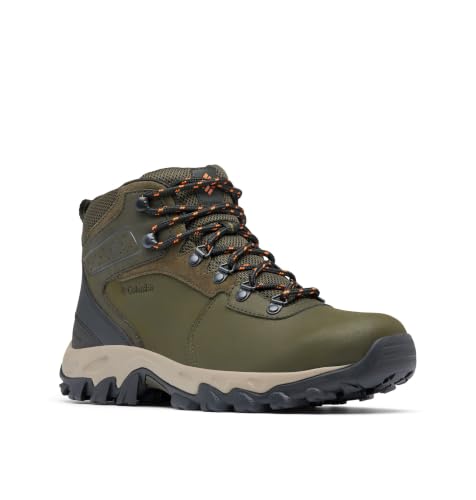


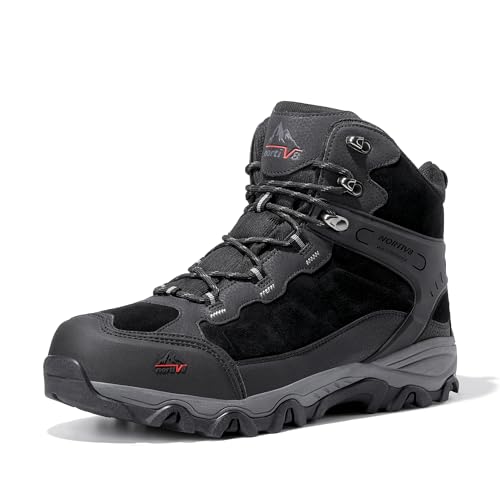

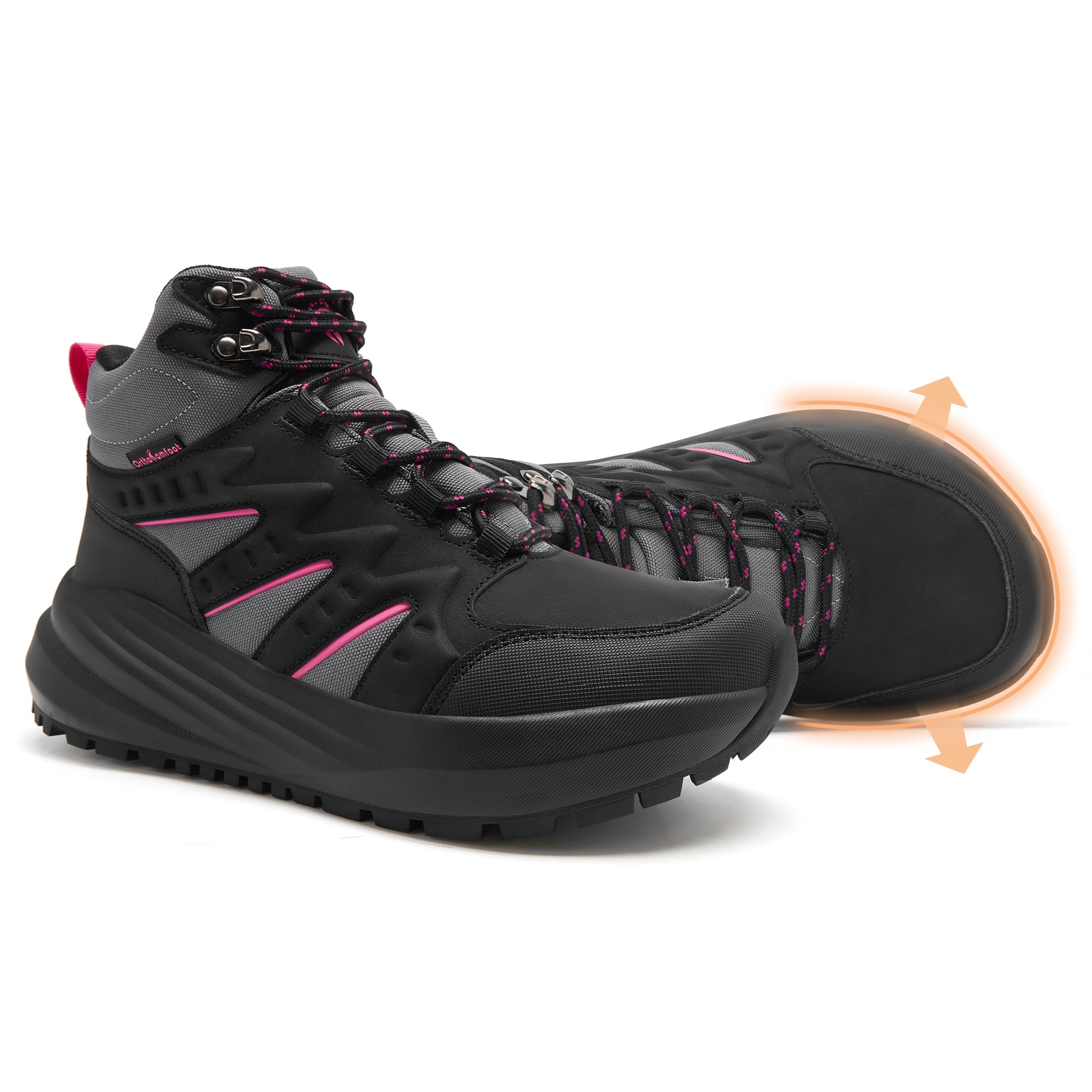

Boots 101: The Basics for Arthritic Feet
A boot is a shoe that rises above the ankle, and that taller shape can steady your step and shield your foot from cold and rain. For arthritic feet, the details inside matter more than the height outside. Room at the toes, soft cushioning underfoot, and a sole that bends with your stride decide whether a walk feels manageable or miserable.
Arthritis often changes shape as well as comfort. Toes may drift, the arch may flatten, and feet may swell as the day goes on. That is why the best boots for arthritis are judged by how they handle your feet at their sorest.
Who Should Buy Which Boots for Arthritis?
Start with the joint that bothers you most. Different pain patterns point to different shapes and soles.
Walkers With Stiff Toes and Forefoot Pain
If bending your big toe hurts, look for a roomy toe box and a sole with a gentle curve at the front that helps your foot roll forward. Stiff soles that force the toe to bend sharply can end a walk early. Padded collars and soft linings also help when toe tops rub.
Shoppers With Aching Arches and Ankles
If your arches tire and your ankles feel unsteady on uneven pavement, choose firm support through the middle of the foot and a stable heel. Boots that twist easily in your hands often feel wobbly under you. If you stand on hard floors at work, see our guide to the best work boots for arthritis for shift length needs.
Buyers With Stiff Hands Who Dread Laces
Hand arthritis can make knots, small eyelets, and tight openings the hardest part of getting dressed. Choose a wide opening, large pull loops, and a side zip or hook and loop straps you can close with a flat palm. Sit on a firm seat while you dress, and see our guide to the best chairs for arthritis for choosing that seat.
Five Boot Specs That Matter for Sore Joints
Compare these five factors in order. Together they cover how a boot fits, supports, and moves with sore joints.
Cushioning and Shock Absorption Underfoot
Cushioning is the soft layer between your foot and the ground, and it spreads the force of each step so one sore spot does not take the whole load. Look for a thick insole that still feels supportive after a hard thumb press. Very thin padding lets heel pain build, while overly soft foam can feel unstable on slopes. If you use inserts from a clinician, choose a removable insole with enough depth to swap it out without crowding your toes.
Toe Box, Fit, and Sizing for Swollen Joints
The toe box is the front pocket where your toes rest, and arthritic toes need width and height, not just length. Your longest toe should clear the end, your toes should spread without pressing the sides, and the top should not rub raised joints. Shop late in the day, when swelling is at its usual worst, and bring the socks you plan to wear. If one foot is larger, fit that foot and use a thicker sock on the smaller side.
Arch Support, Stability, and Heel to Toe Drop
Arch support holds the middle of your foot so your ankles and knees track in a steadier line. Flat feet often need firmer support, while high arches often need more cushioning with gentle support. Heel to toe drop is the height difference between heel and forefoot, and a modest drop of about 8 to 12 mm suits many walkers. Seek medical care promptly for a joint that turns red and hot, sudden swelling, fever with joint pain, new numbness, or a sore that does not heal, and talk with your clinician about the support and drop that fit your personal needs.
Easy Entry, Light Weight, and Flexibility
A boot you cannot put on easily will sit in the closet, however good its specs look. Wide openings, stretch panels, and closures you can work with limited grip all lower the effort of dressing. Weight matters too, because heavy boots tire sore legs and lift stiff knees higher with every step. Flex the boot by hand before you buy. It should bend near the toes, resist twisting through the middle, and feel balanced at the heel.
Outsole Grip and Breathable or Waterproof Uppers
The outsole is the rubber bottom that meets the ground, and deep, multidirectional lugs grip wet leaves, gravel, and slick store floors better than a flat tread. A breathable upper uses mesh or soft leather that lets heat escape, which helps feet that swell in heat. Waterproof boots use a sealed lining that keeps rain out, but they hold more warmth. Choose waterproofing for wet commutes and breathable uppers for dry climates and indoor wear.
How to Measure Your Feet and Check the Fit at Home
Measure both feet in the afternoon while standing, because feet lengthen and swell under your weight during the day. Trace each foot on paper, measure from heel to longest toe, and compare the numbers with the brand size chart rather than trusting your usual size. Inserts and thicker socks can move you up a half size.
When a pair arrives, wear it indoors on clean floors for short periods over several days. Walk on hard floors and carpet, climb a few steps, and check for heel slip, toe pressure, and rubbing at raised joints. At home, rotate into supportive house footwear after walks, and our guide to the best slippers for arthritis covers indoor options.
Rookie Mistakes to Avoid
- Buying your morning size leaves no room when swelling builds by afternoon.
- Choosing pointed or shallow toes presses raised joints and can end walks early.
- Picking the softest insole you can find can leave ankles unsteady on uneven ground.
- Fighting with tight laces every day strains stiff fingers and discourages regular walks.
- Wearing new boots on a long outing first risks blisters and a flare of soreness.
- Ignoring a worn or smooth outsole raises your chance of slipping on wet floors.
Care and Maintenance for Boots Worn With Arthritis
Loosen closures fully and air dry wet boots at room temperature, away from direct heat that can crack leather and warp cushioning. Pull the insoles out so trapped moisture escapes, and stuff damp boots loosely with plain paper to hold their shape. Brush dried mud from the outsole lugs, because packed treads grip poorly.
Clean leather with a damp cloth and a mild cleaner made for footwear, then let it dry before conditioning if the maker advises it. Rotate between two pairs when you walk daily, giving each pair a day to dry inside. Store boots upright in a cool, dry place, and check heel counters and seams for wear.
Boots for Arthritis: Your Questions Answered
What features matter most in boots for arthritis?
A roomy toe box, steady arch support, and easy closures matter most in boots for arthritis. One point new buyers miss is collar padding at the back of the ankle, which protects the Achilles area where many boots rub during the first weeks. Check that the collar feels soft when you point and flex your foot, not only while standing still.
Do I need waterproof boots for arthritis?
You need waterproof boots for arthritis only if your walks regularly cross rain, puddles, or wet grass. Dry feet stay warmer, and warm joints often feel less stiff outdoors in winter. On mostly dry routes, a breathable pair plus a water resistant spray on leather can be enough, and it will feel cooler during long indoor errands afterward.
How long is the break in period for boots for arthritis?
The break in period for boots for arthritis is usually about one to two weeks of short walks. Soft uppers may feel right within days, while stiffer leather can take longer around the ankle. Add a longer walk only when the previous one left no lingering soreness the next morning, and stop to adjust socks at the first hot spot.
How often should I replace boots for arthritis?
Replace boots for arthritis when the cushioning feels flat, the outsole tread wears smooth, or the upper leans to one side. Many daily walkers reach that point after about a year of regular use, though rough trails wear soles faster. A simple test is to set the boots on a table and look from behind. A heel that tilts inward or outward signals support you can no longer trust.
Are expensive boots for arthritis worth the extra cost?
Expensive boots for arthritis are worth it only when the higher price buys fit features you actually need, such as extra width options or a removable insole with real depth. Budget pairs around $60 to $120 can suit light daily walks, while paying more often adds durable leather and stronger support. Spend first on fit, not styling.
How should boots for arthritis fit around the ankle?
Boots for arthritis should fit snugly around the ankle without pressing the small bones on either side. The heel should stay seated when you walk, while the shaft allows your ankle to bend for steps and curbs. If the top edge digs in when you sit with knees bent, try a shorter shaft or a style with a notched collar that gives the front of your ankle room.
Final Thoughts
For a first purchase, keep your priorities short. Fit your larger, more swollen foot, demand steady arch support, and choose closures your hands can manage on a stiff morning. Then match grip and waterproofing to your usual ground and weather.
Use the product table above to compare widths, weights, and closures side by side. When you judge best boots for arthritis by how they treat your sorest joints, your first pair is far more likely to earn a place by the door.


