
Best Boots for Arthritic Feet in 2026: Matching the Right Model to Your Routine
Disclosure: We may earn a commission when you buy through links on this page, at no extra cost to you. As an Amazon Associate I earn from qualifying purchases. Learn more

Compare boots for arthritic feet by how you use them, with clear guidance on cushioning, toe room, arch support, grip and easy entry for daily wear.
There is no single boot that suits every sore joint, because your routine decides what your feet endure each day. A short walk on pavement, a long shift on concrete and a muddy trail ask very different things of cushioning, support and grip. The best boots for arthritic feet for you match your most common day, and the comparison table below lets you check the leading options against this guide.
Start by naming your main use, then note where you feel pain most, whether that is the forefoot, the heel, the arch or the ankle. Arthritis can also make feet swell or change shape over time, so a morning fit may pinch by evening. Those details matter more than brand names.

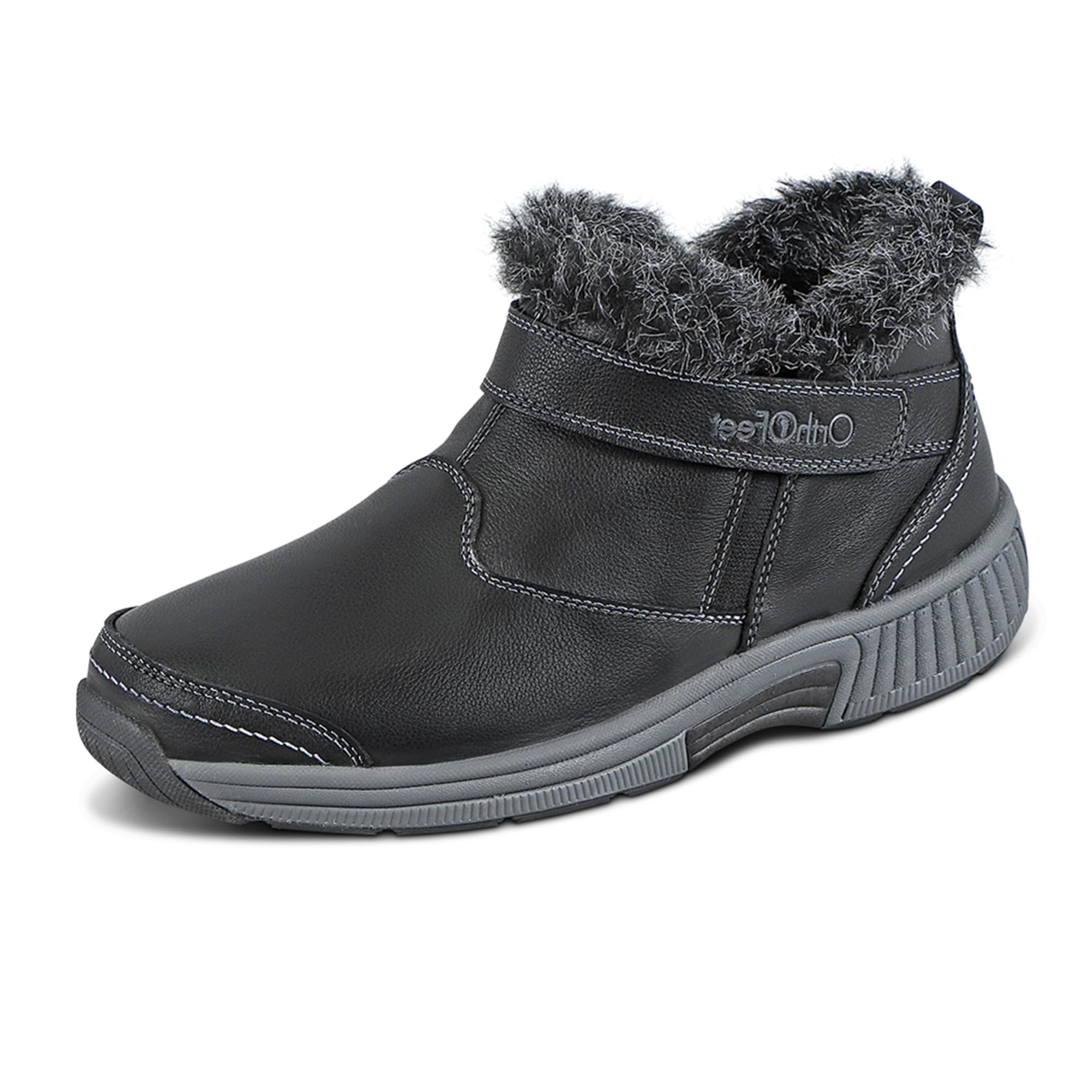
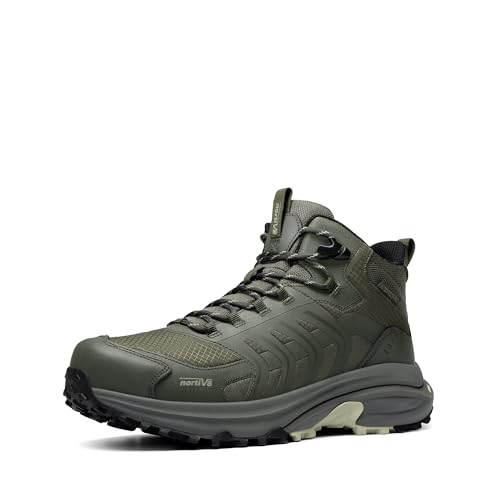
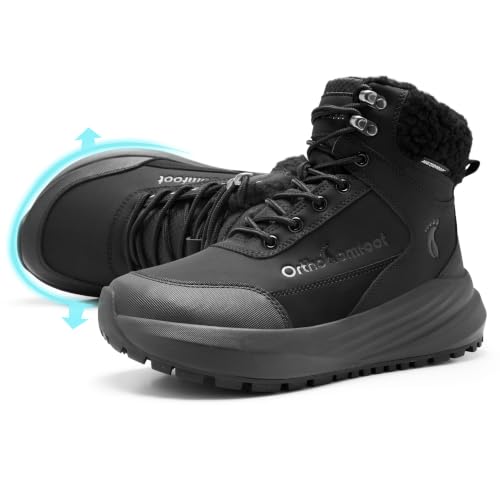
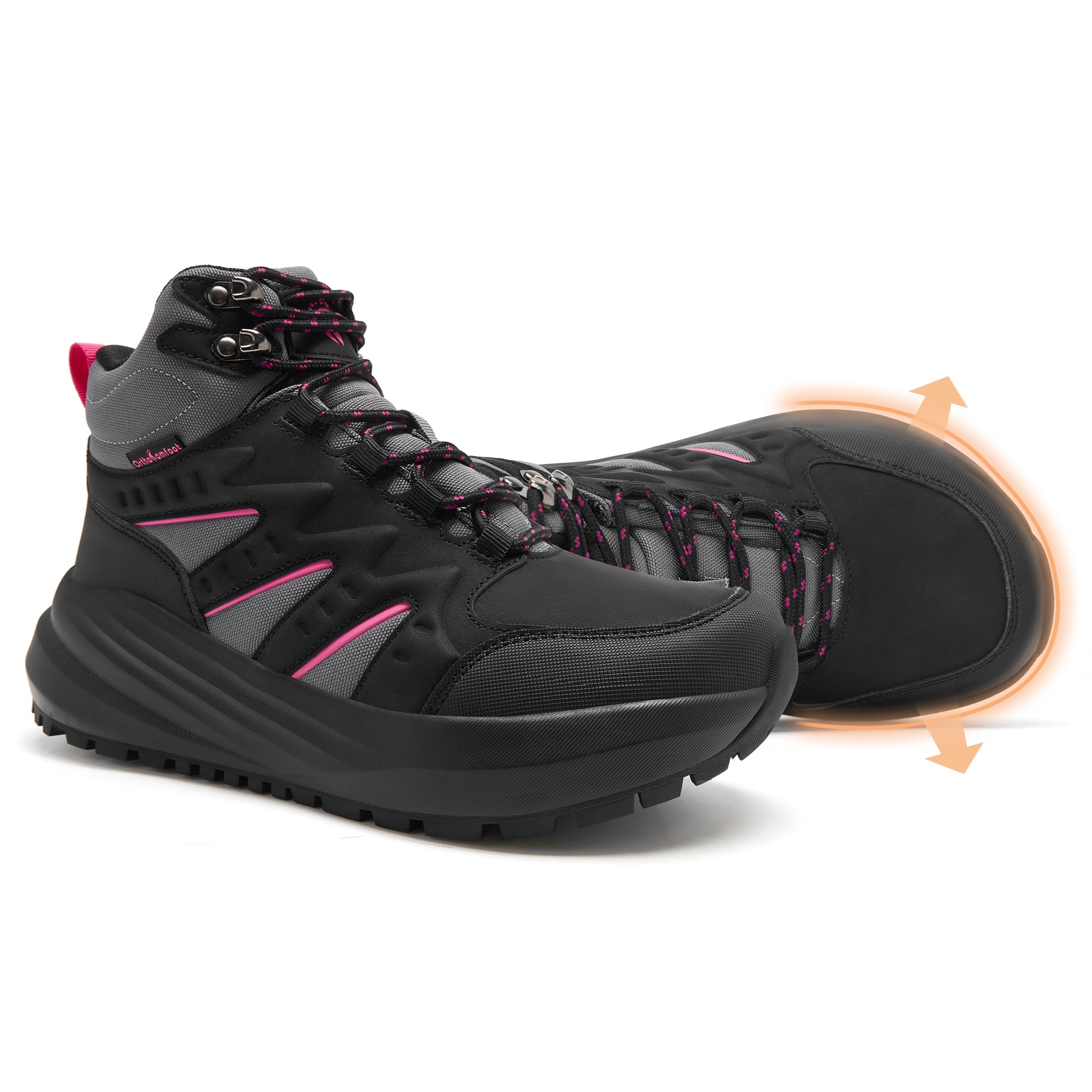
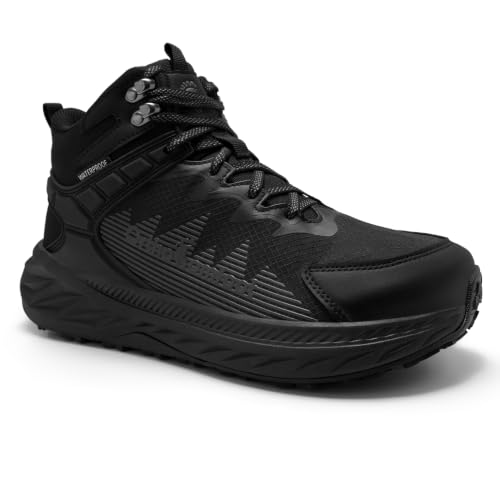


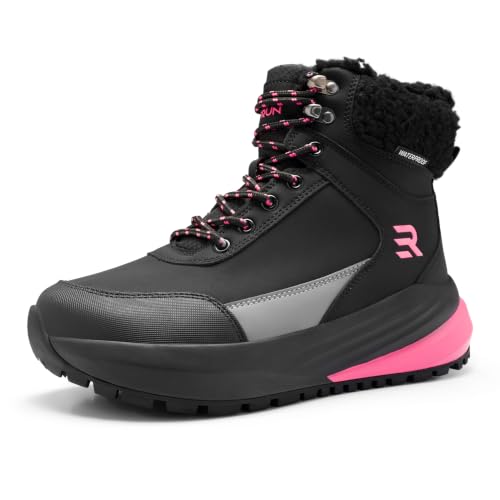
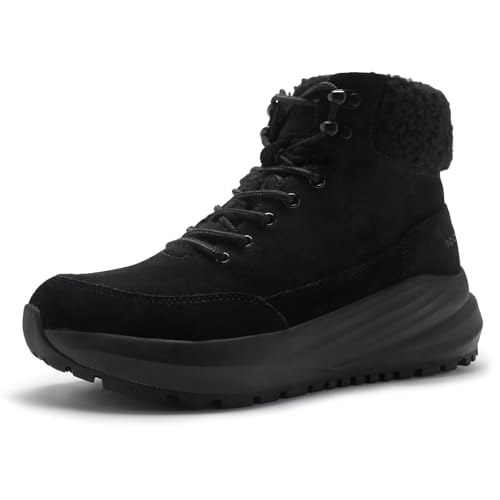
Who Should Buy Which Boots for Arthritic Feet?
Match the boot to the day you repeat most often. The groups below are split by routine and by the joint problems each routine aggravates.
Daily Walkers on Pavement and Errands
You walk dogs, visit shops and cover steady miles on flat, hard ground. Prioritize soft cushioning under the heel and forefoot and a light build that does not tire stiff legs. A lower shaft gives your ankle freedom on even surfaces, while a padded collar stops rubbing at the back of the heel.
Workers Who Stand and Walk on Hard Floors
You spend shifts on concrete or tile, often carrying loads and turning in tight spaces. Prioritize firm stability, strong arch support and a wide, steady base that resists rolling when you pivot. If your job adds safety rules or long hours, see our guide to the best work boots for arthritic feet for choices shaped around workdays.
Hikers and Outdoor Walkers on Uneven Ground
You walk trails, fields and wet paths where roots and stones push your joints in new directions. Prioritize a higher shaft for ankle stability, deep tread for grip and a stiffer sole that shields sore joints from sharp stones. Weather protection keeps feet dry, since cold and damp make many people feel stiffer. For trail advice, see our guide to the best hiking boots for arthritic feet.
People Whose Feet Swell or Change Shape During the Day
Your shoe size can feel different at breakfast and at dinner, and bony bumps or curled toes may need extra room. Prioritize adjustable lacing that opens wide, stretch panels over tender spots and a removable insole you can swap for a thinner one when swelling peaks. Avoid narrow fashion shapes, because they press exactly where swollen joints hurt most.
Key Features to Compare
The best boots for arthritic feet share a few traits, but the balance between them shifts with your pain pattern. Compare the five factors below in order, and let your worst daily problem decide which comes first.
Cushioning and Shock Absorption
Cushioning is the foam and rubber stack under your foot, and it softens the impact that travels into sore knees, heels and forefeet at every step. A thicker midsole suits hard floors and long walks, while a very soft sole can feel wobbly if your balance is poor. Press the heel area with your thumb: it should give a little, then push back rather than collapsing flat.
Arch Support and Stability
Arch support holds the middle of your foot so the arch does not flatten and strain the joints around it with each step. Flat feet and feet that roll inward usually need firmer support and a stable heel cup, while high arches often need support paired with softer cushioning. See a doctor promptly if you notice new swelling with redness or warmth, a sore that does not heal, numbness, or pain that stops you bearing weight, and talk with your clinician about your personal needs.
Toe Box Room and a Pressure Free Upper
The toe box is the front space where your toes rest, and arthritic toes, bunions and hammertoes need width and height rather than a tapered point. Look for a rounded front, soft panels that give over bumps, and seams placed away from tender joints. Shoppers in women specific ranges can also see our guide to the best women's boots for arthritic feet for fits built around a narrower heel.
Heel to Toe Drop and the Outsole
Heel to toe drop is the height difference between heel and forefoot, and boots commonly range from about 0 to 12 mm. A moderate drop of about 5 to 10 mm eases strain for many stiff ankles, while a very flat sole asks more of the Achilles and calf. A gentle rocker curve in the outsole helps your foot roll forward when toe joints dislike bending. Look for clear tread lugs for wet pavement, since a slip forces a sudden twist through sore joints.
Easy Entry, Closures and Light Weight
Stiff fingers and sore feet make entry a feature, not an afterthought. Wide openings, pull loops, side zips and laces with hooks near the top all shorten the struggle to get a boot on. Closures that adjust at several points let you free a swollen forefoot while keeping the ankle secure. Weight matters too, because every extra ounce is lifted thousands of times a day. A waterproof membrane such as Gore Tex adds protection with little weight.
How to Measure and Check the Fit Before You Keep a Pair
Measure and try boots late in the day, when your feet are at their largest. Trace each foot on paper while standing, measure the longer tracing and compare it with the brand size chart, since charts differ between makers. Wear the socks you plan to use most.
In the boot, stand and check for about half an inch of space ahead of your longest toe, with no pressure on top of curled toes. Walk on a hard floor, turn sharply and step up and down one stair. Your heel should stay seated, your arch should feel held rather than squeezed, and no seam should rub a tender joint.
Common Mistakes to Avoid
These errors are easy to make and costly for sore joints.
- Buying your old size without measuring again lets slow shape changes turn a familiar size into daily pressure.
- Choosing by price alone can leave you with thin cushioning that packs down within weeks.
- Picking a narrow fashion toe shape squeezes bunions and curled toes until every step becomes a wince.
- Testing boots only in the morning hides the swelling that will make the same pair pinch by evening.
- Ignoring the return policy leaves you stuck with a pair that fails on a long walk.
- Keeping a smooth, worn outsole in winter invites a slip that twists ankles and knees at once.
Care and Maintenance for Boots Worn by Arthritic Feet
Loosen laces fully after each wear, pull the insoles out and let the boots air dry away from direct heat, since heat stiffens leather and cracks glues. Brush off dried mud, wipe salt lines with a damp cloth and condition leather when it looks dry. Rotating two pairs on alternate days gives cushioning a day to recover its shape.
At home, hours out of boots let hot, tired feet settle, so supportive indoor footwear is worth planning too; see our guide to the best slippers for arthritic feet for indoor options that still hold the arch. Check linings each month for rough spots, and replace insoles that have gone flat or cracked.
Boots for Arthritic Feet: Your Questions Answered
What features matter most in boots for arthritic feet at work and on walks?
Start with the feature that matches where your pain sits. Forefoot pain points to forefoot cushioning and a rocker sole, heel pain points to heel cushioning and a moderate drop, and ankle pain points to shaft support and a stable base. Rank your own pain first, and let that order guide the features you refuse to give up.
Can I wear boots for arthritic feet all day?
Yes, many people wear supportive boots all day, provided the fit stays kind after hours of swelling. Build up wear time over several days, sit and raise your feet during breaks, and loosen the top laces when you sit for long spells. On hot rest days, see our guide to the best sandals for arthritic feet for open, supported options.
Are expensive boots for arthritic feet worth the extra cost?
They can be, when the higher price buys replaceable insoles, durable cushioning and an upper that keeps its shape. Supportive boots often cost about $90 to $200, and cost per wear falls fast if you walk daily. A costly boot in the wrong width is still a poor buy, so spend first on fit and only then on premium materials.
How long is the break in period for boots for arthritic feet?
Most soft walking boots feel right within a few days, while stiffer leather or trail boots may need one to two weeks of short outings. Wear a new pair around the house first, then on brief walks, and add time only when your joints stay calm the next morning. Sharp rubbing, numb toes or new joint pain are not normal break in signs, so stop and change size or style.
How should boots for arthritic feet fit around swollen joints?
They should hold the heel and midfoot firmly while leaving the swollen area itself free of pressure. If swelling varies a lot, choose a boot with a removable insole, because taking it out adds volume on bad days without buying a second pair. Lace more loosely over a tender instep and more snugly at the ankle hooks.
How often should I replace boots for arthritic feet?
Replace a pair when the signs show the support has gone, even if the upper still looks tidy. Warning signs include a midsole that feels flat and dead, tread worn smooth where you strike the ground, and a heel counter that folds under thumb pressure. Many daily walkers reach that point after about a year.
Wrapping Up
Put fit first, then match cushioning, support and grip to the routine you repeat most. Measure late in the day, leave room for toes and swelling, and use the product table above to compare drop, weight and closures.
When you choose best boots for arthritic feet by use rather than by looks, sore joints get help where they actually need it. Pick the pair that serves your hardest regular day.


