
Best Boots for Ankle Pants for 2026: Types Compared and How to Choose
Disclosure: We may earn a commission when you buy through links on this page, at no extra cost to you. As an Amazon Associate I earn from qualifying purchases. Learn more

Compare boot types for ankle pants by shaft height, heel and fit, with clear checks to choose the best boots for ankle pants for work and weekends.
Ankle pants end right where a boot begins, so a small change in shaft height or opening can make an outfit look clean or look cut off. The best boots for ankle pants meet the hem smoothly, leave no awkward gap of skin, and do not bunch the fabric. Use the comparison table below to compare types before you settle on a pair.
Your best choice depends on how cropped your pants are, how formal your days are, and how far you walk. A slim Chelsea boot suits a tailored hem, while a sturdy lace up style suits casual pants and longer walks.


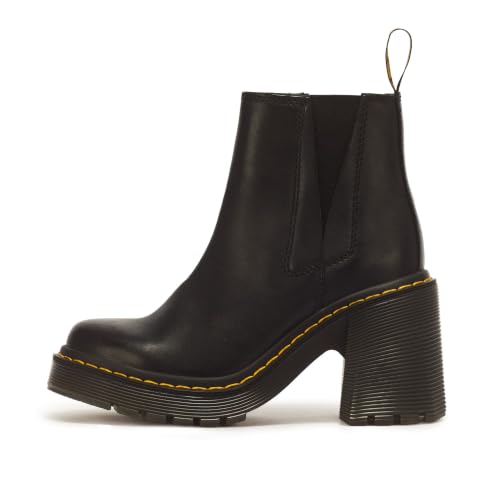


Who Should Buy Which Boots for Ankle Pants?
Start with the pants you wear most often. Hem length, leg width, and fabric weight decide which boot shape will look right.
Office Wearers With Tailored Cropped Pants
You need a boot that looks polished under a narrow, pressed hem. Choose a slim shaft close to your leg, a smooth leather finish, and a low block heel or a flat sole. A pointed or almond toe lengthens the line of a cropped leg, and dark colors close to your pant color keep the break at the ankle soft.
Casual Wearers With Denim and Chinos
You have more freedom with texture and bulk. Suede, pebbled leather, and a lace up front all pair well with denim and chino cloth. A slightly wider shaft opening works here, because casual hems are often wider too. Choose a rounded toe and a cushioned footbed if your weekends involve long walks.
Commuters Who Walk in Mixed Weather
You need grip and weather protection without a heavy boot pushing against your hem all day. Choose a sealed seam, a lug outsole with shallow lugs, and a shaft that ends just above the ankle bone. A side zip helps you get moving fast, and a padded collar keeps the top edge from rubbing on a long walk.
Key Features to Compare
Compare these factors in order, because the first two decide the look and the rest decide comfort.
Shaft Height and the Hem Gap
Shaft height is measured from the sole up the side of the boot, and most ankle styles run about 4 to 7 inches. Your hem should meet the shaft, touch it lightly, or overlap it by about half an inch. A bare gap of an inch or more chops the leg line and lets cold air in. If your pants are very cropped, pick a taller shaft. If they fall to the ankle bone, a shorter shaft avoids bunching.
Shaft Opening and Fit Around the Leg
The opening at the top of the shaft decides whether a hem can fall cleanly over the boot or must sit above it. A close opening of about 10 to 12 inches around suits narrow and straight leg pants, because fabric slides past without catching. A wider opening suits thicker socks and wider hems, but it can make a slim leg look lost. Try the boot with your actual pants, and sit down once to check how the opening shifts.
Heel Height and Heel Shape
A flat boot or a heel of about 1 to 2 inches works for most ankle pants and most walking days. A block heel gives lift with a stable base, while a slim heel looks dressier but feels less steady on uneven ground. A little lift also lets a cropped hem hang straighter. If you stand for hours, stay at the low end of that range and choose a block shape.
Toe Shape and Overall Silhouette
Toe shape sets the tone of the whole outfit. A pointed toe looks sharp with tailored pants but leaves less room for your toes, while an almond toe gives a similar long line with more space inside. A rounded toe reads casual and usually means a roomier fit. Match toe width to leg opening width too, because a chunky toe under a very narrow hem can look unbalanced.
Closure, Cushioning, and Outsole Grip
Closures change both fit and profile. A side zip keeps the front smooth under a hem, elastic side panels pull on fast, and laces let you adjust tightness but add bulk at the front. Inside, look for cushioning under the heel and arch support that matches your foot. Outside, a rubber outsole with a clear tread pattern grips wet pavement better than a smooth leather sole.
Types of Boots Compared for Ankle Pants
Three boot families cover most ankle pants well. The best boots for ankle pants for you will usually come from one of these groups, so compare them by hem and by day.
Chelsea Boots With Elastic Side Panels
A Chelsea boot has no laces and a close shaft, so a hem falls over it with almost no bulk. That clean front makes it the easiest match for tailored and straight leg ankle pants. Leather versions suit work, while suede versions suit casual outfits but need more care in rain. If you like this low profile shape, see our guide to the best ankle boots for more on shaft fit.
Lace Up Ankle Boots for an Adjustable Fit
Lace up boots let you tighten the fit at the ankle and across the foot, which helps if your feet swell during the day. The laces and eyelets add visual weight, so this type pairs best with denim, chinos, and other sturdy fabrics. Choose a padded tongue and collar if you walk far, and keep laces snug so the heel does not slip.
Heeled Ankle Boots for a Longer Leg Line
A heeled ankle boot lifts a cropped hem off the boot and makes the leg look longer, which helps with wide leg ankle pants. Choose a slim but not tight shaft, so the wider hem can move without catching. For more pairing ideas, see our guide to the best pants with boots. Women comparing dressier options can also see our guide to the best women's ankle boots.
Common Mistakes to Avoid
Most poor pairings come from a mismatch at the hem, not from a bad boot.
- Choosing a shaft that ends right at the hem leaves a strip of skin showing and breaks the line of the leg.
- Wearing a wide shaft opening with narrow pants makes the hem flare and catch every time you sit or stand.
- Picking a pointed toe in a size that is too short pinches your toes and pushes your foot forward on every step.
- Pairing a bulky lug sole with fine tailored pants makes the outfit look heavy at the bottom and unfinished.
- Buying boots in the morning and judging the fit then leads to a tight pair by evening, when feet are larger.
- Matching a pale boot with very dark pants and a short hem draws all attention to the ankle break.
Care and Maintenance for Boots Worn With Ankle Pants
Brush dirt from the shaft and sole after each wear, because grit at the top edge can mark light colored hems. Wipe leather with a damp cloth, let it dry away from direct heat, and use a conditioner made for that leather type about once a month during heavy use. Treat suede with a protector spray before the first wear and brush it to lift the nap.
Rest a pair for a full day between wears so the lining can dry, and store boots upright with a simple insert to hold the shaft shape. A shaft that folds in the closet will crease and sit unevenly under a hem. Check heel caps and tread each season, and have worn caps replaced before the heel core is damaged.
FAQ
What features matter most in boots worn with ankle pants?
Shaft height and opening matter most, because they control the point where boot meets hem. After that, check that the color and finish suit most of your pants, since a versatile pair gets worn far more often. Photograph the pairing from the side, because a small gap you miss while looking down shows clearly in a photo.
Do boots worn with ankle pants need waterproofing?
No, boots worn with ankle pants need waterproofing only if you walk in rain or snow often. Waterproof membranes such as Gore Tex keep water out but can feel warmer indoors, so office wearers in a dry climate may prefer plain leather that breathes better. If you do face wet streets, sealed seams matter as much as the membrane, because water often enters at the stitch lines first.
How should boots fit under ankle pants hems?
Boots should fit snugly at the heel, with about half an inch of space in front of your longest toe. The shaft should hug the leg without squeezing, and the hem should rest on the shaft without being pushed outward. Climb a few steps before you decide, because a shaft that feels fine while standing can dig in when your ankle flexes.
How often should I replace boots worn with ankle pants?
Replace boots worn with ankle pants when the tread is smooth, the heel cap is worn through, or the shaft no longer holds its shape. For a pair worn three or four days a week, that point often comes after about two to three years. A cobbler can resole a stitched leather boot whose upper still looks sound.
How long is the break in period for boots worn with ankle pants?
The break in period for boots worn with ankle pants is usually about one to two weeks of short wears. Start with an hour or two at home, then add time each day as the leather softens at the ankle bend. Thick socks can ease rubbing in the first days, but switch to your normal socks before judging the final fit, because sock thickness changes how the shaft sits.
Our Verdict
Match the shaft to the hem first, then choose heel, toe, and finish for your day. A close shaft, a hem that meets the boot, and a fit checked late in the day will prevent most pairing problems. Use the product table above to compare shaft height, heel, and price.
When you shop for best boots for ankle pants with those checks in mind, one clear winner usually stands out. Buy the pair that works with the pants you already own.


