
Best Boots Ever Made: What Actually Matters Before You Buy for 2026
Disclosure: We may earn a commission when you buy through links on this page, at no extra cost to you. As an Amazon Associate I earn from qualifying purchases. Learn more

Judge the best boots ever made with a clear checklist covering fit, traction, materials, durability, and long term comfort for your terrain.
Calling any boot the greatest ever made is easy. Proving it is harder, because greatness in a boot is not a style contest. It is a record of fit, grip, materials, and repairs survived over years of real use. This checklist gives you a fair way to judge the best boots ever made claims you will meet while shopping, whether the pair in front of you is a work boot, a hiker, or a heritage leather style.
Score each candidate against the seven criteria below, then run the quick buyer checklist before you pay. The comparison table below holds examples you can practice on, and the red flag list will help you spot boots that borrow a legendary look without the construction to match.
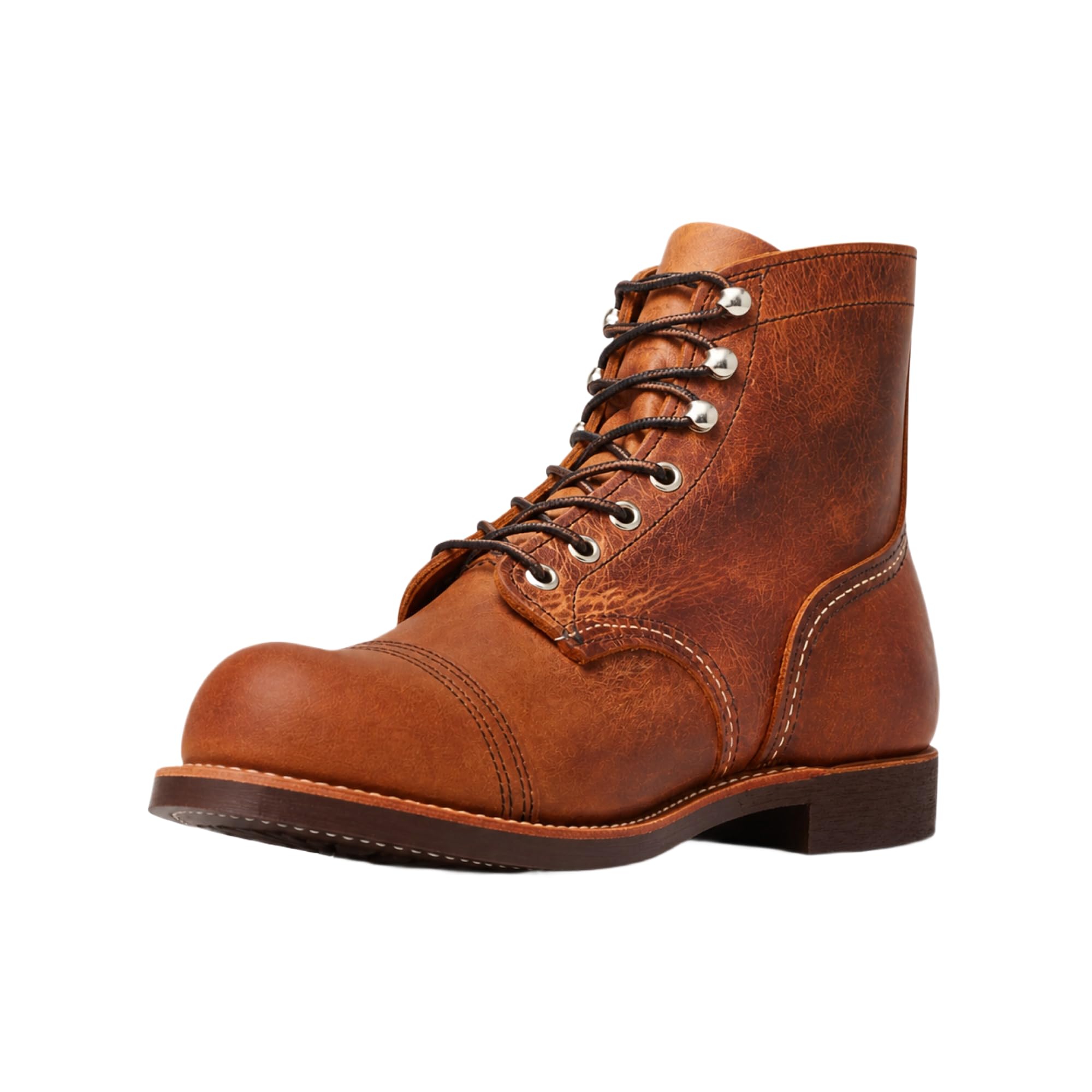
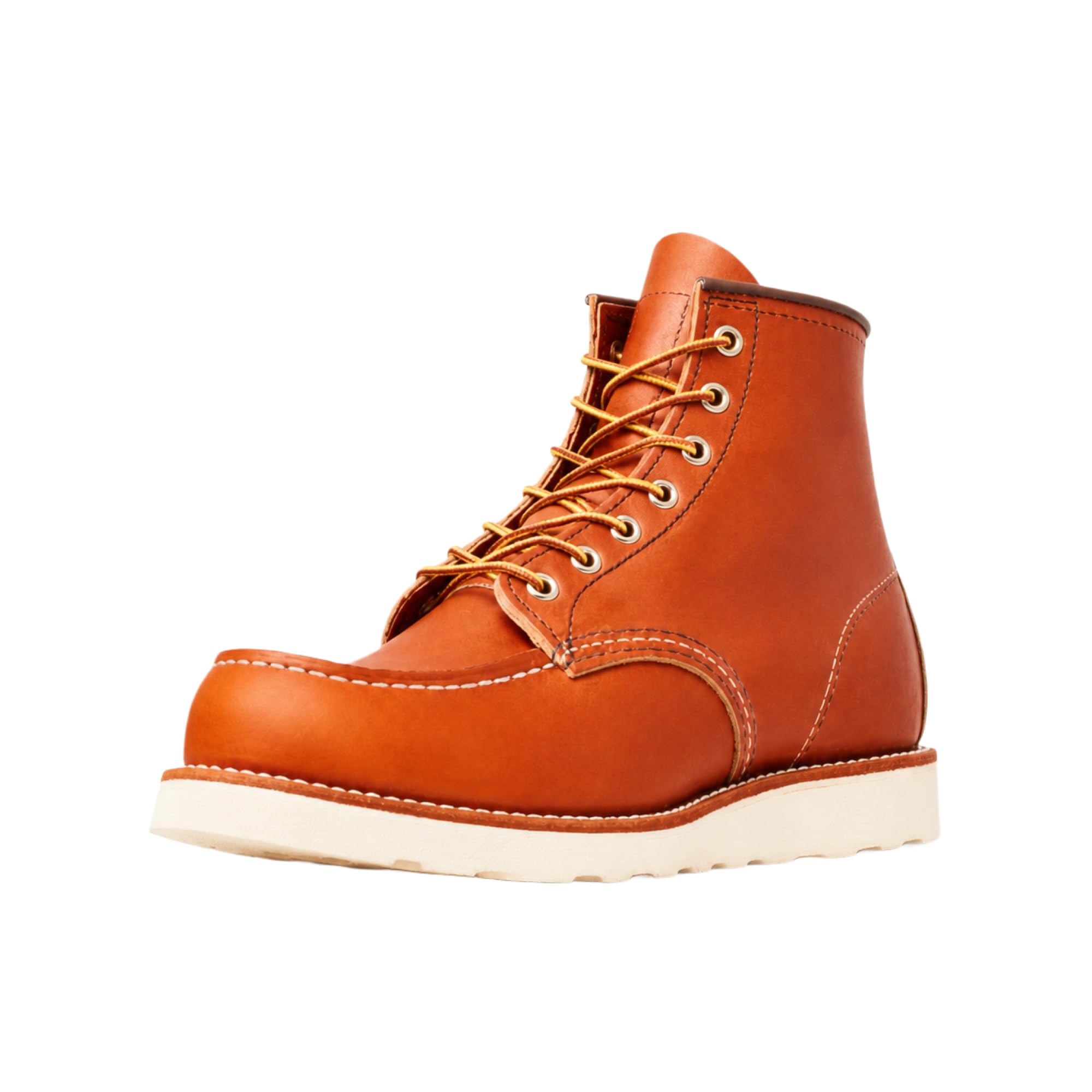


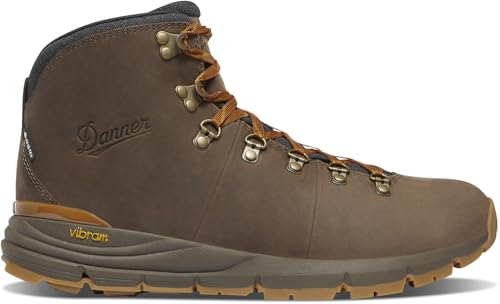


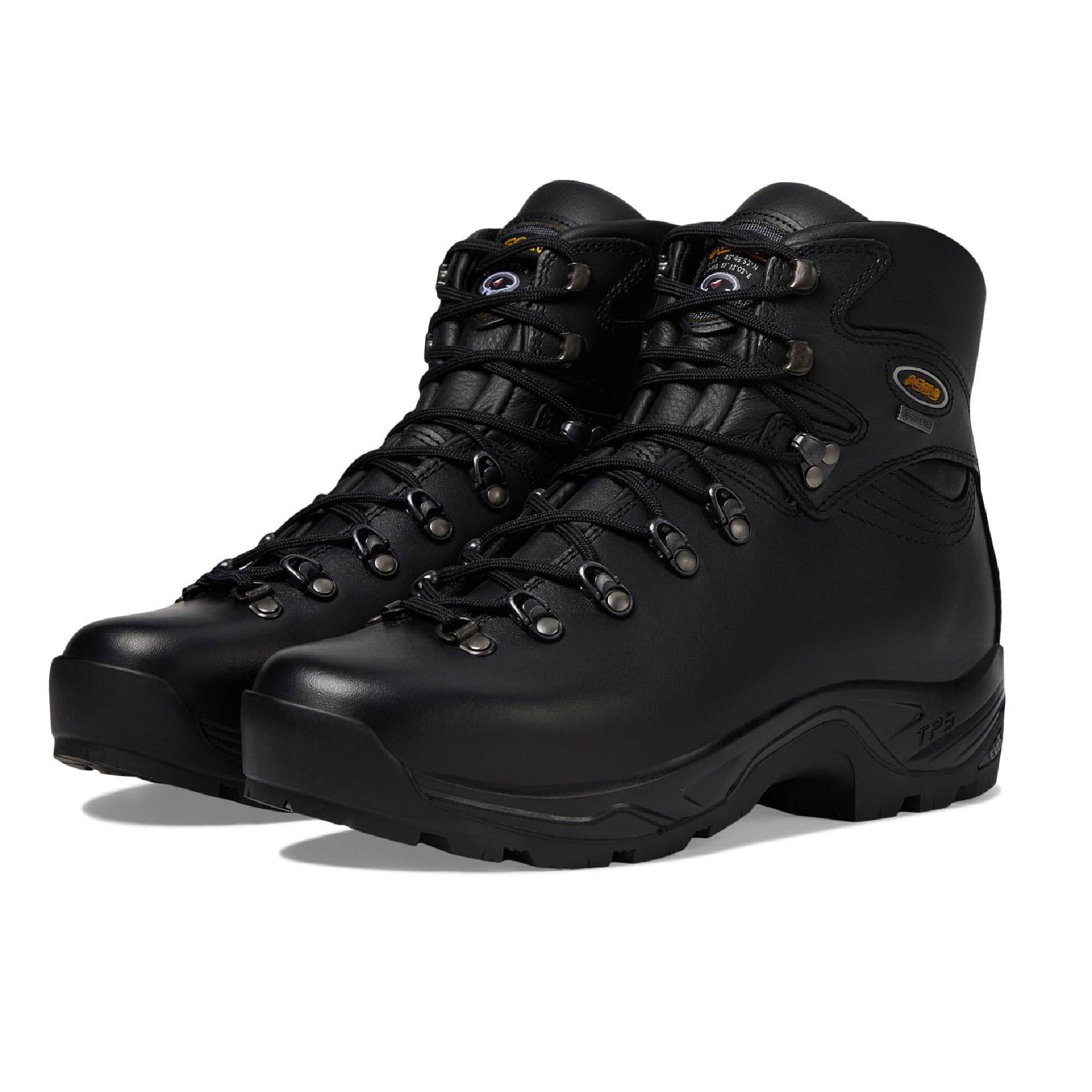
How We Evaluate Boots That Claim Greatness
Each criterion uses the same scale: what excellent looks like, what acceptable looks like, and what should end the conversation. A boot does not need perfect marks everywhere, but it cannot fail fit or durability and still deserve a lifetime label.
Fit, Sizing, and Toe Box
Excellent fit starts with measurement, so measure both feet in the afternoon while wearing your intended socks, and size for the larger foot. Your toes should clear the front by about a thumb width when standing, the toe box should let toes lie flat without squeezing, and the heel should sit snug with only slight movement on steep ground. Width choices matter as much as length: a boot offered in several widths has solved fit for more feet than a single width style. If a brand runs narrow or long, its own size guidance beats generic charts.
Outsole Traction and Terrain
An outsole earns high marks when its lug pattern matches its promised terrain. Deep, widely spaced lugs around 4 to 6 mm shed mud and bite on trails, while lower profile patterns grip pavement and wet stone better. Rubber compound matters alongside pattern: softer compounds grip rock and ice more confidently, and harder compounds wear longer on concrete. A great boot also flexes at the toes rather than hinging at the arch. Score traction for the ground you actually walk, since a mountaineering sole on city sidewalks is wasted money and faster wear.
Upper Materials and Breathability
Full grain leather remains the benchmark upper for longevity because it resists abrasion, molds gradually to your foot, and accepts conditioning for years. Thick cuts around 2 mm or more signal a serious build, while thin fashion leather scuffs and stretches early. Nubuck and suede trade some water resistance for a softer feel, and modern synthetic uppers cut weight and drying time at some cost in lifespan. Breathability follows the material and lining: unlined leather breathes best in heat, membranes breathe least, and mesh panels breathe most while giving up durability.
Weight and Flexibility
Weight is a trade you make with every step. Heavy boots protect feet on rough ground, support ankles under loads, and usually last longest, which is why classic work and mountain boots carry real heft. Lightweight boots spare your legs on long days but flex more and wear faster. Judge the pair against your use: a boot that feels reassuring for a work shift may feel punishing at mile fifteen. Flexibility should sit in the forefoot, with a shank or firm midsole keeping the middle of the boot stable on ladders, rocks, and uneven soil.
Durability and Expected Lifespan
Durability separates the legendary from the merely good. Look for stitched construction, such as a welted sole that a cobbler can replace, dense stitching with no loose threads, metal hardware, and leather that creases without cracking. A resoleable boot worn daily can serve a decade or more with care, while cemented soles end the boot life when the glue or foam gives out, often years sooner. Judge lifespan by the first part that cannot be repaired. If that part is the sole and the sole is replaceable, the boot has a genuine claim to greatness.
Break In Period and Comfort Out of the Box
Stiff, durable boots ask for patience: expect two to four weeks of short wears before thick leather shapes itself to your feet, and plan that time before any trip or season. Comfort signals during break in include pressure that fades day by day, not hot spots that sharpen. Modern cushioned boots feel kind immediately but may pack out sooner. Neither path is wrong; the mistake is buying a stiff boot the week before you need it all day. Wear new pairs indoors first, where a return is still possible, then graduate to longer days.
Waterproofing and Membranes
Waterproof boots use a membrane bootie or treated leather plus sealed seams to keep water out, and the honest trade off is warmer, slower drying feet when water does get in over the collar. For wet climates, muddy work, and snow, that trade is usually worth it, and tall shafts with gusseted tongues raise the protection. For dry heat and fast moving days, non waterproof leather or mesh dries quicker and breathes better. Score this criterion by your weather, and remember that leather care keeps water beading on any leather boot, membrane or not.
Three Profiles That Pass Our Checklist
Greatness repeats in recognizable profiles. Match a candidate to one of these three shapes before you worry about labels, colors, or heritage stories.
The Resoleable Leather Boot
This profile pairs a full grain leather upper with a stitched, replaceable sole, a supportive shank, and a fit offered in more than one width. It scores well on durability, traction, and materials at once, and its break in cost buys years of service. It suits buyers who want one boot for work, travel, and rough weather across many seasons. Prices usually land in the upper middle range, around $250 to $400, which spreads thin across a decade of wear. Its weakness is weight and the patience its first month demands.
The Honest Midweight Hiker
This profile uses a leather and synthetic upper, a grippy molded outsole, and either a membrane or a breathable lining, at around $120 to $200. It passes on fit, traction, and comfort out of the box, and accepts a shorter lifespan as its compromise. For most walkers, campers, and light duty workers, it delivers more boot per dollar than any other profile. Its weakness is the cemented sole: when the outsole wears smooth or the midsole foam tires, replacement usually means a new pair rather than a repair.
The Reinforced Work Boot
This profile adds a safety toe where the job requires one, a puncture resistant plate, oil resistant outsole rubber, and extra leather at the toe and heel. It passes durability and protection with room to spare, and it accepts serious weight as the price. It suits construction, warehouse, and farm work where a lighter boot would fail early or fail safety checks. Its weakness is everyday comfort off the job: most owners keep it as a dedicated work pair and walk weekends in something lighter and more flexible.
Quick Buyer Checklist
Answer these before you buy. Six or more yes answers mean the pair in hand can honestly chase a long life label.
- Did you measure both feet in the afternoon with your real socks on?
- Can your toes lie flat and spread slightly inside the toe box?
- Does the lug pattern match your ground rather than a brochure photo?
- Is the upper full grain leather or a synthetic you chose on purpose?
- Can the sole be replaced, or do you accept the lifespan if it cannot?
- Does the weight still feel fine after ten minutes of walking the store?
- Do you have the break in weeks free before you truly need the boots?
Red Flags to Watch For
- Legend language with no construction details. A listing that will not state upper material, sole attachment, or weight is selling a story, and stories do not resole.
- Fashion thin leather on a work shaped boot. It creases, cracks, and soaks through early, failing the durability test that a greatness claim depends on.
- Glued soles marketed as lifetime gear. Cemented construction can be fine, but it ends at the first sole failure, so the price should admit that limit.
- One width for every foot. Truly great boots respect foot variety; a single narrow last quietly excludes many buyers.
- No repair or warranty path. Makers of long life boots usually support resoling, parts, or at least clear care guidance.
That last habit, checking the repair path before purchase, is the single fastest way to sort honest candidates for the best boots ever made title from lookalikes. A maker who expects the boot back for a resole has built it to survive one.
Setup and Care Tips
Treat a great boot like the long term tool it is. Air dry wet boots at room temperature away from direct heat, stuffing them with plain paper for the first hours if they are soaked. Rotate two pairs when you wear boots daily, because a rest day lets leather and foam recover shape. Condition leather when it looks dry, brush dirt off after muddy use, and book a resole when the tread wears to about half depth rather than after the midsole shows. Small habits like these are the difference between a five year boot and a fifteen year boot.
Boots Built to Last: Your Questions Answered
How often should I replace a pair of boots built to last?
Replace or resole based on condition, not the calendar. Warning signs are tread worn smooth in the heel or forefoot, midsole foam that stays compressed, cracked leather at the flex point, and a lining worn through at the heel. A resoleable pair may need fresh soles every few years of daily wear while the upper continues. If your feet start aching in boots that once felt perfect, the support structure is tired even when the boot still looks respectable.
Do I need waterproof boots for everyday wear?
Not always. If your days are mostly dry pavement and indoor floors, plain leather with regular conditioning sheds light rain and breathes better across a long day. Choose a membrane when you regularly stand in wet grass, slush, or mud, or when cold rain is common in your climate. Remember that no ankle height boot stays dry once water tops the collar, so height and gaiters matter as much as the membrane in truly wet conditions.
How should well made boots fit at the first try on?
Firm, even, and free of sharp pressure is the target. The heel should feel held, the midfoot secure without numbness, and the toes should never press the front, because leather stretches in width far more than in length. A stiff new boot may feel demanding across the top of the foot for the first wears; that eases as the leather shapes itself. Pain at the toes or a heel that lifts clear of the insole with every step will not break in away, so change size or width.
Are expensive boots worth it over cheaper pairs?
They can be, when the money buys repairable construction and better leather rather than branding. Spread across years, a resoleable pair at around $300 with one resole often costs less per year than two budget pairs that each failed early. The math flips if you wear boots rarely or outgrow the fit, because lifespan you never use has no value. Buy the construction tier that matches your actual wear days per year, not an imagined version of your life.
How long is the break in period for stiff leather boots?
Plan on two to four weeks of gradually longer wears for thick leather boots, starting with an hour or two around the house. Feet and leather adapt together, so daily short sessions work better than one heroic long day. Use the socks you will wear in real use, and stop for the day if a hot spot appears, since blisters slow the whole process. Flexible modern boots may need only a few wears, which is their genuine advantage for buyers in a hurry.
Can I wear heavy boots all day?
Yes, if the fit is right and your legs have had time to adapt to the weight. Workers do it for whole careers, helped by supportive insoles, rotation between pairs, and socks matched to the season. Trouble signs are shin fatigue that grows daily and knee or hip aches that were absent in lighter footwear; both suggest easing in more slowly or choosing a lighter profile. Build all day wear over two weeks rather than debuting a heavy pair on your longest shift.
The Bottom Line
Judge greatness by fit, traction, materials, and repairability, and let break in patience and weight be conscious trades rather than surprises. A boot that passes those tests will still be serving when trend pairs are landfill. For most buyers the honest answer to the best boots ever made question is a resoleable leather pair fitted with care, so start with the product table above and score every candidate the same way.


