
Best Boots Company: How to Judge a Boot Brand
Disclosure: We may earn a commission when you buy through links on this page, at no extra cost to you. As an Amazon Associate I earn from qualifying purchases. Learn more
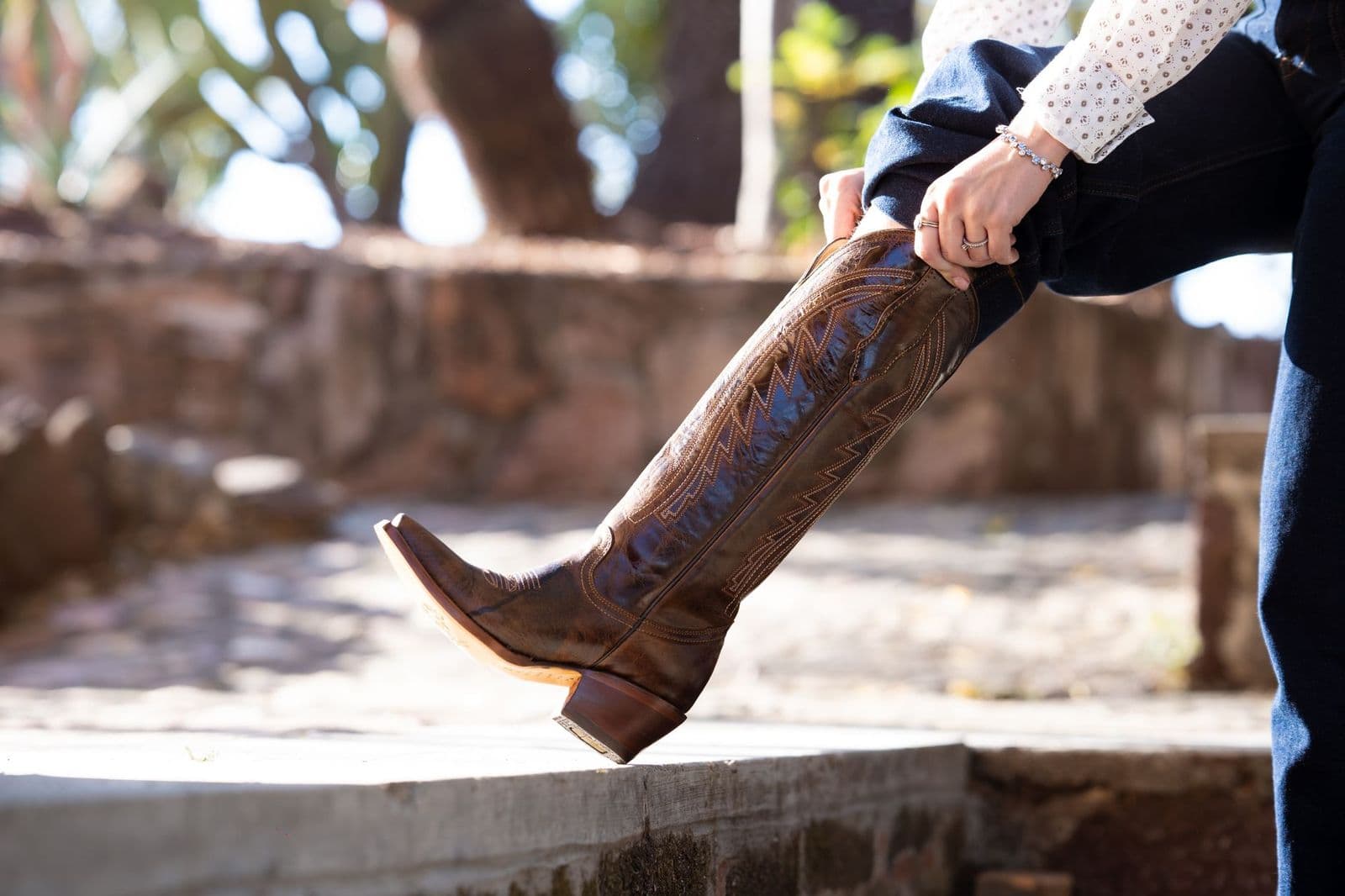
How to judge the best boots company: sizing, materials, warranty, and support matter more than the name on the tongue.
Boot brands all promise comfort and durability, but the quality behind the logo varies a great deal. Choosing the best boots company is really about trust: consistent sizing, honest materials, fair warranty terms, and support when something goes wrong. This guide explains how to judge a boot brand fairly, what each type of company is good at, and how to avoid paying for marketing instead of construction.
No single company makes the best boot for every buyer. Each brand runs several lines for different jobs and budgets, so you will compare models within a brand as much as brands against each other.
Why the Model Matters More Than the Brand
Almost every large boot maker sells both excellent and mediocre boots. A famous name on a budget line may use thinner leather and cemented soles, while a lesser known company may build a stitched, resoleable boot at a fair price. Treat a brand as a starting point for your shortlist, not a guarantee. Read the specifications of the exact model: the upper material, the sole construction, the lining, and the stated size range. The same company can feel narrow in one line and roomy in another.
Types of Boot Companies
Work focused brands
These companies build around job site boots: safety toes, slip resistant soles, and electrical hazard ratings. They suit tradespeople who need boots rated for the job. Check the safety rating you need against the standard listed on the boot, and ask your employer about requirements.
Outdoor focused brands
Hiking and hunting brands focus on weather protection, traction, and trail comfort. They tend to use waterproof membranes, lugged rubber soles, and cushioned midsoles. They suit hikers, hunters, and anyone who walks in rough terrain.
Heritage brands
Long running companies known for classic styles, stitched construction, and repair services. Their boots often cost more, but they can be resoled and used for many years. They suit buyers who want one pair to last.
Fashion and everyday brands
These companies balance style and daily comfort. Quality ranges widely, so check materials and construction rather than trusting the label.
Value brands
Affordable brands offer solid basics for light use. They are a good fit for occasional wear, though expect shorter life from thinner linings and glued soles.
Boot Company Types Compared
| Type | Best For | Watch For |
|---|---|---|
| Work focused | Job sites, safety ratings | Heavy weight, break in time |
| Outdoor focused | Trails, weather, hunting | Warmth in mild weather |
| Heritage | Long life, resoling | Higher price, stiff leather |
| Fashion and everyday | Style, daily comfort | Mixed build quality |
| Value | Occasional use, tight budgets | Shorter lifespan |
What to Check Before You Trust a Boot Company
Sizing consistency
Check whether the same size fits similarly across the brand's lines. Read size charts, look for width options, and note whether other buyers say the boot runs narrow, wide, large, or small.
Materials and construction
Full grain leather, stitched or welted soles, and quality hardware indicate a boot built to last. Cemented soles and thin synthetic linings are fine for light use but wear out sooner.
Warranty and repairs
Look for clear warranty terms, a repair or resole service, and replacement parts such as laces and insoles. A warranty that covers manufacturing defects is a good sign. Read what it excludes.
Range depth
A broad range of sizes, widths, and styles makes it easier to stay with a brand that fits your feet when your needs change.
Customer support
Helpful service for sizing questions, defects, and returns tells you how the company treats buyers after the sale. Check return windows and who pays for shipping.
How to Compare Brands Fairly
- Pick the type of boot you need first, such as work, hiking, or everyday.
- Choose two or three brands that make that type well.
- Compare models in the same price range, not a budget line against a premium one.
- Read the materials, construction, and warranty for each model.
- Check the return policy so you can try the pair at home with your usual socks.
Price and Value
Everyday boots from value brands often cost about $50 to $100. Solid midrange boots run about $100 to $200, and heritage or premium boots with stitched, resoleable construction range from about $200 to $400 or more. A higher price makes sense when it buys better leather, replaceable soles, and a longer warranty. Judge value by cost per year of use rather than the tag, because a resoleable boot that lasts a decade can cost less than a cheaper pair replaced every season.
Getting the Best Fit from Any Brand
Measure your feet in the afternoon, when they are largest, and shop by length and width rather than by the size on your old pair. Try boots with the socks you will wear, and walk on a hard floor and up a stair. Your heel should stay seated, your toes should lie flat, and no spot should burn. Expect a break in period for leather, typically one to two weeks of shorter wears. If a boot still hurts in the same place after that, exchange it for another size or shape.
Choosing the Best Boots Company for Your Job or Hobby
Tradespeople should start with the safety rating their job requires, then pick from work focused companies that offer it in several widths. Hikers and hunters should look at outdoor companies with waterproof options and sturdy outsoles. Office and everyday wearers can look at fashion and heritage companies, where leather quality and resoleable construction matter most. Anyone who stands all day should compare cushioning and arch support over brand history. Families buying for growing kids do well with value brands, since sizes change quickly.
It also helps to read buyer feedback with care. Look for comments from people with similar feet and uses, and pay attention to patterns, such as many people saying a line runs small or that a sole separates after a season.
Common Mistakes to Avoid
- Buying on brand name alone without reading the model details.
- Comparing a budget line from one brand with a premium line from another.
- Ignoring the return policy and warranty terms.
- Assuming the same size fits across every line of a brand.
- Paying more for marketing than for materials.
Frequently Asked Questions
Does brand matter more than the specific boot?
The specific model matters more. Brands make both strong and weak lines, so compare models within a brand.
How do I compare boot brands fairly?
Compare materials, construction, warranty, sizing consistency, and reviews for the same type of boot.
Are expensive boot brands always better?
Not always. Some premium prices pay for style or marketing, while midrange brands can offer similar durability.
Should I stay loyal to one boot brand?
Loyalty helps if the sizing is consistent. Trying other brands makes sense when your needs change.
What should I check before buying from a new brand?
Check size charts, width options, return terms, and warranty coverage before ordering.
Final Thoughts
The best boots company for you is the one that makes the right type of boot for your job, fits your feet consistently, and stands behind its products. Start with the type, shortlist two or three brands, compare models in the same price range, and check the warranty and returns before you order.


