
Best Booster Chairs: Everything to Know Before Your First Purchase for 2026
Disclosure: We may earn a commission when you buy through links on this page, at no extra cost to you. As an Amazon Associate I earn from qualifying purchases. Learn more

Shopping for the best booster chairs for the first time? Learn the key terms, sizes, and safety checks, compare options, and skip rookie mistakes.
Buying a booster chair sounds simple until you see how many styles, straps, and size charts are out there. This guide walks first time buyers through the basics in plain language, from dining boosters for babies to belt positioning boosters for the car. By the end, you will know which specs matter and how to match a seat to your child and your daily routine.
Start with best booster chairs basics: the right choice depends far more on fit and safety checks than on color or brand name. Use the comparison table below to see how the main types differ, then read on for the details that help you choose with confidence.
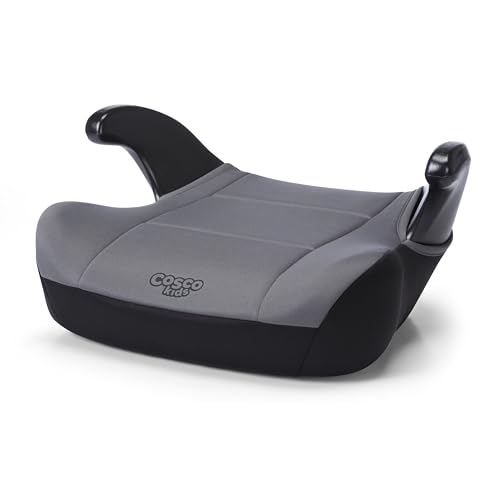
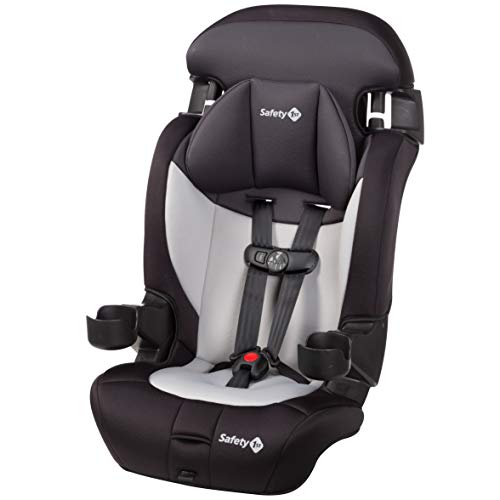


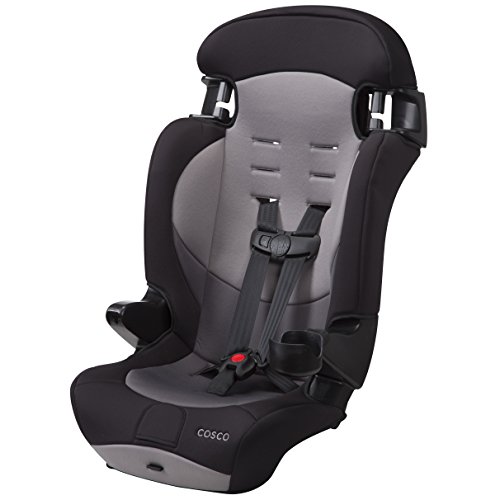


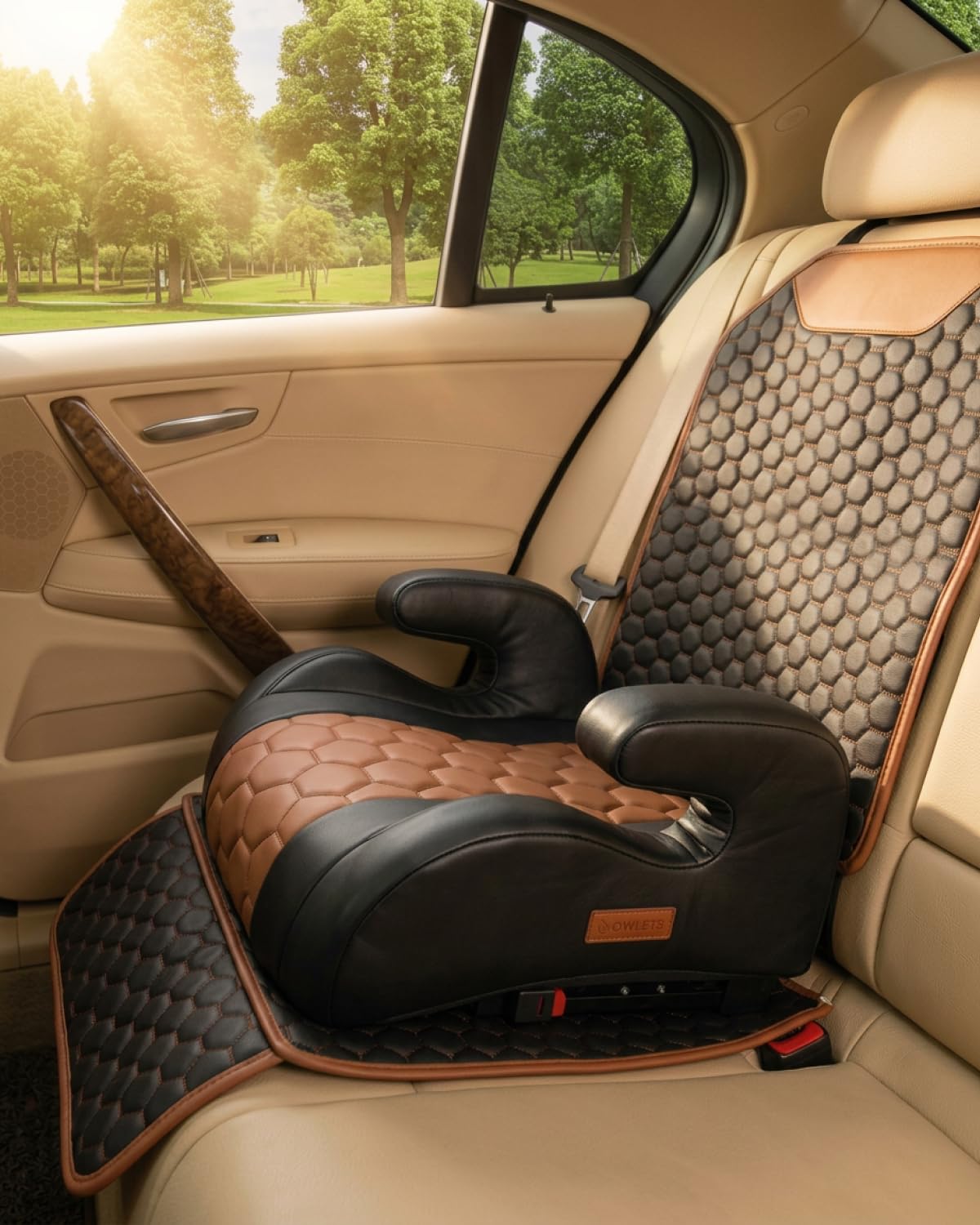
One quick note on scope. In this guide, a booster chair is a seat that lifts a child up, either at the family table or inside a vehicle. Every tip below is written for young diners and young passengers, not for adult seating.
Booster Chairs 101: The Basics
A booster chair raises your child to a height where everyday setups finally work. At the table, that means your child can reach a plate and join family meals instead of peeking over the rim. In the car, it means the vehicle seat belt crosses the strong parts of the body, the hips and the middle of the shoulder, instead of the soft stomach or the neck.
There are two main families to know. Dining boosters strap onto a regular kitchen chair or sit low on the floor, and most come with a tray and a harness for younger children. Car boosters sit on the vehicle seat, use the car belt itself as the restraint, and come in high back and backless styles. The two solve different problems, so a seat built for the table never belongs in a car.
A few terms show up on almost every listing. The harness is the set of straps that holds a young child in a dining booster, and the tray is the removable food surface that clicks on in front. Weight and height limits tell you the size range the seat was built for. Belt guides on a car booster are the slots or clips that route the vehicle belt into the right position.
Key Specs Explained in Plain English
Product pages throw a lot of numbers and feature names at you at once. The six areas below cover nearly everything that decides whether a booster chair fits your child, your table, and your car.
Seat Height and Adjustability
Most dining boosters lift a child about 3 to 6 inches, and many offer two or three height settings you change as your child grows. What you want is simple: your child sits high enough to eat comfortably, with feet supported on a footrest or the chair rung rather than dangling. An ergonomic seat shape with a gently curved back gives light lumbar support on high back models, which helps older kids sit upright on longer drives. A few dining models add adjustable armrests, but check that they still let the chair slide close to the table.
Size, Dimensions, and Weight Capacity
Measure before you buy, because three numbers decide whether a dining booster works in your home: the width of your chair seat, the height of your table, and the open space under the table edge. The base must sit fully on the chair seat with no overhang, and the tray needs clearance to slide in without jamming against the table apron. Weight capacity matters just as much. Dining boosters often carry children up to about 50 pounds, while backless car boosters commonly span about 40 to 100 pounds. Move up a size before your child passes the stated limits, not after.
Style and Room Fit
Looks come after fit and safety, but style still affects daily life. A slim booster that folds flat suits a small dining area, while a wide padded model suits a dedicated spot at a big table. Neutral colors hide food stains better, and a compact base leaves room for siblings on a bench. The adult chair under a dining booster carries real load too, so if your current dining chairs wobble or sag, it may be time to read up on the best quality chairs before you strap anything to them.
Assembly and Delivery
Most boosters arrive nearly ready to use. Dining models usually need the tray clicked on, the straps threaded through their slots, and sometimes a backrest snapped into place, which takes about ten minutes with no tools. Car boosters typically need no assembly beyond attaching a detachable back on high back models. When the box arrives, check that every strap, buckle, and belt guide clip listed in the manual is in the box, and keep the manual itself, since it holds the limits and strap diagrams you will want again later.
Materials and Padding
Nearly all boosters use a molded plastic shell because it is light, stiff, and easy to wipe down after meals. Padding quality varies more than the shell does. A cushion made with high density foam holds its shape month after month, while thin low density padding flattens quickly and leaves a hard seat. Covers come in smooth wipe clean finishes, soft fabric that goes in the wash, and a few travel models with mesh back panels that let air move on warm days. Pick a cover you can fully remove, because spills will find every seam eventually.
Warranty and Return Policy
Coverage on booster chairs is usually modest. Many brands warrant the frame and buckles against defects for about a year, and some offer only 90 days on fabric parts. The return window matters just as much, because the real fit test happens at your own table and in your own car, not in a store aisle. Buy from a seller that gives you a few weeks to try the fit, keep the box and receipt until that test is done, and register the product, since registration is how recall notices reach you.
Booster Chairs for Specific Needs
Age changes what a booster has to do. A baby needs full body support and a harness, a toddler needs a seat that survives climbing and wiggling, and an older child in the car needs precise belt placement. Here is how the priorities shift.
Best Booster Chairs for Babies: Tips for First Time Buyers
A dining booster suits a baby who can sit up steadily without help, which for most babies happens at around six months. Look for a five point harness, a recline option or supportive insert, and a wide stable base, because young babies lean and slump as they tire. If your baby cannot yet hold the head and trunk steady, slumps sideways within a few minutes, or was born early and is still catching up on milestones, wait on the booster and talk with your pediatrician about timing. A baby in a booster still needs you within arm reach at every meal.
Booster Chairs for Toddlers: Tips for First Time Buyers
Toddlers test a booster in ways babies never do. They push back from the table, try to stand, and work buckles with surprising patience, so choose a buckle that needs two hands or firm pressure to open and straps that stay snug once set. A lower height setting keeps the seat steadier when your toddler rocks it, and a tray with a deep rim keeps cups from sliding off. Easy cleaning matters even more at this age, since a toddler treats every meal as a hands on art project.
Car Booster Chairs: Tips for First Time Buyers
A car booster does one job: it positions the vehicle belt so it can protect your child. High back models add shoulder belt guides plus side support for the head, which helps younger or sleepier riders, while backless models suit older children who sit upright the whole trip. Belt fit is the real readiness test. The lap belt should rest low on the hips, the shoulder belt should cross the center of the chest, and your child should stay seated that way for the full ride. If the belt creeps onto the neck or stomach, your child is not ready for that seat yet. Laws on booster age and size vary by state, so check your local rules.
The booster years pass faster than you expect. Once your child sits at a desk for homework, a supportive seat sized for long sitting matters, and our guide to the best office task chairs covers that next step. Older kids who game at a desk often ask about racing style seats, covered in our guide to the best video game chairs. Refreshing your own work from home setup too? See our guide to the best officer chairs for the adult side of the table.
Rookie Mistakes to Avoid
Most first purchase regrets come from the same handful of shortcuts. Each mistake below is stated plainly, along with what it costs you.
- Buying by age alone instead of height and weight, which leaves you with a seat your child has already outgrown or cannot yet use safely.
- Skipping the straps that anchor a dining booster to the adult chair, which lets the whole seat slide or tip when your child pushes off the table.
- Moving a child to a backless car booster too early, which lets the lap belt ride up onto the soft stomach instead of the hips.
- Forgetting to measure the space under your table edge, which means the tray cannot slide in and meals end up on a lap instead.
- Choosing a fixed cover that cannot come off for washing, which turns every spill into a long scrubbing session over the sink.
Getting Started: Setup and First Use
Set up a dining booster in this order. First, place it on a sturdy adult chair with a firm, flat seat, and thread both the back strap and the seat strap around the chair, pulling each one snug so the booster cannot shift when you push it sideways. Next, set the height so your child sits with feet resting flat on a footrest or rung and the tray near belly level. Then click on the tray, buckle the harness, and adjust the straps so they lie flat and snug over the hips and shoulders.
For a car booster, place it on a vehicle seat with a head restraint behind it if the model is backless, buckle the belt through the guides shown in the manual, and take a short practice drive before any long trip. Recheck dining booster straps weekly in the first weeks, because webbing settles and toddlers test buckles daily. Every few months, inspect the shell for cracks and confirm every buckle still clicks firmly.
Frequently Asked Questions
How long does a booster chair usually last?
A dining booster typically serves one child for about two to three years of daily meals, until your child sits well on a regular chair with a cushion. Car boosters carry a printed expiration date, often six to ten years from manufacture, because plastic and foam age even in a clean garage. Before passing any booster to a younger sibling, check for cracks, frayed straps, and recall notices, and retire a seat that has been in a crash.
How do I choose the right booster chair size for my child?
Start with your child, not the box: weigh your child, measure seated height, and match both numbers against the limits printed for the seat. One check many parents miss is shoulder height in a high back car booster, where the top of the head restraint should sit at or above the middle of your child ears. For dining boosters, also confirm your child knees can bend at the tray edge without the tray pressing into the stomach.
What booster chair features matter most for everyday meals?
The features that earn their keep daily are a tray that removes with one hand, straps you can adjust without rethreading, and a seat you can rinse in the sink. A detail worth paying for is a dishwasher safe tray insert, since it turns the messiest part of cleanup into a single load. Built in cup holders sound minor but cut down on spills once your toddler insists on an open cup.
Is an expensive booster chair worth it?
Not always, because safety comes from fit and correct use rather than price. Many solid dining boosters cost under $50, and models around $100 or more mostly add slimmer folding frames, softer covers, and longer warranties rather than extra protection. Spend more only if the upgrade solves a real daily problem, such as a fold flat design for a tiny kitchen.
Final Thoughts
If you remember three things, make them these: match the seat to your child measured size, secure it exactly the way the manual shows, and pick materials you can clean without dread. Everything else, from color to cup holders, is a bonus. Look back at the product table above to compare the main types side by side, and take your time with the fit checks at home. Chosen that way, the best booster chairs are simply the ones that fit your child, your table, and your routine, meal after meal and ride after ride.


