Best Bookshelf Speakers Audiophile Buyers Choose: Build Around the Room for 2026
Disclosure: We may earn a commission when you buy through links on this page, at no extra cost to you. As an Amazon Associate I earn from qualifying purchases. Learn more

Best bookshelf speakers audiophile listeners can trust start with the room and amplifier, not the spec sheet. Compare passive and active pairs with confidence.
Serious listeners rarely start with the speaker. They start with the room, the amplifier and the music they play most, and only then ask which pair fits. That order is the quickest route to the best bookshelf speakers audiophile shoppers actually keep for years, because a small speaker is far more sensitive to its surroundings than a floor standing tower.
The product table lists compact pairs from entry hi-fi to reference level. This guide explains how to read them: how the speaker is driven, how it meets your amplifier, and how placement decides whether the detail you pay for is audible at all.


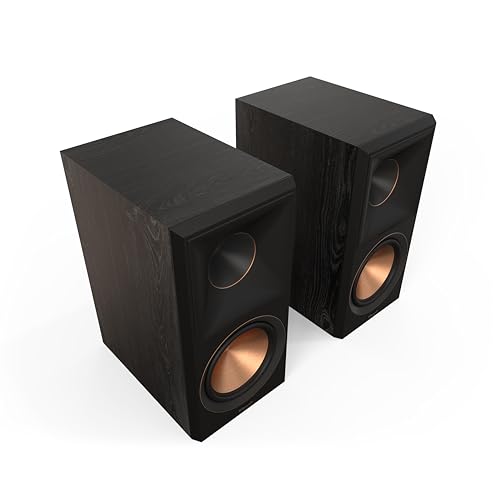
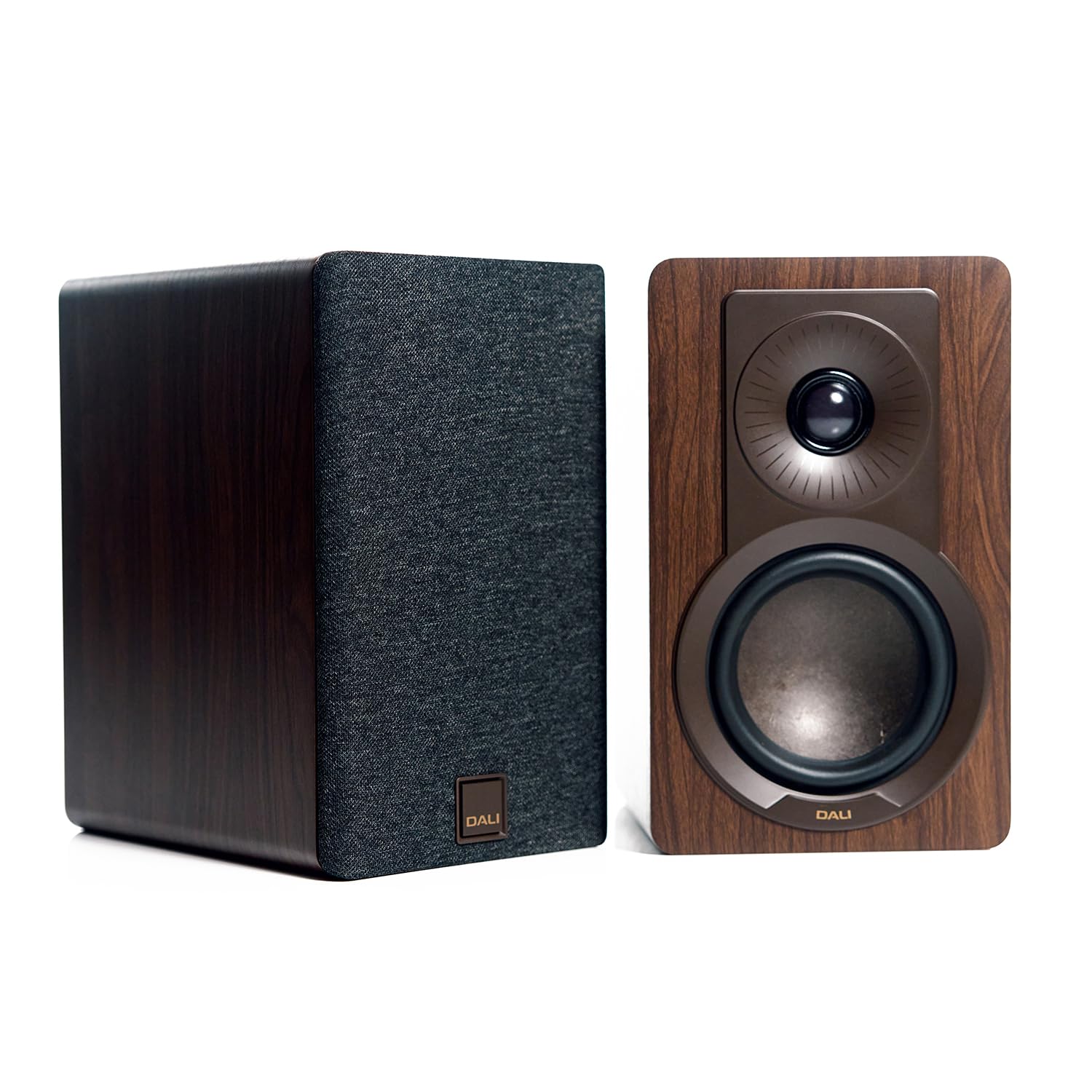
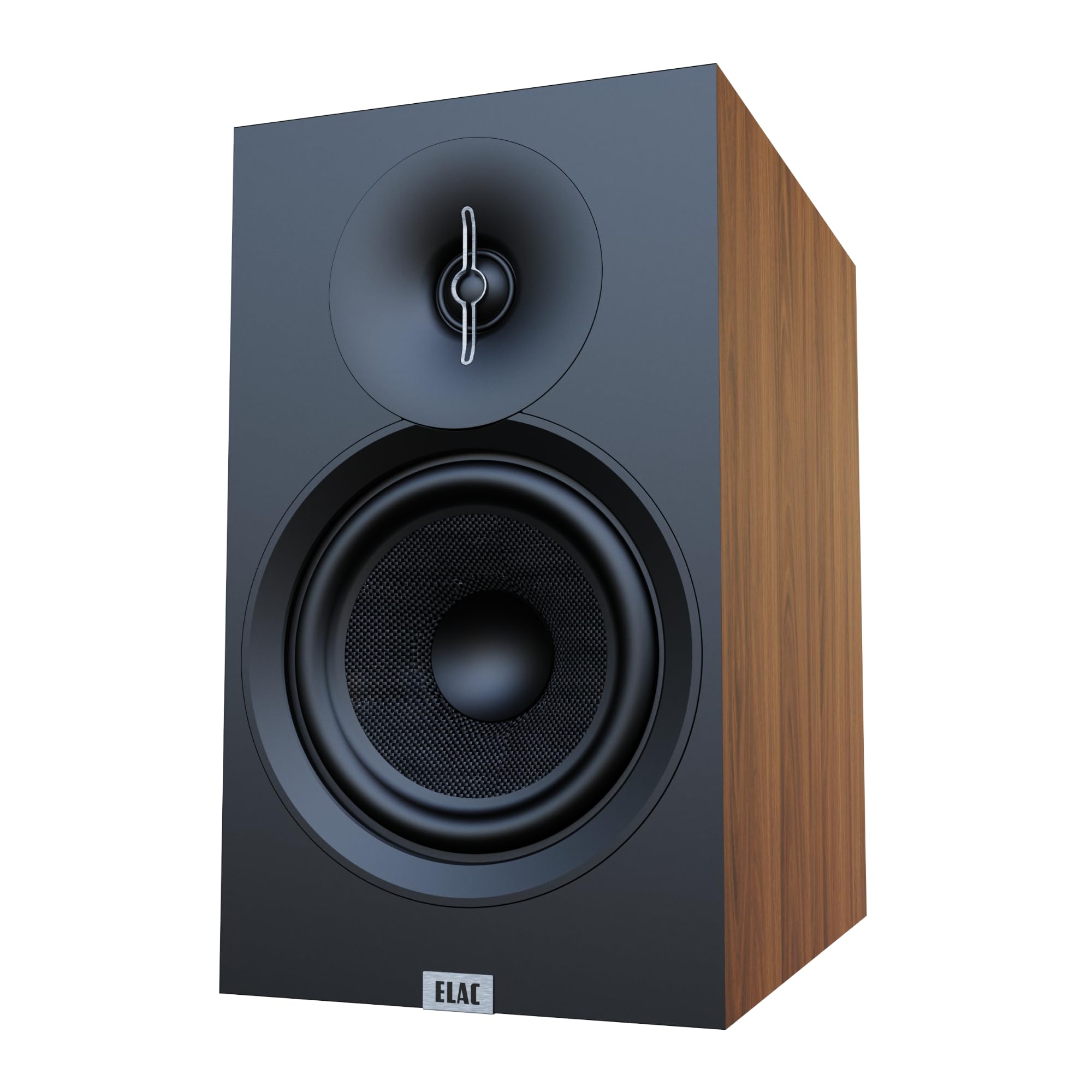


What Audiophile Listening Asks of a Small Speaker
Audiophile listening is not about loudness. It is about hearing separation between instruments, the air around a voice, and the decay of a note into silence. A bookshelf speaker has a real advantage here: a small cabinet with a well made tweeter can disappear as a sound source and let the recording create the stage.
The trade off is bass. A compact cabinet cannot move as much air as a tower, so low notes roll off earlier. Many dedicated listeners accept that and add a subwoofer later, or simply choose music where the midrange matters most, such as vocals, acoustic guitar, piano and small ensembles.
Passive or Active: How the Speaker Is Driven
A passive pair needs a separate amplifier, which gives you freedom to upgrade the electronics one piece at a time. A powered pair has the amplifiers inside, matched to the drivers by the maker, and usually accepts digital sources directly. Neither is automatically better for critical listening.
- Passive pairs suit people who already own a quality stereo amplifier or enjoy swapping components to shape the sound.
- Powered pairs suit people who want a compact setup with fewer cables, built in conversion and a tidy desk or shelf.
- Wireless powered pairs add streaming convenience, which matters if most of your listening comes from a phone or network player.
Match the Amplifier Before You Match the Style
Two numbers on the spec sheet tell you whether a passive speaker and an amplifier will get along: sensitivity and impedance. Sensitivity says how loud the speaker plays for a given amount of power. A lower figure means the speaker wants a stronger amplifier. Impedance, usually written as 4 or 8 ohms, tells you how hard the speaker is for the amplifier to drive.
A modest amplifier can drive an efficient 8 ohm design happily. A demanding 4 ohm speaker with low sensitivity may sound strained or thin on the same amplifier. When in doubt, read the amplifier manual for its minimum impedance and pick a speaker well inside that limit.
Imaging, Soundstage and Tonal Balance in Plain Words
Imaging
Imaging is how precisely you can place each instrument between the speakers. Good imaging depends on a clean tweeter, a rigid cabinet and symmetrical placement. If a voice drifts toward one side, the cause is usually room reflections or an uneven setup before it is the speaker.
Soundstage
Soundstage is the sense of width and depth. Speakers set well apart, angled slightly toward you, tend to create a wider stage. Pushing them tight against a wall flattens it, so leave breathing room whenever the space allows.
Tonal balance
Tonal balance means no part of the range stands out. Some designs are slightly warm and forgiving, which flatters long evenings of listening. Others are brighter and more analytical, which reveals recording flaws. Choose the character you can live with for hours, not the one that impresses in a short demo.
Setting Up the Best Bookshelf Speakers Audiophile Systems Rely On
Even a modest pair rewards careful setup. Use solid stands at ear height rather than a bookshelf, since a shelf adds boxiness and ties the speaker to nearby furniture. Aim for an equal triangle between the two speakers and your head, and pull them at least a hand span away from the rear wall.
Then adjust in small steps. Move each speaker a couple of inches, play the same familiar track and listen for tighter bass or a clearer center image. Notes on paper help, because memory of sound fades quickly. Soft furnishings such as a rug or curtains calm harsh reflections cheaply.
A Simple Listening Routine Before You Settle
Pick three recordings you know very well: a solo voice, a busy ensemble and something with deep bass. Play each at a moderate level and ask three questions. Can I hear the singer breathe? Can I point to each instrument? Does the bass stay controlled instead of boomy? A pair that answers yes to all three in your own room is ready to keep.
If you buy online, check the return window and run this routine in the first days. Rooms differ so much that a respected reference model can disappoint in one space and shine in another.
Where to Put Your Money First
Spread the budget with the room in mind. A strong speaker on a weak source wastes its detail, and a modest speaker on a strong source rarely improves. A balanced split often looks like this: the largest share for the speakers, a solid share for the amplifier or powered pair, and a small share for stands and quality cables.
Upgrade one link at a time and live with each change for a few weeks. Small, deliberate steps teach you what each component contributes, which is the habit that separates informed listeners from collectors of gear. If you want a wider view of what endures in this category, see our look at the best bookshelf speakers for audiophiles.
Frequently Asked Questions
Do audiophile bookshelf speakers need a subwoofer?
Not always. If most of your music lives in the midrange, a good compact pair can feel complete. A subwoofer helps with large scale orchestral or electronic music, but it must be blended carefully so the bass stays tight.
Is a passive pair really better than a powered pair?
Not by definition. Passive pairs offer upgrade freedom, while powered pairs offer matched, convenient systems. The better choice is the one that suits your source, your space and how much tuning you want to do.
How far apart should I place the speakers?
A common starting point is about the same distance between the speakers as from each speaker to your listening seat. Adjust a little wider or narrower until voices sit solidly in the middle.
Do cables make a big difference?
Use proper gauge copper cable of sensible length and keep connections tight. Beyond that, spend on placement and acoustics first, since they change the sound far more than premium cable.
The Bottom Line
Start with the room, match the amplifier honestly, and set the speakers up with care. Do that and the best bookshelf speakers audiophile listeners praise will deliver the imaging and tonal balance you came for. Compare the pairs in the product table above, then trust a short listening routine in your own space to make the final call.