
Best Bungee Chairs in 2026: Which Type Is Right for You?
Disclosure: We may earn a commission when you buy through links on this page, at no extra cost to you. As an Amazon Associate I earn from qualifying purchases. Learn more
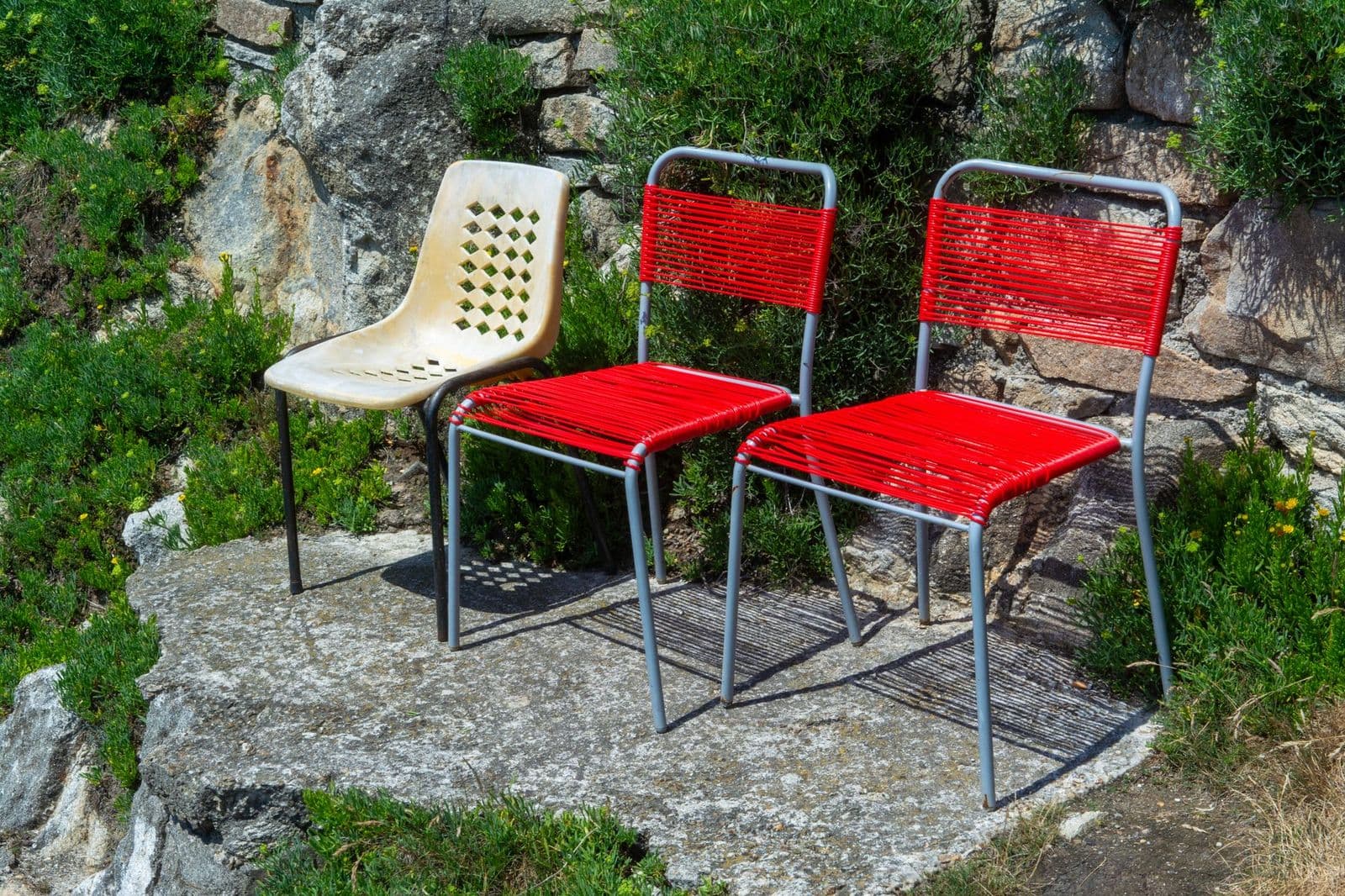
Compare the best bungee chairs by cord style, frame strength, seat size and price, with a clear checklist for desk, lounge and guest use at home.
Bungee chairs look simple, yet they feel very different once you sit down. Cord spacing, cord tension and frame shape decide whether a chair feels springy and supportive or loose and tiring. The best bungee chairs match those details to your body and your room, and the types below show how they compare.
This guide compares chair types. You will learn who each type suits, how flat cords differ from round cords, and which measurements matter before you order. Start with how you plan to sit, at a desk or in a lounge corner, and let that use lead every later choice.
Types of Bungee Chairs Compared
All bungee chairs stretch elastic cords across a frame instead of using a solid seat and back. The differences come from cord shape, how tightly the cords are woven, and whether the frame suits upright desk sitting or relaxed leaning. Judge each type by fit and use first.
Budget Bungee Chairs With Simple Steel Frames
Budget models usually cost about $60 to $120 and use round cords on a basic steel frame, often with fixed arms and a simple caster base or four plain legs. The cords give at once, so the seat feels soft for short sessions, reading or casual desk work. Cord spacing tends to be wider, which keeps the price down but lets heavier sitters sink deeper. Choose this type for a guest room or a second chair used for an hour or two at a time.
Premium Bungee Chairs With a Tighter Cord Weave
Premium models often cost about $180 to $350 and use more cords, placed closer together, on a stronger frame with a sturdier base. The tighter weave spreads your weight across more contact points, so the seat feels firmer and you sit higher in it. Flat cords are common at this level because their wide surface reduces pressure on the backs of your thighs. Choose this type if you sit daily or want a chair that still feels taut after years of use.
Flat Cord Bungee Chairs for Upright Desk Sitting
Flat cord models built for desks hold you upright, with a back that supports your shoulders without pushing your head forward. Most pair the cord seat with a caster base and a lift that sets seat height, so they work like task seating while staying cool and light. If you split your day between a desk and a play setup, see our guide to the best video game chairs. Choose this type when airflow and posture matter more than deep recline.
Budget Models vs Premium Models: Which Should You Choose?
Compare the two levels on four points. First, support: a tighter weave holds its shape under load, while a loose weave bottoms out sooner. Second, frame feel: premium frames flex less at the joints, so the chair feels calm when you shift. Third, sizing: premium lines more often offer wider seats and higher weight ratings. Fourth, upkeep: denser cords take longer to stretch out. That balance is what separates the best bungee chairs from chairs that feel fun for a month and saggy by winter. If you sit more than four hours a day, the premium level usually earns its cost, while a budget model suits guests and short tasks.
How to Choose the Right Bungee Chair
Work through these factors in order. Cord design comes first because it decides the sitting feel.
Cord Shape, Count and Spacing on a Bungee Chair
Flat cords feel broad and even, like a firm hammock, and they suit desk sitting because they spread pressure over a wide area. Round cords feel more springy and wrap around your body, which suits lounging but can press into your legs during long upright sessions. Count matters as much as shape. More cords with narrow gaps support you near the surface, while fewer cords let you sink and can leave marks on skin through thin clothing. Sit for ten minutes before judging, because the first minute always feels softer than the tenth.
Cord Tension and Support for Your Back
Tension decides how ergonomic a bungee chair feels in daily use. Cords should hold your pelvis level and let your lower back keep its natural curve without a hard push. Some chairs weave the back cords tighter at waist height for gentle lumbar support, and that zone should land at your belt line, not at your shoulder blades. Persistent back pain, numbness or tingling in your legs needs a doctor or a physical therapist rather than a new chair setting, so talk with your clinician about your personal needs.
Frame Strength and Weight Capacity of a Bungee Chair
Most bungee chairs are rated for about 225 to 300 pounds, and stronger frames may be rated near 350 pounds. Stay well under the rating, because a chair used at its limit sags sooner. Steel frames feel solid and cost less, while aluminum frames weigh less and resist rust in damp rooms. Check how cords attach to the frame, since wrapped and locked ends last longer than cords that simply hook over a bar. For a wider look at build quality across seating, see our guide to the best quality chairs.
Seat Size, Height and Sitting Posture in a Bungee Chair
Most seats measure about 18 to 20 inches wide and about 17 to 19 inches deep, and wider lounge frames can reach about 22 inches across. Your feet should rest flat, your knees should bend near a right angle, and the front cords should not press into your thighs. Leave about two fingers of space between the seat front and the back of your calves. Taller users need more depth, while shorter users need a lower seat or a footrest so their feet do not dangle.
Airflow, Style and Room Fit for a Bungee Chair
The open cord weave lets air pass through the seat and back, so you stay cooler than in a solid seat during warm months, and dust falls through instead of settling in seams. Visually, bungee chairs read light and modern, and the frame color shows as much as the cord color. Measure your desk opening before ordering, and check that caster bases clear your rug edge. In a small room, a chair without fixed arms slides closer to the desk and saves space. Readers setting up a desk corner may also want to see our guide to the best office task chairs.
Common Mistakes to Avoid
Most regrets come from fit and tension choices.
- Buying the softest feeling chair for all day desk work leaves your pelvis unsupported and your back tired by afternoon.
- Ignoring the weight rating lets the cords overstretch early, and the seat never returns to its first shape.
- Choosing a deep lounge frame for a desk makes you reach forward for the keyboard and strains your shoulders.
- Placing a caster base on a thick rug traps the wheels, and the chair twists instead of rolling when you move.
- Leaving a bungee chair in strong sun for months weakens the elastic, and the cords lose their snap.
- Sitting on the front edge only overloads a few cords, and those cords stretch first.
Setup and Care for Bungee Chairs
Assembly is usually light work. Attach the base and arms as the maker directs, set the seat height so your feet rest flat, and sit slowly the first time while the cords settle. Recheck every bolt after the first week, then check again every few months.
Care is simple and cord focused. Wipe cords with a damp cloth and mild soap, then let the chair air dry fully before use. Keep sharp objects and pet claws away from the cords, since a cut outer sheath weakens the whole strand. Store the chair indoors out of direct sun, and rotate it with another seat if you can, because rest days help elastic recover.
FAQ
How do I choose the right size bungee chair for my body?
Choose the size by seat width, seat depth and your own hip width together. Seat measurements matter more than overall chair size, because the arms and back add inches you never sit on. Add at least one inch of free space on each side of your hips so the cords can move as you shift. If you shop online, compare the listed seat depth with a dining chair that already feels right at home.
What bungee chair features matter most for long desk sessions?
For long desk sessions, a flat cord weave and a back tension zone at waist height matter most. One point many buyers miss is arm height: your elbows should rest with your shoulders relaxed while you type, or your neck does the extra work. Take a short standing break each hour, because even a well fitted cord seat cannot replace movement.
Is an expensive bungee chair worth the extra cost?
An expensive bungee chair is worth it when it offers replaceable cords and a longer frame warranty. Those details change the real cost over time, because you can refresh the sitting surface instead of replacing the whole chair. Ask before buying whether single cords or full cord sets are sold for your frame. Without spares, a premium price buys comfort today but no clear path when the weave softens.
How long should a good bungee chair last with daily use?
A good bungee chair should last about five to eight years with daily use before the cords feel clearly softer. Check wear with a simple test: sit, stand, and watch how fast the seat returns to flat. A slow return that leaves a shallow bowl shape means the elastic is tiring. Planning a replacement then beats waiting until one cord snaps during use.
Final Thoughts
Start with your main use, then match cord shape and tension to it, and confirm seat size and weight rating before you look at color. Desk sitters do best with flat cords and an upright back, loungers with round cords and a deeper frame, and guests with a simple budget model. Compare type, size and price before you buy.
Chosen with care, best bungee chairs give you cool, springy seating that stays light in the room and easy to move. Pick the type that fits your longest typical sit.


