Best Book Stand for Large Textbooks of 2026: Complete Buying Guide
Disclosure: We may earn a commission when you buy through links on this page, at no extra cost to you. As an Amazon Associate I earn from qualifying purchases. Learn more
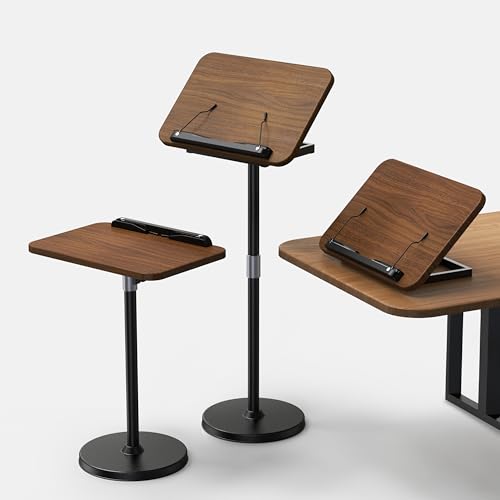
A book stand for large textbooks needs a wide ledge, strong hinges and a stable base. Compare size, angle settings and value for long study sessions.
Large textbooks are heavy, wide, and awkward to hold open for long study sessions. A weak stand tips under the weight, lets pages slide shut, and forces you to hunch over the desk. Choosing the best book stand for large textbooks means looking past small reading stands and checking the ledge width, hinge strength, and base stability that a thick book actually needs.
This guide walks you through the measurements, materials, and angle settings that matter most for oversized books. You will learn how to match a stand to your book size, your desk space, and your daily study habits. Use the comparison table below to see how the main options differ, then read on for the details behind each factor.

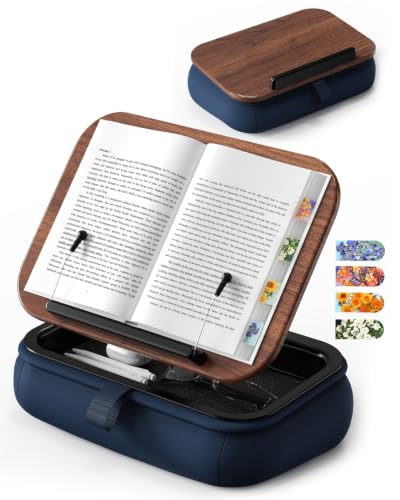
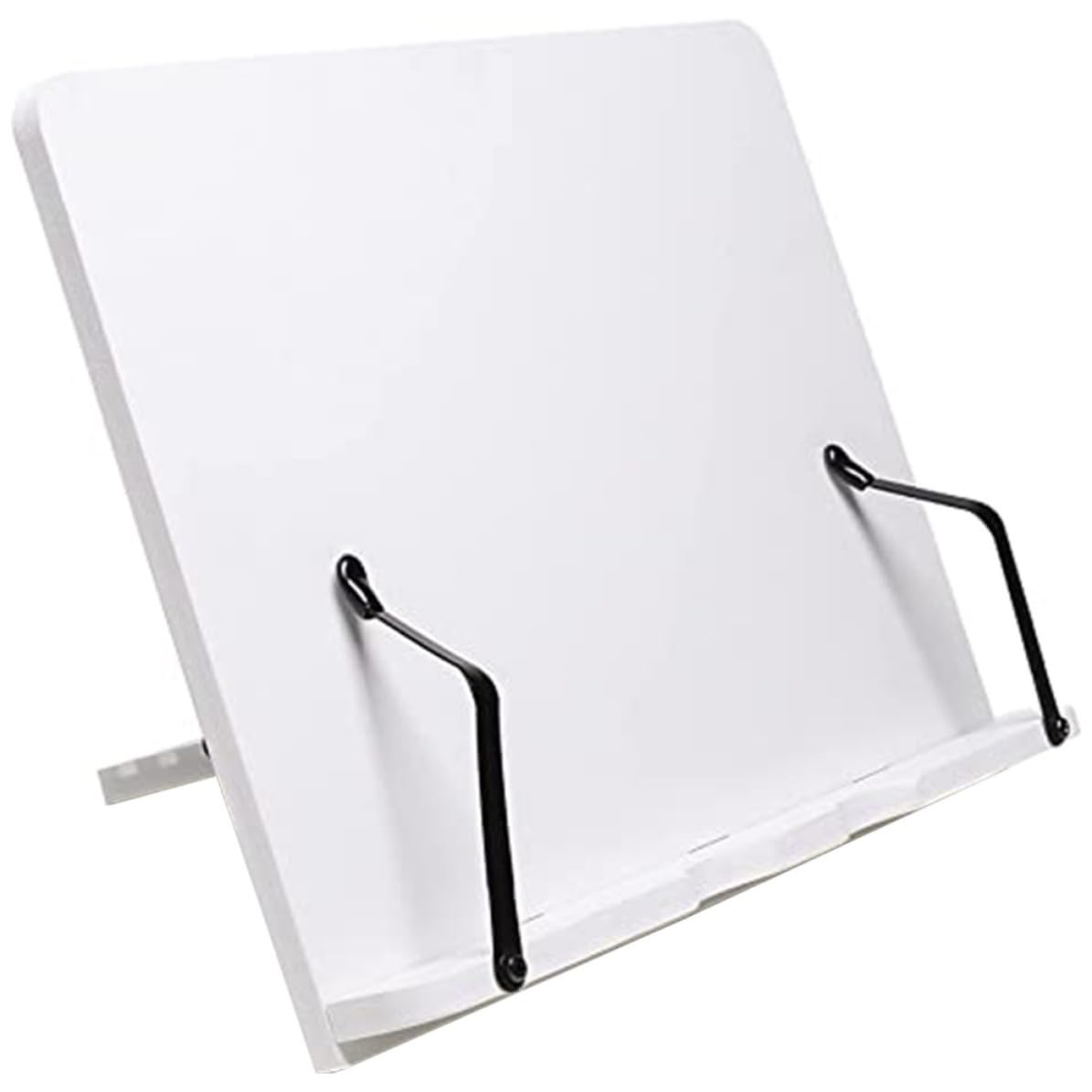


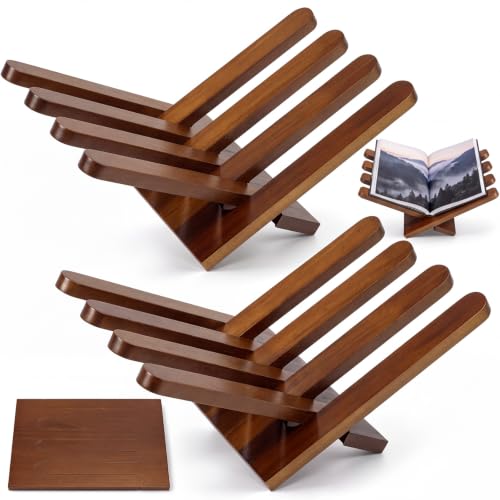
What Strong Support Looks Like for a Heavy Textbook
Before you compare prices or finishes, learn to spot the three structural signs of a stand that can truly carry a large textbook. These checks replace guesswork with simple observations you can make from product photos and listed dimensions.
A Wide Ledge and a Tall Back Panel
The ledge is the shelf at the bottom that carries the full weight of the book, and the back panel supports the cover and pages. For a large textbook, look for a ledge that runs nearly the full width of the panel so the book rests evenly instead of sagging at the corners. The panel should rise high enough to support most of the back cover, since a short panel lets a tall book lean and slowly slide down.
Hinges and Locks That Hold Their Angle
Angle adjustment is only useful if the joint stays where you set it under load. Strong stands use metal hinges, firm friction joints, or a notched bar at the back that drops into solid slots. The joint should feel deliberate, with clear steps or strong resistance rather than a loose swing. If a listing shows the stand holding a thin paperback only, treat that as a warning sign, since a joint that slips with a light book will creep downward under a heavy textbook.
A Base That Stays Put on the Desk
Stability comes from footprint, weight, and grip working together. A deeper base gives the stand leverage against the forward pull of an open book, and nonslip pads under the base stop slow sliding across a smooth desk. The stand itself should have some real heft, since a very light frame can rock each time you turn a page. Place your heaviest book on the stand during your first session and watch the base while you turn pages.
How to Choose Book Stands for Large Textbooks
Features That Matter Most for Large Textbooks
When you shop for the best book stand for large textbooks, start with page holders, because thick books push back against the stand. Clips or arms that rest gently on the open pages keep them flat without tearing, and they should swing clear when you turn a page. Next, count the angle settings, since a range from near flat to fairly steep lets you match the stand to your chair height and lamp position. Finally, check the stated weight capacity and treat it as a ceiling, not a target.
How to Measure Your Book and Your Desk Space
Measure your largest textbook closed, noting its height, width, and thickness, then add a little room on each side for the cover to open fully. Compare those numbers with the panel width and ledge depth in the listing rather than trusting words like large or jumbo. On the desk, measure the depth you can give up, since a steep angle needs less surface than a shallow one.
Intended Use and Who Should Buy One
Students in law, medicine, engineering, and similar fields gain the most, because their core texts are thick, costly, and open for hours at a time. A raised stand keeps both hands free for notes and brings the page closer to eye level during long reading blocks. Tutors and teachers also benefit when they share a reference book with a student beside them, since an angled panel is easier for two people to read.
Warranty and Customer Support
A warranty matters more on a stand for heavy books because the hinge and ledge take real daily strain. Look for at least a one year warranty that covers joints and structural parts, and read what the claim process asks of you before you buy. Save your order details and register the product if the maker offers registration, since that speeds up any later claim. Responsive support also helps with small parts, such as a lost page clip or a worn pad.
Price and Value for Book Stands
Basic stands for large textbooks often cost around $20 to $35 and suit occasional reading with moderately heavy books. Mid range options at about $35 to $70 usually add stronger hinges, wider panels, and better page holders, which is where most students find the best balance. Premium stands at around $70 to $120 tend to use thicker wood or metal and smoother adjustment. Judge value by how often you read and how heavy your books are, not by finish alone.
Safety and Stability Checks
Set the stand on a flat, dry surface and load your heaviest book before trusting it near a laptop or a drink. Check that the page holders press lightly and never dig into paper, and confirm that no sharp edge touches the cover. If you feel ongoing neck or back pain, talk with a clinician about your posture and setup.
Main Styles of Book Stands for Large Textbooks
Most stands for oversized books fall into three broad groups based on build and price. Knowing the group helps you set expectations for strength and portability before you look at individual listings.
Mid Range Options
Mid range stands are the practical middle ground for most readers. They often use bamboo, sturdy engineered wood, or steel with several angle settings and spring loaded page arms. You can expect a panel wide enough for standard large textbooks and a hinge that holds well under daily loads. The trade off is usually finish, with simpler edges and less smooth adjustment than premium builds.
Compact Options
Compact options fold flat or use a slim panel so they slide into a backpack or a desk drawer between sessions. They suit readers who study in several places, such as a library, a dorm, and home. The compromise is capacity, since a smaller panel and lighter frame handle moderate textbooks better than the very largest volumes.
Premium Options
Premium stands focus on thick materials, smooth and quiet hinges, and a finish that suits a shared office or a formal study. Solid wood and heavier metal frames feel planted under the largest textbooks and resist flex when you rest a hand on the page. Many add finer angle steps, which helps you fine tune glare from a window or lamp. These stands weigh more and travel poorly, so they make the most sense as a permanent desk fixture.
Tips to Get the Most From Your Book Stand
A few simple habits will keep your stand steady and your textbooks in good condition.
- Read the instructions before first use so you learn the correct way to set the support bar and page arms.
- Set the angle so the top of the page sits near eye level, then adjust your chair instead of forcing a steeper angle.
- Wipe the panel and ledge with a soft dry cloth each week to clear dust and grit that can mark a cover.
- Store the stand in a dry place away from direct heat, since damp air and heat can warp wood and weaken glue joints.
- Register the product for warranty coverage and keep the receipt with your study supplies for easy access.
- Inspect the hinge and page holders each month and stop using the stand if a crack or a bent arm appears.
Frequently Asked Questions About Book Stands for Large Textbooks
What ledge depth do book stands for large textbooks need?
Book stands for large textbooks work best with a ledge depth of about 1.5 to 2 inches. That depth cradles the bottom edge of a thick book so the weight rests on the shelf instead of hanging from the page holders. A shallow ledge under one inch lets a heavy spine slide forward during long sessions. Measure the thickness of your thickest book at its spine and choose a ledge that matches or slightly exceeds that measurement.
How much weight should a book stand for large textbooks hold?
A book stand for large textbooks should hold at least twice the weight of your heaviest book. That margin matters because turning pages and resting a hand on the book add brief extra force beyond the resting weight. Many large textbooks weigh about 4 to 8 pounds, so a stated capacity near 15 pounds gives comfortable headroom. If a listing gives no capacity at all, treat that silence as a reason to look at a sturdier option.
How do you maintain a book stand for large textbooks?
You maintain a book stand for large textbooks by keeping its joints clean and snug. Use a small brush to clear dust from hinge slots, then check any screws or bolts by hand and snug them gently if they feel loose. Avoid overtightening, since excess force can strip threads in wood or crack a plastic joint. A drop of care at the hinge each term prevents the slow wobble that dust and loose fittings cause over time.
Are expensive book stands for large textbooks worth the extra cost?
Expensive book stands for large textbooks are worth the cost when you read heavy books daily for years. The clearest gains are thicker panels that resist flex and hinges that keep their grip after thousands of adjustments. Think in terms of cost per year of study rather than the price on the day you order.
How much should you spend on a book stand for large textbooks?
You should spend based on how often the stand will carry your heaviest books. Occasional readers with one moderately heavy text can stay near the lower end of the ranges in the product table above. Daily readers and professionals who rely on large references should budget for the middle or upper range, where hinge strength improves most. Spending a little more once is usually wiser than replacing a weak stand in the middle of a busy term.
How long does a book stand for large textbooks usually last?
A book stand for large textbooks usually lasts several years when it is sized correctly and kept dry. Metal and solid wood frames often outlast thin plastic frames, especially at the hinge. Clear signs that a stand is near the end include a ledge that sags under a familiar book, a joint that no longer holds its setting, and page arms that have lost their spring. Replacing the stand at those signs protects your books from a sudden slide or fall.
Final Thoughts
The right stand for a large textbook comes down to three checks. Match the panel and ledge to your largest book, choose a hinge that holds firmly under real weight, and give the base enough room on your desk. Compare your short list against the product table above, weigh the mid range and premium groups against your daily reading load, and you will land on the best book stand for large textbooks for your study routine.