
Best Book Sets for First Graders: Budget, Midrange, and Premium Picks for 2026
Disclosure: We may earn a commission when you buy through links on this page, at no extra cost to you. As an Amazon Associate I earn from qualifying purchases. Learn more

Compare the best book sets for first graders at every price point. Learn what you get at budget, midrange, and premium levels and where spending more pays off.
Prices for early reader sets swing widely, from slim paperback bundles under the cost of a family lunch to boxed hardcover collections that cost far more. The extra money does not always buy better learning, so it pays to know what each level really adds. This guide breaks down the best book sets for first graders by budget, so you can spend on reading fit and durability instead of decoration.
Use the comparison table below to compare book counts and prices at a glance, then read the tier guide to see what your money buys at each level.


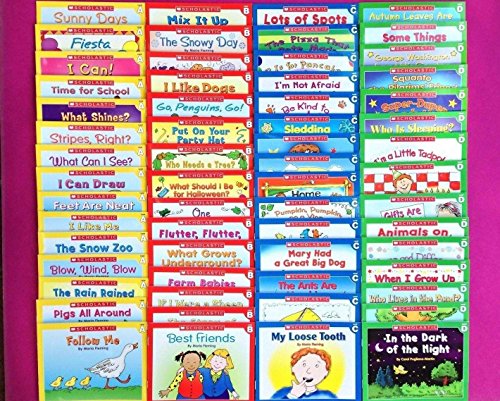


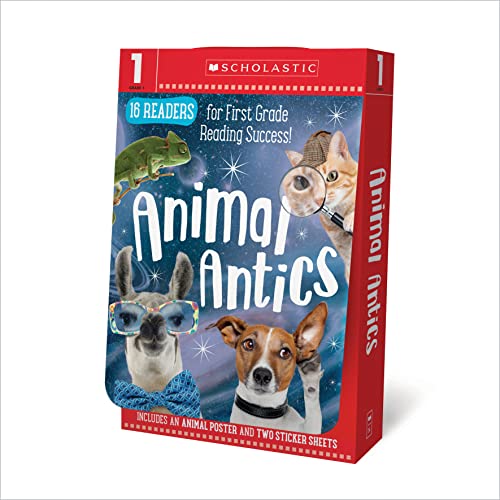
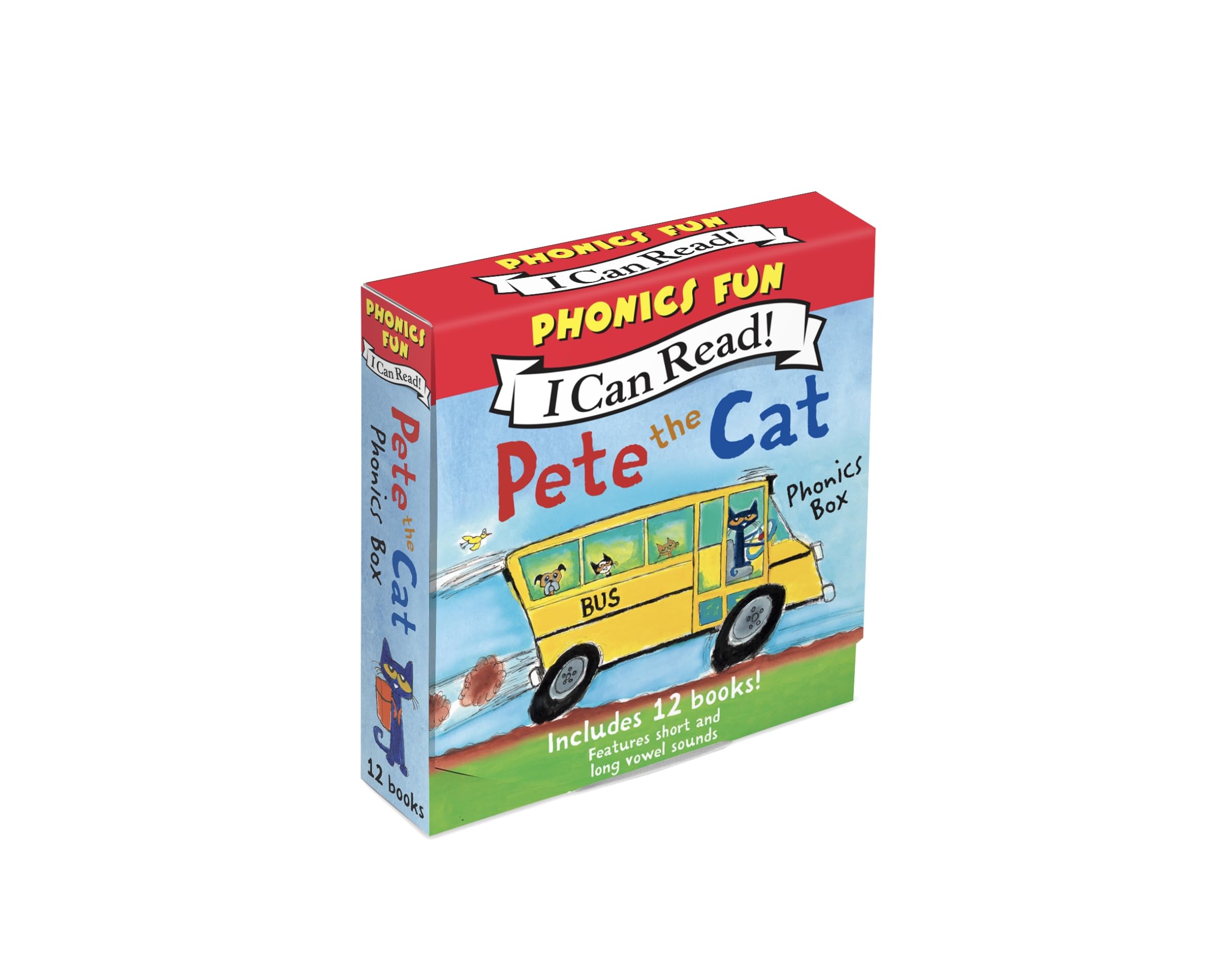
What Your Money Gets You at Each Price Tier
Budget Tier: What to Expect
Budget sets usually cost about $15 to $30 and focus on volume: many slim paperbacks with simple stories, controlled vocabulary, and pictures on most pages. That is genuinely useful at this stage, because first graders need repetition and quick successes. What you give up is paper strength and any guidance for parents. Read the listing level labels closely, since budget bundles sometimes mix very easy books with much harder ones. A set your child can mostly read alone, with a little help, is the goal at any price.
Midrange Tier: The Sweet Spot for Most Buyers
Midrange sets usually cost about $30 to $60, and the upgrade you feel most is structure. Books follow a clear level path, the box keeps them in teaching order, and bindings survive a year of backpacks and bedtime. Many sets at this level align with the stages teachers describe, which makes home practice match school practice. If you buy one set for the first grade year, this tier usually serves best, and its resale or hand me down value stays strong because the box keeps every volume present and tidy.
Premium Tier: When Spending More Pays Off
Premium sets often cost about $60 to $110, and spending more pays off when several children will use the books, or when the parent extras genuinely help you coach reading at home. Hardcover pages turn more easily for small fingers and resist tearing during enthusiastic rereads. It pays off less when the premium buys only a fancy outer box around ordinary paperbacks. Compare format details and page counts in the listing text, and remember that the wider family of the best book sets includes many midrange options that teach just as well.
Features Worth Paying For (and Ones to Skip)
Features That Matter for First Graders
First graders are learning to decode, so the features that matter are controlled vocabulary, repeating sentence patterns, and words that follow the phonics patterns they are learning in school. Look for large, clear print with generous spacing, a picture on most pages, and stories of about ten to twenty pages early in the set. Level labels should rise gradually across volumes. Skip sets that jump from single sentences to dense paragraphs in two books, because that cliff is where many young readers lose confidence and start avoiding reading time.
Build Quality and Materials
Young readers are hard on books, so binding and paper matter more than cover art. Reinforced bindings survive being opened flat on the floor, and slightly thick matte pages turn without tearing and show print clearly. A wipeable cover finish helps after snack time reading. For boxed sets, a sturdy box doubles as the organizer that keeps levels in order; families comparing the best book box sets will see the same pattern, where the box quality predicts how complete the set stays after a year of daily use.
Intended Use and Who It's For
Match the set to its job. A set for daily reading practice should sit right at your child current level with a gentle stretch. A set for bedtime can be a little harder, since you read together and can help with tricky words. Classroom and tutoring sets need the toughest bindings. Gift buyers should choose broad, funny, kind stories that appeal across tastes. If your child is racing ahead, look up a level rather than across to harder gifts; steady success builds the reading habit faster than struggle does.
Ease of Use and Setup
A set is easy to use when a child can start alone: numbered books, a clear order on the box, and volumes light enough for small hands. Set up a small reading corner with the box at child height and a bookmark inside the current book. One know how tip that works well is a simple progress chart on the fridge, where your child adds a sticker per finished book. That tiny ritual turns a box of books into a game with a visible finish line, and it costs nothing beyond the set itself. For a lasting format, our guide to the best hardcover book sets covers sturdy editions worth keeping.
Long Term Costs to Factor In
The main long term cost is the next level. First graders move fast, so a set bought in autumn may be outgrown by spring, and the follow on set belongs in your budget from the start. Replacement copies of a lost book cost more per book than set pricing, which favors sturdy boxes. On the plus side, complete early reader sets pass easily to siblings, cousins, and classrooms, and beloved story collections can graduate into family keepsakes like the best classic book sets many households keep for years. Buying one complete, well matched set beats buying two partial sets that overlap.
Frequently Asked Questions
What features matter most in book sets for first graders?
Decodable words, gradual level growth, and picture support matter most. A set should let your child read most words independently while meeting a few new ones per book. When families search for best books sets for first graders, they often overlook print spacing, yet wide spacing between lines is what keeps a new reader from losing their place mid sentence.
Are expensive book sets worth it?
Expensive sets are worth it when several children will use them or when parent guidance extras will actually be used at home. For a single fast growing reader, midrange usually gives better value, because the level will change within the school year. Spend on fit and durability for this year, not on a keepsake your child may outgrow in months.
How do I maintain a book set?
Store the set in its box, upright and dry, and teach your child to use a bookmark and turn pages from the corner. Wipe covers with a dry cloth, and keep books away from lunchboxes and water bottles in backpacks. A quick weekly check that every volume is back in order keeps the level sequence intact for practice.
How long does a book set last?
Physically, a midrange or hardcover set lasts through several children. In learning terms, one set usually serves a first grader for a school term or two before the level is mastered. That short service life is normal and healthy, so plan to pass the set on and move up, rather than buying far ahead in hope.
How much should I spend on a book set?
Most families do well at about $30 to $60 for a midrange set with a clear level path and a strong box. Spend about $15 to $30 when you are testing a level early in the year. Whatever the tier, judge by cost per book and how many weeks of daily practice the set provides, not by the cover price alone.
Final Thoughts
Choose by reading fit first, level progression second, and durability third, and a first grader will actually finish the set you buy. Budget sets suit fast changing beginners, midrange sets suit most school year practice, and premium sets suit shared family use. Look again at the comparison table above and select the best book sets for first graders option that meets your reader where they are today.


