Best Breastfeeding Chairs: Every Type Explained Side by Side for 2026
Disclosure: We may earn a commission when you buy through links on this page, at no extra cost to you. As an Amazon Associate I earn from qualifying purchases. Learn more
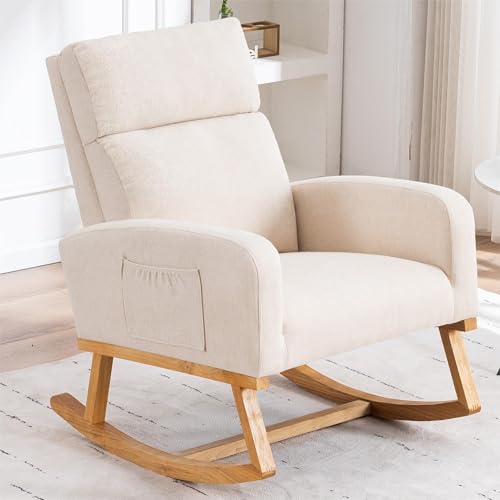
Best breastfeeding chairs compared by seat height, support, and size, with practical checks to run before you order.
Choosing among best breastfeeding chairs can feel confusing because the options look similar at first glance yet feel very different after an hour of feeding. Some chairs rock, some glide, and some stay still while you shift position, and each style suits a different room, body, and daily routine. This guide compares the main types side by side so you can judge them on seat height, arm support, back support, and size before you buy.
The comparison table below gives a quick overview of each type, including typical prices and who each style tends to suit. Use the buying factors later in this guide to narrow the choice to a chair that fits your space and body. A chair that keeps your feet flat, your shoulders relaxed, and your arms supported will make long sessions far more comfortable.
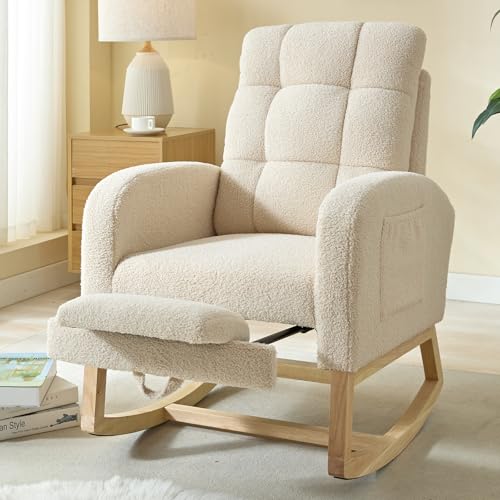
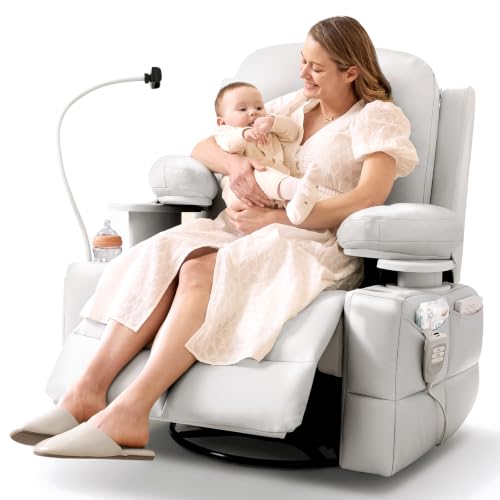

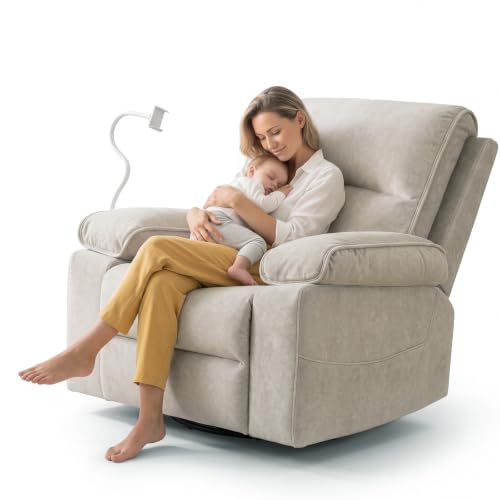

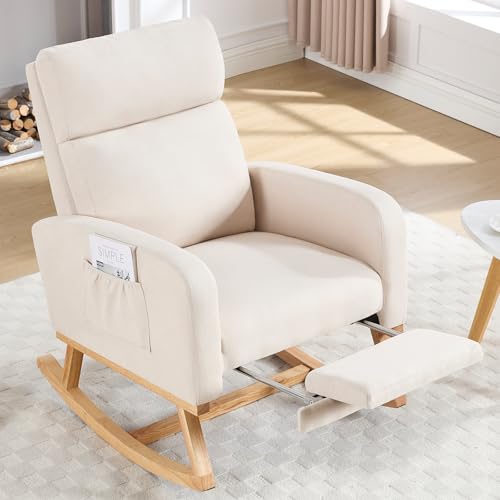
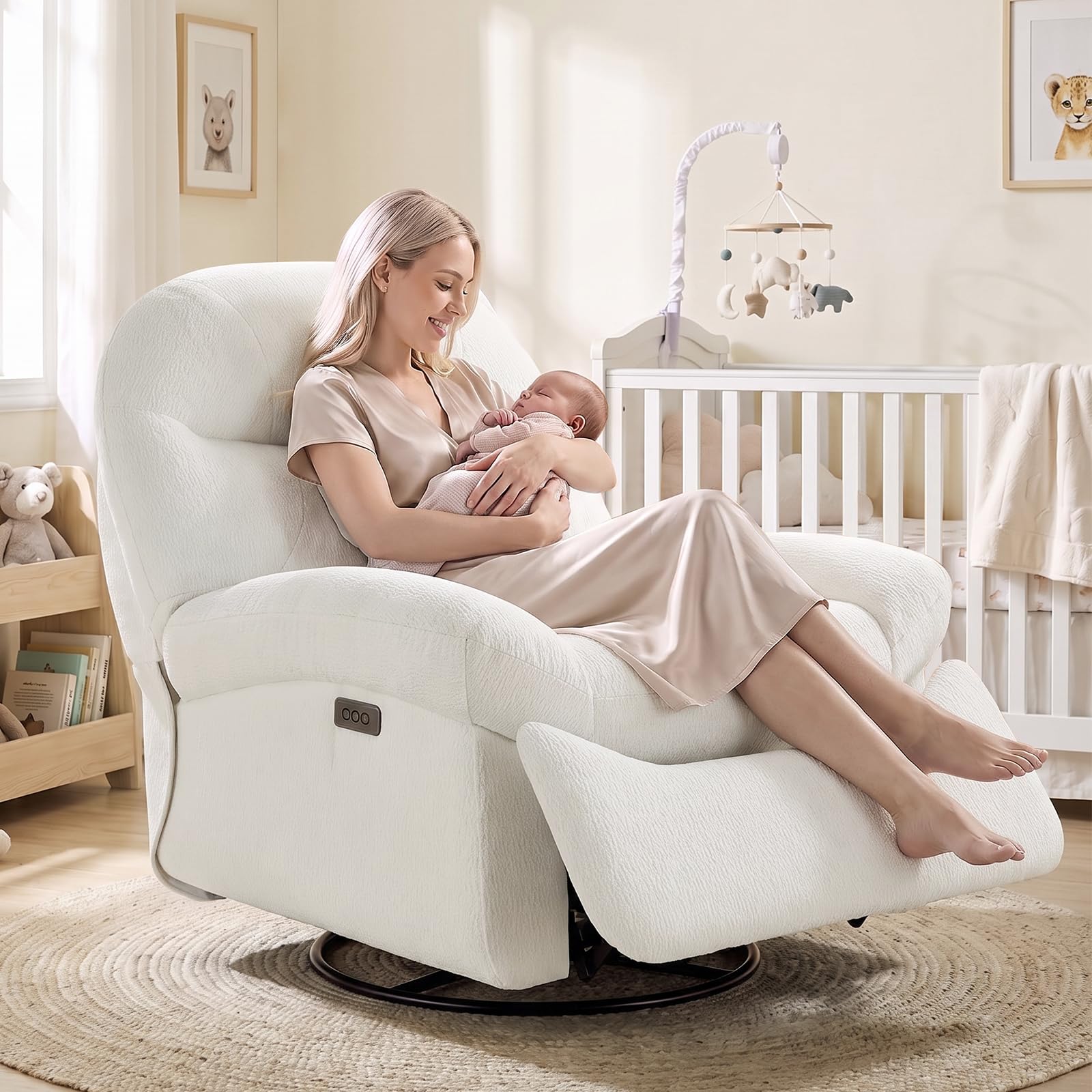


Types of Breastfeeding Chairs Compared
Use the table to shortlist one or two types, then read the detailed sections for the trade offs that matter most.
| Type | Best For | Pros | Cons | Typical Price |
|---|---|---|---|---|
| Budget models | Simple nurseries and short term use | Low cost, light frame, easy to move | Thinner padding, fewer adjustments | around $100 |
| Ergonomic models | Long sessions and back comfort | Shaped back support, adjustable arms, firm cushioning | Heavier, larger footprint, higher cost | about $250 to $500 |
| Compact models | Small rooms and shared spaces | Small footprint, easy to place near a crib | Narrower seat, less recline range | about $150 to $300 |
| Rocking and gliding models | Soothing motion during feeds | Gentle motion, calm rhythm | Needs clearance behind the chair | about $200 to $450 |
Rocking motion suits many parents because the steady movement can help a baby settle, and our guide to best rocking chairs for breastfeeding explains how rocker and glider motion differ. A rocker moves on curved rails, while a glider slides on a track and often feels smoother on hard floors. Check the clearance behind and beside the chair before you choose either style.
Budget Models
Budget models focus on the basics: a stable frame, a padded seat, and armrests at a height that lets you hold your baby without lifting your shoulders. Padding tends to be thinner than on costlier chairs, and the backrest often has a fixed angle rather than several recline positions. That simplicity keeps the price down and the chair light enough to move between rooms.
Choose a budget model when your feeding spot is already comfortable, for example when you have a footrest and a small pillow for lumbar support. Look for a sturdy frame, a seat wide enough for you and your baby, and fabric you can wipe clean. Skip chairs with wobbly arms or a seat so low that your knees sit higher than your hips.
Ergonomic Models
Ergonomic models are shaped to support the lower back, the shoulders, and the arms at the same time. The backrest often curves gently to follow the spine, the lumbar cushion sits where your lower back needs it, and the armrests adjust in height so your elbows rest without effort. Seat depth matters here too, because a seat that is too deep pushes you away from the backrest.
These chairs suit parents who feed for long stretches or who already notice back or shoulder tightness. The firmer, high density foam holds its shape longer than soft loose fill, and a tilt lock lets you fix the recline angle once you find a comfortable position. Expect a heavier chair and a larger footprint, so measure your room and doorways before ordering.
Compact Models
Compact models trade some seat width and recline range for a footprint that fits small nurseries, corners, and shared bedrooms. Many have a narrower base and a slimmer backrest, yet still offer a rocking or gliding motion. The best compact chairs keep arm support at a useful height rather than cutting the arms down to save space.
Measure the spot where the chair will sit, including the space needed for motion and for a footrest. Sit test the width if you can, because a chair that feels snug for a few minutes can feel cramped after an hour. Compact chairs also work well as a second chair in a living room or near a changing area.
Budget Models vs Ergonomic Models: Which Should You Choose?
Compare the two types on support, adjustability, size, durability, and price. Ergonomic models win on support and adjustability, since their shaped backs, adjustable arms, and tilt locks adapt to different bodies and positions. Budget models win on price and weight, and they suit shorter sessions or parents who already use cushions and a footrest.
Durability also differs. Ergonomic chairs often use denser foam and stronger frames, so they keep their shape through months of daily use. Budget chairs can still last well if the frame is solid and the fabric is easy to clean, but thin padding may flatten sooner. If you feed many times a day and value back comfort, the ergonomic type is usually better, while a budget chair makes sense when cost or space matters most.
How to Choose the Right Breastfeeding Chair
Work through the factors below in order, starting with size and support, then materials and assembly.
Materials and Upholstery
Mesh backs breathe well in warm rooms and dry quickly after spills, while fabric covers feel softer and come in more colors. PU leather wipes clean with little effort, which helps when milk or spit up lands on the seat, but it can feel warm against bare skin in summer. Solid wood frames look warm and traditional, while engineered wood frames cost less and still hold up well when joints are tight and well made.
Check whether covers remove for washing, since a removable cover makes long term care far easier. Our guide to best quality chairs covers frame and upholstery checks that apply here too, including stitching, seam strength, and how padding holds up over time. Avoid fabric that pills heavily or feels rough against skin, because you will spend many hours in contact with it.
Assembly and Delivery
Some chairs arrive nearly assembled, while others need you to attach the back, arms, and base yourself. Set aside an hour for assembly, and check whether tools are included or whether you need your own screwdriver and wrench. Clear diagrams matter more than a long written manual, especially when parts look similar.
Check delivery details before ordering, including box size, weight, and whether the box fits through your doorways and stairwell. Keep the packaging until you have sat in the chair for a few days, in case the fit does not suit you. Tighten all bolts after the first week, since new joints can settle slightly.
Style and Room Fit
A nursery chair should blend with the room without dominating it. Neutral fabrics suit most nurseries, while a bold color can anchor a corner if the rest of the room is plain. Consider the chair alongside the crib, the changing table, and any side table you use for water, a phone, or a book.
Place the chair where you can reach what you need without standing, and leave room for a footrest and a small side table. Our guide to best nursery chairs for breastfeeding looks at nursery layouts and floor space needs in more detail. If the room is small, a compact chair plus a separate ottoman often works better than a large recliner.
Size, Dimensions, and Weight Capacity
Measure your room, then compare the chair width, depth, and height with the space you have. Leave clearance for rocking or gliding motion, and check the seat height against your leg length so your feet rest flat on the floor or on a footrest. A seat that is too high leaves your feet dangling, while a seat that is too low makes standing up with a baby harder.
Check the stated weight capacity as a guide to frame strength, since you hold your baby and sometimes a blanket or pillow as well. Seat width should give you room to shift position without feeling squeezed, and armrest height should let your elbows rest at a natural angle. When in doubt between two sizes, the roomier seat usually feels better over long sessions.
Ergonomics and Adjustability
Ergonomics means the chair fits your body rather than forcing your body to fit the chair. Look for a backrest that supports the lower back without pushing your shoulders forward, armrests at elbow height, and a seat that keeps your hips slightly above your knees. Adjustable armrests help when two parents of different heights share the chair.
A tilt lock holds the recline angle steady, which matters when you lean back to feed and do not want the chair to drift. Lumbar support should sit at your lower back, and you can add a small cushion if the built in support sits too low or too high. Test the chair for at least twenty minutes when possible, since short sits hide pressure points that appear during long feeds.
Choosing Breastfeeding Chairs for Your Situation
Best Breastfeeding Chairs under 100: Which Type Works Best
Under 100 dollars, simple budget models and basic compact chairs offer the best value, because the money goes to a stable frame and adequate padding rather than powered features or premium fabric. Focus on three points: a seat height that lets your feet rest flat, armrests at a height that keeps your shoulders down, and a backrest tall enough to support your shoulders. Skip extras like built in massage or powered recline at this price, since they often come at the cost of frame quality.
Pair a budget chair with a footrest and a small lumbar cushion to close much of the comfort gap with costlier models. Check return terms before buying, since fit is personal and a chair that looks right online may feel wrong in your room. A simple chair that fits well beats a feature rich chair that leaves your shoulders aching.
Tips to Get the Most From Your Breastfeeding Chair
Adjust seat height so your feet rest flat, using a footrest when the seat sits high. Place a small pillow behind your lower back if the built in support does not reach the right spot, and keep water and a cloth within reach so you do not twist while holding your baby. Good lighting matters too, since a dim corner strains your eyes during night feeds.
Tighten bolts every few months, and vacuum or wipe upholstery regularly to keep fabric fresh. Rotate cushions when the design allows, and keep the chair away from direct heat sources that can dry out leather or fade fabric. Small habits like these keep a well chosen chair comfortable for the whole feeding period and beyond.
Frequently Asked Questions
What features matter most for long breastfeeding sessions?
Seat height, arm support, and back support matter most for long sessions, because they decide whether your shoulders stay relaxed and your feet stay flat. A backrest that supports your lower back without pushing you forward helps you sit upright without effort, and adjustable armrests let your elbows rest at a natural height. Add a footrest when your feet do not reach the floor, and choose firm padding that holds its shape rather than soft fill that flattens within weeks.
Is an expensive breastfeeding chair worth it?
An expensive chair is worth it when the extra cost buys better support, denser padding, and stronger construction that you will use many times a day for months. Costlier models often offer adjustable arms, a tilt lock, and a shaped backrest that budget chairs lack, and those features matter most for long or frequent feeds. A budget chair can still serve well when you feed less often or add a footrest and lumbar cushion. Judge the chair by how your body feels after a long sit, not by the price tag alone.
How do I choose the right size breastfeeding chair?
Measure your room first, then check seat width, seat height, and overall depth against your body and your space. Your feet should rest flat on the floor or on a footrest, your knees should sit at or slightly below hip level, and the seat should be wide enough for you and your baby without squeezing your arms. Leave clearance for rocking or gliding motion, and check that the chair fits through doorways if you plan to move it.
How long should a good breastfeeding chair last?
A well made chair should last through the whole feeding period and remain useful afterward as a reading or nursery chair. Frame quality decides longevity more than fabric alone, so check joints, bolt quality, and weight capacity before buying. Denser foam keeps its shape longer than soft fill, and removable covers help the chair look fresh after months of daily use. Tighten bolts every few months and clean spills promptly.
Can a breastfeeding chair work in a small nursery?
A compact chair can work well in a small nursery when you measure carefully and choose a style with a small footprint. Place the chair in a corner with enough clearance for motion, and use a small ottoman instead of a large footrest to save floor space. A glider often needs less rear clearance than a rocker, which helps in tight rooms. Avoid oversized recliners that block walkways or crowd the crib.
Final Thoughts
The right chair balances support, size, and price for your room and your routine. Start with seat height and arm support, then weigh motion, materials, and footprint before you decide. The product table above can help you compare the types once you know which style suits you. Choose the chair that keeps you comfortable through the longest feeds, and best breastfeeding chairs will feel less like a gamble and more like a well judged purchase.