Best Bone Conduction Headsets for 2026: Every Type Explained Side by Side
Disclosure: We may earn a commission when you buy through links on this page, at no extra cost to you. As an Amazon Associate I earn from qualifying purchases. Learn more

Compare the best bone conduction headsets by type, fit, battery life, and water resistance, with honest notes on sound quality, calls, safety, and price.
Bone conduction headsets send sound through your cheekbones and leave your ear canals completely open, which is why runners, cyclists, swimmers, and busy office callers all end up shopping for them for very different reasons. The trouble is that listings group very different designs under one label, and the differences decide whether a headset suits your day. This guide compares the best bone conduction headsets type by type first, so you can match the design to your routine before you compare prices. The comparison table below is the right place to start.
Every type below shares one core trait: your ears stay open to traffic, training partners, and conversation around you. That awareness is the main reason to buy this design, and it shapes the trade offs in sound, battery life, and fit that the rest of this guide covers honestly.

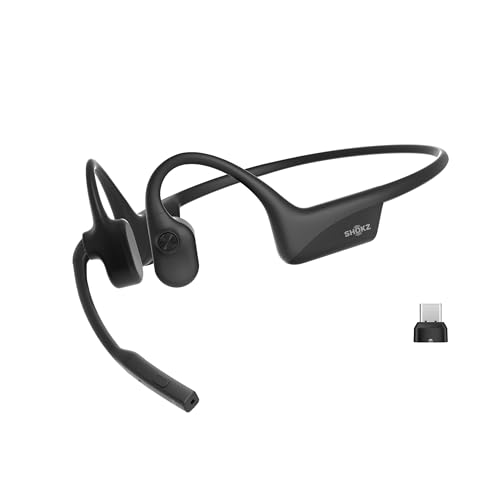

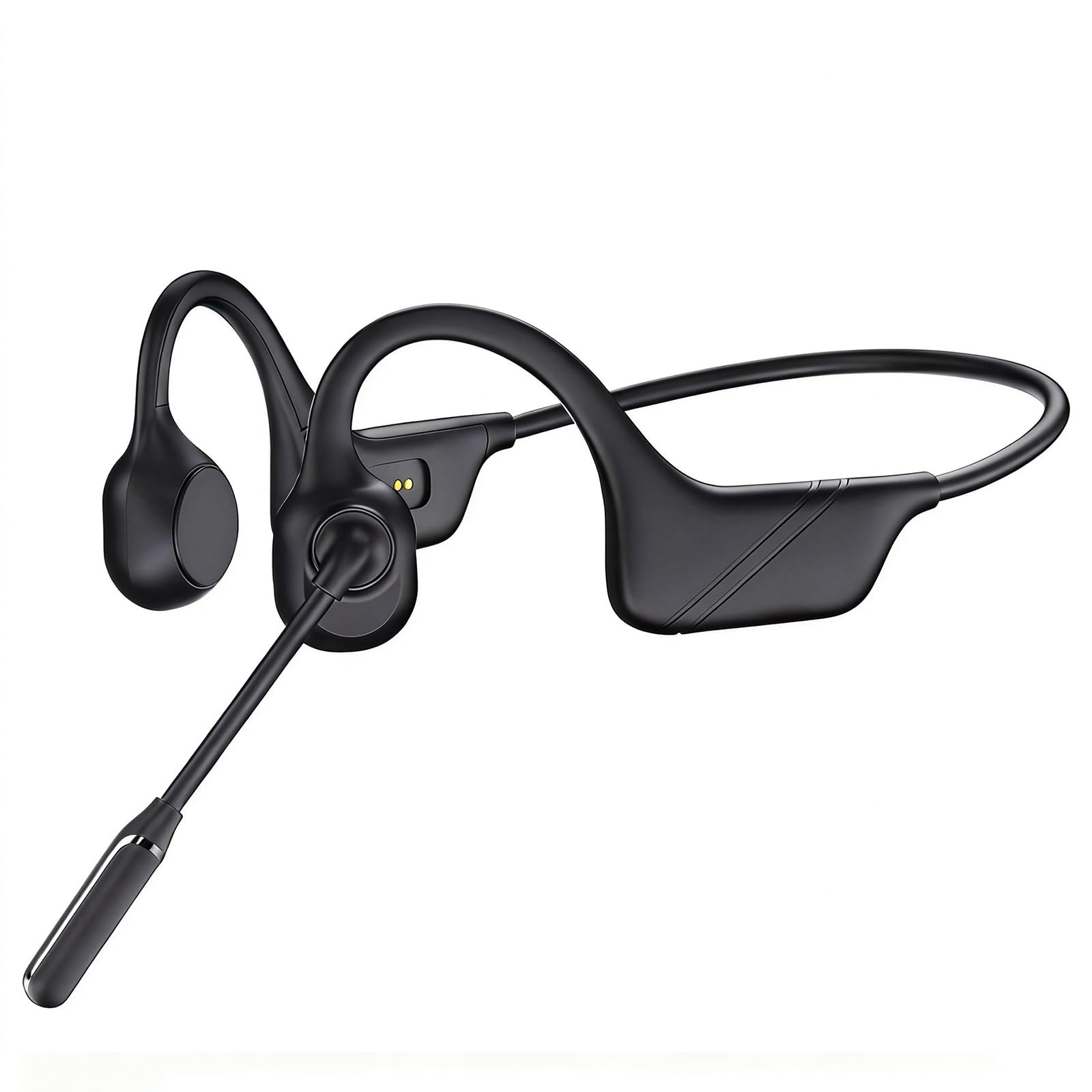
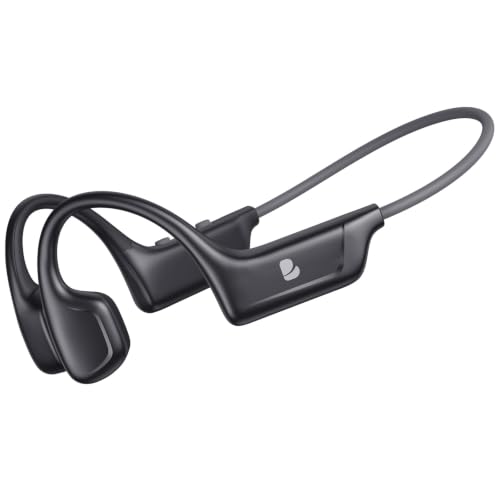
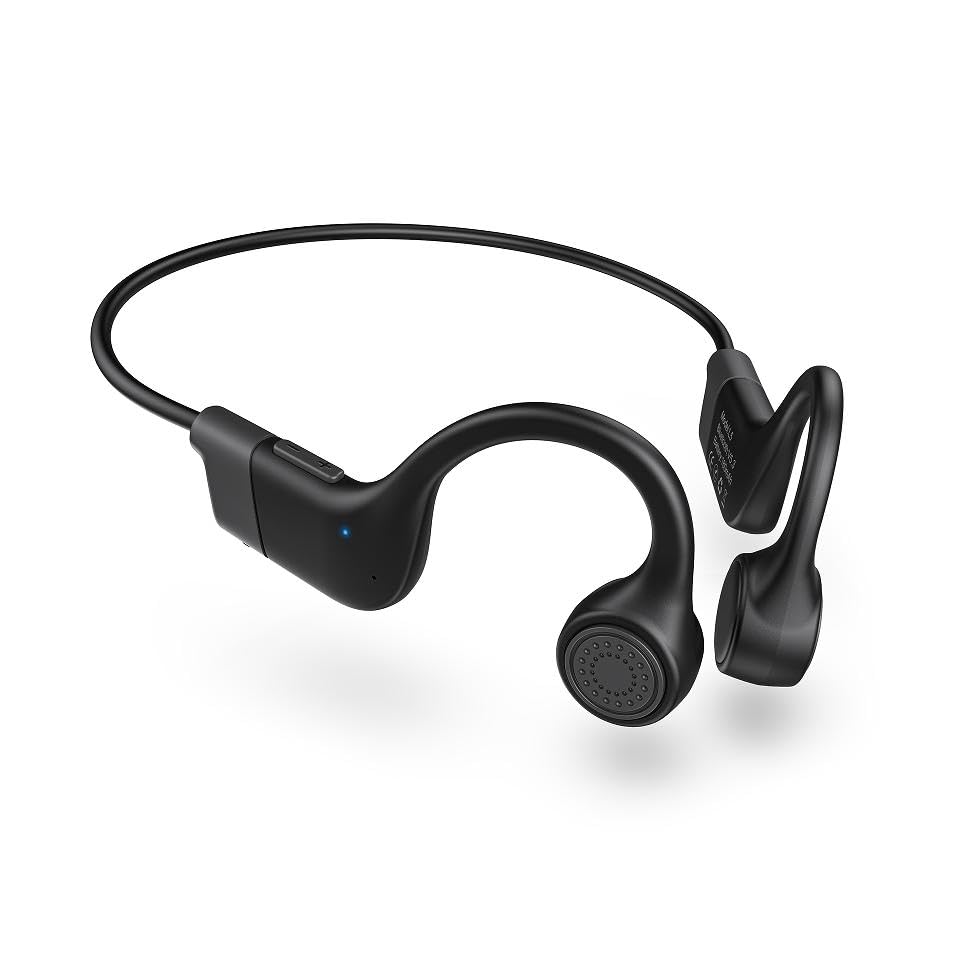
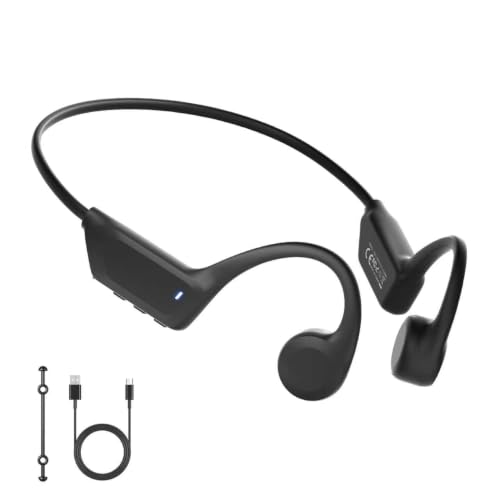


Types of Bone Conduction Headsets Compared
All of these headsets use the same basic method. Small transducers rest on the cheekbones just in front of the ears and pass vibrations through the bone to the inner ear, so nothing sits inside or over the ear canal. What changes between types is the frame shape, the controls, the sealing against sweat and water, and the extras each maker builds in. This summary table compares the four types side by side, and the sections under it explain who each one suits.
| Type | Best For | Pros | Cons | Typical Price |
|---|---|---|---|---|
| Sport neckband | Running, cycling, gym training | Secure fit, sweat resistant, glove friendly buttons | Sound leaks at high volume | About $60 to $130 |
| Call focused | Office calls and video meetings | Clear boom microphone, multipoint pairing | Less secure during hard training | About $80 to $160 |
| Swim rated | Pool laps and open water | Works underwater with built in storage | No Bluetooth streaming in the water | About $90 to $180 |
| Glasses friendly | All day wear with eyewear | Light frame, gentle clamp pressure | Modest bass, fewer extras | About $50 to $110 |
Sport Neckband Models for Training
Sport neckband models wrap a flexible band behind the head and hold the transducers firmly against the cheekbones, so the headset stays put through intervals, hills, and heavy sets. Most use physical buttons you can find by touch, which matters when your hands are sweaty or gloved. Look for an IP55 rating or better, since that level shrugs off sweat and rain without worry.
Weight is a real advantage here, with most sport frames landing around 25 to 35 grams, light enough to forget during a long run. The firm clamp that keeps them secure can press on the temples after a few hours, so an easy returns policy is worth having. If your training mixes pool time with lifting, our guide to the best headsets for gym covers the sealed designs many lifters still prefer for maximum bass under a barbell. Most sport frames recharge through a magnetic cable, so keep the spare cable in your gym bag rather than at home.
Call Focused Models with a Boom Mic
Call focused models add a boom microphone that sits near the corner of your mouth, and that placement is what separates clear calls from muddy ones. Your voice arrives louder and steadier than it does from tiny microphones built into a frame, and most call models add noise reduction that trims keyboard clatter and office hum for the people listening to you. Multipoint pairing lets the headset hold a laptop and a phone at once and switch between them.
These models trade training security for desk comfort, with softer clamp pressure and controls tuned for mute and volume instead of track changes. The open design is also the opposite of the best vr headsets, which close the ears off completely to sell immersion. Choose open ears when hearing a doorbell, a child, or a coworker matters more than shutting the room out.
Swim Rated Models with Built In Storage
Swim rated models exist because Bluetooth signals do not travel through water, so a streaming headset goes silent the moment your head dips under. Instead, these headsets carry your music on built in storage, usually about 4 to 32 GB, and you load files by cable before you swim. Ratings of IP68 or IPX8 mark models built for full submersion rather than splashes.
The frame is shaped to sit under a swim cap and alongside goggle straps without creating pressure points. Buttons are large and raised so wet fingers can pause or skip a track. Rinse the headset with fresh water after saltwater or chlorinated sessions, because dried salt and chemicals attack seals and charging contacts over time. In open water, the open ear design also lets you hear boats, lifeguards, and training partners, which sealed earbuds would block completely.
Lightweight Models That Sit Well with Glasses
Glasses wearers know the failure mode of most headsets: the frame fights your temple arms for the same small space behind the ear. Glasses friendly models use slimmer arms, softer materials, and gentler clamp pressure so both frames can share that space through a full workday. Some makers offer a smaller band size, which also helps if standard neckbands slide around on a smaller head.
The trade off is modest hardware. These everyday models usually skip onboard storage and boom microphones, and their bass is the lightest of the four types. In return you get a headset you can wear from breakfast to dinner without the slow temple ache that firmer sport frames can cause. If you wear glasses only for screens, judge comfort with your actual frames on, because thin metal arms and thick acetate arms behave very differently under the same band.
Sport Neckband vs Call Focused Models: Which Should You Choose?
These two types cover most buyers, so it helps to compare them directly. On fit, the sport neckband wins for movement because its firmer clamp resists bouncing, while the call focused frame feels better across an eight hour desk day. On microphone quality the order flips: a boom mic near your mouth sounds far clearer on calls and games than the frame microphones a sport model relies on, especially with any background noise. Battery runs close between them, with both types commonly landing in the same 6 to 10 hour window per charge.
Latency and controls also split the pair. Sport models use simple buttons and standard Bluetooth, which is fine for music and podcasts but can leave a small delay in video and games; players who notice that delay often cross shop the best headsets for ps5 before deciding. Call focused models usually add multipoint pairing and a dedicated mute control.
On price, call models cost more for the microphone hardware, while sport models put the same money into sealing and battery. If your week is mostly training, buy the sport type; if it is mostly meetings, buy the call type.
How to Choose the Best Bone Conduction Headsets
Once the type fits your routine, a handful of specs decides between individual listings. Work through the factors below in order, because fit and intended use matter more than any single number on a box. Two headsets with identical spec sheets can feel completely different on your head, and the honest differences show up in placement, pressure, and microphone position rather than in headline numbers.
Connectivity: Bluetooth Version, Codecs, and Multipoint
Current models ship with Bluetooth 5.1 to 5.3, and the newer versions hold a steadier connection through walls and crowded gyms. Multipoint pairing, which keeps two devices connected at once, is the single most useful upgrade for anyone who splits time between a computer and a phone. Walk out of range on one device and the headset quietly stays with the other.
Codec support shapes sound and delay. SBC works everywhere and is fine for calls and podcasts. AAC suits Apple devices, while aptX can reduce delay on supported Android phones and computers, which helps speech stay in step with video.
A few models also allow a wired USB C mode for computers, a handy backup when the battery runs low before a long call. When a listing names no codec beyond SBC, expect music and calls to sound fine and video to carry a small delay on some phones.
Comfort, Fit, and Weight
Fit decides whether any of the other specs matter, because a headset you remove after an hour fails at its one job. Most frames weigh about 25 to 45 grams, and the number alone does not predict comfort. Clamp pressure, band shape, and where the weight rests matter more, so a mini or small band size is worth choosing if standard frames slide on you.
Plan a long first session at home rather than during a race or a work presentation. Pressure points show up slowly, often as a dull ache at the temples or a hot spot where the band meets the neck. If a frame still bothers you after adjusting its position a few times, return it and try another shape instead of hoping you will adapt. Sizing options exist because one frame length cannot suit every head, and the right size often fixes problems buyers blame on the sound.
Transducer Placement and Glasses Compatibility
The transducers must sit flat on the cheekbones just in front of the ears. Sliding them even a few millimeters changes the sound, usually thinning the bass or adding a tickling vibration on loud passages. If the sound feels weak, reseat the pads before you blame the headset, and check that hair is not trapped underneath.
Glasses, sunglasses, and helmet straps all compete for the same area. Put your eyewear on first, then settle the headset, and let the glasses arms rest over the band rather than under it. Caps and wide headbands can push the transducers off position, so try your usual training kit together before a long session.
Sound Quality and Tuning
Set expectations honestly: bone conduction cannot match the bass depth or detail of sealed headphones, because the sound path bypasses the eardrum and the open ear lets outside noise in. What good models deliver is clear vocals, present midrange, and enough low end to give music shape at moderate volume. Listings that promise thunderous bass from this design are overselling the physics.
Sound also leaks. At high volume, people near you in a quiet room will hear a faint version of your audio, which matters in shared offices and on trains. Readers who rank music first often compare against the best headsets for music, and many keep a sealed pair for focused listening while using bone conduction everywhere awareness counts. Maker equalizer apps help a little, mainly by lifting vocals for podcasts and calls.
Microphone Quality
Microphone quality is the widest gap between cheap and better models. Frame microphones pick up your voice along with wind, traffic, and room echo, so outdoor calls from a basic sport model can sound rough to the other side. Boom microphones sit close to your mouth and reject far more of that noise, which is why call focused models exist.
Before a headset becomes your daily caller, record a few sample clips: one indoors, one on a breezy street, one with a fan or television running. Play them back and judge what your callers will hear. Dual microphone setups with voice focused noise reduction usually come out clearly ahead in this comparison, and the difference shows up in every meeting, not just bad ones.
Call app settings matter too. Choosing the headset as both the speaker and the microphone inside your meeting app, rather than leaving the laptop microphone active, prevents the echo and distant voice complaints that often get blamed on the headset itself.
Hearing Awareness and Road Awareness
Open ears help you hear traffic, cyclists, and warnings while you listen, and that is a real awareness benefit on roads and trails. Understand its limits, though: an open ear design is not hearing protection, and loud playback can still be hard on your hearing over time. Keep volume at a level where you can hold a conversation without raising your voice, and take listening breaks during long sessions.
These headsets are also not hearing aids. They make no medical claims, they do not treat hearing loss, and anyone with hearing concerns should ask a doctor or hearing professional rather than shop for one as a fix. On the road, awareness supports your attention but never replaces it, so follow local rules for cyclists and runners and keep your own eyes on traffic first.
Picking the Right Type for Different Uses
Best Affordable Bone Conduction Headsets: Which Type Works Best
Affordable in this category means about $40 to $80, and the money goes furthest in a simple sport neckband model. At this level you keep the essentials: a secure frame, an IP55 rating or better, physical buttons, and about 6 to 8 hours of battery. What you give up is multipoint pairing, onboard storage, and the boom microphone, so callers may hear more of your surroundings.
Do not save money by accepting a loose fit or a weak rating against sweat, because those are the two failures that end a training headset early. A basic model from the types in the product table, bought with a solid returns policy, serves most new buyers better than a feature heavy listing with a frame that slides.
One more money saving pattern: earlier colorways of a current frame often sell for less with identical hardware inside. Check that the rating, battery, and warranty match the full price version, and the discount is real rather than a stripped down variant wearing the same name.
Care and Maintenance Tips
These headsets have few moving parts, and most early failures trace back to sweat, salt, and crushed frames rather than electronics. A minute of care after hard sessions protects the seals and contacts that everything else depends on.
- Wipe the frame and transducers after sweaty sessions. Dried sweat corrodes charging contacts and stiffens seals, so a quick rinse or a damp cloth extends the life of the headset.
- Keep firmware updated through the maker app. Updates fix pairing bugs and occasionally improve call quality, and they take only a few minutes.
- Store the headset in its case. The transducers and thin band are the fragile parts, and a loose headset in a gym bag tends to get crushed or tangled.
- Let charging ports dry fully before plugging in. Charging a damp headset can damage the contacts, a warning swim models repeat for good reason.
- Use the included earplugs deliberately. Many models include foam earplugs that deepen bass in loud places like airplanes, but wearing them removes the awareness this design exists to provide, so save them for seated travel only.
Bone Conduction Headsets: Your Questions Answered
Wired or wireless: which sounds better?
Wireless sounds better in practice for this category, because nearly every current model is Bluetooth only and the few wired options target niche computer use. A modern Bluetooth connection with AAC or aptX carries calls and music cleanly. The one place wired still wins is delay: a cable has none, while Bluetooth adds a small lag that fast video and rhythm games can expose. For everything else, wireless freedom matters more.
Is ANC worth the extra cost?
No, because true active noise cancelling barely exists in bone conduction headsets. Cancelling works by sealing the ear and countering sound at the eardrum, and this design deliberately leaves the ear open. What some listings call noise cancelling is reduction applied to your microphone signal, which helps your callers, not your ears. Spend the money on fit, battery, or a boom mic instead of an ANC label.
How long does the battery last?
Most models last about 6 to 10 hours of listening per charge, with call focused designs sometimes stretching talk time further at lower drain. Swim models rate a little less while playing stored files. Quick charging is common and genuinely useful: about 10 minutes plugged in often returns an hour or more of playback. Battery life drops in cold weather and at high volume, so plan long winter sessions with some margin.
Do I need a special codec?
No special codec is required, because every model falls back to SBC, which handles calls and podcasts without issue. AAC is the better match for iPhones, and aptX helps some Android phones and computers keep video dialogue in sync. The practical rule is simple: check that your phone and the headset share at least one codec beyond SBC if you watch a lot of video. Otherwise, spend nothing extra chasing codec logos.
What IP rating do I need for outdoor use?
For running and cycling in sweat and rain, IP55 is a sensible floor, and IP67 adds confidence for downpours and muddy trails. Only models rated IP68 or IPX8 belong in the pool, since those ratings cover full submersion. One caution: ratings are measured with fresh seals in clean water, and they fade as seals age. Rinse off salt and chlorine, and never charge the headset while it is still wet.
Final Thoughts
Choose the type first, then judge fit in a long home session, then check the microphone with your own recordings before the returns window closes. Those three steps matter more than any codec logo or battery claim. Budget honestly for the extras you will actually use, such as a second charging cable or a hard case, instead of paying for features outside your routine.
Whether you train, swim, or live on calls, the best bone conduction headsets are the ones that stay comfortable, keep you aware, and sound clear at a volume your ears can live with. Compare your shortlist against the product table before you order.