Best Bone China Dinnerware Sets 2026: Elegant Table Guide
Disclosure: We may earn a commission when you buy through links on this page, at no extra cost to you. As an Amazon Associate I earn from qualifying purchases. Learn more

Compare bone china dinnerware sets by weight, translucency, place settings, and care so you buy a set that looks refined and survives daily use.
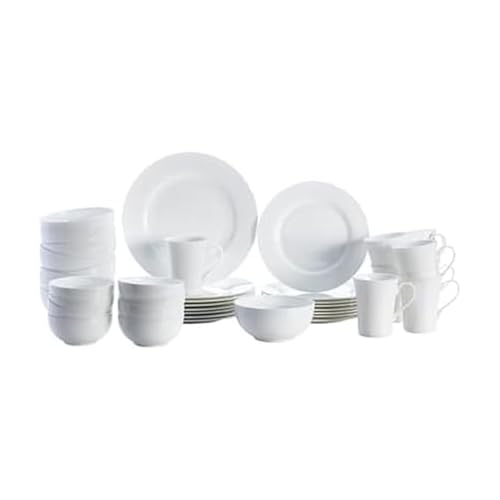
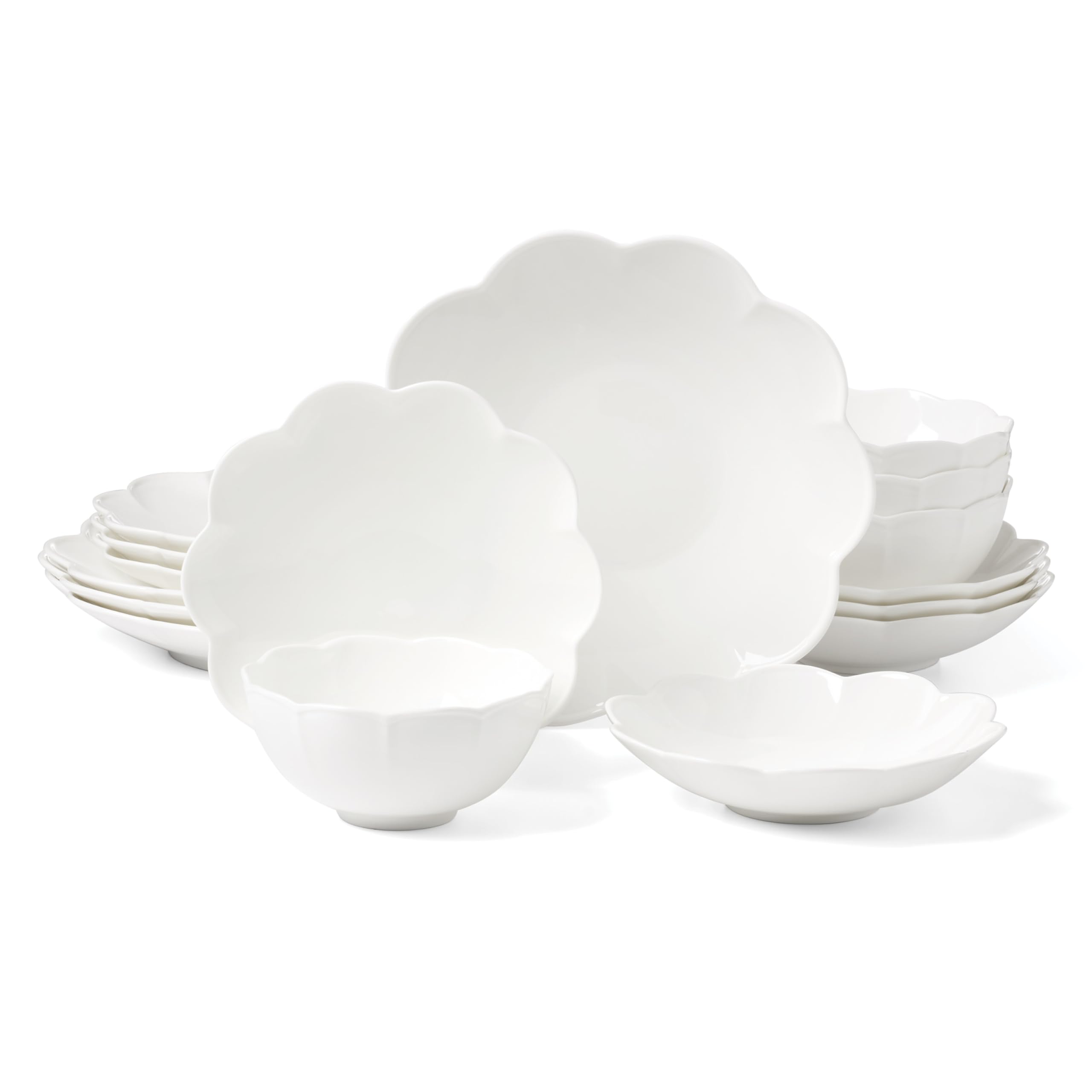
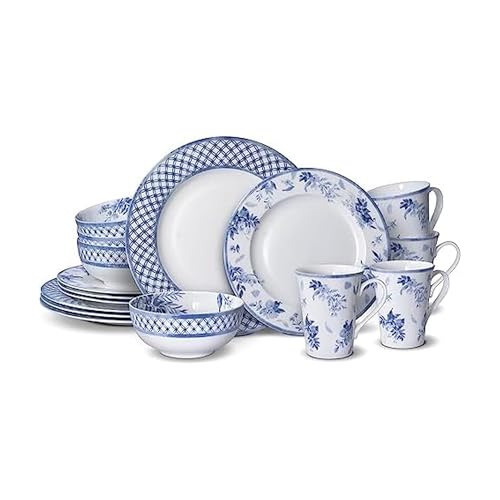
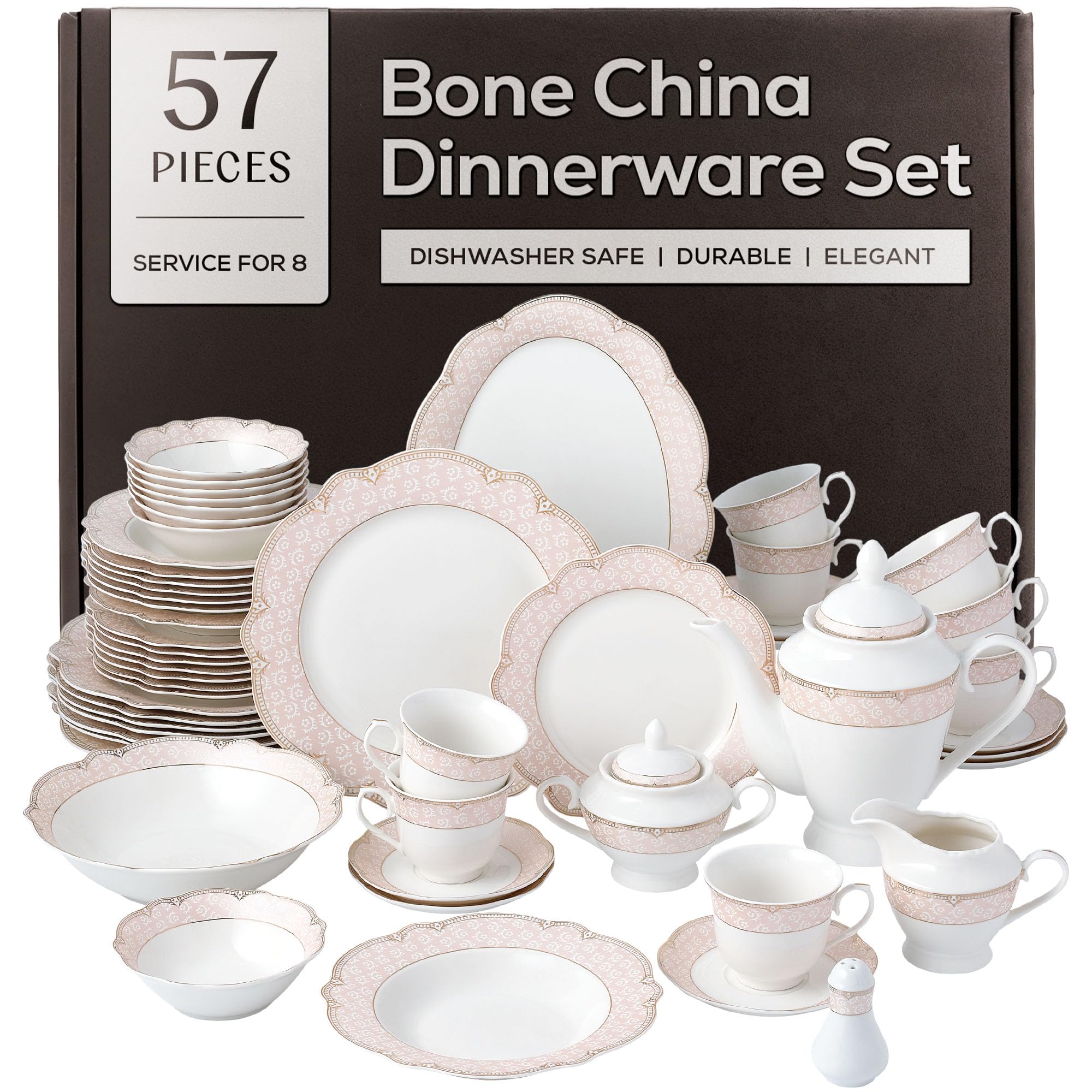
Shopping for best bone china dinnerware sets is really a question of how you want your table to feel, because bone china is prized for being thin, light, and bright white while still feeling strong in the hand. A well made set makes everyday meals feel a little special and makes holiday tables look finished without extra decoration. The comparison table below can help you weigh place settings, piece counts, and care needs side by side.
Start by counting how many people you feed most weeks and how often you host, since a service for four suits a small household while a service for eight or twelve covers guests without mixing patterns. Also think honestly about dishwashing, because some sets tolerate a dishwasher while others ask for hand washing to protect rims and glaze. Your answers here will narrow the field faster than any pattern catalog.



What Makes Bone China Different
Bone china blends clay with bone ash, which lets makers fire thin walls that still resist chipping better than many other ceramics. Hold a piece to the light and you may see a soft glow through the wall, a sign of the thin, even body that gives bone china its reputation. The glaze should feel smooth and even, with no rough spots at the rim or the foot.
Weight matters more than looks alone, since a plate that feels balanced is easier to carry from kitchen to table. Compare a dinner plate, a bowl, and a cup from the same set, because a set can mix a fine plate with a heavy mug. If you serve hot food often, note that thin walls cool faster, so warm plates briefly for formal meals.
Place Settings and Piece Counts
A standard place setting usually includes a dinner plate, a salad plate, a bowl, and a cup with a saucer, though sets vary in what they count as a full setting. Count the pieces you will actually use, not just the headline number, since serving bowls and platters add value only if you entertain. For daily use, a set with spare bowls and cups is more practical than a set heavy on specialty pieces.
If you host often, buy the larger service now rather than hunting for matching pieces later, because patterns can be discontinued. Keep a note of the pattern name and maker, and store a spare plate and cup where they will not be knocked. That small habit protects a set you plan to keep for years.
Patterns, Shape, and Table Style
Bone china comes in shapes from classic round rims to modern coupe plates with no rim at all, and the shape changes how food sits and how the table looks. A rimmed plate frames food neatly and helps contain sauces, while a coupe plate gives a clean, restaurant style presentation. Choose the shape that matches your cooking, not just the pattern you admire in a photo.
Pattern should work with your table linens, glassware, and serving pieces, since a very busy border can clash with patterned napkins. A white or ivory body with a simple band is the most flexible choice and lets food be the color on the table. If you love a bold pattern, keep the rest of the table quiet so the set can carry the look.
Care That Protects the Investment
Even dishwasher safe sets last longer when you load them so pieces do not touch, use a gentle cycle, and skip harsh detergents. Hand washing is safest for gold or platinum bands, since metal trim can fade in a dishwasher and may not tolerate a microwave at all. Stack plates with a soft liner between them if your cabinet is tight, and avoid stacking heavy bowls on delicate cups.
Chips usually start at the rim, so carry plates by the base rather than pinching the edge, and set them down gently on stone counters. If a piece chips, retire it from guest service rather than risking a cut or a stain in the crack. With careful handling, bone china can serve daily meals and still look presentable for special occasions.
Budget and Value Over Time
Prices vary with brand, origin, and how much of the work is done by hand, so compare the cost per place setting rather than the box price alone. A mid priced set from a known maker often gives the best balance of thinness, glaze quality, and spare availability. Very cheap sets may be thicker, heavier, and less translucent, which misses the point of bone china.
Think of the set as a long term purchase and weigh replacement cost against daily pleasure. A set you enjoy using every day is better value than a precious set that stays in a cabinet. Buy the best quality you can afford in the pattern you truly like, and the set will earn its place on your table.
Related Guides to Read Next
If you want to compare nearby options, these related guides can help: best china dinnerware sets, best fine china dinnerware sets, best bone china tea sets, best quality dinnerware sets. Each one covers a different angle, so start with the guide that matches your room, your budget, or your next question.
Living With Bone China Every Day
Daily use is where bone china proves its worth, since a set that only appears for holidays never earns its cabinet space. Use the set for ordinary weeknight meals as well as special dinners, and notice how the light weight feels when carrying plates from kitchen to table. A set that feels pleasant every day will be reached for often, while a set that feels precious will stay behind glass.
Serving habits shape how long bone china lasts, because stacking, carrying, and washing all add small stresses over time. Carry plates by the base rather than pinching rims, stack with care so rims do not knock together, and load the dishwasher so pieces do not touch. Those habits take seconds and prevent most chips, which usually start at a rim knocked against another plate.
Table settings can stay simple even with a refined set, since bone china already brings elegance to the table. Pair the set with plain linens and simple glassware for weeknight meals, and add candles or flowers for celebrations without changing the dishes. That flexibility is one reason a white or ivory set with a simple band suits so many homes and occasions.
Guests often notice bone china before they notice anything else on the table, and a well kept set quietly signals care for the meal and the gathering. Keep a spare plate and cup for accidents, and retire chipped pieces from guest service rather than risking a cut or a stained crack. A set kept in good repair looks generous rather than fussy, even after years of use.
Over time, a favorite bone china set gathers memories of meals, holidays, and everyday dinners, which is the real return on the purchase. Note the pattern name and maker in a safe place, so replacement pieces can be found if a piece breaks. With steady, gentle care, the set can serve your household for decades and even pass to the next generation.
Frequently Asked Questions
Is bone china safe for daily use?
Yes, bone china is made for daily use when the set is well made and handled with normal care. It resists chipping better than many ceramics despite its thin walls, and it stacks neatly in a cabinet. Avoid thermal shock by not pouring boiling liquid into a cold cup, and do not use metal trimmed pieces in a microwave. With gentle washing and careful stacking, a daily set stays attractive for years.
Can bone china go in the dishwasher?
Many modern sets are labeled dishwasher safe, but hand washing still extends the life of the glaze and any metal trim. If you use a dishwasher, load pieces so they do not touch, choose a gentle cycle, and use a mild detergent. Keep gold or platinum banded pieces out of the dishwasher entirely, since the trim can fade or wear. Always check the maker care card for your exact set.
How is bone china different from porcelain?
Bone china contains bone ash, which allows thinner walls and a brighter white body than most porcelain. It also tends to feel lighter in the hand while remaining strong against chips. Porcelain can be thicker and heavier, and it often costs less for a similar place setting. The choice comes down to whether you value the light, translucent feel of bone china or the sturdier weight of porcelain.
What size dinner plate should I choose?
A dinner plate around 10 to 11 inches suits most meals, giving room for a main dish and sides without crowding. Larger plates look generous on a formal table but can overwhelm a small table or a small cabinet. Smaller plates suit lighter meals and tight storage, though they may feel cramped for a full roast dinner. Measure your cabinet shelves and your table before choosing a size.
Does bone china stain or absorb odors?
A well glazed bone china surface resists stains and odors, since the glaze seals the body beneath it. Strong foods like tomato sauce or curry can leave a faint mark if left for hours, so rinse pieces soon after the meal. Avoid abrasive scrubbers that can dull the glaze and create places for stains to settle. With prompt rinsing and gentle cleaning, the set keeps its bright finish.
Final Thoughts
The product table above lets you compare settings, shapes, and care needs at a glance, but the deciding test is simple: hold the plate, feel the weight, and picture it on your table on an ordinary Tuesday. A set that passes that test will get used, enjoyed, and kept, which is the real measure of value. Choose best bone china dinnerware sets that match your household size and your washing habits, and your table will thank you for years.