
Best Bolts for Excalibur Crossbows: Our 2026 Checklist
Disclosure: We may earn a commission when you buy through links on this page, at no extra cost to you. As an Amazon Associate I earn from qualifying purchases. Learn more

Use our simple checklist to find the best bolts for excalibur crossbows, with clear specs on length, weight, nocks, and value for hunting and target use.
Choosing bolts for an Excalibur sounds simple until you compare length, total weight, nock style, and shaft material side by side. This guide gives you a clear checklist for the best bolts for excalibur crossbows so you can match the specs to your exact model. You will learn what counts as a pass, what counts as a warning sign, and where extra money actually helps.
Start with the specs your manual requires, then use the comparison table below to check the options that fit those numbers. A bolt that looks strong can still be wrong for your bow if the nock or weight is off.

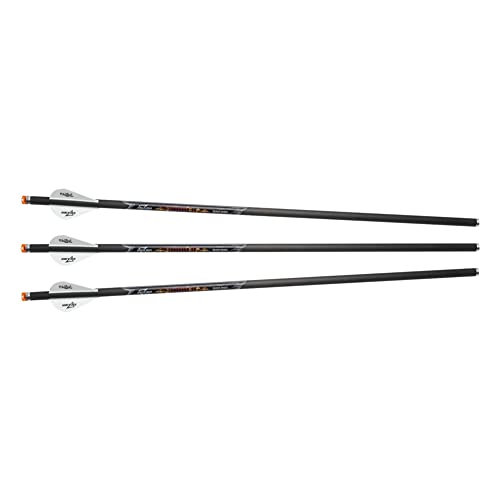

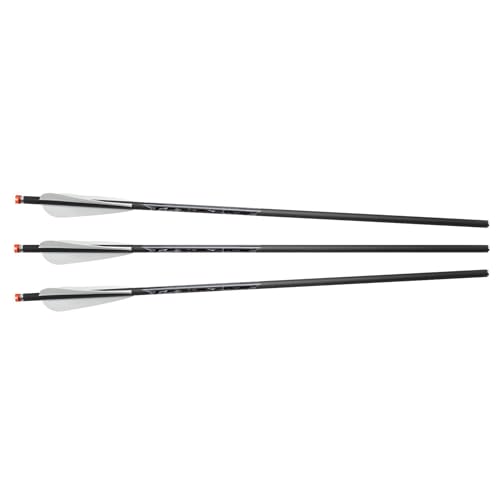
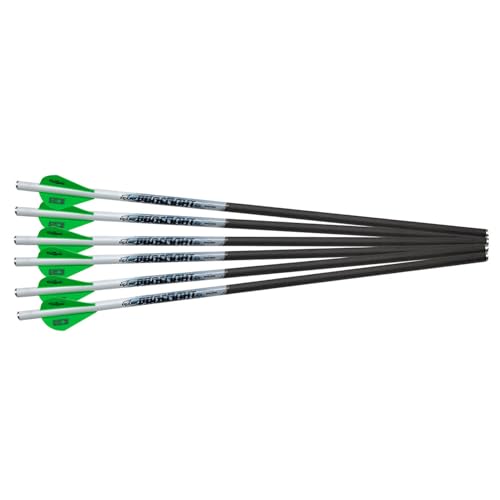
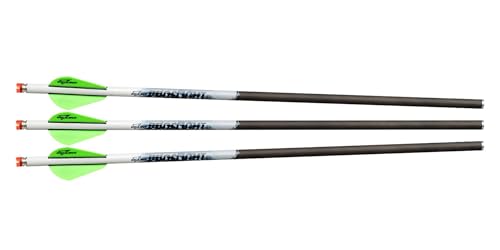

How We Evaluate Bolts
Think of this section as a scorecard you can use on any pack of bolts in about two minutes. A good score means the maker states the key specs clearly, the bolts match your manual, and the shafts stay straight and consistent from one bolt to the next. A poor score usually traces back to vague specs, mixed weights in one pack, or a nock style your bow was not built to use.
Features That Matter for Excalibur Crossbows
Excalibur bows are recurve designs, and many models call for shorter bolts than compound crossbows use, often around 16 to 18 inches. Most also call for flat nocks rather than moon shaped nocks, because the string sits square against the back of the bolt. Check your manual first, since models vary.
Total weight matters just as much. Many Excalibur manuals set a minimum total weight with the point fitted, often around 350 grains or more. Shooting below that minimum can stress the limbs, so treat the manual figure as a hard floor, not a suggestion.
Intended Use and Who It Is For
Hunters need bolts that group tightly with broadheads at the ranges they actually shoot, usually inside 40 yards. A slightly heavier bolt often flies quieter and holds its line better in light wind. Target shooters who shoot long sessions may prefer a lighter setup that still clears the minimum weight, since it shoots flatter at known distances.
New owners should start with the bolt type the maker of the bow recommends for their model. That removes guesswork while you learn the bow. If you are still choosing the bow itself, see our guide to the best excalibur crossbows for the model differences that shape bolt choice.
Price vs Value
Budget packs often cost around $30 to $45 for six bolts and can be fine for practice if the weight and length are right. Mid range packs, around $45 to $70 for six, usually give you tighter weight sorting and straighter shafts. Premium packs can run around $70 to $100 or more for six.
Value is not the lowest price per bolt. It is the lowest price per bolt that still flies where you aim. One ruined hunt or one cracked limb costs far more than the gap between a budget pack and a mid range pack, so buy the tier that matches your manual and your use.
Safety and Certifications
Safety starts with inspection. Run your fingers along each shaft before every session and look for cracks, dents, or splinters, and flex carbon shafts gently and listen for cracking sounds. Retire any bolt that fails that check, even if it looks fine at a glance, because a shaft that breaks at the shot can injure you and damage the bow.
Never dry fire your crossbow, meaning never release the string without a bolt loaded. Keep your hands below the string path, load the bolt with the odd colored fletching in the correct position for your model, and confirm the nock sits fully against the string before you aim.
Ease of Use and Setup
The easiest bolts to live with arrive straight, with inserts fitted square and fletching glued cleanly with no loose edges. Spin each bolt on a flat surface or a spinner tool and watch the point. A point that wobbles in a wide circle hints at a bent insert or a shaft that is not straight.
Setup also means matching points to practice. Fit field points that weigh the same as your broadheads so practice shows you the true point of impact. When you shop for heads, our guide to the best broadheads for excalibur crossbows explains the weight and style choices that pair with these bolts.
Build Quality and Materials
Carbon is the most common shaft material because it is light, stiff, and consistent, and it either stays straight or breaks rather than bending. Aluminum shafts cost less and are easy to inspect for straightness, but they can bend on hard impacts. Some bolts blend the two, with carbon over an aluminum core, for extra weight and durability.
Look at the small parts too. Brass inserts add helpful weight at the front. Fletching should be stiff enough to steer a broadhead yet not so tall that it drags in the rail channel. If the string on your bow is worn, new bolts will not fix poor groups, so check our guide to the best bowstrings for excalibur crossbows as part of the same tune up.
Size, Weight, and Fit for Your Space
Length is a fit question before it is a speed question. The bolt must sit fully in the rail with the point clear of the stirrup area, exactly as your manual describes. A bolt that is too short can be unsafe to load, and one that is too long changes how the point sits and can catch on brush.
Storage matters too. Keep bolts in a case or quiver that protects the fletching and keeps the shafts from rolling around and striking each other. If you are comparing bolt terminology across brands, our guide to the best arrows for excalibur crossbows clears up why makers use the words bolt and arrow for the same basic part.
What Each Price Tier Usually Delivers
Price tiers are a useful shortcut once the basic specs pass. The tiers below describe what you generally get for your money, so you can decide which level fits your season instead of chasing a label.
Balanced Everyday Tier
This tier suits most hunters and regular target shooters. Expect carbon shafts with stated straightness figures, weights sorted closely within the pack, and flat nocks fitted as standard. Groups at 30 to 40 yards should be consistent enough that any miss is easy to explain. For most owners, this is the level where spending stops feeling risky and starts feeling sensible.
Value Tier
Value tier bolts keep the correct length, nock, and minimum weight but cut cost in sorting and finish. You may see slightly wider weight variation from bolt to bolt and fletching that needs a check before use. They make good practice bolts and fair hunting bolts at close range. Number each shaft, shoot them all, and set aside any bolt that groups apart from the rest.
Premium Tier
Premium bolts earn their price through consistency. Shafts are usually weight sorted to a very tight range, straightness figures are stricter, and components like brass inserts and quality vanes come standard. That consistency shows up most with broadheads at longer hunting ranges. If you shoot often and hunt hard, the premium tier can be worth it. If you shoot a few weekends a year, it rarely changes your results.
Quick Buyer Checklist
Run through these questions before you pay. Every answer should be yes.
- Does the bolt length match the figure in my bow manual?
- Is the nock the flat style my model requires?
- Does the total weight with my point fitted clear the minimum in the manual?
- Are the shaft material and straightness figure stated clearly?
- Are all bolts in the pack the same stated weight?
- Do the field points I own match my broadhead weight?
- Can I buy the same bolts again next season?
Red Flags to Watch For
Vague listings are the biggest warning sign. If a seller will not state length, total weight, or nock style, move on. Other red flags include packs with visibly mixed fletching colors and sizes, reviews that mention cracked shafts on arrival, and prices far below every other option with the same stated specs.
- No minimum weight or length figures anywhere in the listing.
- Nock style shown in photos differs from the style described in text.
- No stated warranty or return route for damaged shafts.
- Claims of extreme speed gains from a bolt change alone.
How to Make Your Bolt Last Longer
Read the manual for your bow before first use, since it sets the weight floor your bolts must meet. Clean and inspect regularly, wiping shafts with a dry cloth and checking fletching after every session. Store bolts in a dry place inside a case, away from heat in a car trunk, which can weaken glue and warp fletching over time. Always pull bolts from a target with a proper puller and a straight back motion, never by twisting or bending the shaft sideways.
Bolts: Your Questions Answered
What features matter most in bolts for excalibur crossbows?
Length, nock style, and total weight matter most. Match the length and flat nock style your manual lists, and keep total weight with the point fitted above the stated minimum. After those three, look at shaft straightness and weight consistency across the pack, because those two decide how tightly your bolts group.
Are expensive bolts worth it?
They can be, if you shoot broadheads at longer ranges or hunt often. Premium bolts usually sort weight and straightness more tightly, which tightens groups. For practice and short range hunting, a sound mid range pack gives you most of the benefit. Spend first on meeting the manual specs, then on consistency.
How do I maintain a bolt?
Inspect the shaft, nock, and fletching before and after every session. Wipe off dirt and moisture, replace torn vanes promptly, and retire any shaft with cracks or soft spots. Store bolts in a case in a dry place. A bolt that struck bone, rock, or another bolt deserves an extra careful check before you shoot it again.
How much should I spend on a bolt?
Most owners do well with packs around $45 to $70 for six bolts. Budget packs around $30 to $45 suit practice if the specs are right. Premium packs above that price make sense for serious hunters. Judge cost per bolt that groups well, not cost per bolt in the pack, since one poor flyer in six lowers the true value.
What features matter most when buying bolts?
For any crossbow, start with the specs the maker requires, then judge consistency. Straightness figures, weight tolerance, and insert quality separate good packs from poor ones. Also check that replacement bolts and matching points are easy to find. A bolt you cannot replace with an identical one forces you to sight in again mid season.
Final Thoughts
Match the manual first, then judge consistency, then pick your price tier. Length, flat nock fit, and safe total weight protect your bow, while straight and evenly weighted shafts protect your accuracy. Use the product table above to compare the best bolts for excalibur crossbows against that short list, and you will end up with bolts that shoot the same way on the last day of the season as they did on the first.


